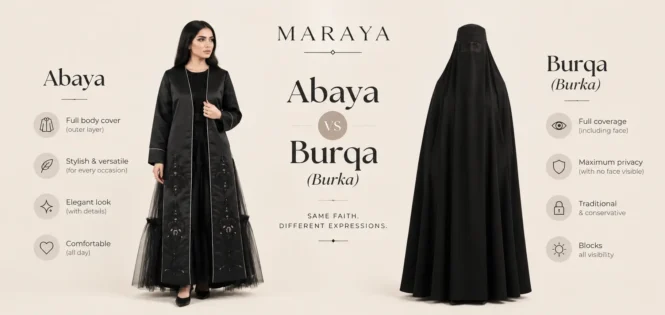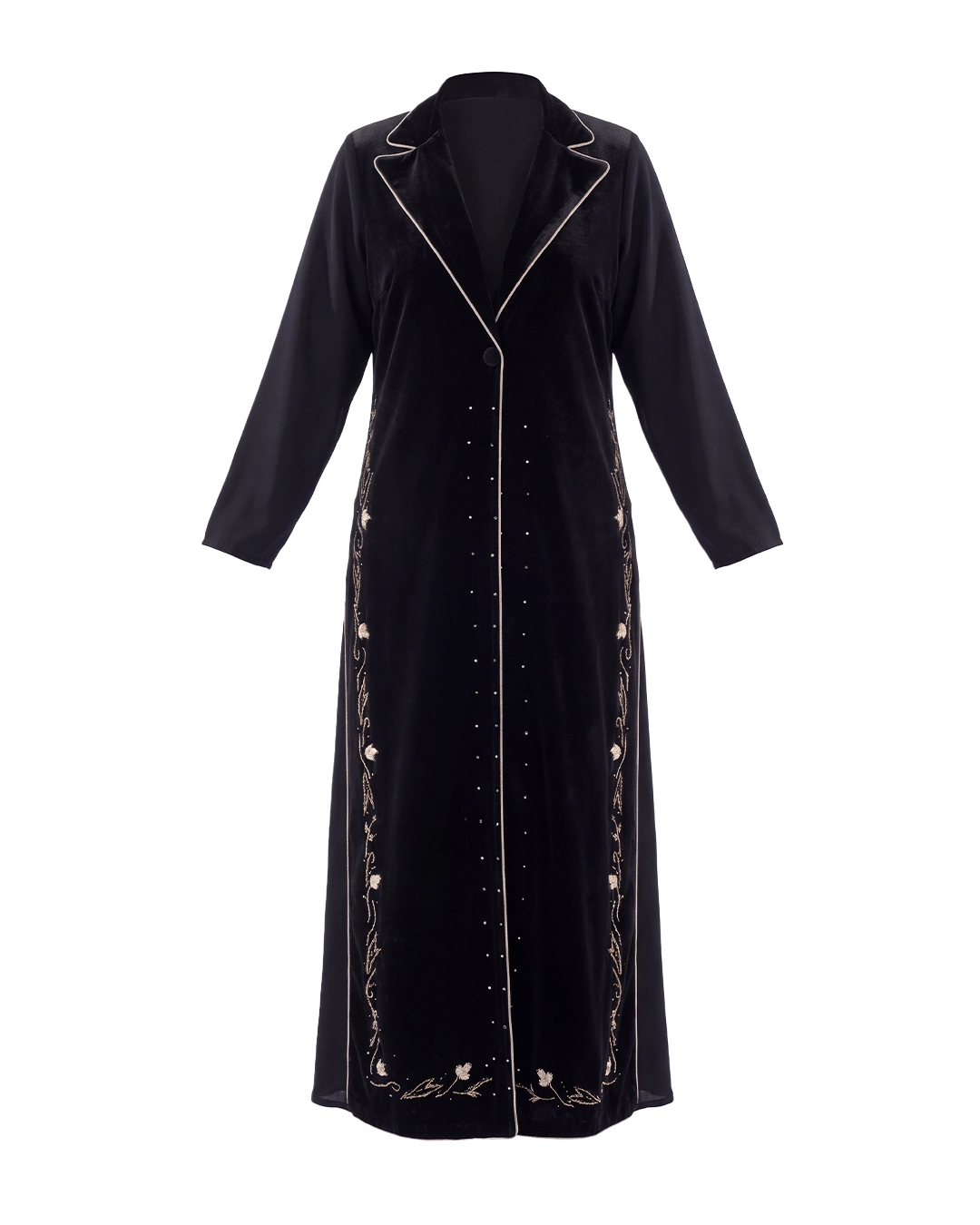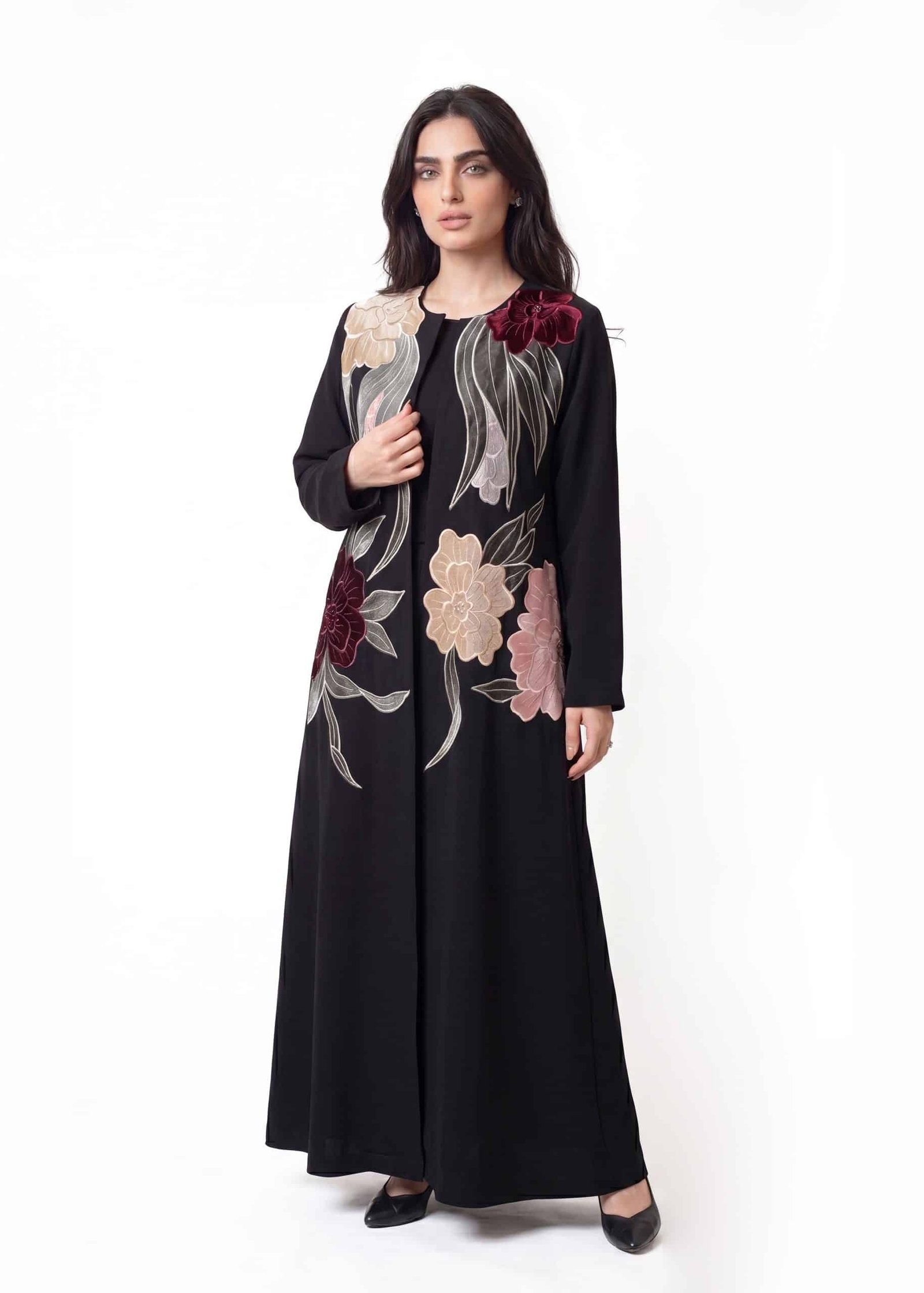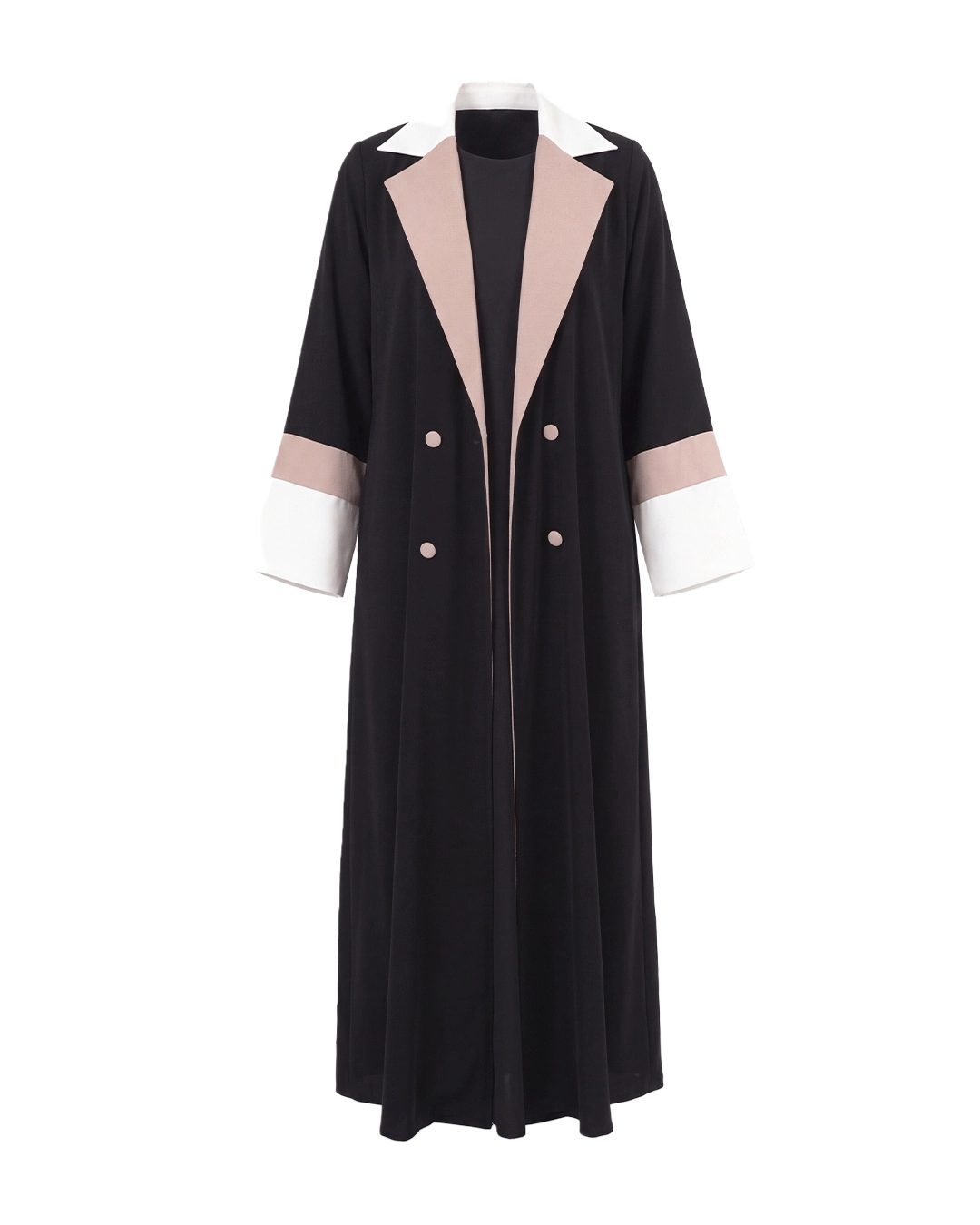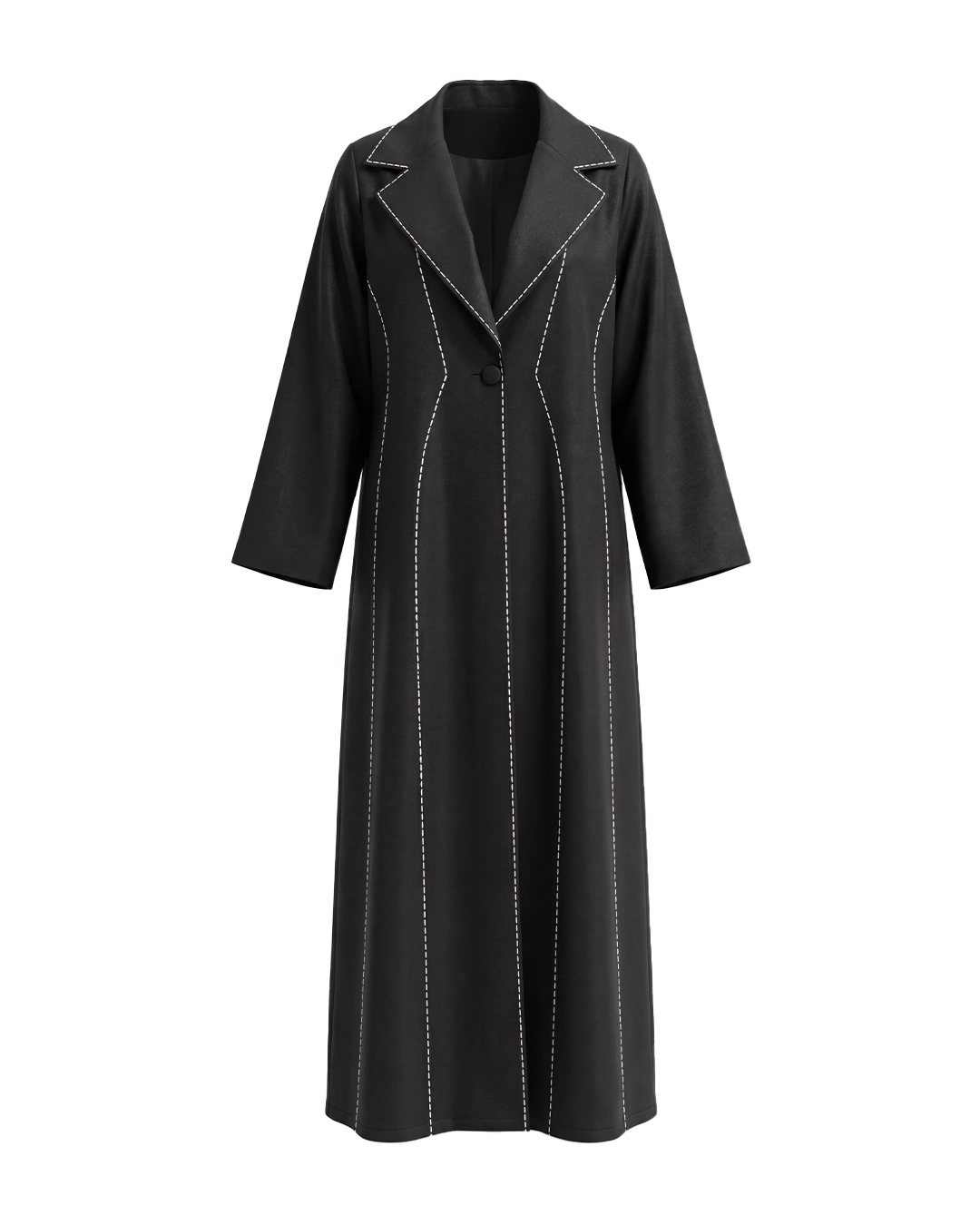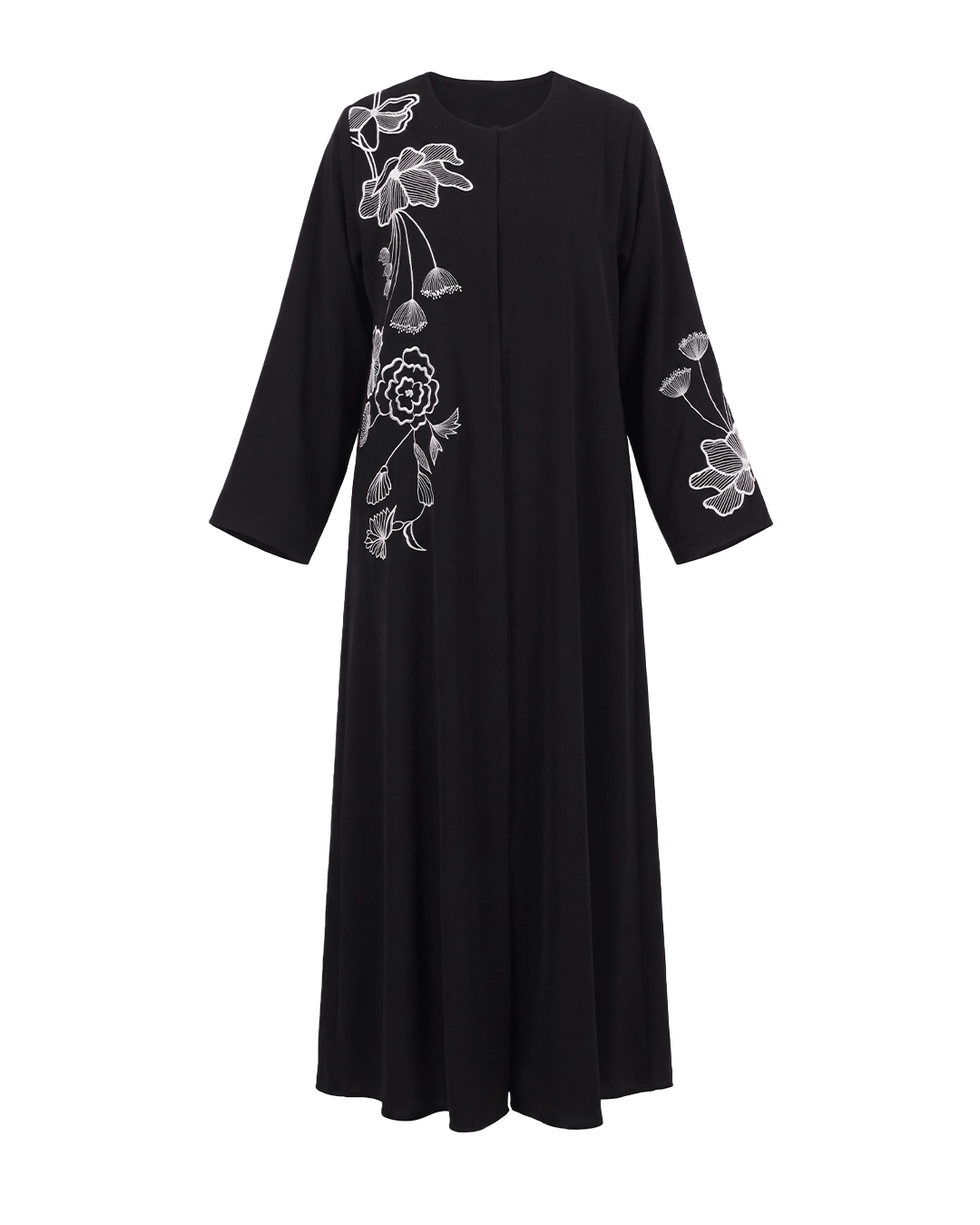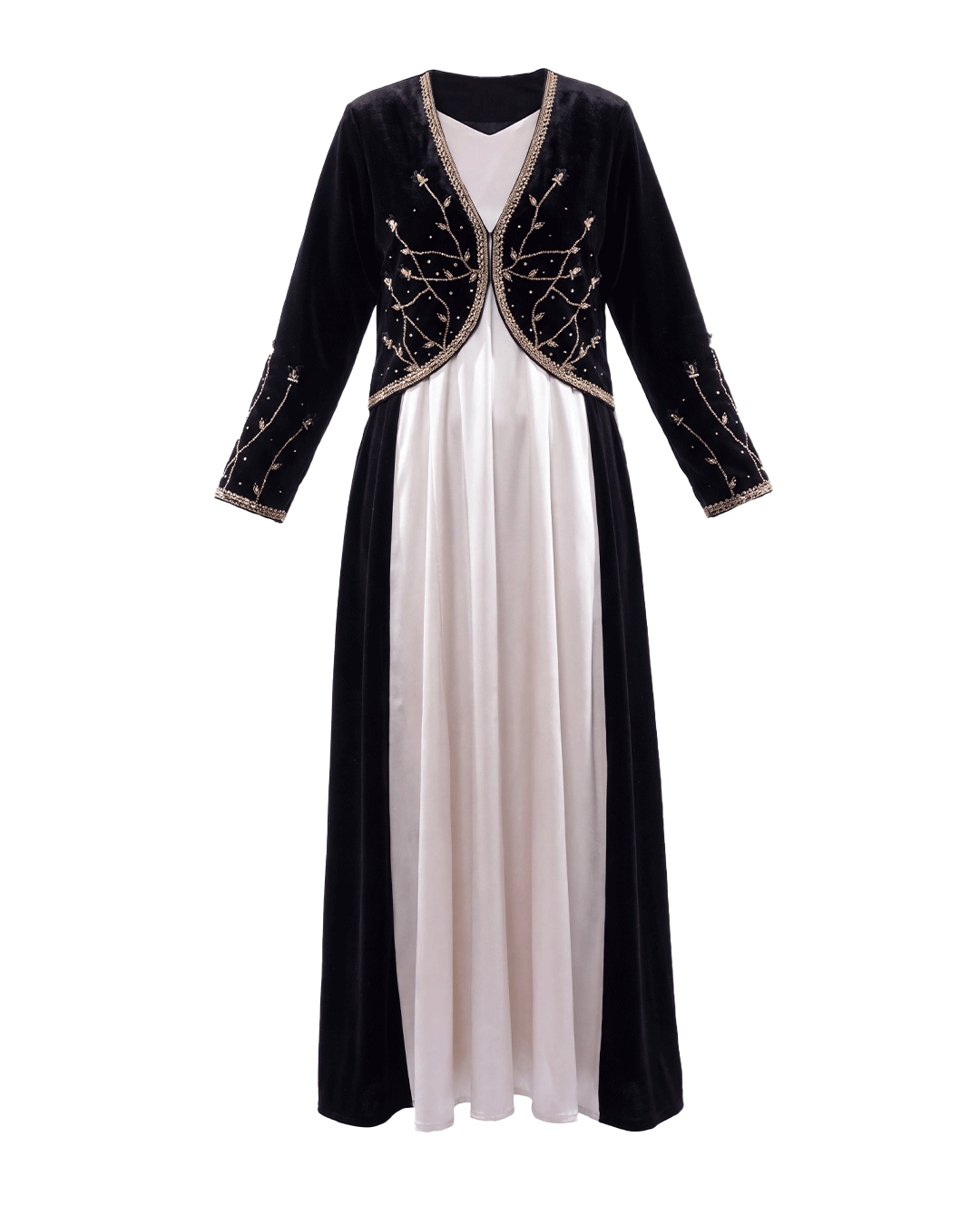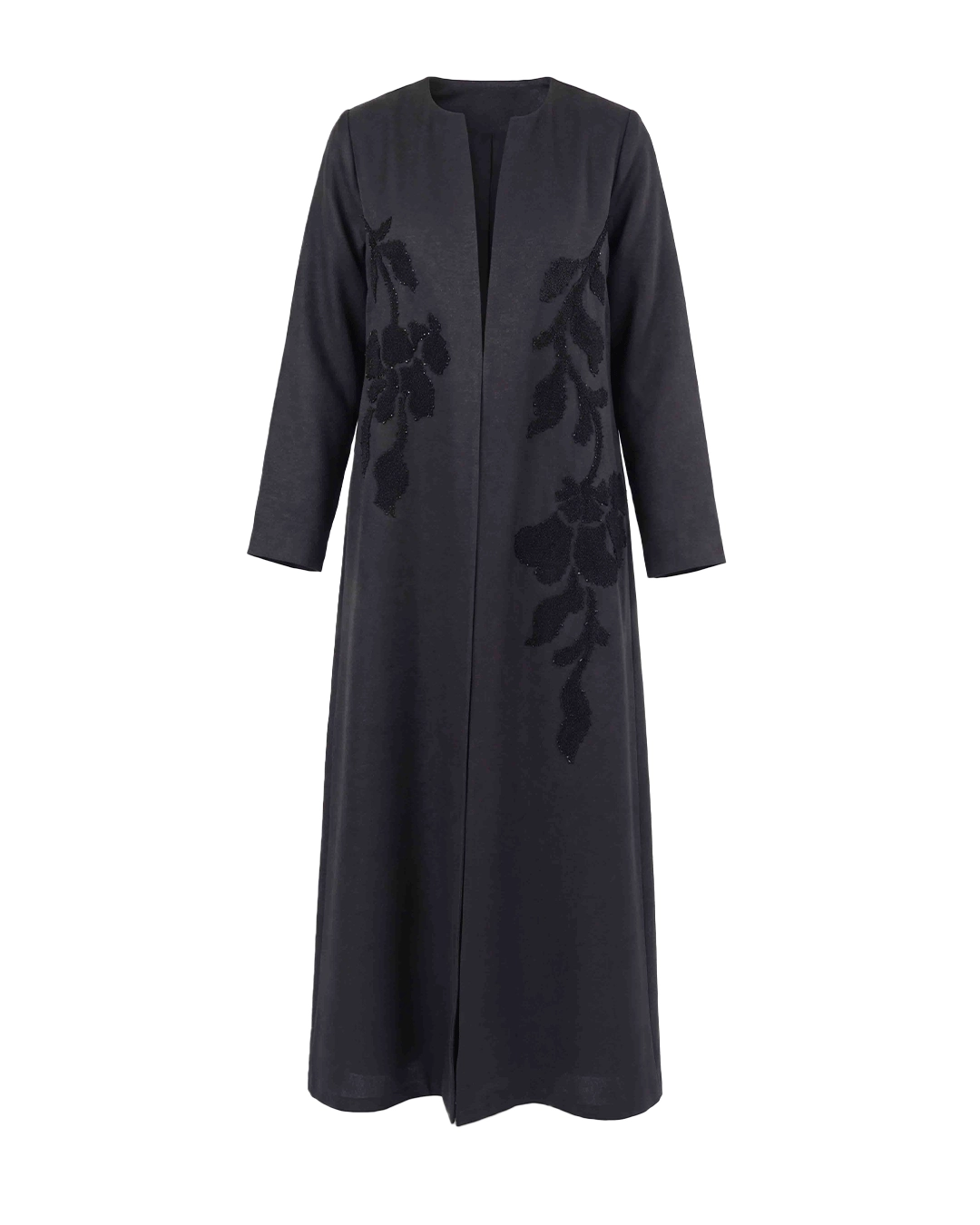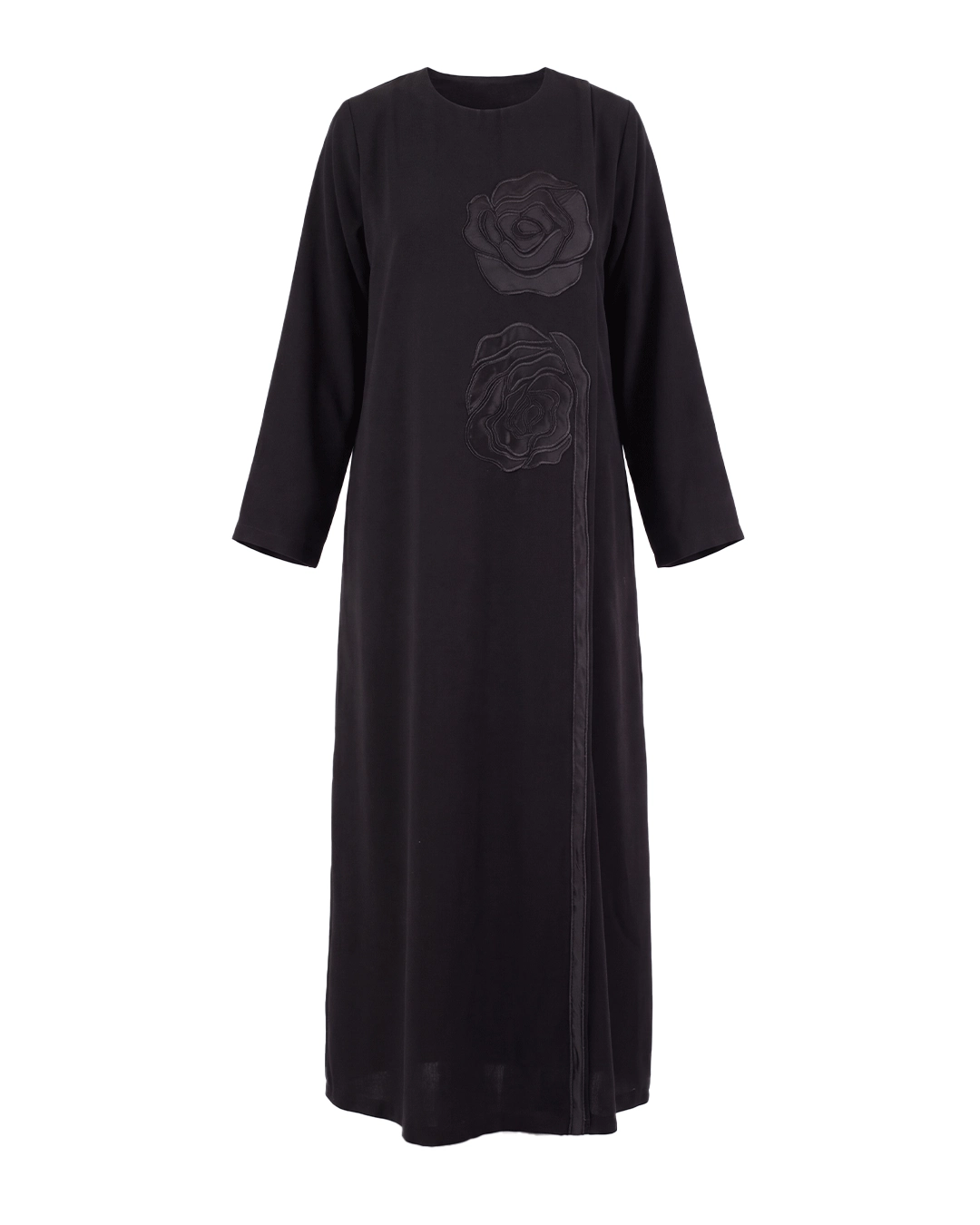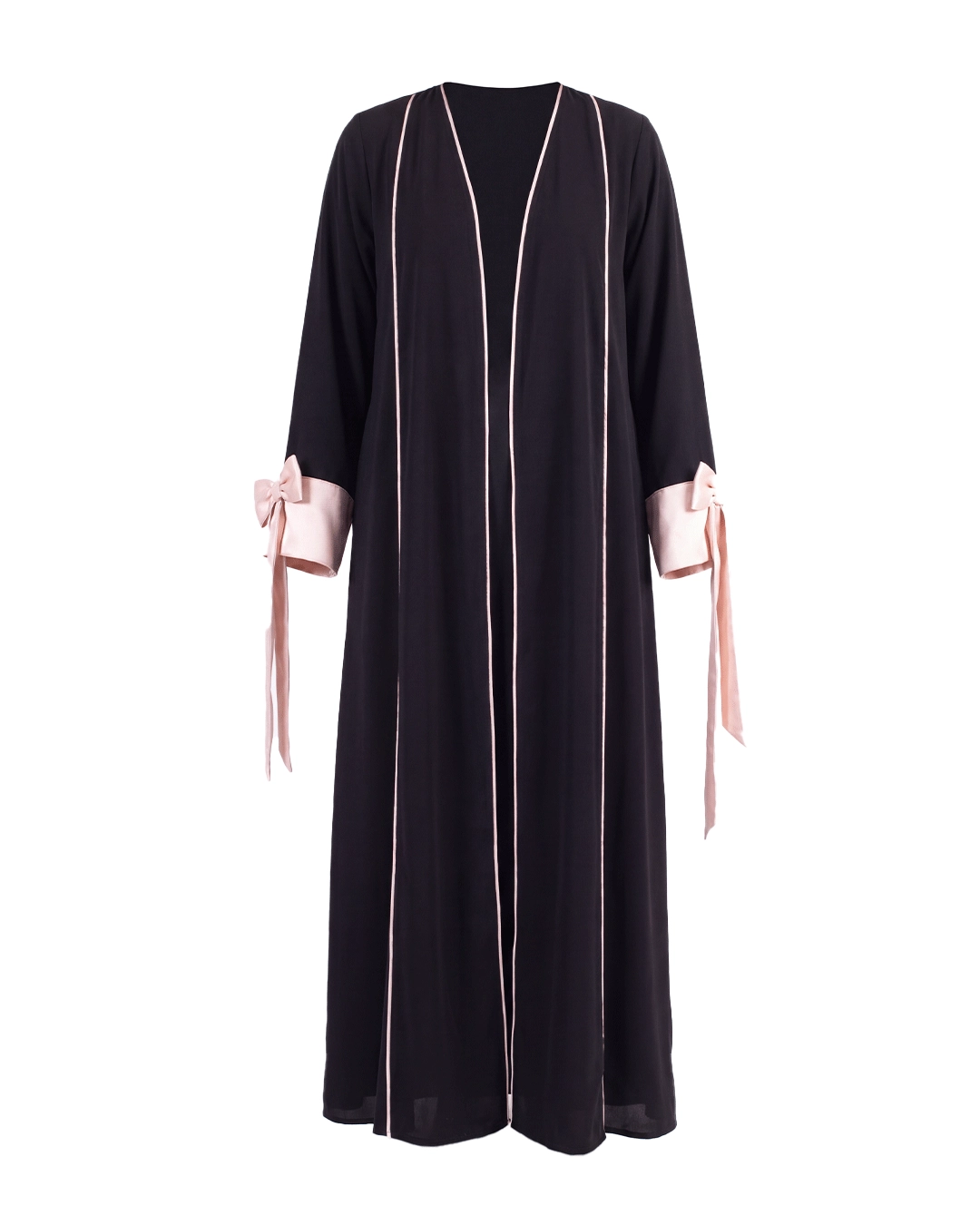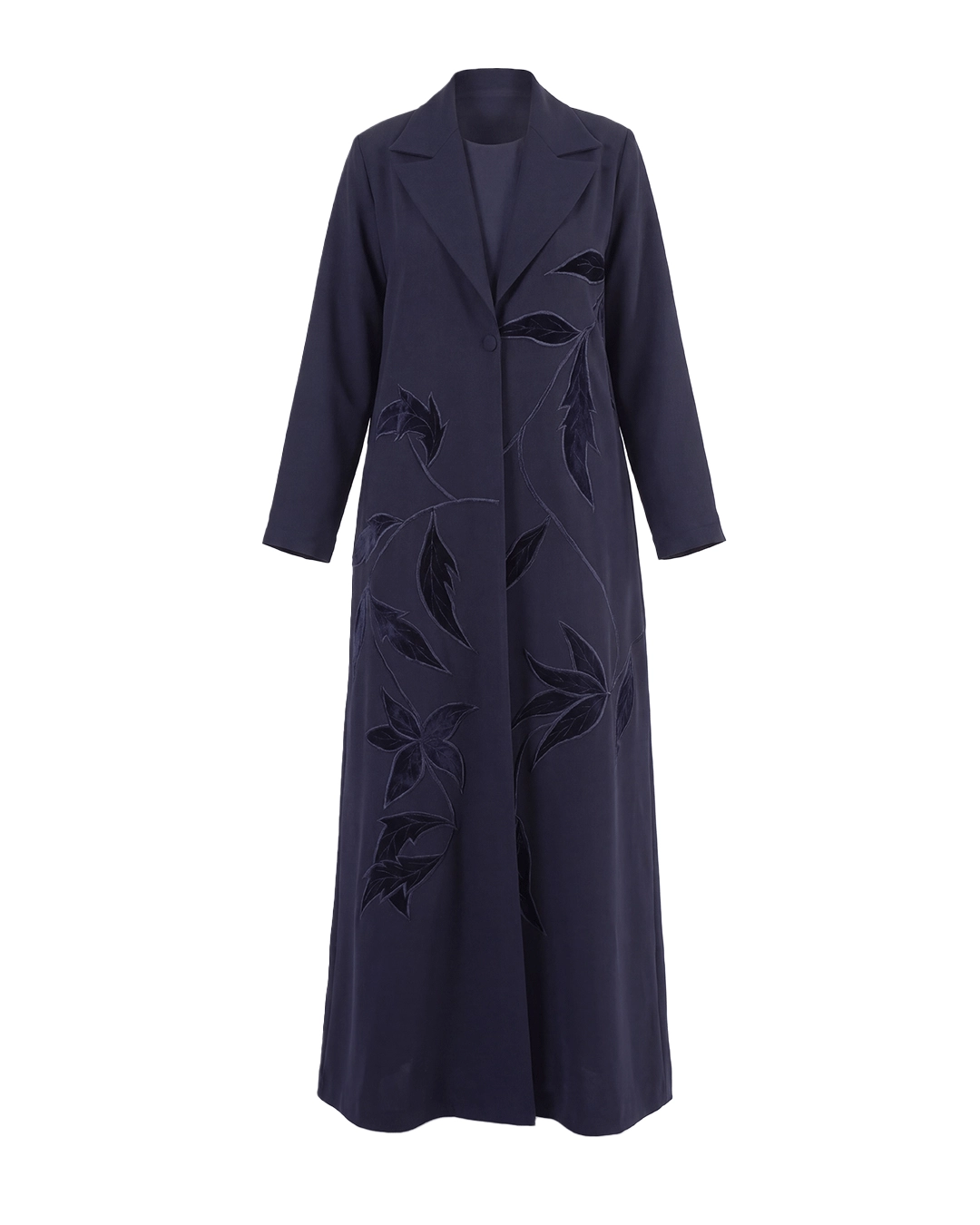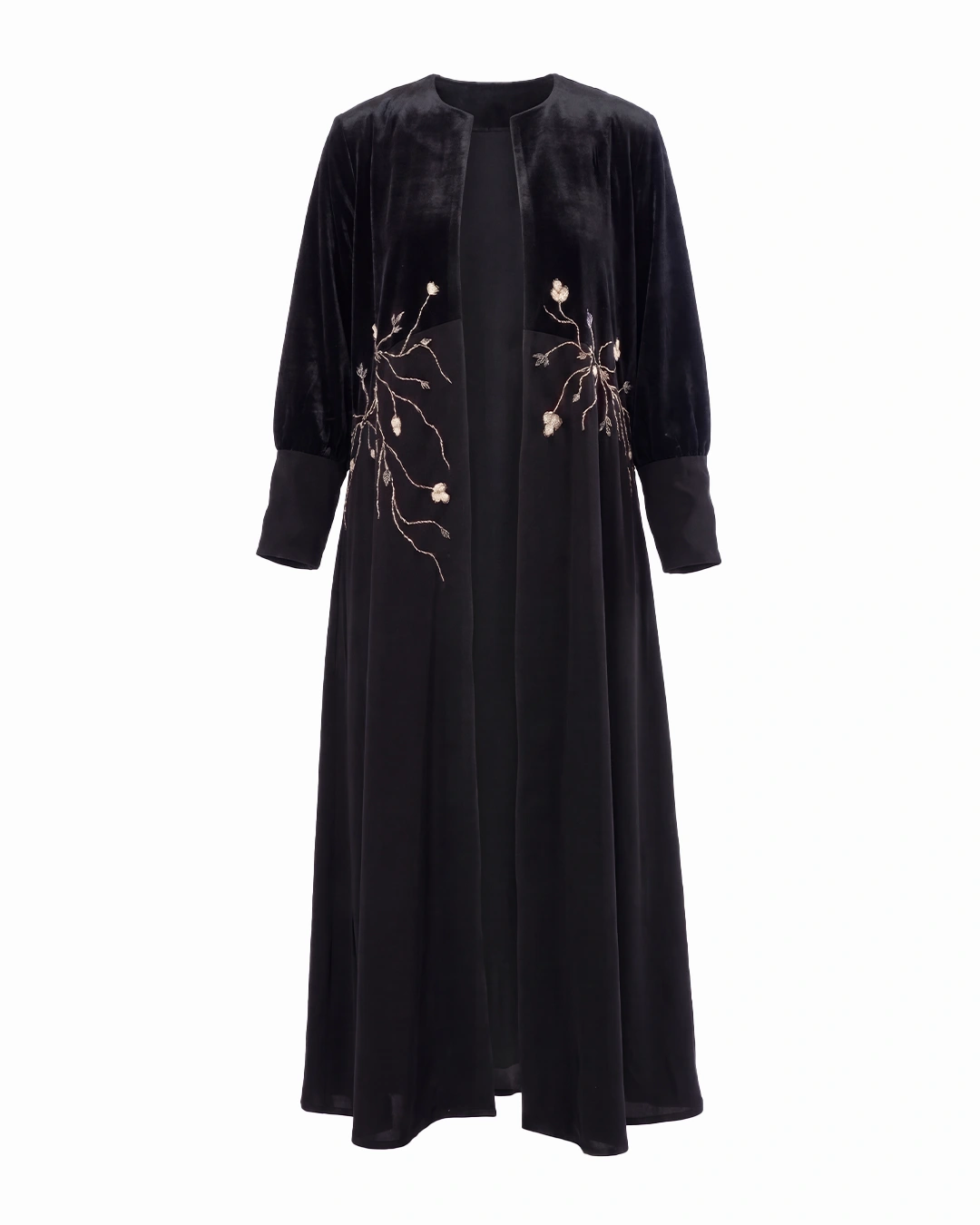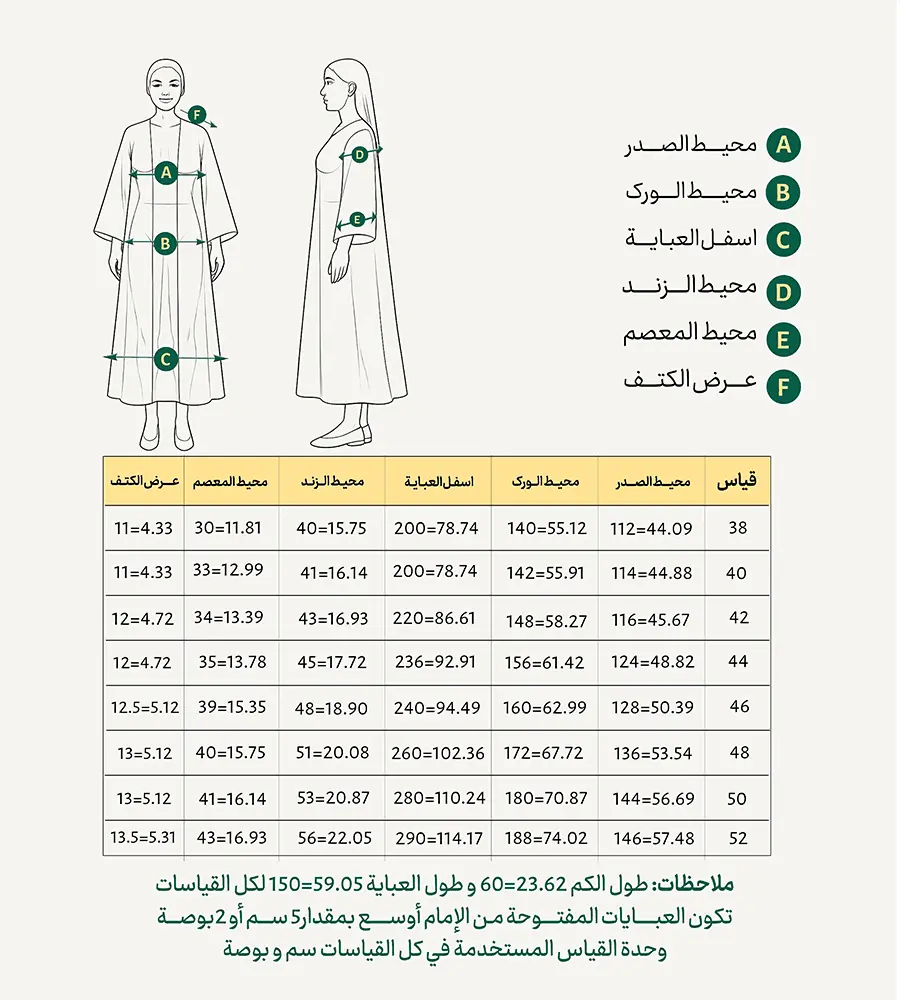
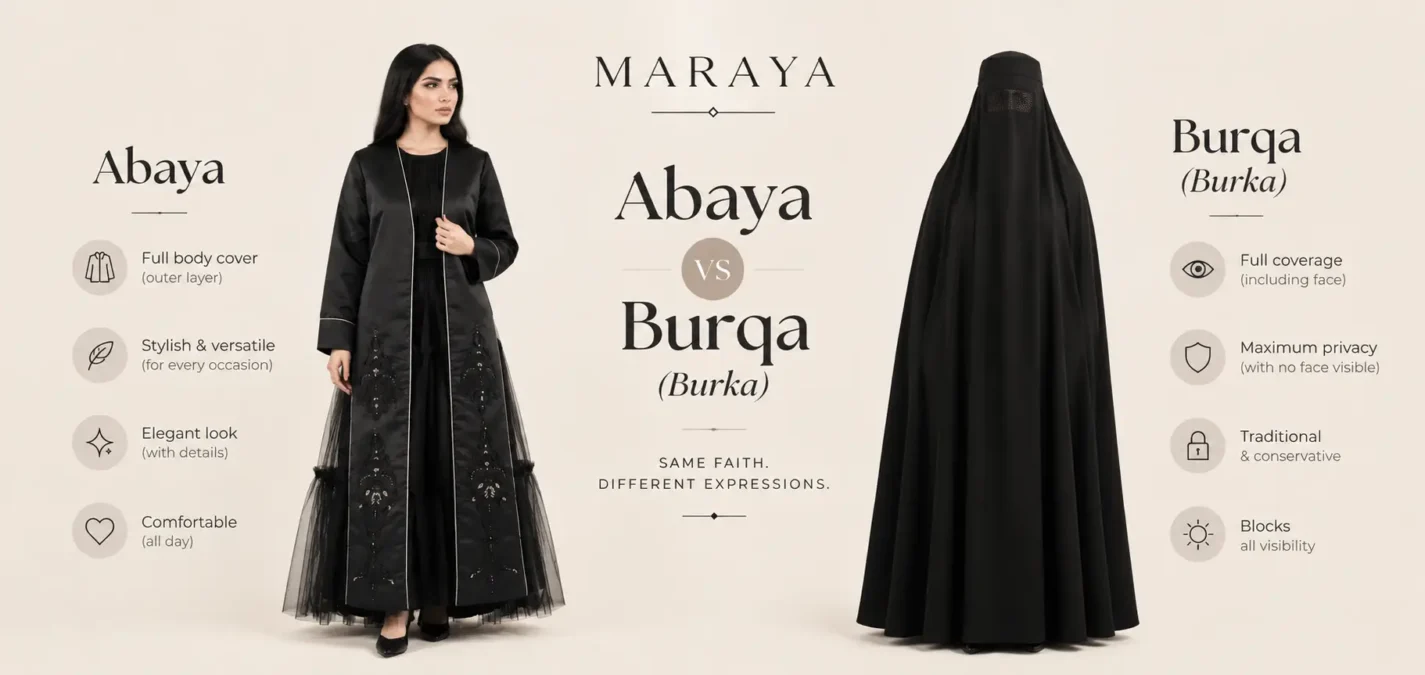
The abaya and burqa (also spelled burka) are garments associated with modest dress in different Muslim communities, but they are not the same. An abaya is generally a loose outer garment worn over everyday clothing, while the Afghan burqa is designed to cover the body and face, including the eyes behind a mesh screen.
The confusion often comes from regional differences in terminology. In some places, the word burqa refers to a full-body covering, while in parts of the Gulf, similar-sounding terms can describe a traditional face mask. Understanding the garments’ construction, coverage, and cultural context makes the distinction much clearer.
What Is an Abaya and What Is a Burqa?
Although both garments can be worn as part of modest clothing, they differ in their structure, purpose, and typical level of coverage. The abaya usually leaves the face visible, whereas the Afghan burqa covers the face and includes a mesh panel for vision.
What Is an Abaya?
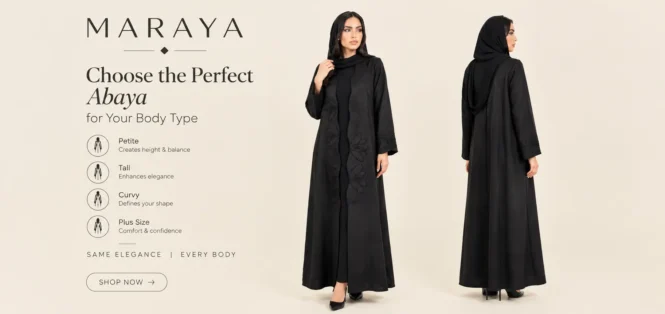
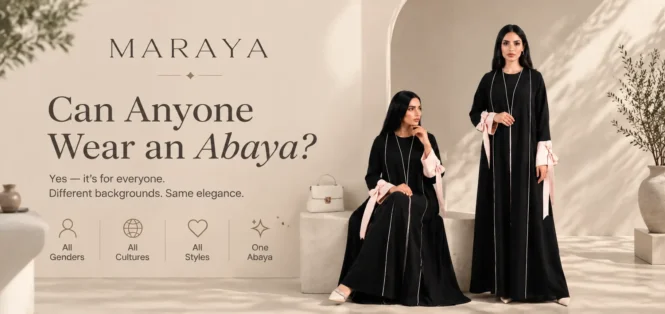
An abaya is a loose-fitting outer garment commonly worn by women in the Arabian Peninsula and other parts of the Muslim world. It is typically worn over regular clothing and is designed to provide coverage without necessarily concealing the face or hands.
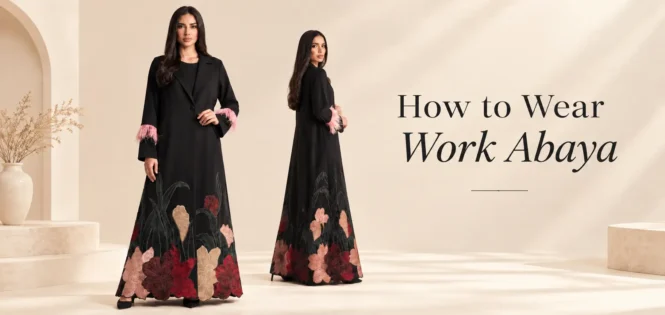
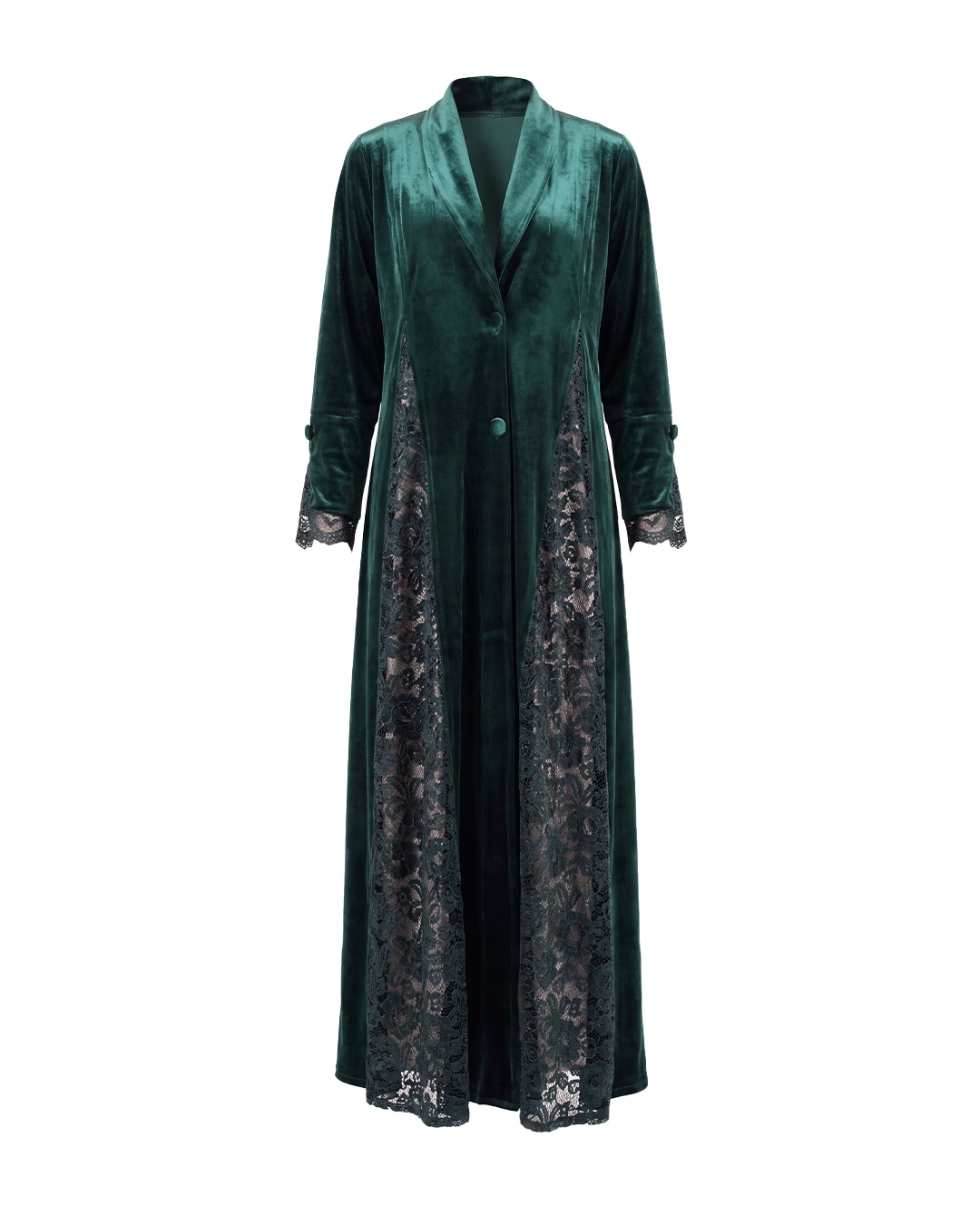
Traditional abayas are often black, but contemporary designs are available in a wide range of colors, fabrics, and silhouettes. Some feature minimal detailing for everyday wear, while others include embroidery, embellishments, flowing sleeves, or tailored elements for formal occasions.
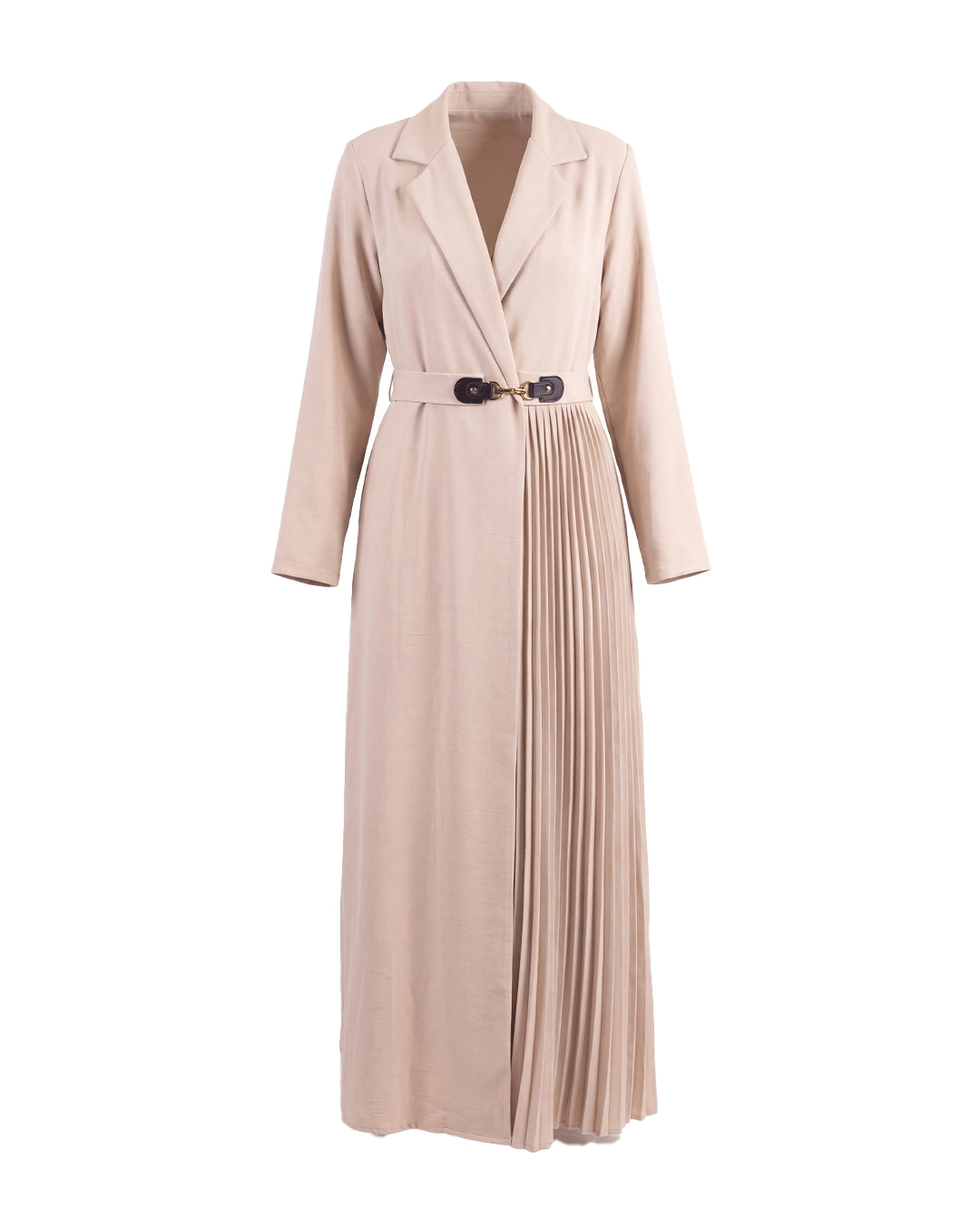
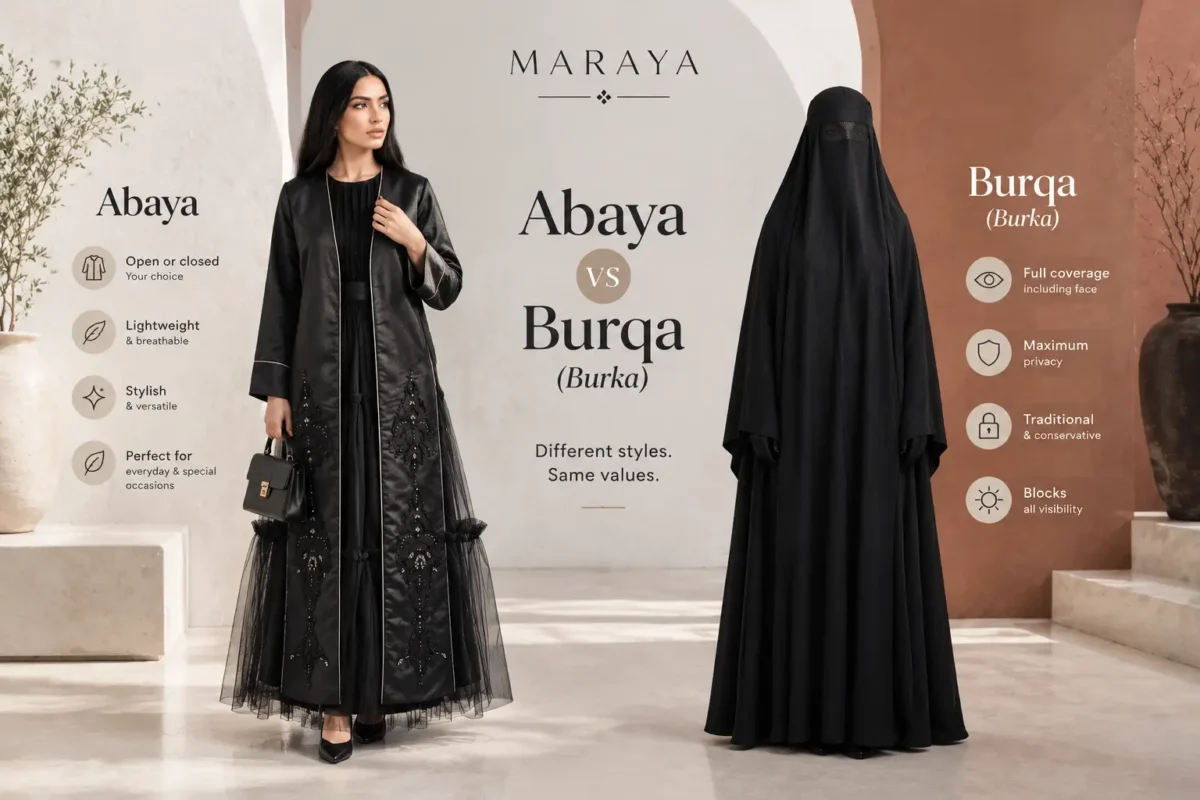
Abayas may be open-front or closed-front. An open abaya can be layered over a dress, coordinated set, or trousers and a tunic, while a closed style is worn as a complete outer garment. The choice depends on personal preference, climate, occasion, and the level of coverage desired.
Modern modest fashion has also expanded the range of available styles. Shoppers can explore everyday abayas for daily activities or choose elegant classic abayas for formal and special occasions.
What Is a Burqa?
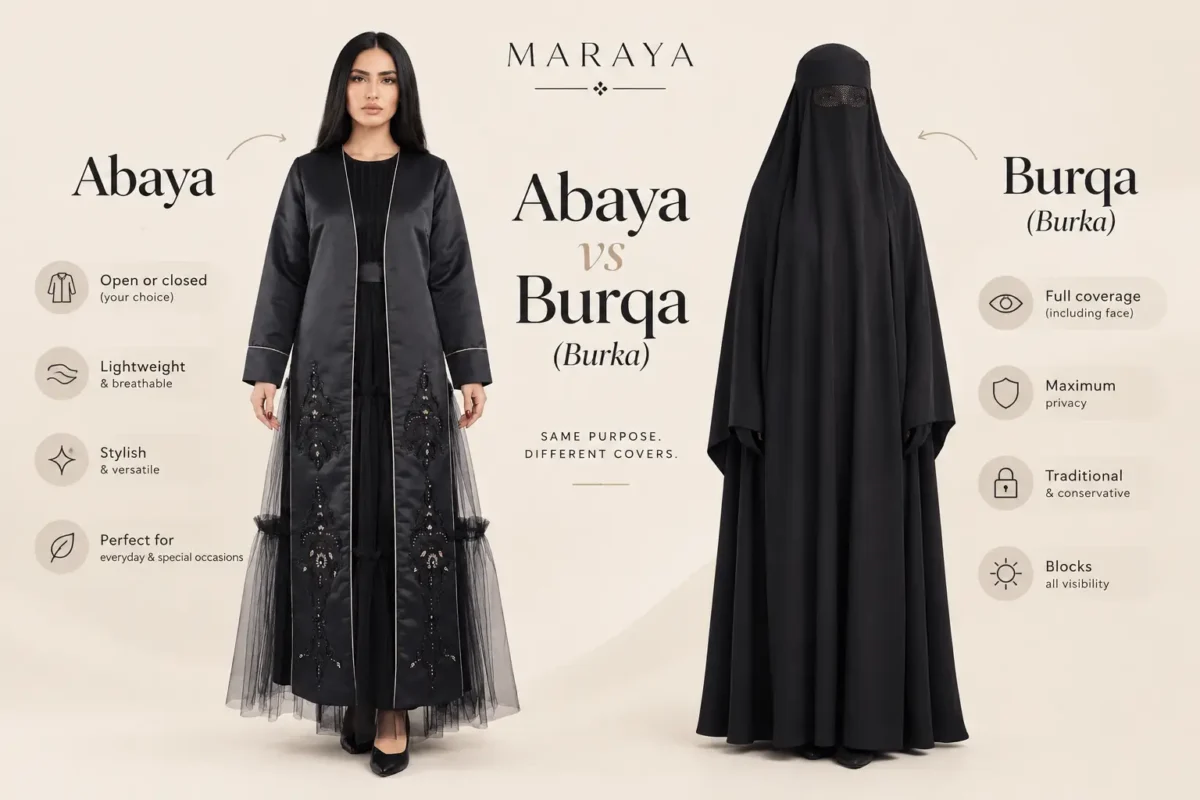
The term burqa, also spelled burka, commonly refers in English to a full-body covering associated particularly with Afghanistan. This garment covers the body and face, with a mesh panel positioned over the eyes to allow the wearer to see.
Unlike a typical abaya, which generally leaves the face uncovered, the Afghan burqa conceals the face behind its integrated covering. Its construction is designed around extensive coverage rather than simply providing a loose outer layer over other clothing.
The word does not have exactly the same meaning in every region, however. Its use varies according to local language, culture, and garment traditions, so the context matters when identifying a particular style.
Which Meaning of “Burqa” Is Being Used?
The meaning of burqa depends on its regional context and design. In English-language discussions, it usually refers to the Afghan full-body covering with a mesh eye panel, while burqa’a or battoulah may describe a traditional Gulf face mask. When the context is unclear, describing the garment and its regional origin helps avoid confusion.
What Is a Burqa or Burka, and What Does It Cover?
The Afghan burqa is designed to provide extensive coverage. It typically covers the head, face, torso, arms, and legs, with the garment extending down over much of the body. A mesh panel across the eye area allows the wearer to see while keeping the face concealed.
The exact construction, fabric, color, and fit can vary. Some versions have pleated or gathered sections, while others use different fabrics and decorative details. Nevertheless, the defining feature is the combination of full-body coverage and a face covering with a mesh viewing area.
It is important not to assume that every garment called a burqa has this design. Regional terminology can refer to different traditional coverings, and the word alone may not provide enough information to identify the garment accurately.
What Is the Mesh Eye Screen on a Burqa?
The mesh eye screen is a distinctive feature of the Afghan burqa. It is positioned in front of the eyes and is designed to allow the wearer to see through the fabric while keeping the face covered.
The visibility provided by the mesh depends on the material, density, lighting, and construction. It is not the same as leaving the eyes exposed, as is common with a niqab.
Burqa vs Niqab: What Is the Difference?
A niqab is a face covering that generally conceals the nose, mouth, and other facial features while leaving an opening for the eyes. It is commonly worn with a head covering and other modest clothing, which may include an abaya.
The Afghan burqa, by contrast, incorporates a covering over the face and a mesh panel over the eyes. It is generally designed as a more integrated full-body garment.
The main difference is therefore the construction and coverage of the garments. A niqab primarily refers to a face veil, whereas the Afghan burqa refers to a full-body covering that includes the face.
Important: “Burqa” Can Mean Different Things in Different Regions
The word burqa does not describe one identical garment everywhere. Local traditions, languages, and historical usage influence how the term is understood. This is particularly relevant when comparing the Afghan burqa with traditional coverings worn in Gulf countries.
Burqa’a or Battoulah: The Traditional Gulf Face Mask
In some Gulf communities, terms such as burqa’a and battoulah refer to a traditional face mask rather than the Afghan full-body garment. These masks are commonly associated with regional heritage and may be made from fabric with a distinctive shape and finish.
A traditional Gulf face mask does not have the same construction as an Afghan burqa. It covers part of the face and is worn alongside other clothing, rather than forming a full-body covering with a mesh eye panel. Because the terminology can overlap in English transliteration, the regional context and the garment’s appearance are useful clues when identifying which item is being discussed.
Why English Sources Often Use “Burqa” for the Afghan Garment
English-language sources commonly use burqa for the full-body covering associated with Afghanistan. However, the term can have different meanings across regions, particularly in the Gulf. Identifying the garment’s design and cultural context is therefore more reliable than relying on spelling alone.
The Difference Between an Abaya and a Burka: A Practical Comparison
Coverage: How Much of the Body Is Covered?
An abaya is intended to provide a loose outer layer over the wearer’s clothes. The face remains visible in a typical abaya, and the garment’s overall coverage depends partly on its length, sleeve design, fit, and what is worn underneath.
The Afghan burqa provides more extensive coverage by incorporating the face covering into the garment itself. Its mesh eye panel distinguishes it from styles that leave the eyes uncovered.
Neither garment should be treated as having one universal design. Individual styles and regional practices vary, and the level of coverage can differ between garments.
Construction: How Are the Garments Made?
Abayas are made in a broad selection of textiles, including crepe, chiffon, cotton blends, and other materials chosen for their drape, opacity, comfort, and suitability for the weather. Some are lightweight and simple, while others use layered fabrics, embroidery, or decorative trims.
The Afghan burqa is constructed to maintain its full-body shape and cover the face. Its mesh panel is a functional element that allows vision through the covering. Fabric choice and construction vary, but the integrated face covering is central to the garment’s design.
How Are These Garments Typically Worn?
An abaya is generally worn over an outfit, making it easy to combine with dresses, trousers, skirts, or coordinated modest clothing. Depending on its cut and fabric, it can be suitable for daily errands, work, travel, religious occasions, or formal events.
The Afghan burqa is worn as a full-body covering over clothing. How it is worn depends on local customs, individual choices, and the circumstances in which the garment is used.
An abaya can also be styled in different ways for different occasions. An open abaya can be layered over a coordinated outfit, while an embroidered abaya can add decorative detail for a special event.
Where Abayas and Burqas Are Commonly Worn
The geographic associations of these garments help explain why their names and designs are sometimes confused. Both are linked to modest dress, but their histories and typical forms differ.
Abayas in the Gulf and the UAE
Abayas are widely worn in Gulf countries, including the United Arab Emirates and Saudi Arabia. In these settings, they can be part of everyday dress, formal clothing, or outfits worn for religious and cultural occasions.
Black remains a familiar choice, but contemporary abayas are also available in neutral tones, earthy colors, pastels, and other shades. Differences in fabric, cut, and embellishment allow wearers to select styles suited to the climate and occasion.
In the UAE, modest-fashion collections range from lightweight everyday designs to more elaborate pieces for gatherings and celebrations. Fabric breathability, opacity, layering, and sleeve design can be especially important in hot weather, while indoor air conditioning may make a slightly heavier layer useful.
Burqas in Afghanistan
The full-body burqa is particularly associated with Afghanistan, where its design includes a face covering and mesh eye panel. Its use is influenced by local traditions, social expectations, and individual circumstances.
It is important to distinguish cultural description from assumptions about every individual. Clothing practices vary, and a garment’s regional association does not mean that all women in a country wear it or interpret it in the same way.
Related Terms People Often Mix Up
The abaya and burqa are not the only garments that can be confused in discussions of modest clothing. Terms such as hijab, niqab, jilbab, and khimar refer to different garments or concepts, and understanding their basic meanings helps clarify the differences.
Abaya vs Hijab
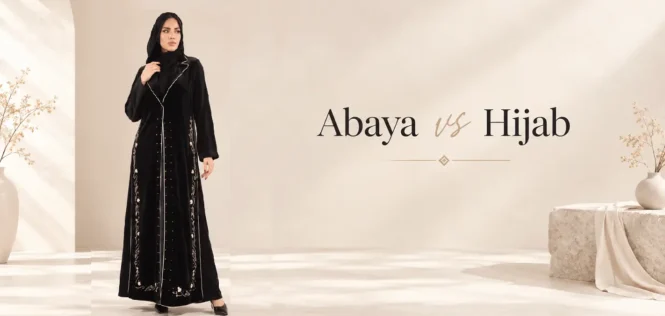
An abaya is a loose outer garment worn over clothing, while hijab can refer to the principle of modesty and, in everyday usage, a headscarf that covers the hair and neck.
The two can be worn together. For example, someone may wear an abaya over a long-sleeved outfit with a hijab covering the hair. However, an abaya is not itself a headscarf, and the word hijab does not simply mean a long robe.
Burqa vs Niqab
A niqab is a face veil that generally leaves an opening for the eyes. An Afghan burqa covers the face with a mesh panel over the eye area and extends over the body.
The terms are therefore not interchangeable when describing the garments’ construction. A niqab is primarily a face covering, while the Afghan burqa is an integrated full-body covering.
What Are Jilbab and Khimar?
A jilbab is generally a loose outer garment, although its precise form and use vary across communities. Depending on the context, it may resemble a long coat, robe, or other covering worn over everyday clothing.
A khimar is a long, cape-like covering worn over the head and upper body. It typically covers the hair, neck, shoulders, and chest, with the exact length varying by design. Neither term is simply another name for an abaya or Afghan burqa. Their shapes and coverage differ, and regional usage can influence how the garments are described.
Final Thoughts
The main difference between an abaya and an Afghan burqa lies in their construction and coverage. An abaya is a versatile outer garment worn over clothing, usually with the face visible, while the Afghan burqa is a full-body covering that includes the face and a mesh panel over the eyes.
The word burqa can also have different meanings across regions, so it is useful to consider the garment’s appearance and cultural context rather than relying on the name alone. Understanding these distinctions makes it easier to discuss modest clothing accurately and respectfully.
For those exploring contemporary modest fashion, abayas offer a wide variety of fabrics, silhouettes, and styling options, from simple everyday designs to more elaborate formal pieces. The most suitable choice depends on personal preference, comfort, occasion, and the type of coverage desired.
Frequently Asked Questions About Abayas and Burqas
Is an abaya the same as a burqa?
No. An abaya is generally a loose outer garment that leaves the face visible, while the Afghan burqa is designed to cover the body and face, with a mesh panel over the eyes.
Does a burqa cover the face?
Yes. The Afghan burqa covers the face and typically includes a mesh eye panel that allows the wearer to see through the covering.
What is the difference between a burqa and a burka?
Burqa and burka are alternative English spellings of the term commonly used for the Afghan full-body garment. The intended meaning should be understood from the regional context, since similar terms can refer to different coverings in other communities.
Can an abaya be worn without a hijab?
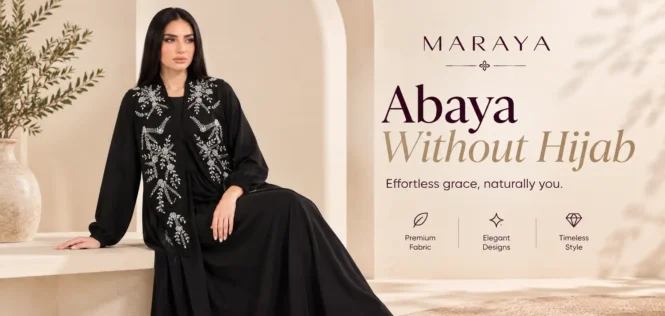
Yes, an abaya can physically be worn without a hijab, because they are separate garments. Whether that combination meets an individual’s religious or personal expectations for modest dress depends on their beliefs and preferences.
Is a niqab the same as an Afghan burqa?
No. A niqab generally covers the face while leaving the eyes exposed, whereas an Afghan burqa covers the face with a mesh panel over the eyes and extends over the body.
Are all abayas black?
No. Although black is a traditional and widely worn color, abayas are also available in beige, brown, grey, navy, pastel shades, and many other colors. Fabric, cut, and decoration also vary according to personal preference and occasion.
Can an abaya be worn for everyday activities?
Yes. Many abayas are designed for everyday use, including work, shopping, travel, and other daily activities. Lightweight fabrics and practical cuts can make them especially suitable for warm climates.
Which garment provides more face coverage: an abaya or a burqa?
The Afghan burqa provides more face coverage because it incorporates a face covering and mesh eye panel. A typical abaya leaves the face visible, although it can be worn with a separate face covering if desired.
What is a Gulf burqa’a?
In some Gulf traditions, a burqa’a refers to a traditional face mask worn over part of the face. It is different from the Afghan full-body burqa, despite the similarity in spelling.