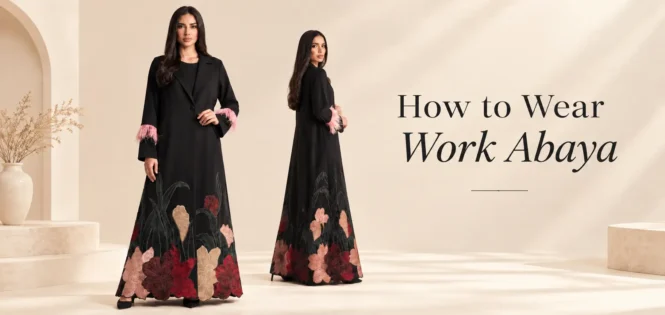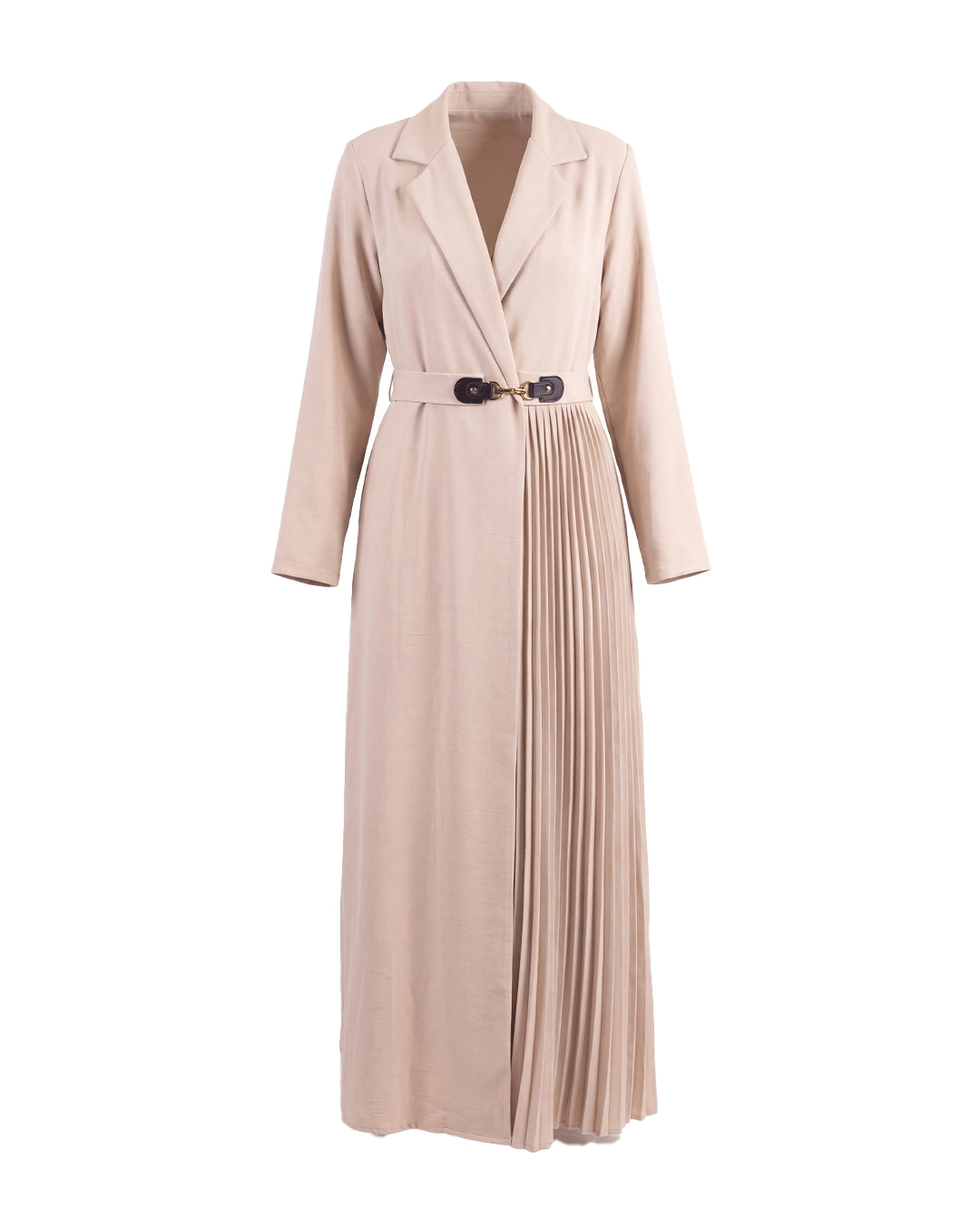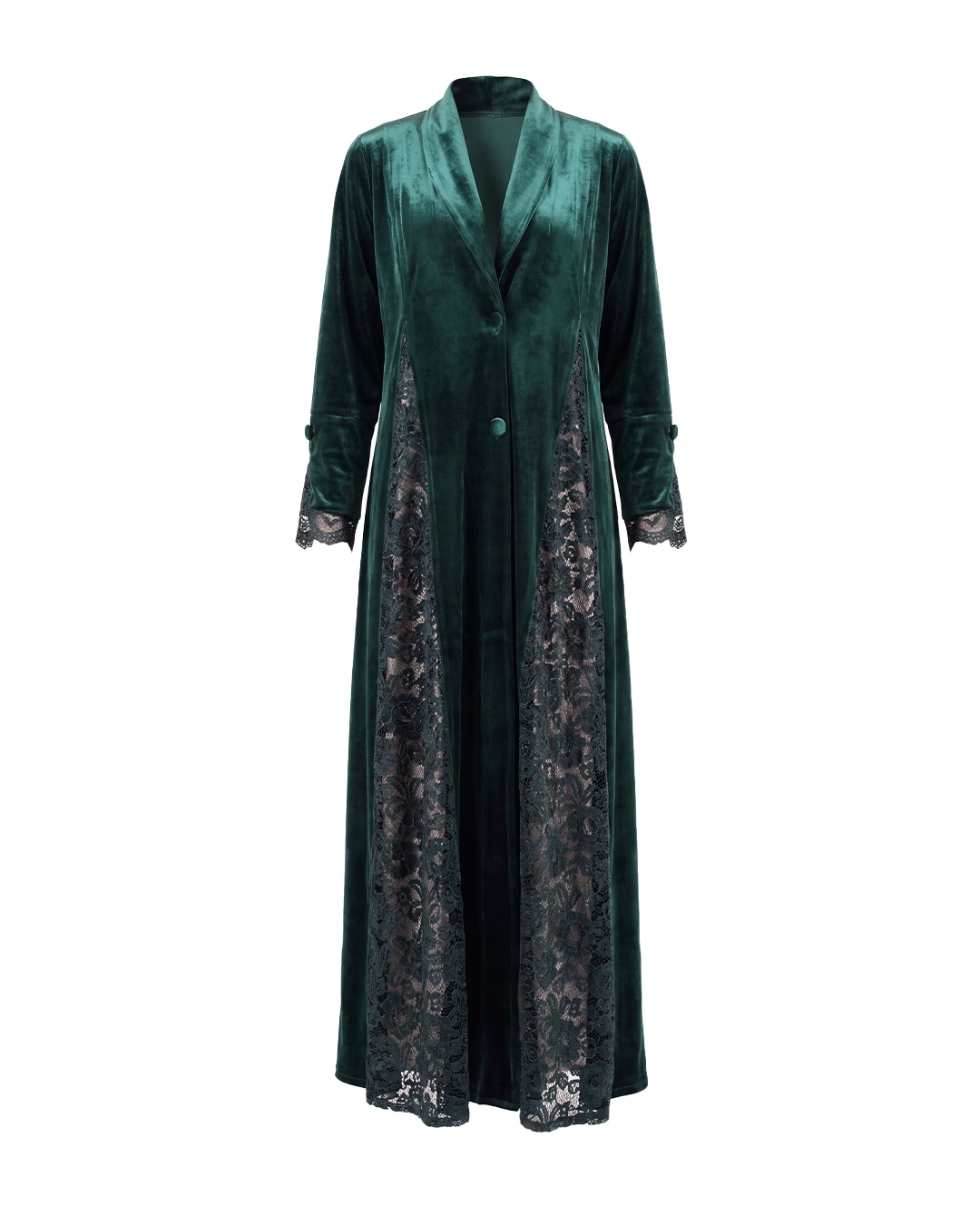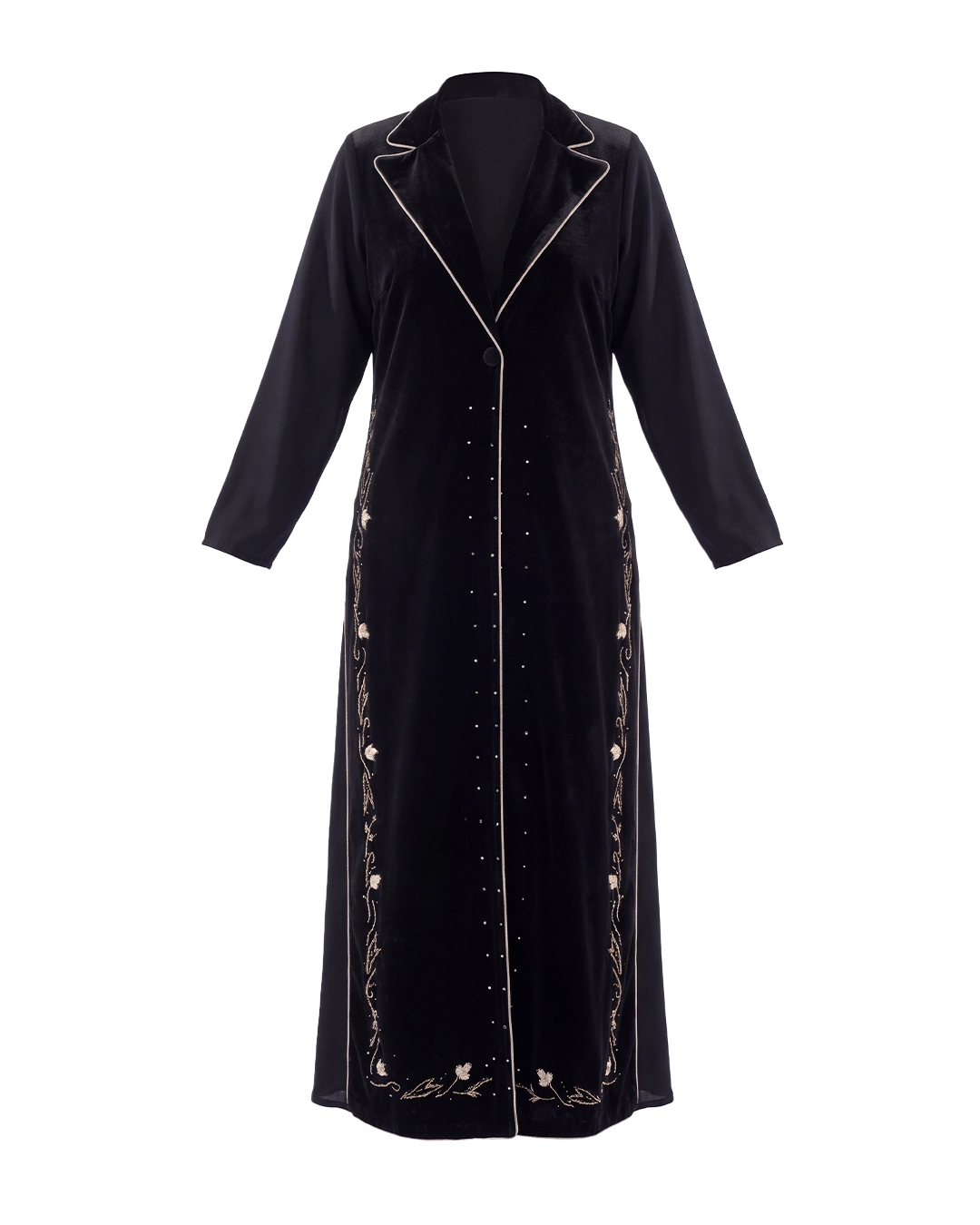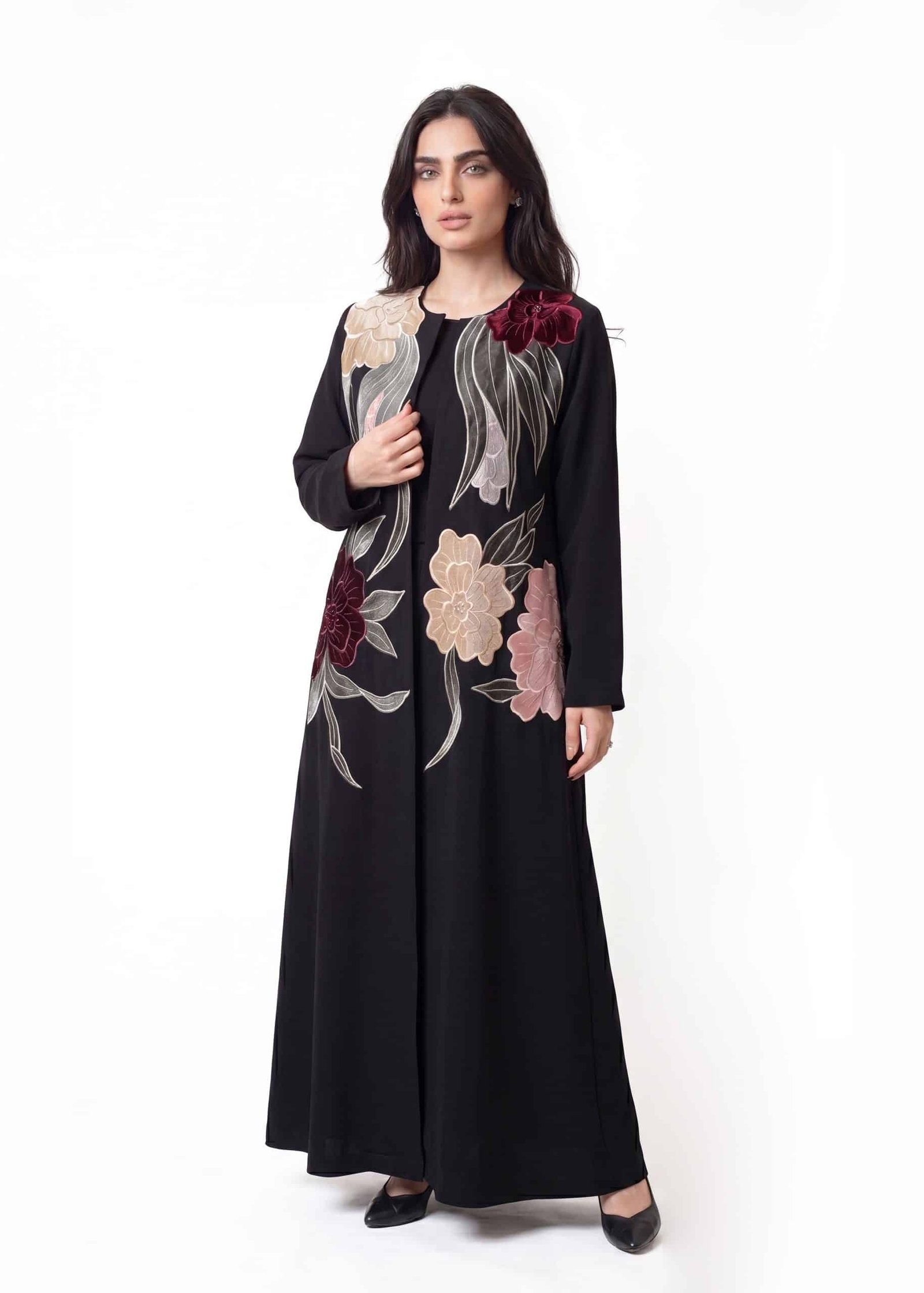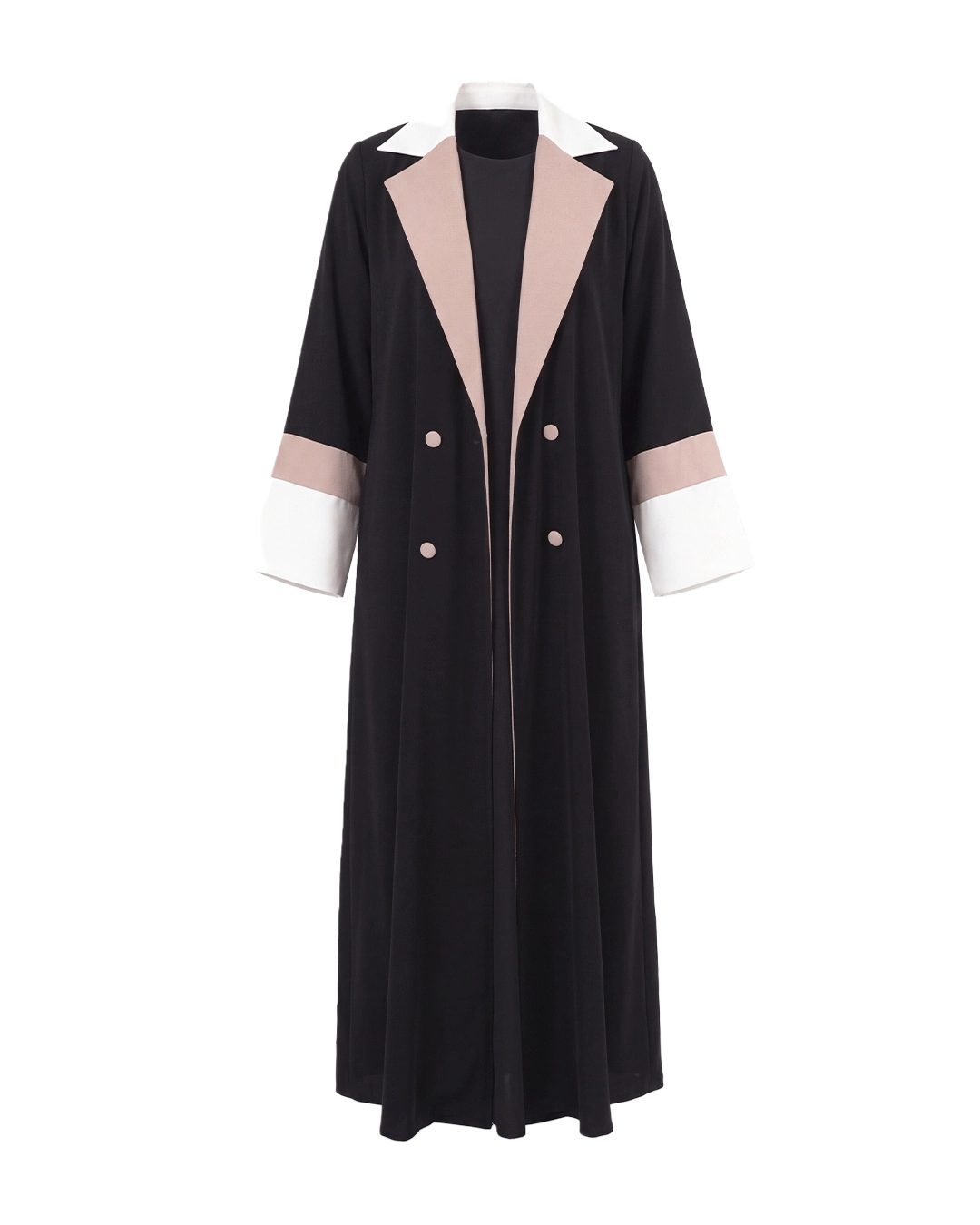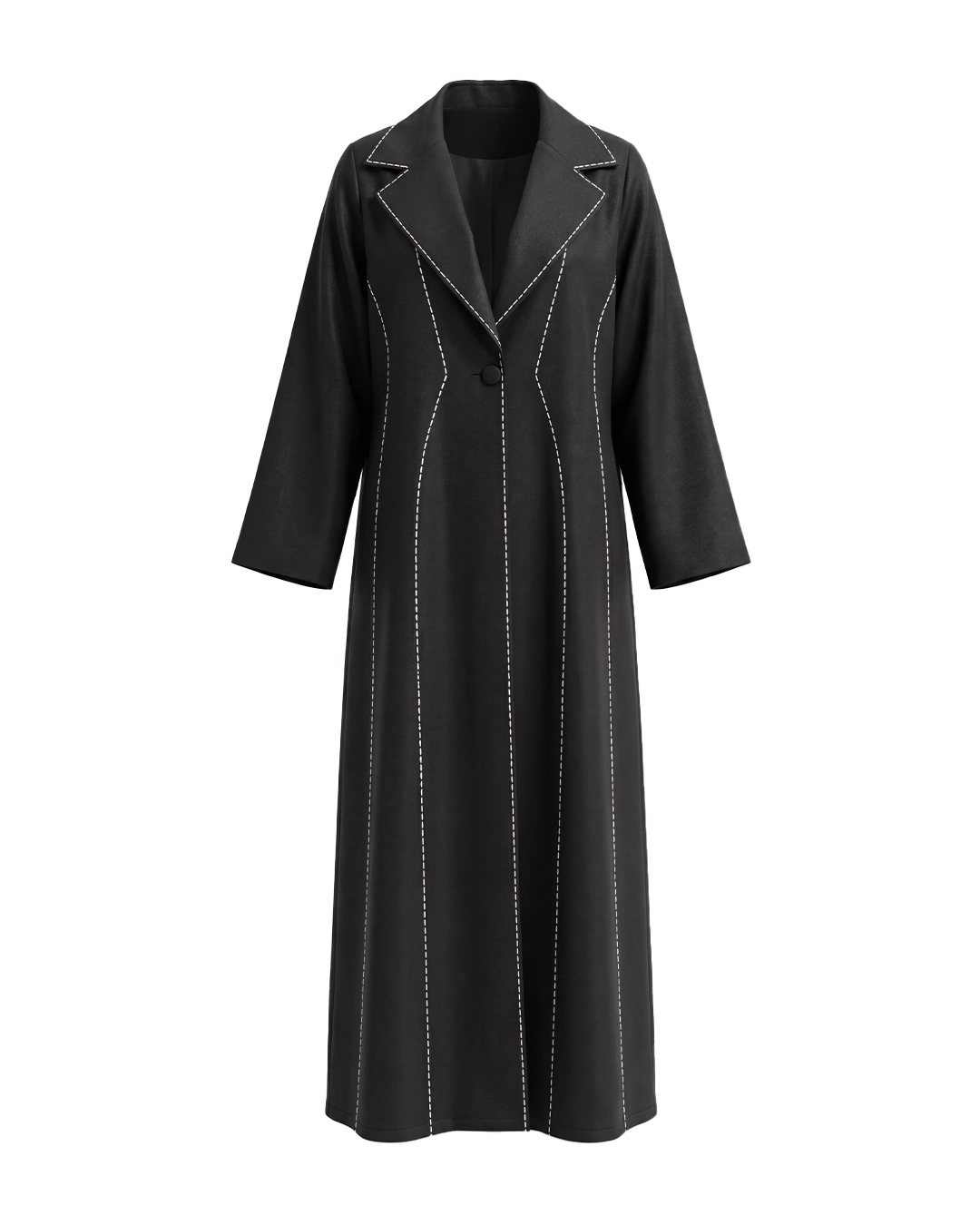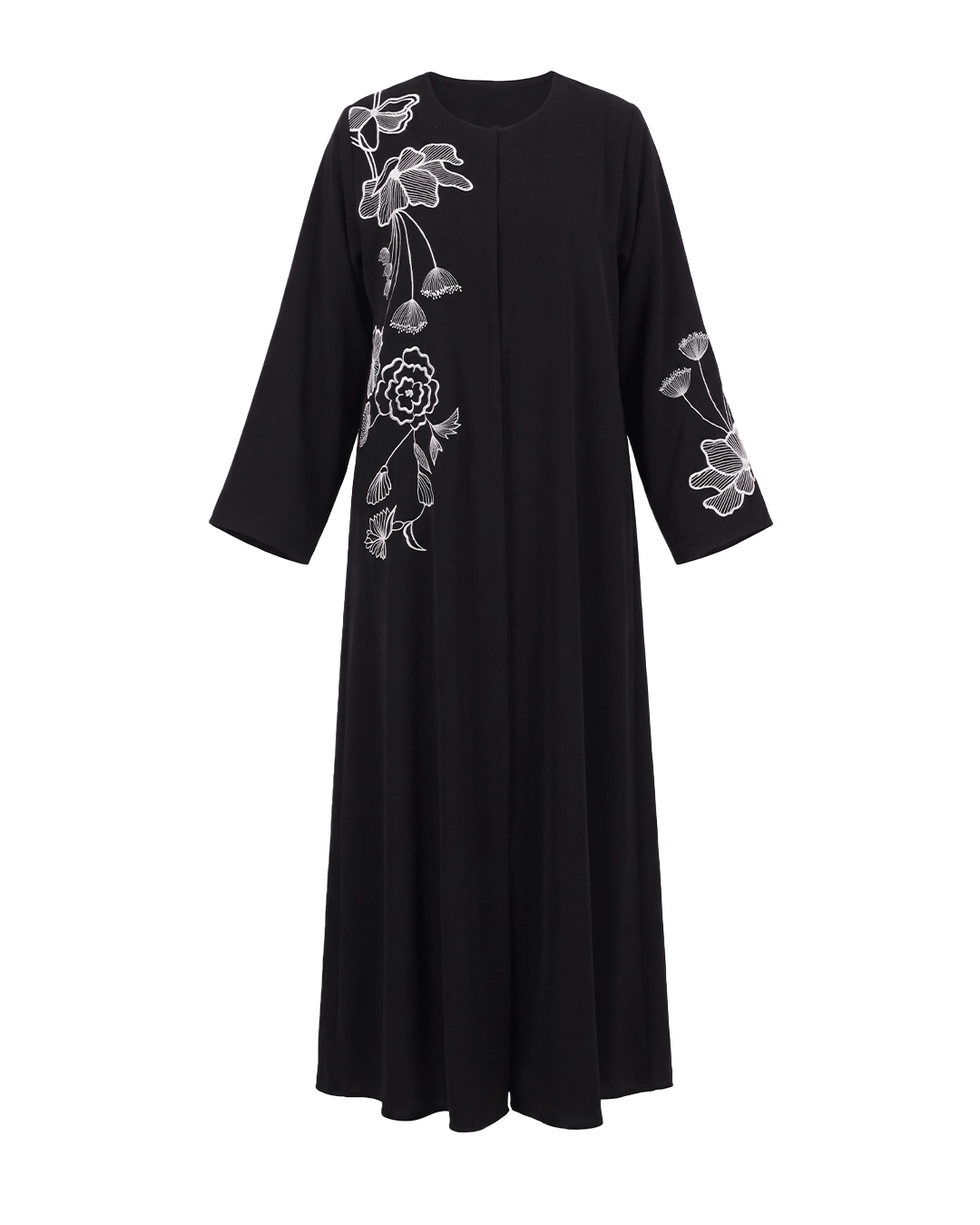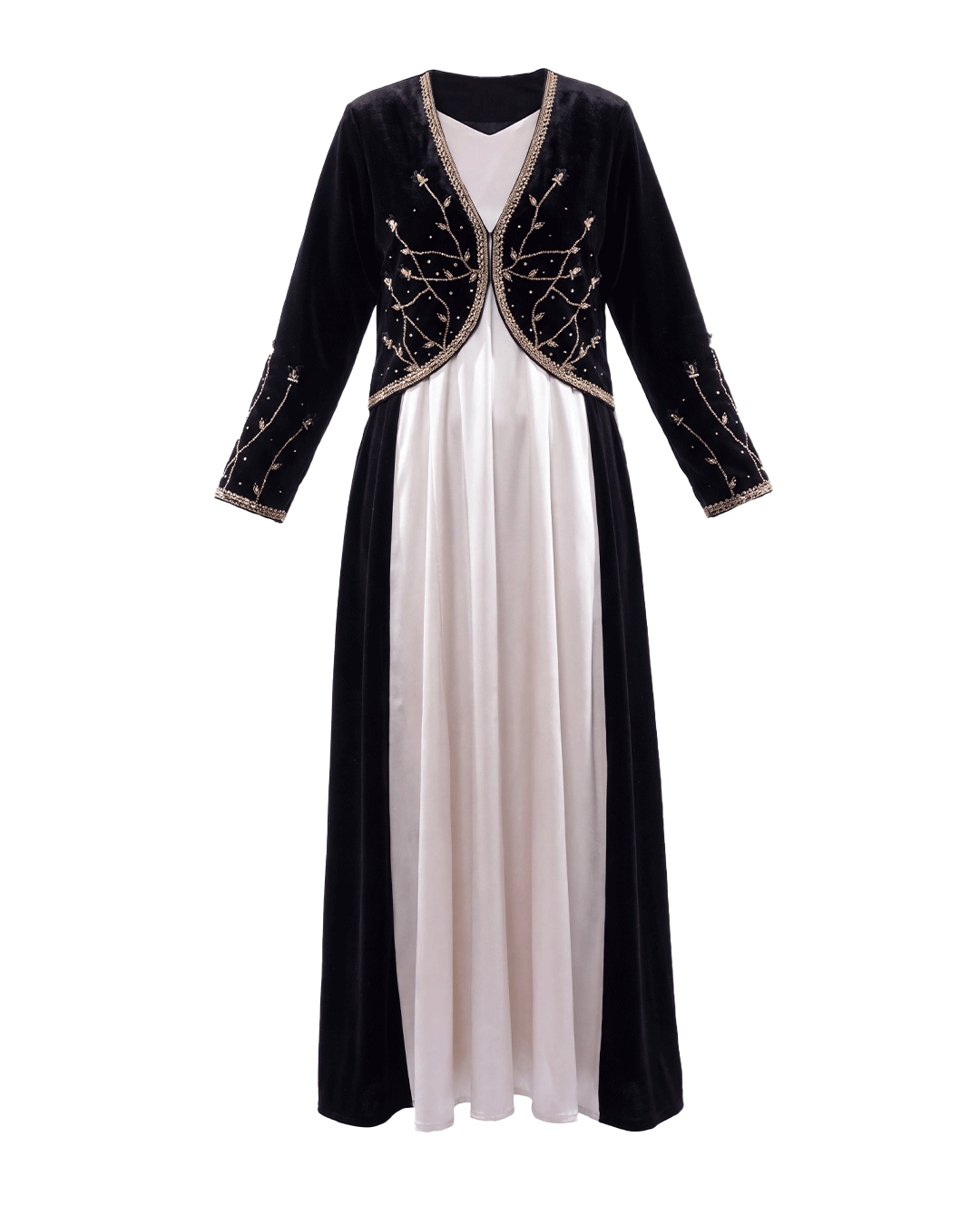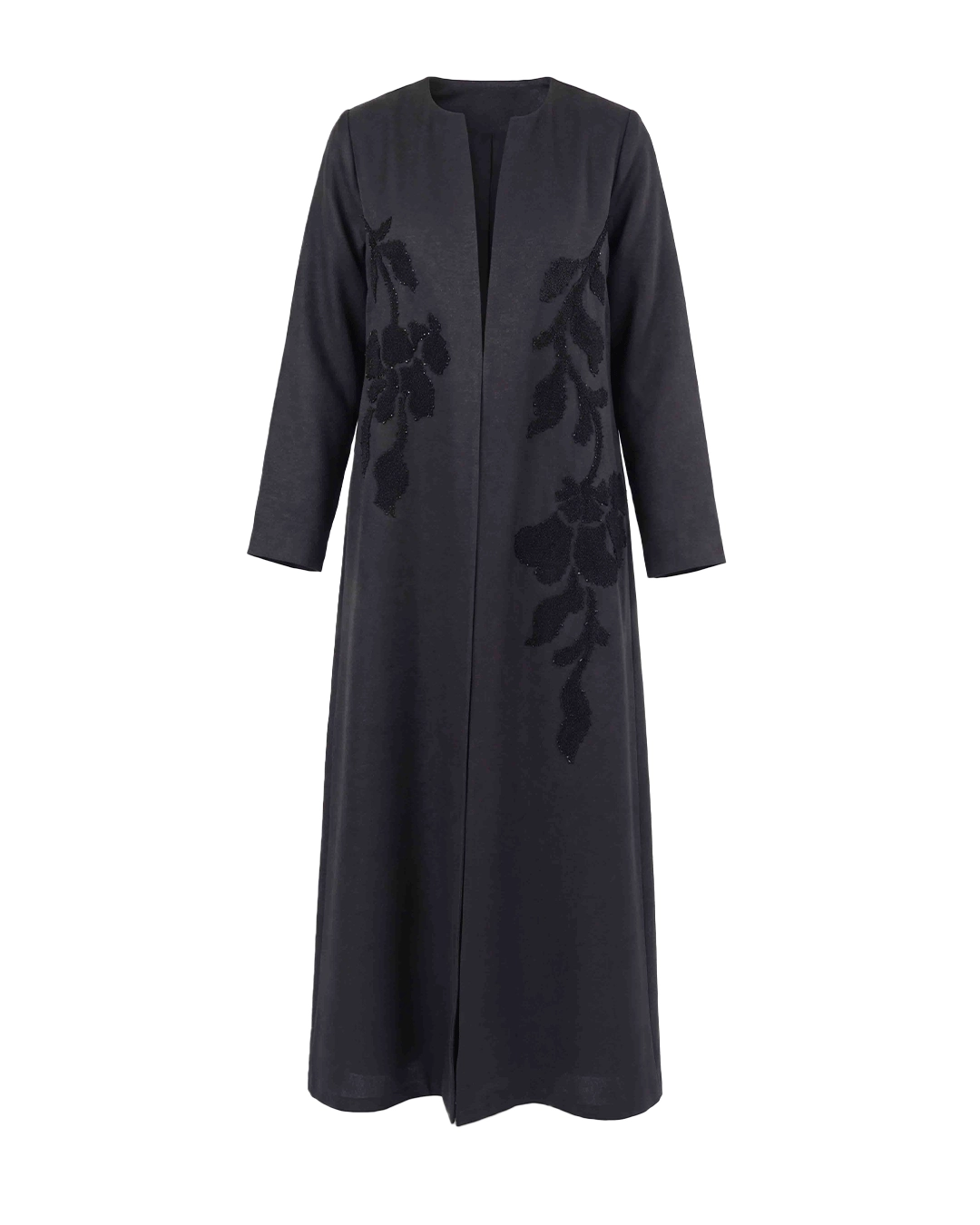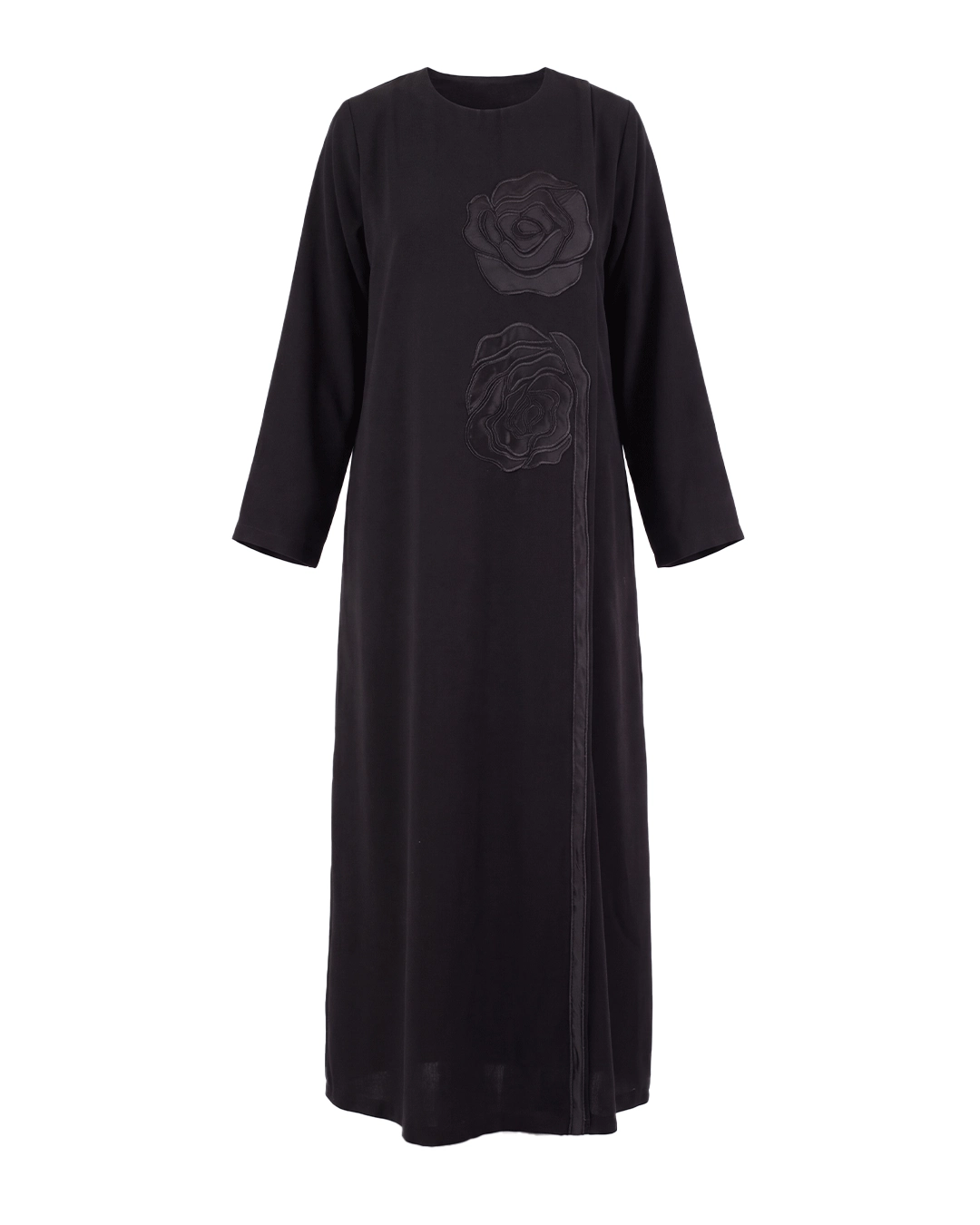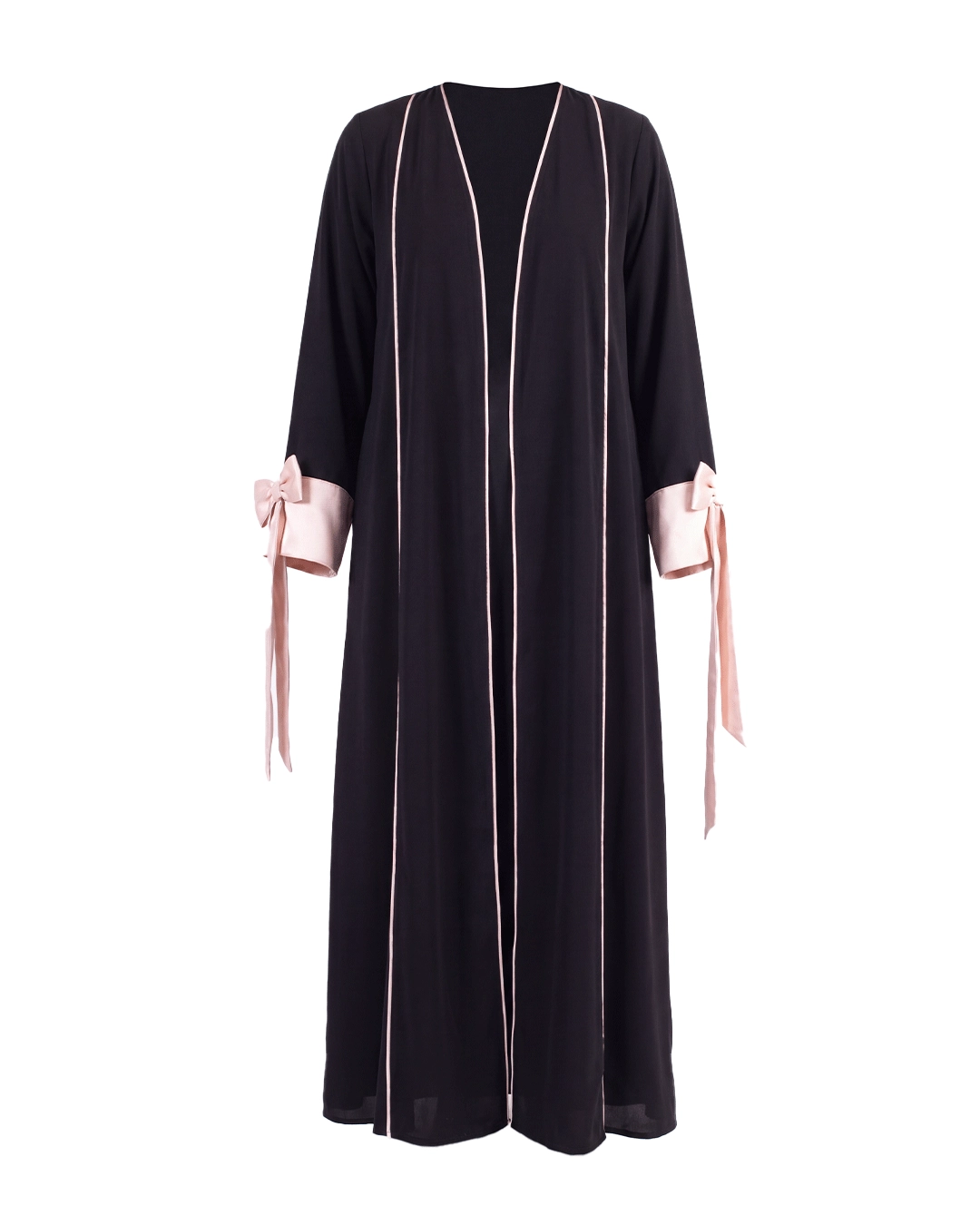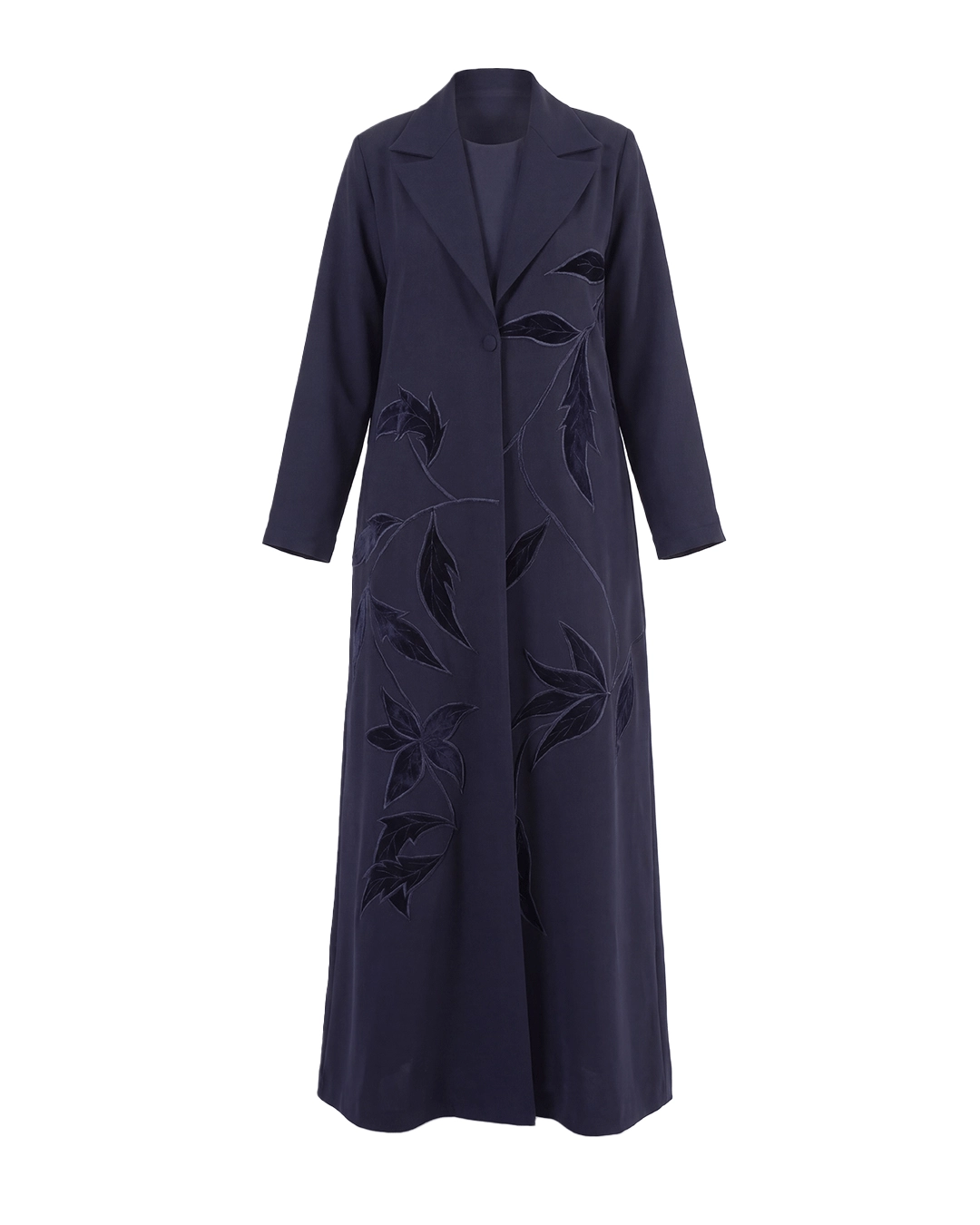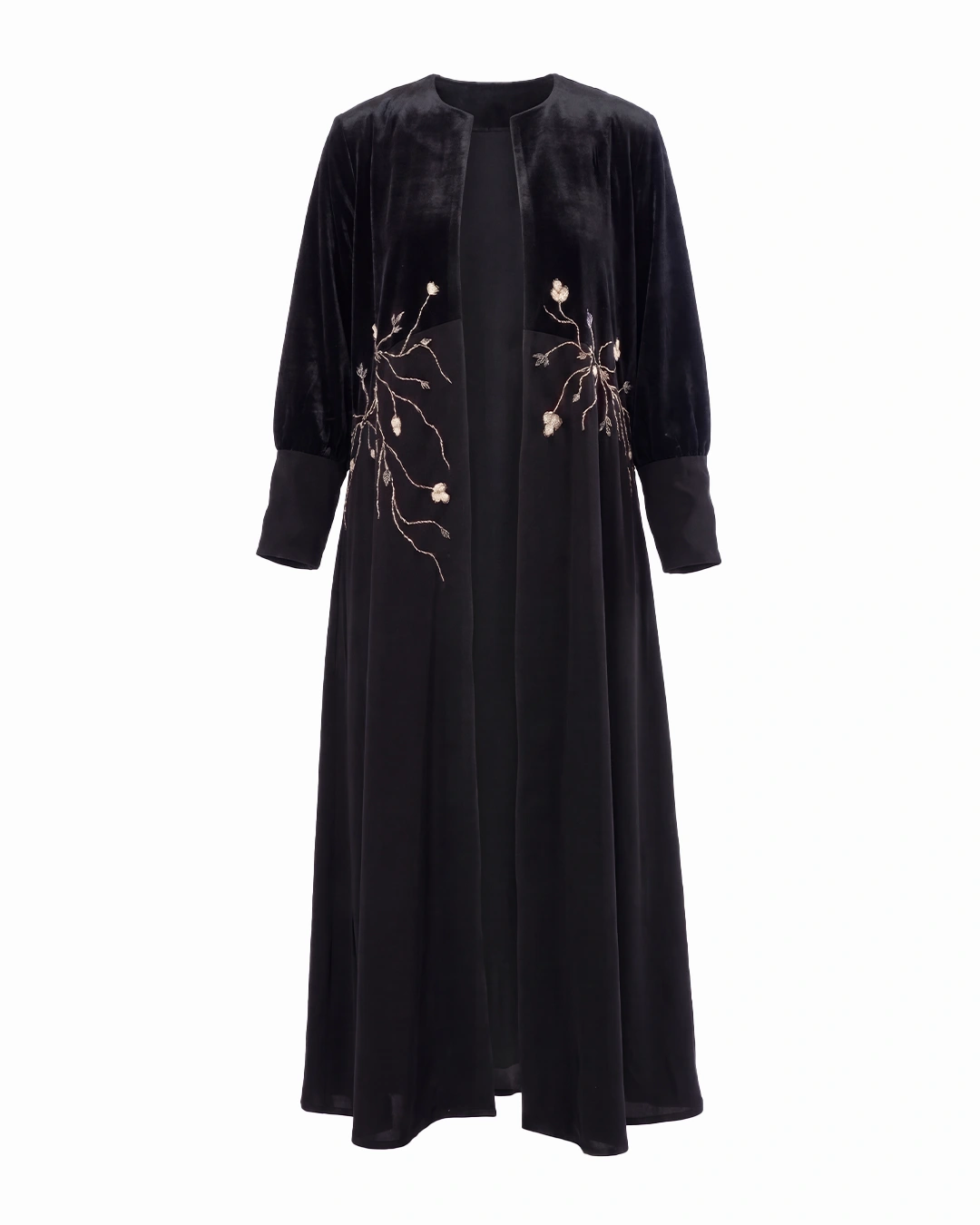
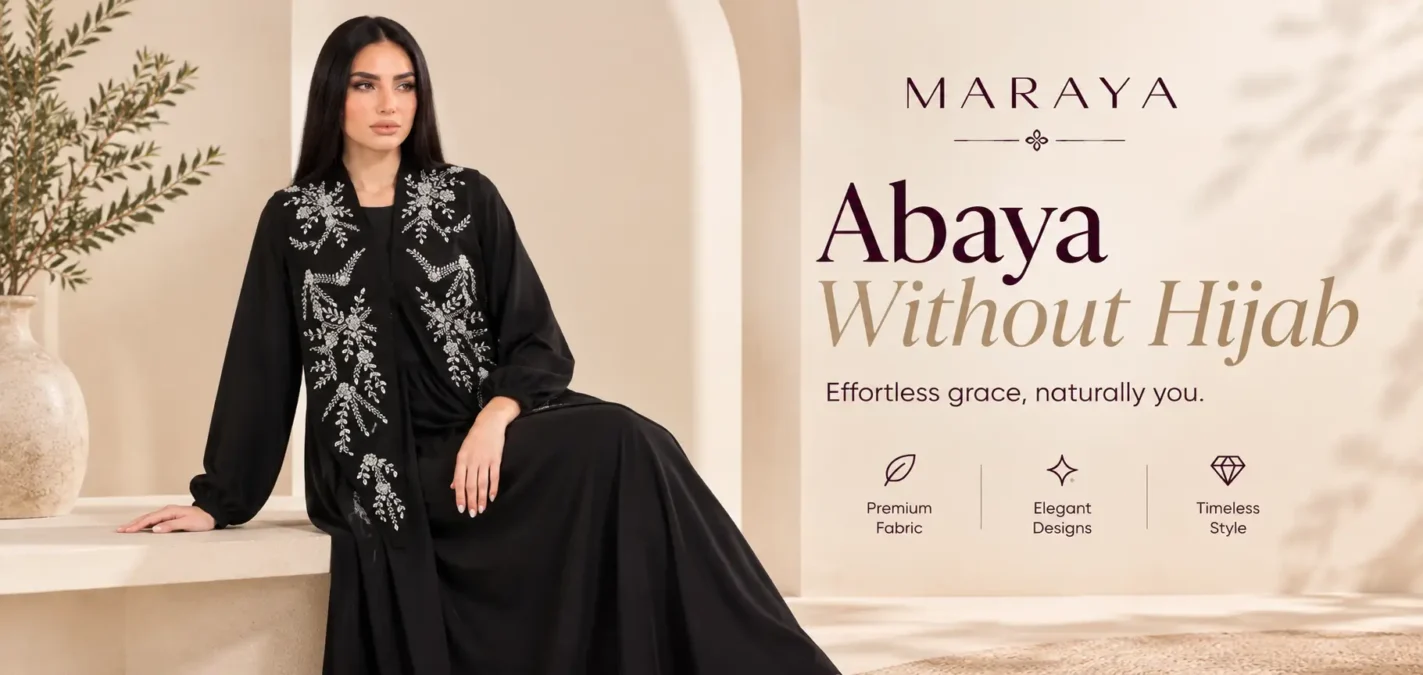
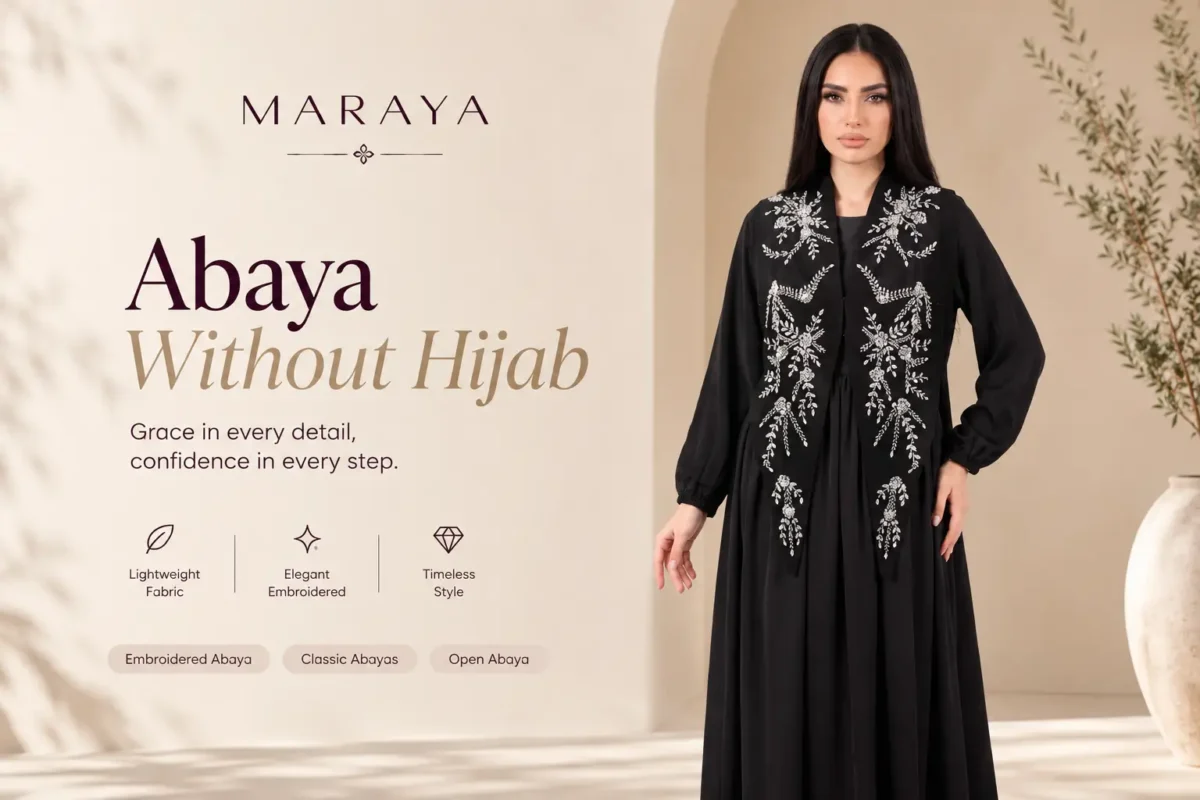
An abaya can be worn with or without a hijab, depending on the wearer’s beliefs, personal style, cultural background, and the setting. Although the abaya is traditionally associated with modest dress in many Muslim communities, wearing one does not automatically mean that a woman covers her hair or follows a particular religious practice.
For women exploring modest fashion, travelers visiting the Middle East, and anyone interested in wearing an abaya respectfully, understanding the difference between clothing traditions, religious expectations, and local dress codes is essential. The goal is to choose an outfit that feels comfortable, suits the occasion, and respects the people and customs around you.
Can You Wear an Abaya Without a Hijab?
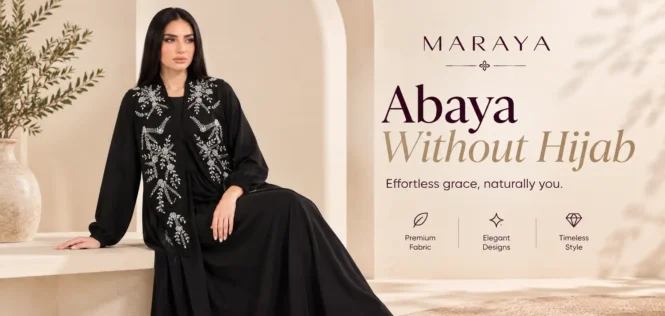
Yes, an abaya can be worn without a hijab. An abaya is a long outer garment, while a hijab is a head covering. Although the two are often worn together, they are separate items of clothing and serve different purposes in personal style and religious practice.
Some women wear an abaya with a headscarf as part of their interpretation of Islamic modesty. Others wear it as a cultural garment, a practical layering piece, or a fashion choice. Non-Muslim women and visitors may also choose an abaya because they appreciate its flowing silhouette, elegant appearance, or suitability for particular destinations.
It is important, however, to distinguish personal fashion choices from religious interpretations. Many Muslim scholars consider covering the hair in public part of the Islamic dress requirements for adult women, although interpretations and individual practices vary. Wearing an abaya without a hijab does not, by itself, establish a woman’s religious beliefs or identity.
Ultimately, the meaning of an abaya depends on the person wearing it and the context in which it is worn. Choosing one without a headscarf is a styling decision, but the most appropriate outfit may also depend on local expectations and specific dress codes.
Is It Okay to Wear an Abaya Without Hijab in Public?
In many places, wearing an abaya without a hijab is an ordinary clothing choice. However, what is considered appropriate can vary between countries, communities, religious settings, and individual circumstances. Understanding the environment before choosing an outfit can help you feel more confident and avoid unnecessary misunderstandings.
Wearing an Abaya Without Hijab in Muslim-Majority Countries
Muslim-majority countries do not all have the same dress customs or legal requirements. In some places, women commonly wear abayas with headscarves, while in others, a wider variety of clothing and styling choices can be seen in public.
Before traveling, consider the destination, the places you plan to visit, and any specific rules that apply. A shopping district, hotel, beach resort, traditional neighborhood, and religious building may each have different expectations. It is also useful to distinguish between a legal requirement and a local custom: something may be socially preferred without being legally compulsory.
A loose-fitting abaya with an opaque fabric and a suitable length can be a practical option for visiting destinations where modest clothing is appreciated. If you prefer to leave your hair uncovered, choose the outfit according to the setting rather than assuming that the same expectations apply everywhere.
Wearing an Abaya Without Hijab in Western Countries
In many Western countries, women generally have broad freedom to choose whether to wear an abaya, a hijab, both, or neither, subject to applicable local rules. An abaya can be styled as a contemporary long coat, a relaxed everyday layer, or an elegant outfit for social occasions.
The key is to choose a design that suits your personal taste and the event. A simple black abaya can work well for everyday activities, while a tailored silhouette or a more detailed design may be appropriate for a dinner or formal gathering. If you are looking for versatile outerwear, exploring an open abaya collection can help you compare different silhouettes and layering options.
There is no single way to style an abaya in a Western setting. Some women prefer a traditional appearance, while others combine the garment with contemporary accessories, trousers, or understated footwear. Both approaches can work when the outfit feels cohesive and appropriate for the occasion.

Is It Okay to Wear an Abaya Without Hijab in Dubai or at Mosques?
Dubai and other destinations in the United Arab Emirates attract visitors from many cultural and religious backgrounds. Women may wear a variety of outfits in hotels, restaurants, shopping centers, and other public spaces. Nevertheless, visitors should not assume that every location has the same dress expectations.
In Dubai, modest clothing is generally a considerate choice, particularly when visiting traditional areas or cultural attractions. An abaya can be worn without a hijab in many ordinary public settings, but specific venues may have their own requirements. Check current guidance before visiting religious sites or attending events with a formal dress code.
Visiting Mosques and Religious Sites
Mosques require greater attention to dress and conduct than many everyday public settings. Depending on the mosque, visitors may be expected to cover their arms and legs, wear loose and opaque clothing, and cover their hair before entering prayer areas. Requirements can differ, so check the rules of the particular mosque in advance.
Wearing an abaya does not necessarily mean that every dress requirement has been met. For example, a woman wearing an abaya with uncovered hair may still need to bring a headscarf to enter a mosque. Some venues provide guidance or garments for visitors, but it is best not to rely on this being available.
If you are visiting a mosque as a tourist, treat its dress code as part of respecting a place of worship rather than as a general rule for every public space. Following the venue’s instructions helps ensure that your visit is comfortable and considerate.
How to Wear an Abaya Respectfully and Appropriately
Wearing an abaya respectfully does not mean that every woman must style it in the same way. It means understanding the context, choosing clothing that suits the setting, and avoiding assumptions about what the garment says about someone’s identity or beliefs.
Start with the occasion. A casual outing may call for a lightweight, simple abaya, while a formal event may suit a more structured design or carefully chosen embellishments. For daily use, practical silhouettes and easy-care fabrics can make the garment more versatile. You can compare options in an everyday abaya collection when looking for designs suitable for regular wear.
Consider the fabric and coverage. Lightweight materials can be comfortable in warm weather, but transparency and fit matter. If the abaya is open at the front, the clothing underneath should provide the coverage you want. Opaque fabrics, appropriate layering, and a comfortable fit can help create an outfit that feels polished without being restrictive.
Choose accessories with intention. A structured handbag, understated jewelry, simple flats, or elegant sandals can complement an abaya without competing with its shape. If the garment already features embroidery or decorative details, keeping the remaining accessories relatively simple can create a balanced appearance.
Respect local expectations. In everyday public settings, personal styling may be flexible. At religious venues or formal cultural events, more specific requirements may apply. Checking those expectations beforehand is more reliable than assuming that one outfit will be suitable for every occasion.
Wear the garment confidently without making assumptions about others. Some women wear an abaya as an expression of faith, while others appreciate its cultural heritage, comfort, or design. A respectful approach recognizes this variety and avoids judging another person’s beliefs based on what she wears.
What to Wear Under an Abaya If You’re Not Wearing Hijab
When wearing an abaya without a headscarf, the clothing underneath helps define the overall look. The best option depends on whether the abaya is open or closed, how transparent the fabric is, the weather, and the level of coverage you prefer.
An inner dress creates a streamlined outfit beneath an open abaya and reduces the need to coordinate separate pieces. A two-piece set offers flexibility, while wide-leg trousers and a long top create a contemporary silhouette. Leggings with a tunic can work for casual settings, provided the overall outfit offers the coverage and comfort you want.
For special occasions, a more decorative outer layer can add interest without requiring complicated styling underneath. An embroidered abaya collection is worth exploring if you prefer designs with detailed finishes for celebrations, dinners, or formal gatherings.
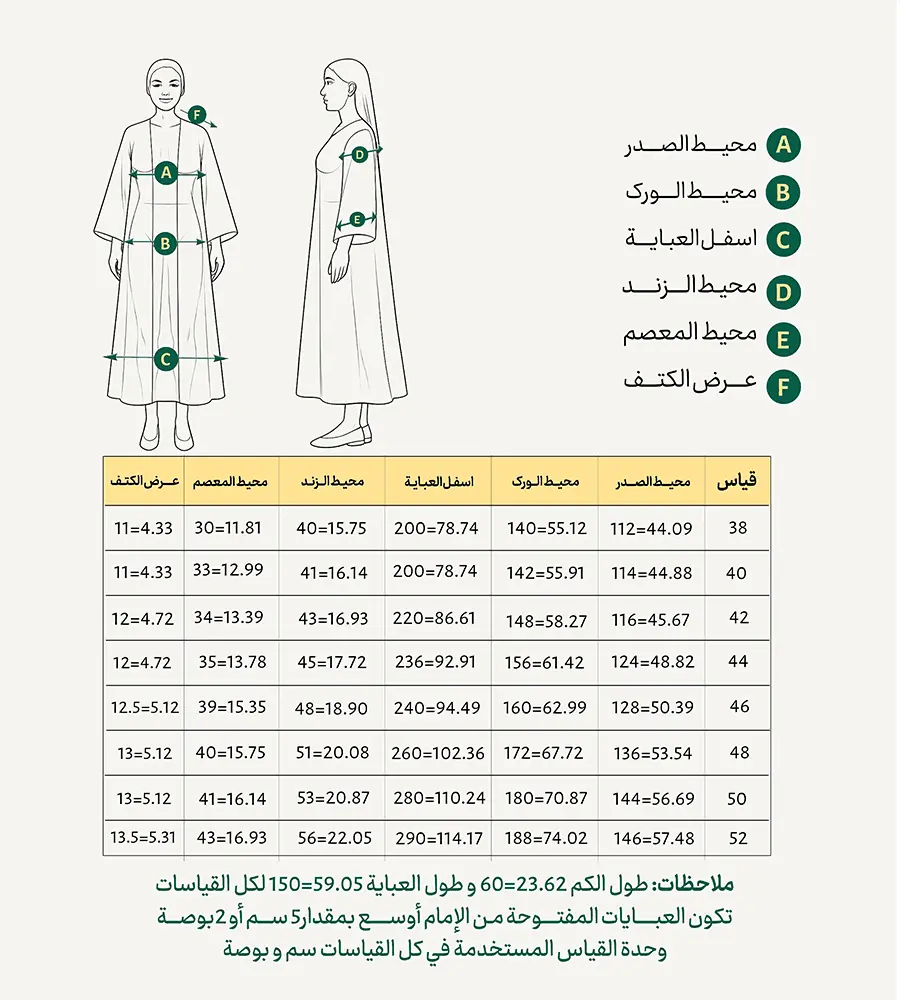
Comparing the Best Outfit Options to Wear Under an Abaya
Choosing Fabrics for Different Seasons
In warm climates, breathable fabrics such as lightweight crepe or suitable cotton blends can make an abaya more comfortable. For summer travel, look for materials that allow movement and avoid excessive layering when it is not needed. The fabric should also be sufficiently opaque for the way you intend to wear the garment.
For cooler weather, a more substantial abaya can be layered over a long-sleeved top, dress, or trousers. If you plan to spend time in air-conditioned spaces, a light additional layer may be useful even when outdoor temperatures are high.
Color and texture can also affect the overall look. Neutral shades are easy to coordinate, while a contrasting inner outfit can add dimension to an open abaya. The most effective combination is one that balances comfort, coverage, and personal style.
Final Thoughts: Wearing an Abaya Without Hijab With Confidence
An abaya can be worn without a hijab as part of a personal wardrobe, a modest-fashion outfit, or a practical choice while traveling. The most suitable way to wear it depends on your preferences, the occasion, and the expectations of the place you are visiting.
Focus on fit, fabric, comfort, and appropriate coverage rather than following a single styling formula. If you are visiting a country or religious venue with specific dress expectations, check the guidance in advance. Outside those settings, you can explore different silhouettes, colors, and layering combinations while remaining considerate of the garment’s cultural significance.
For more inspiration on modest clothing, outfit coordination, and contemporary abaya styling, explore the Maraya fashion magazine. Understanding the choices available makes it easier to find an abaya that suits your style and the context in which you plan to wear it.
Frequently Asked Questions About Abaya Without Hijab
Is It Okay to Wear an Abaya Without Hijab as a Muslim Woman?
The answer depends on the religious interpretation and personal practice being followed. Many Islamic scholars consider covering the hair in public an obligation for adult Muslim women, although individual beliefs and practices vary. An abaya itself is a separate garment, so wearing one without a hijab does not automatically indicate a particular religious position.
Can Non-Muslims Wear an Abaya?
Yes. Non-Muslim women can wear an abaya as clothing, provided they consider the cultural context and any relevant dress requirements. In some settings, an abaya may be a practical way to dress modestly, while in others it may simply be a personal style choice. When visiting a religious or culturally significant location, follow the venue’s guidance.
Will People Assume I’m Muslim if I Wear an Abaya Without Hijab?
Some people may associate an abaya with Islam or with particular cultural traditions, but an outfit alone cannot reliably identify someone’s religion. Abayas are worn for different reasons, including personal style, comfort, cultural connection, and modest fashion. You do not need to make assumptions about others—or accept assumptions about yourself—based solely on clothing.
Can I Wear an Abaya Without Hijab to Work?
In many workplaces, an abaya can be suitable professional clothing. Choose a design that aligns with the workplace dress code, provides the coverage you prefer, and allows you to move comfortably throughout the day. Neutral colors, simple tailoring, and understated accessories can create a polished appearance.
Is Wearing an Abaya Without Hijab Cultural Appropriation?
Wearing an abaya is not automatically cultural appropriation. Context, intention, and respect matter. The abaya has cultural and religious significance for many women, but it is also a garment with a range of contemporary uses. Learning about its significance, avoiding mocking or stereotypical portrayals, and respecting local dress expectations are sensible ways to approach it thoughtfully.
Is It Okay to Wear an Abaya Without Hijab in Dubai Malls?
In many ordinary shopping and public settings in Dubai, women can wear an abaya without a hijab. However, requirements can vary by venue or event, and rules for religious sites may be different. Check the latest guidance for any specific location you plan to visit.
What Should Women Wear When Visiting a Mosque?
Requirements differ between mosques, but visitors are often expected to wear loose clothing that covers their arms and legs and to cover their hair before entering designated areas. An abaya may be appropriate, but it may not meet every requirement if the head remains uncovered. Check the mosque’s visitor guidance before arriving.