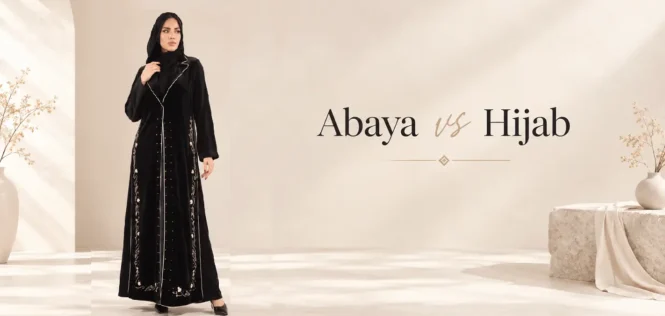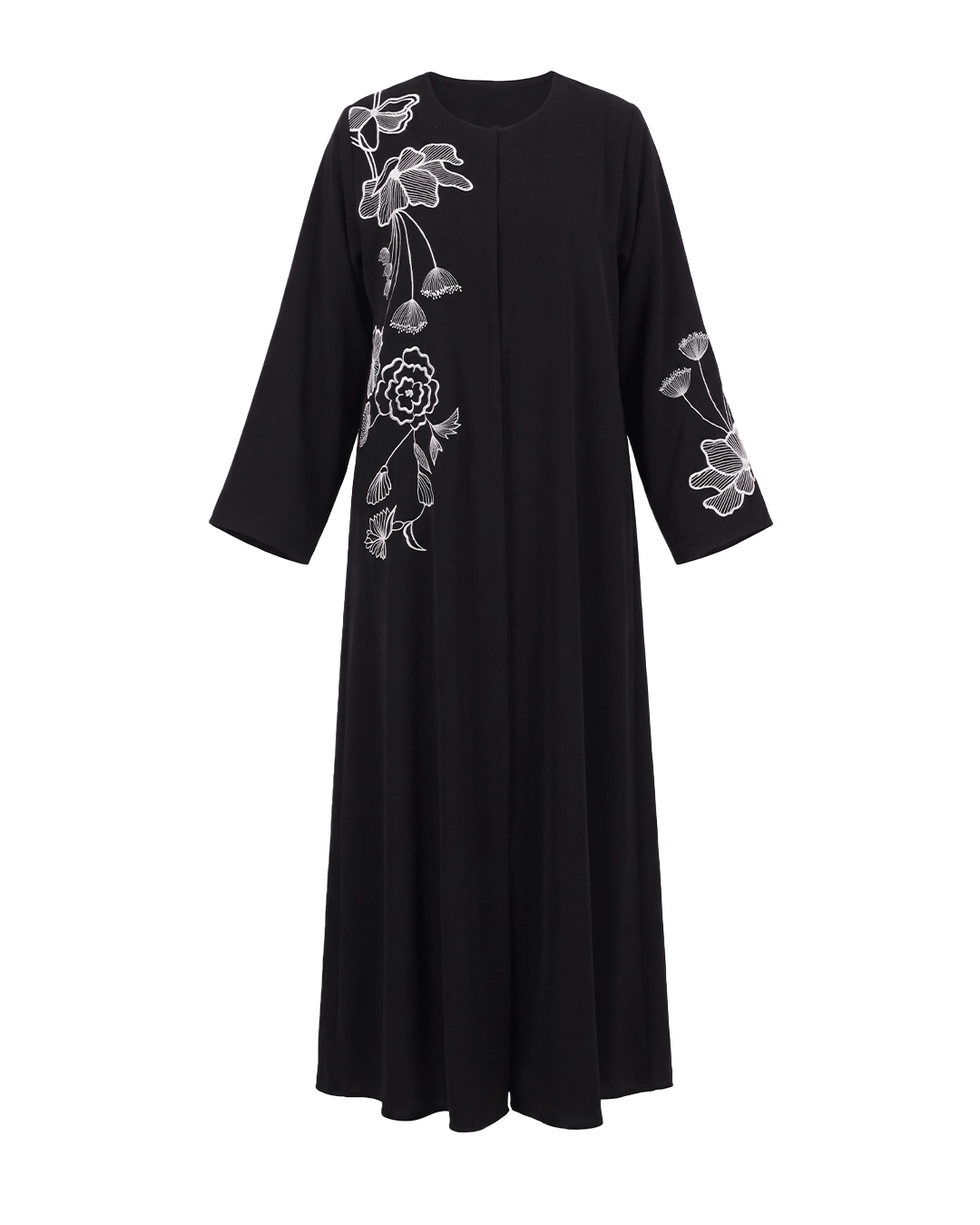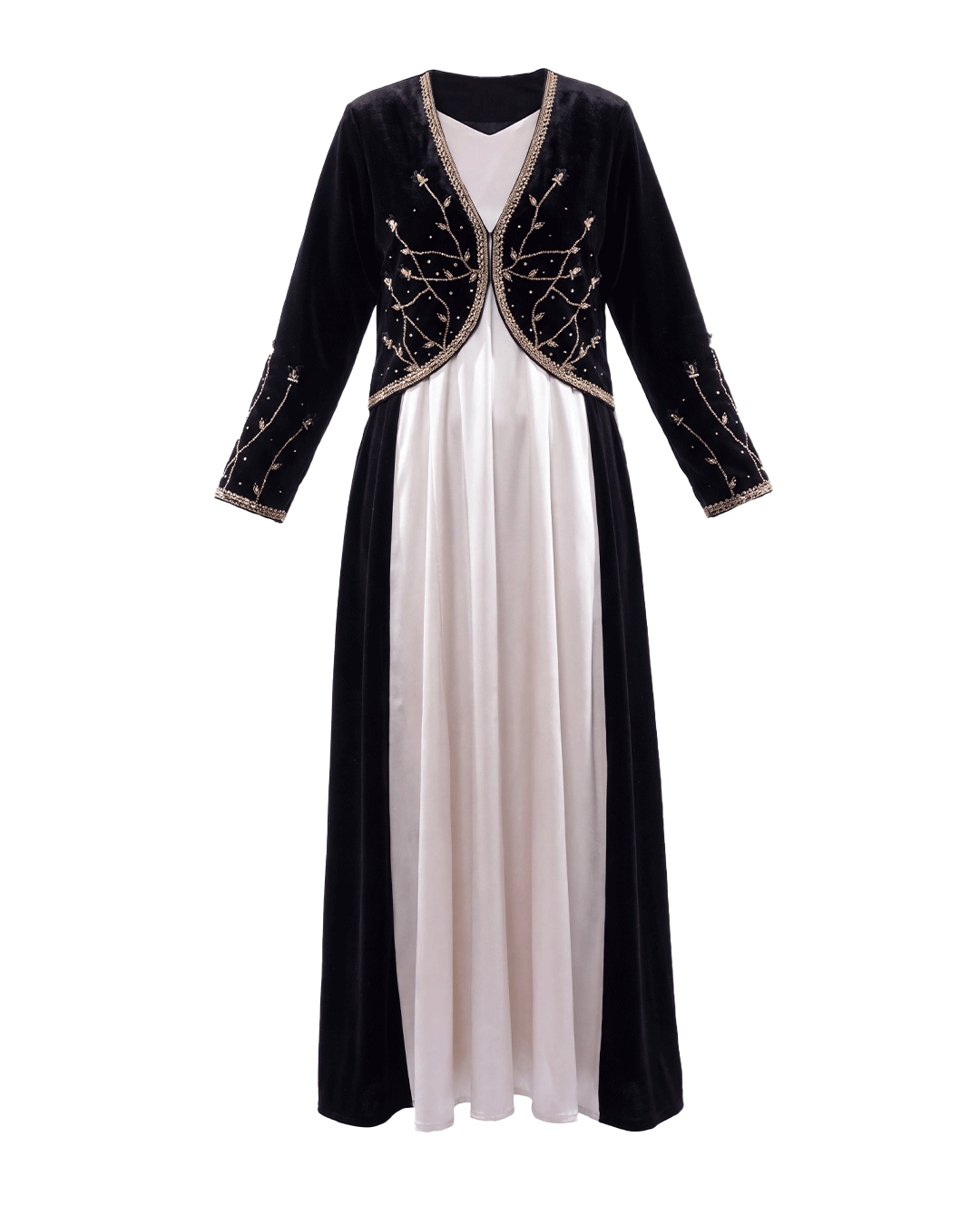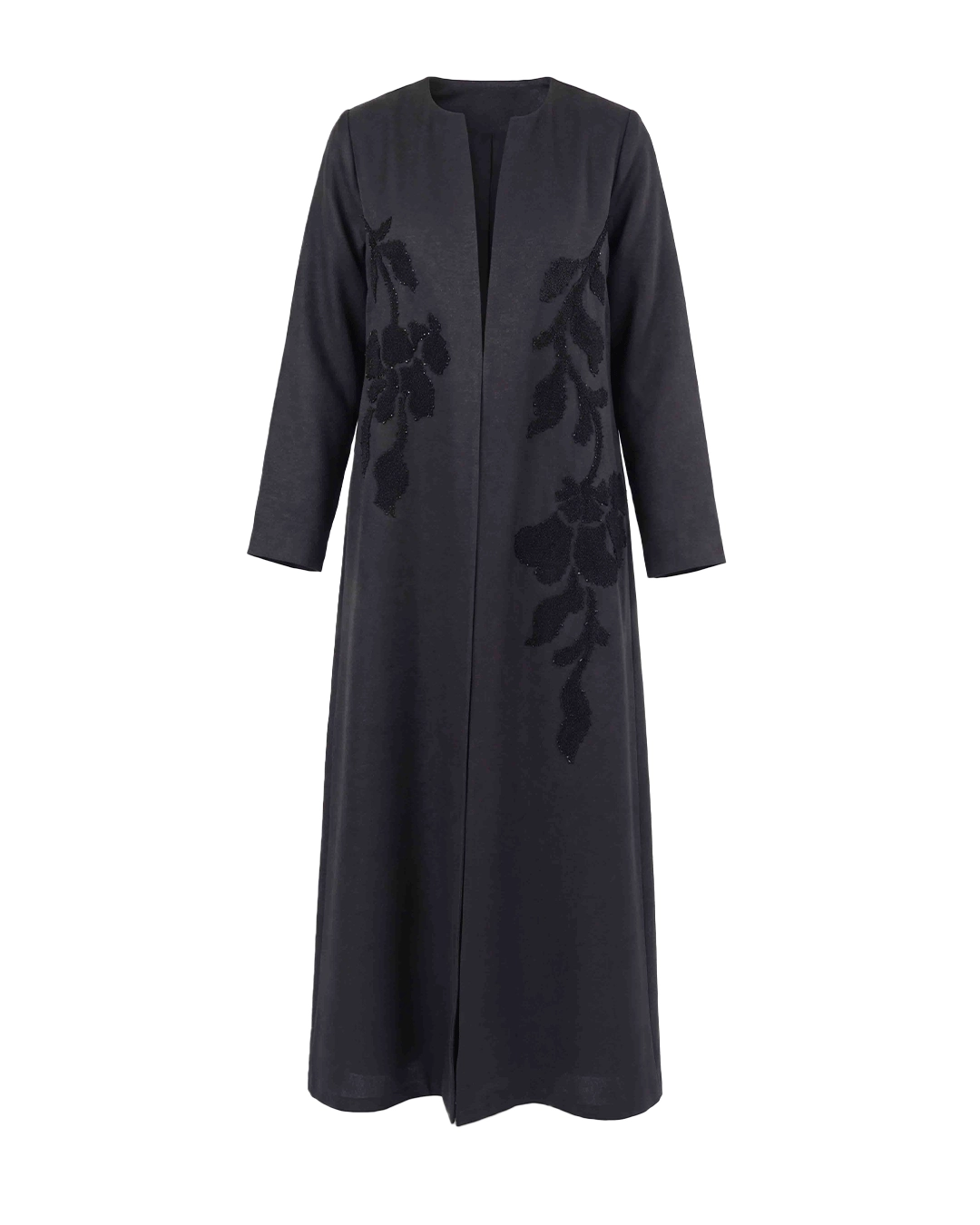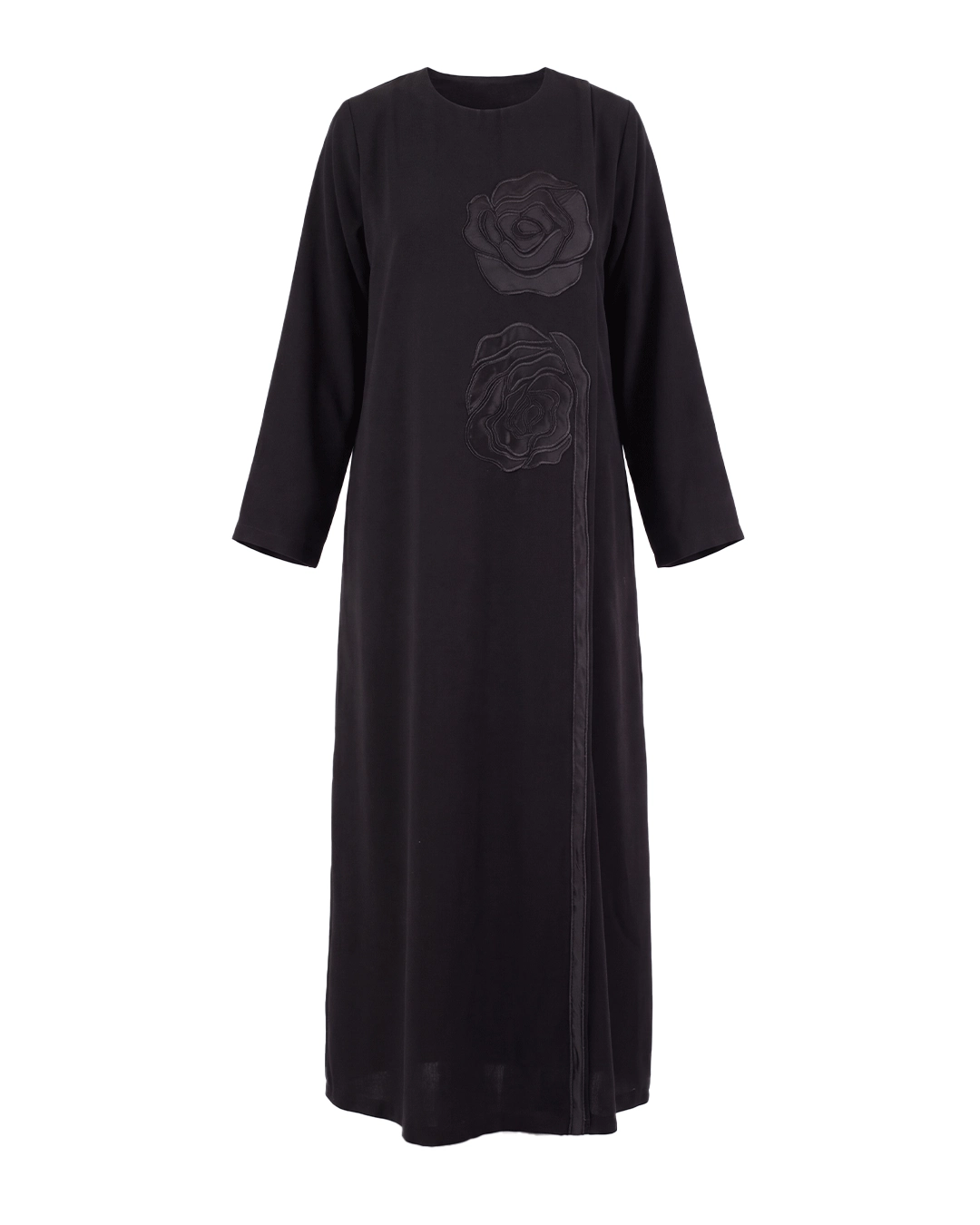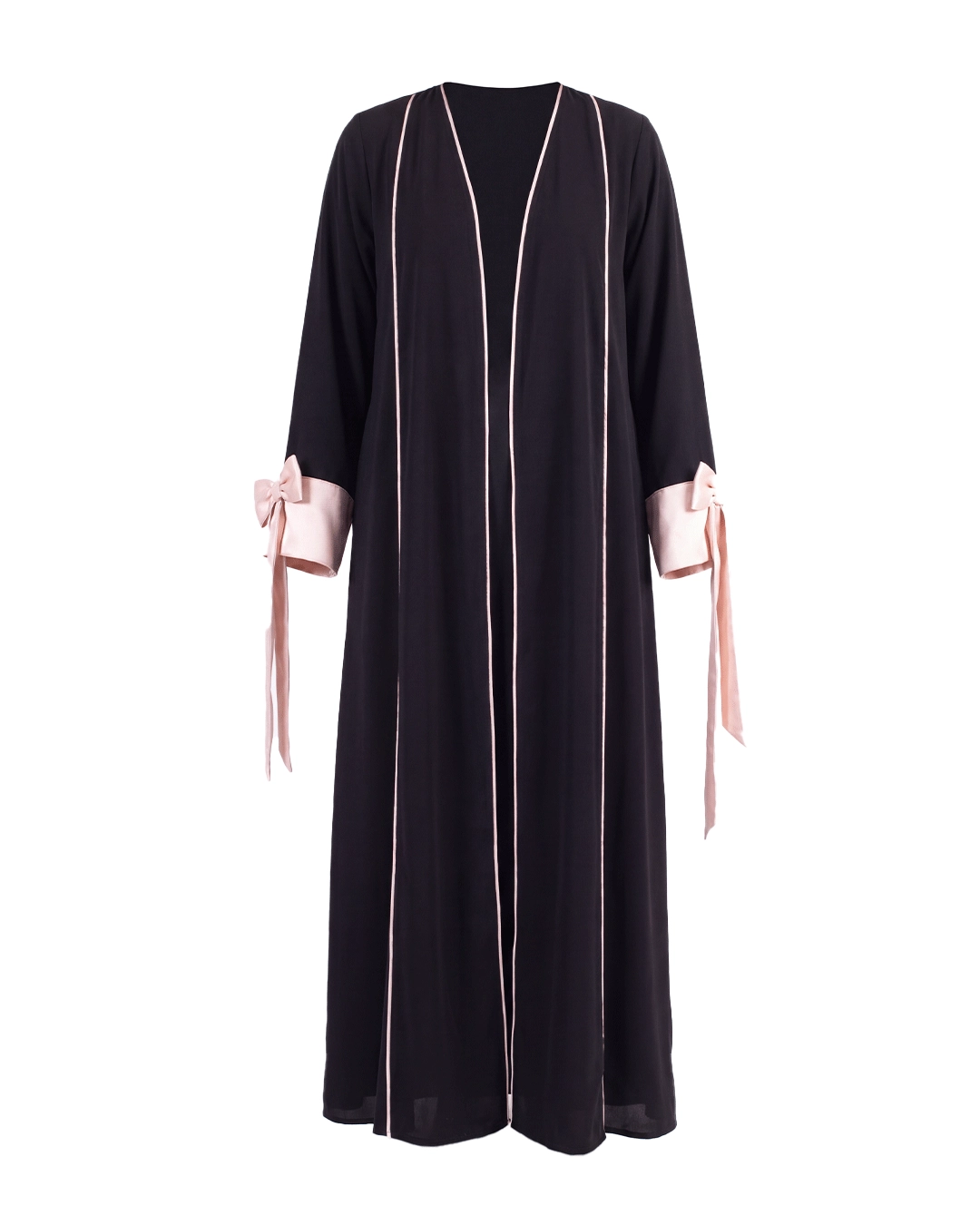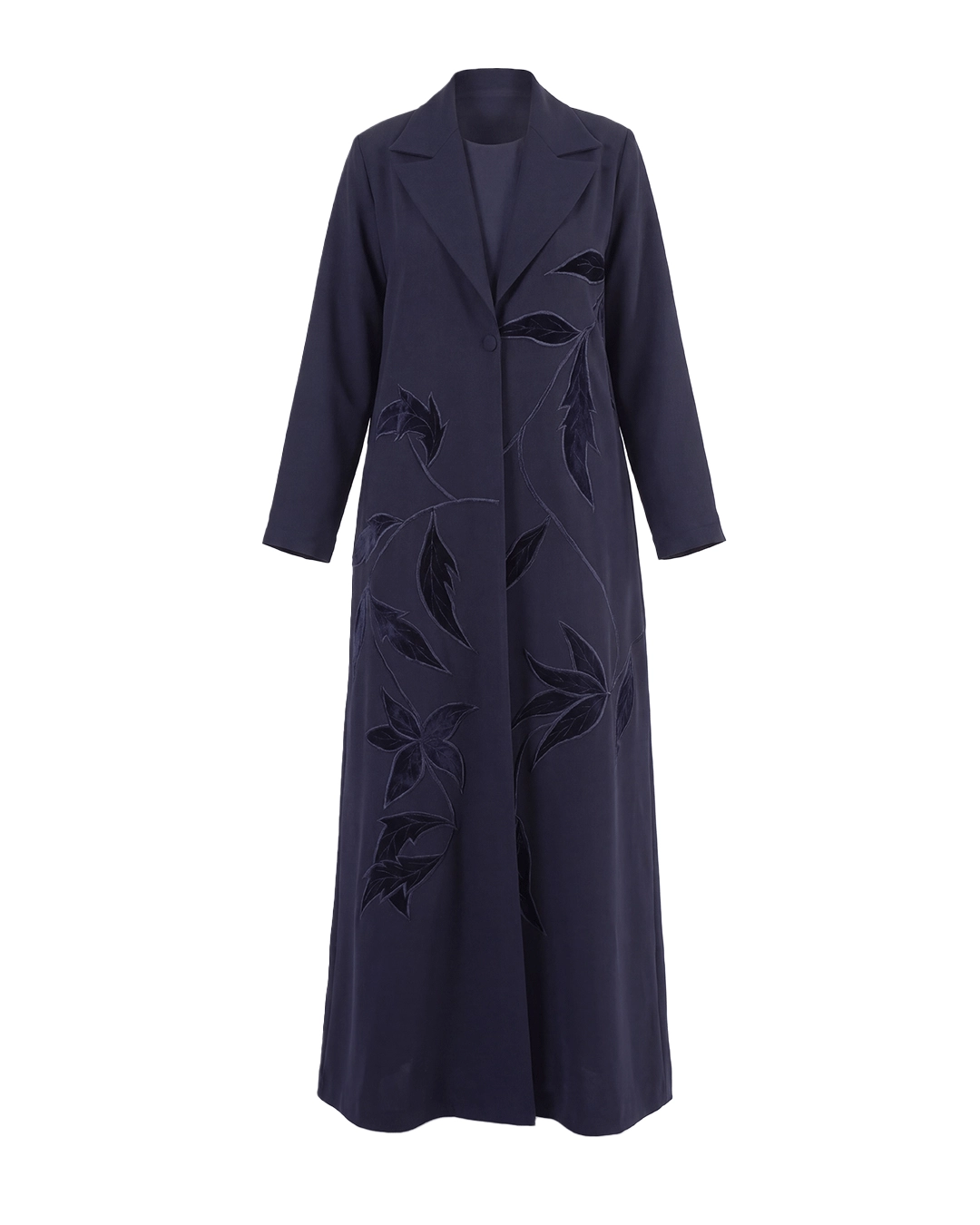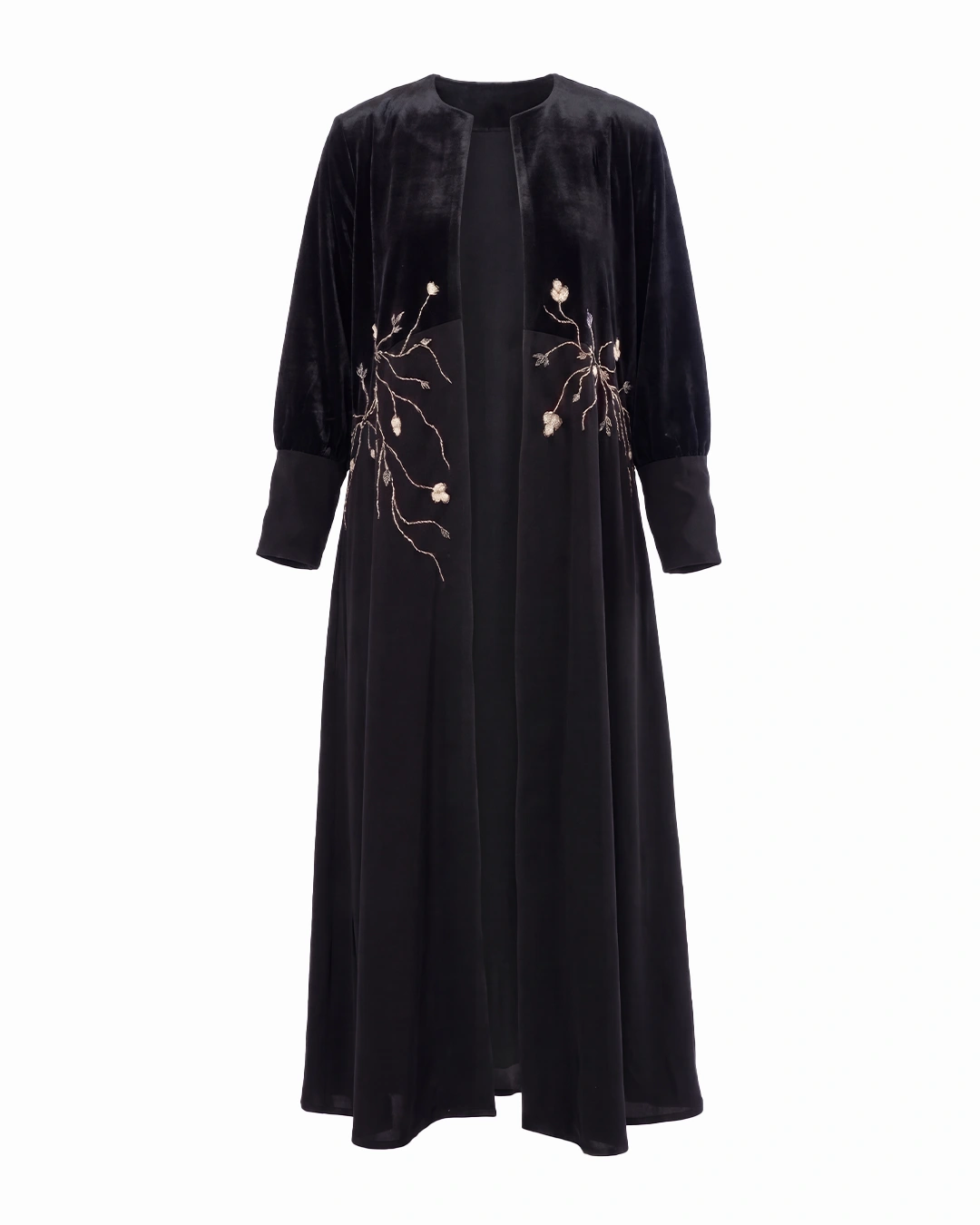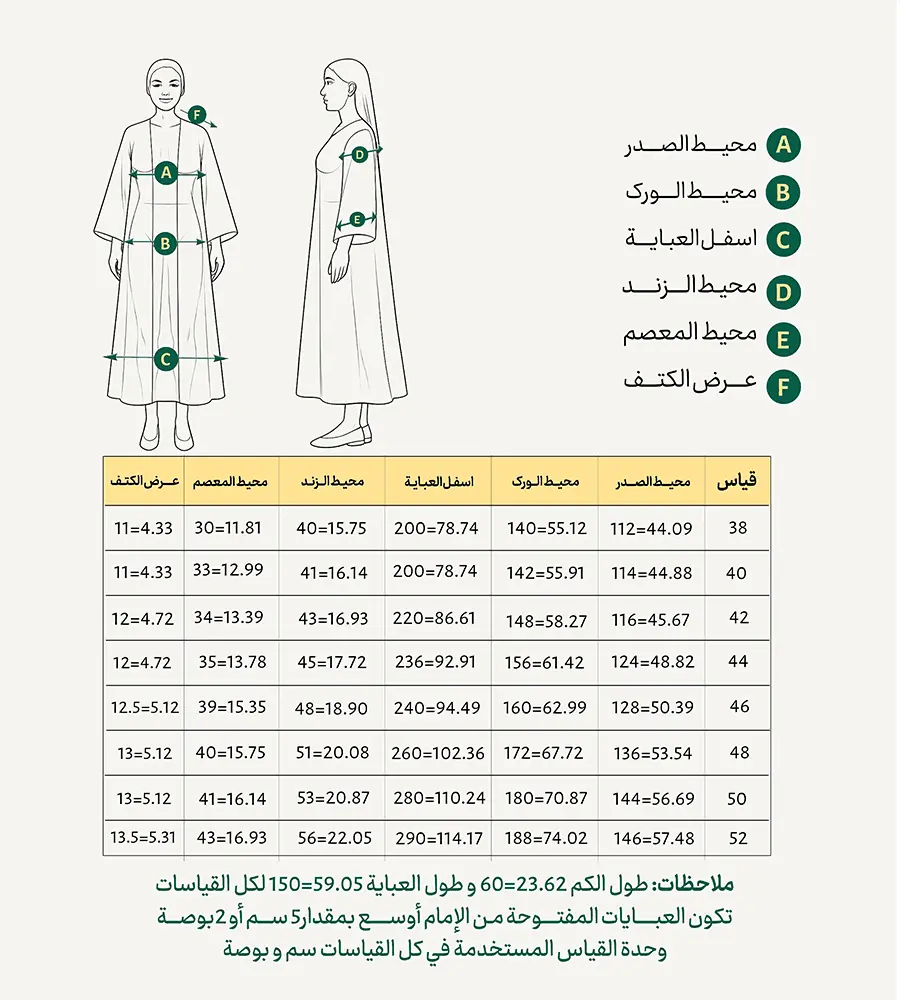
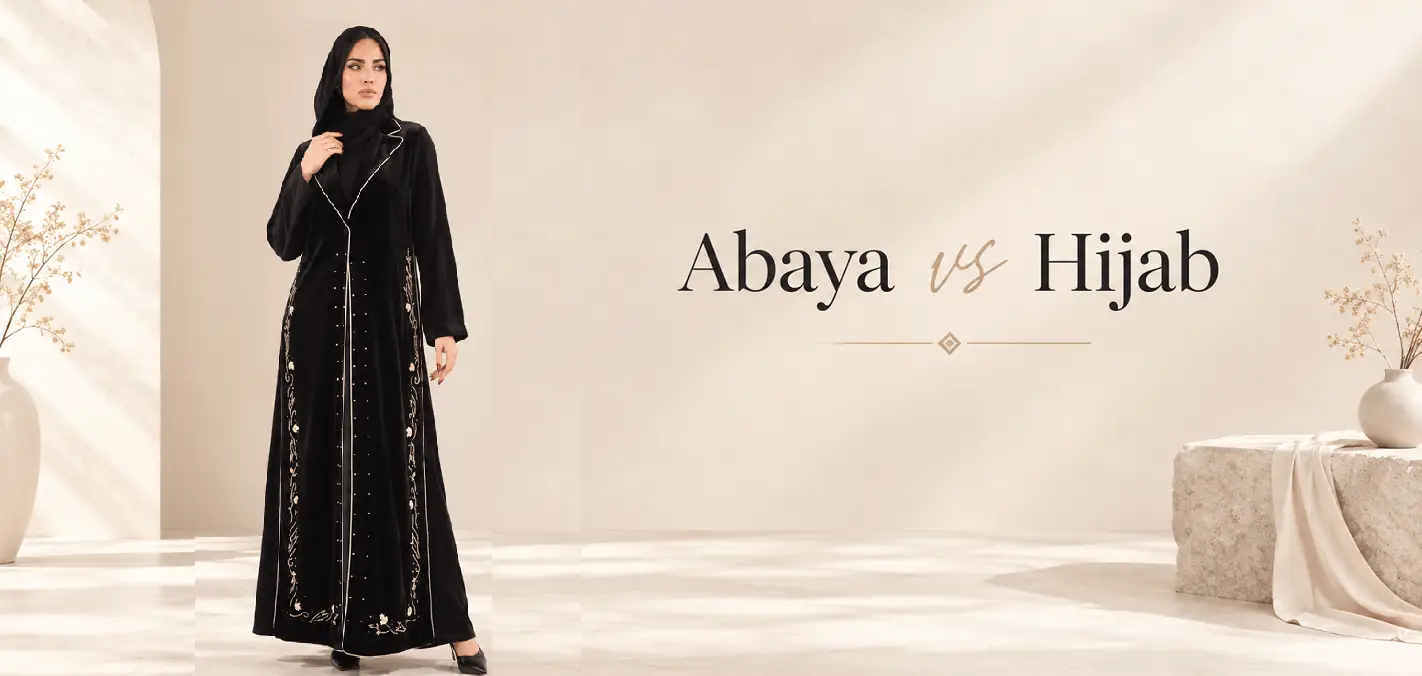
The main difference in the abaya vs hijab comparison is that an abaya is a long outer garment worn over clothing, while a hijab commonly refers to a headscarf that covers the hair and usually the neck. Many Muslim women wear both together, but neither garment automatically requires the other. Their styles, meanings, and uses vary across cultures, communities, and personal preferences.
Understanding the difference between an abaya and hijab helps you choose modest clothing, recognise common fashion terms, and avoid confusing a headscarf with a face covering. Although these garments often appear together, they serve different purposes: an abaya provides body coverage, while a hijab worn as a scarf covers the head and usually the neck.
Abaya vs Hijab in One Sentence
An abaya is a loose outer garment, usually designed to cover much of the body, whereas a hijab commonly means a headscarf worn by some Muslim women and can also refer to broader principles of modesty in an Islamic context. The Oxford Advanced Learner’s Dictionary definition of abaya describes it as a full-length garment worn over other clothes, while the Oxford definition of hijab recognises its clothing-related and broader meanings.
An abaya does not normally cover the hair or face, and a standard hijab does not cover the whole body. Many women combine them to create a modest outfit, but others wear an abaya without a headscarf or pair a hijab with a long dress, tunic, or loose trousers.
What Is a Hijab, and What Does It Cover?
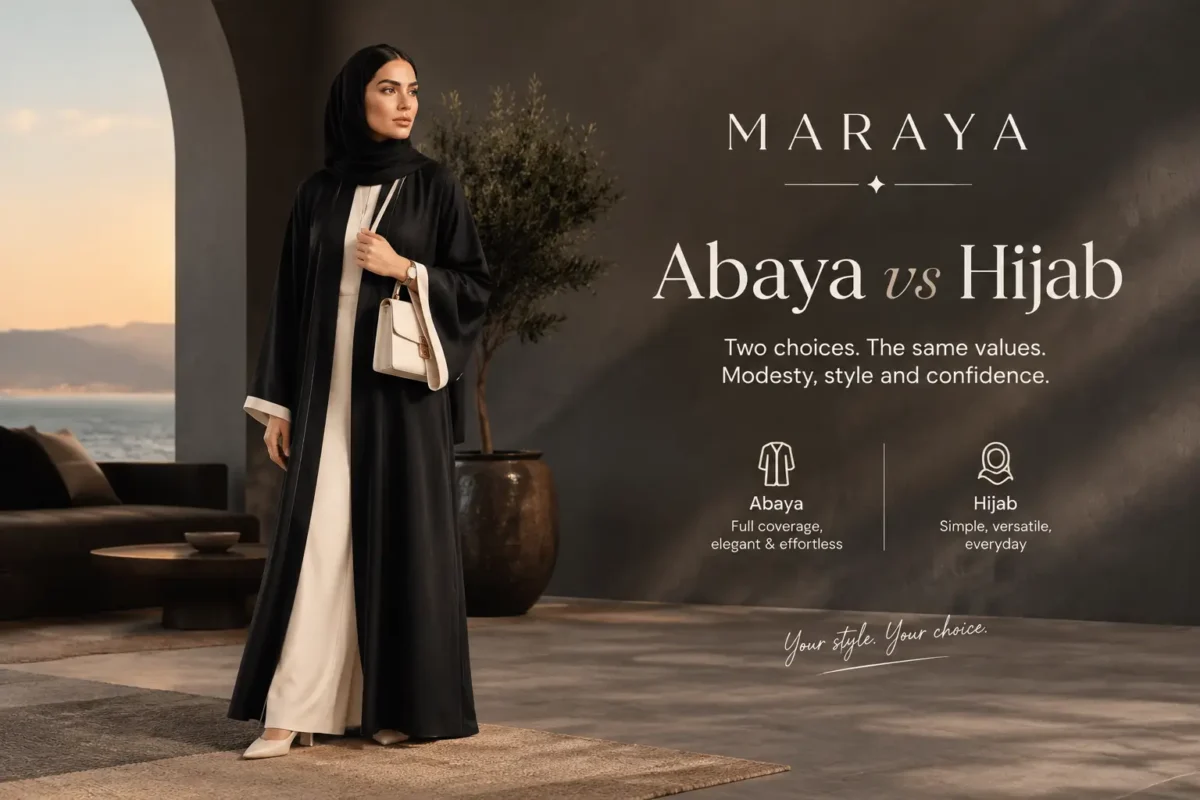
In everyday English, hijab usually refers to a scarf that covers the hair and usually the neck while leaving the face visible. Hijabs come in different fabrics, colours, shapes, and wrapping styles, from simple cotton scarves for daily wear to elegant chiffon designs for formal occasions. The Cambridge Dictionary definition of hijab also recognises its connection with religious rules about clothing.
The term has a broader meaning in some Islamic discussions, where hijab can refer to modesty in clothing and behaviour rather than a headscarf alone. The Open University’s OpenLearn resource on veiling terminology explores how the meanings and boundaries of these terms can vary across cultures and communities. Understanding the context helps prevent confusion between hijab as a scarf and hijab as a wider concept.
Choosing a Hijab Fabric
The right hijab fabric depends on the weather, the occasion, and how much styling you want to do. Cotton offers a practical everyday option, while jersey stretches comfortably and often stays in place with minimal pinning. Chiffon creates a light, elegant drape, although it may need an undercap or pins to prevent slipping.
Undercaps help keep hair in place and create a stable base for the scarf, while pins and magnetic fasteners can secure loose fabric. In hot weather, lightweight, breathable materials often feel more comfortable. For formal occasions, chiffon and other finely draped fabrics can complement an elegant outfit without adding too much visual weight.
The Difference Between an Abaya and Hijab
Coverage Differences: Abaya, Hijab, and Niqab
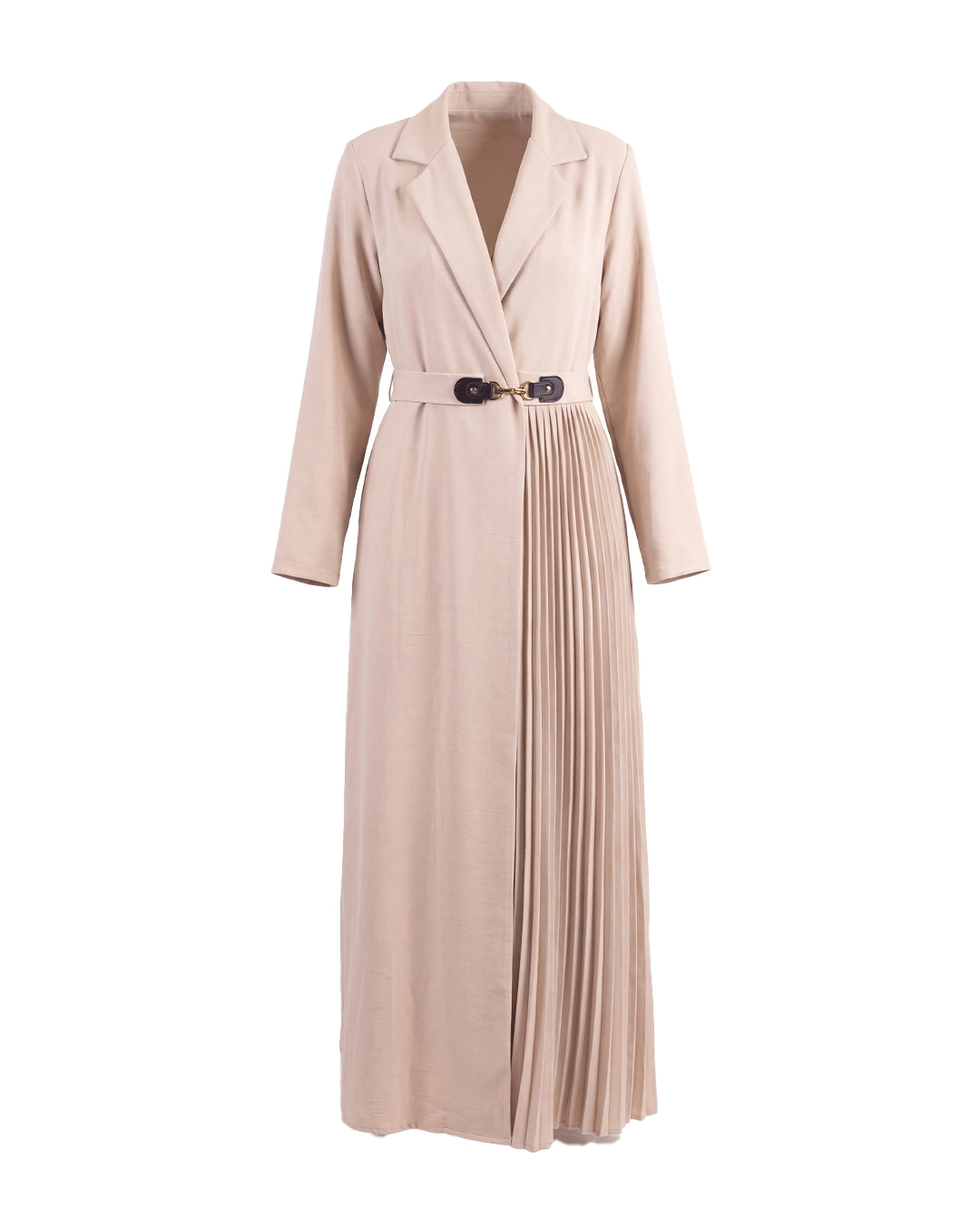
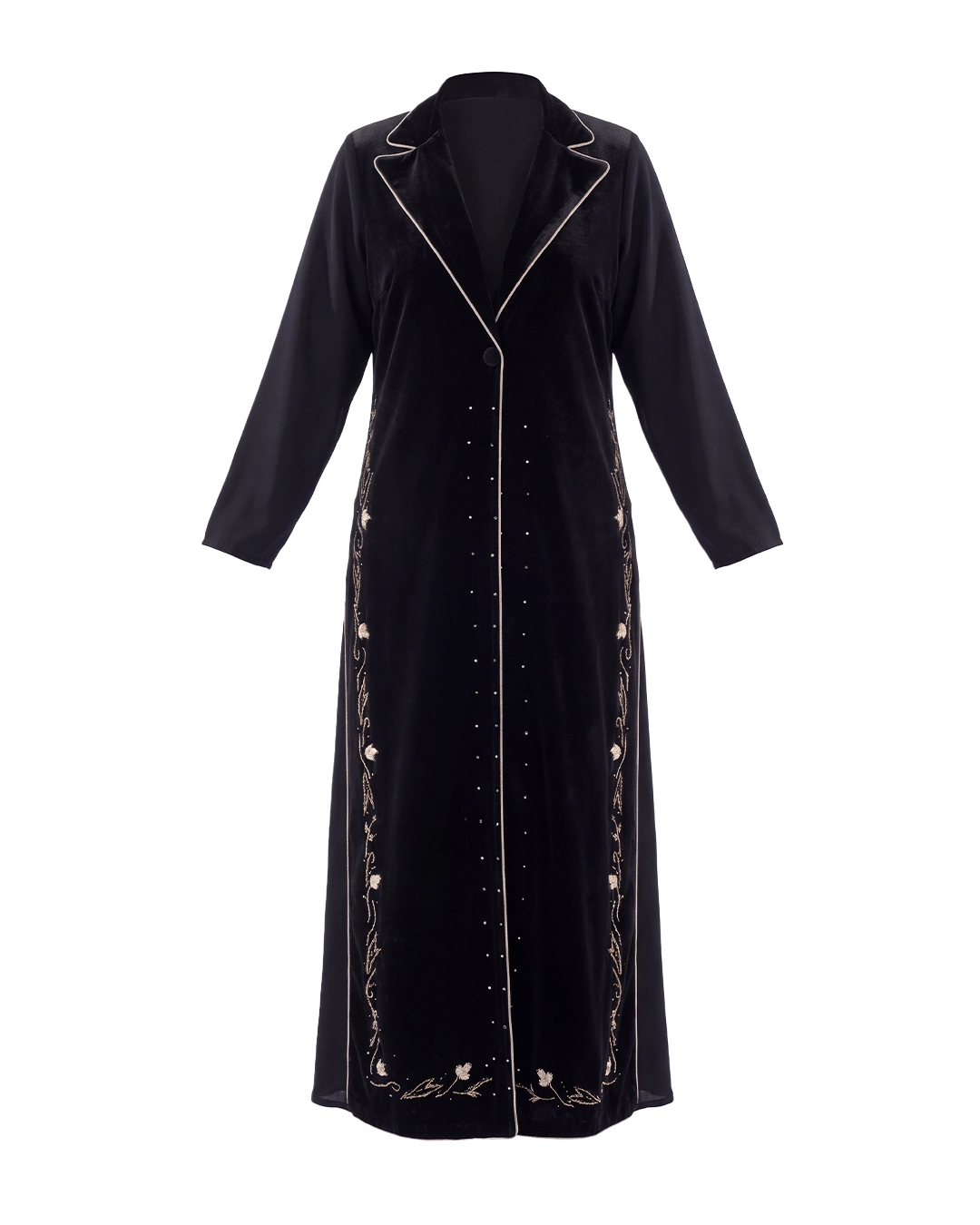
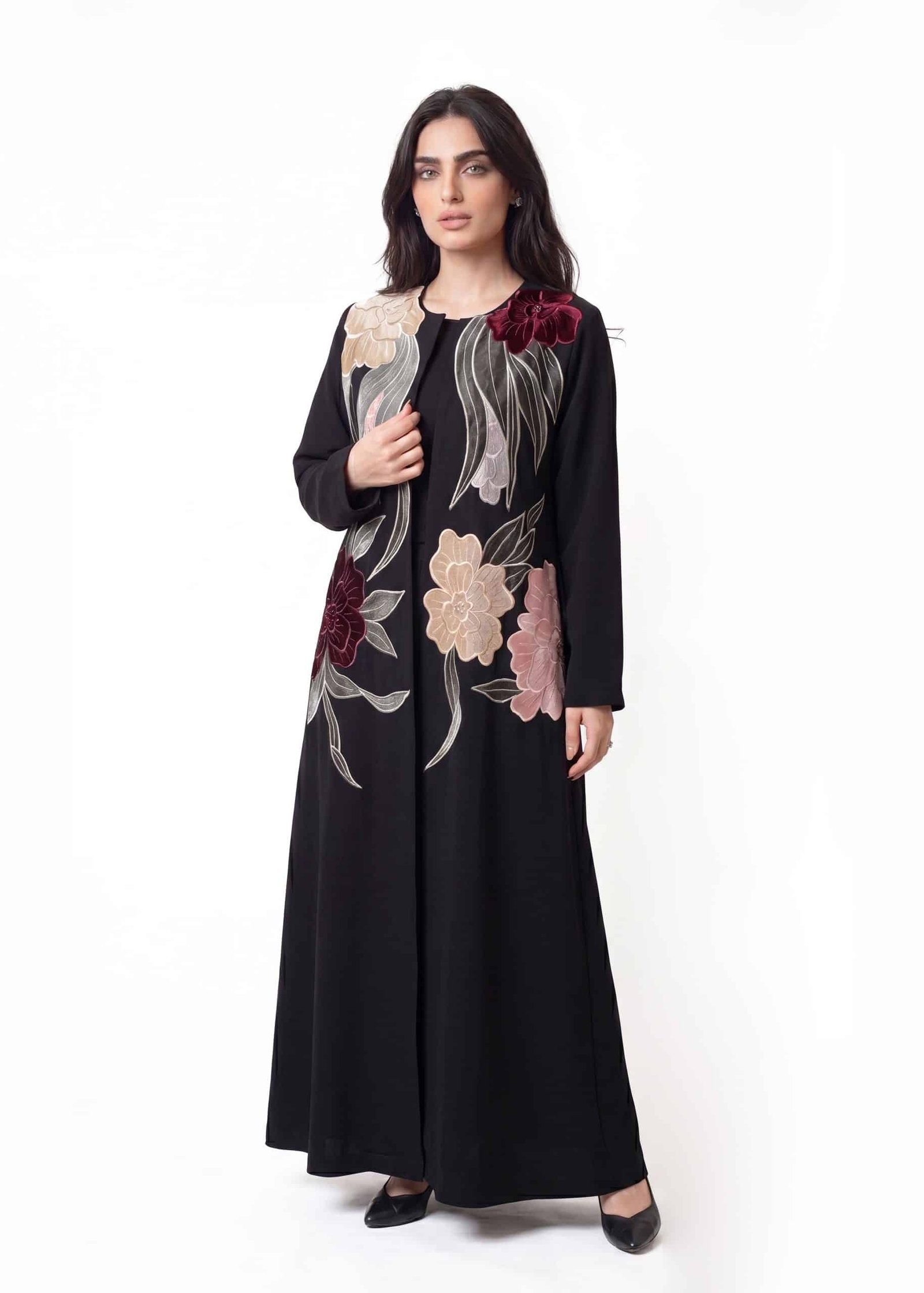
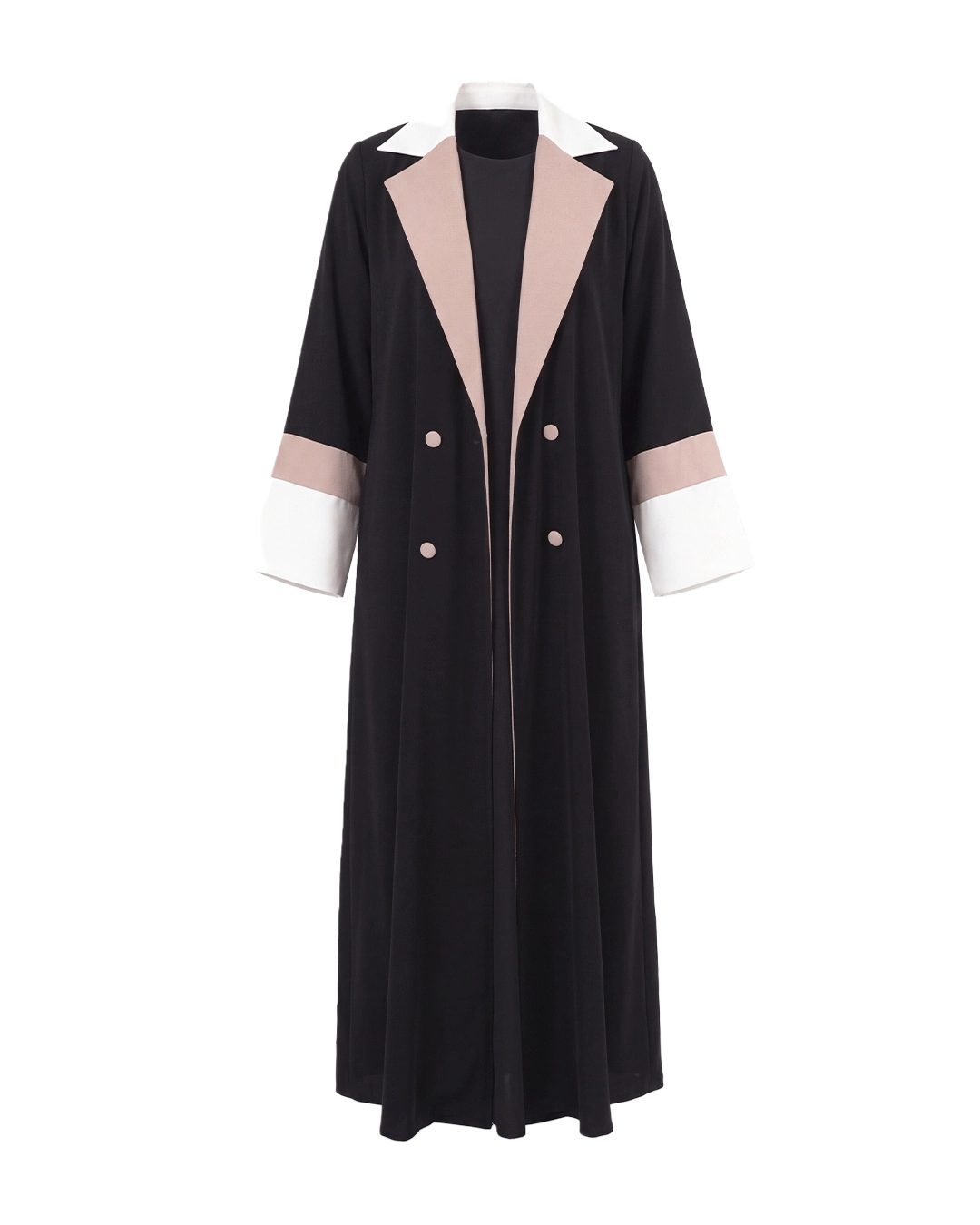
An abaya’s coverage depends on its design, fabric opacity, sleeve length, and front opening. A closed style may provide a continuous outer layer, while an open-front abaya reveals the clothing underneath and may need an underdress or coordinated outfit to provide the coverage the wearer wants. Neither design automatically covers the hair or face.
A standard hijab covers the hair and usually the neck, but it does not automatically cover the arms, torso, or legs. The rest of the outfit determines the overall coverage. A niqab, in contrast, is a face covering that commonly leaves the eyes visible, so it should not be confused with a standard hijab or an abaya.
Do You Wear an Abaya With a Hijab?
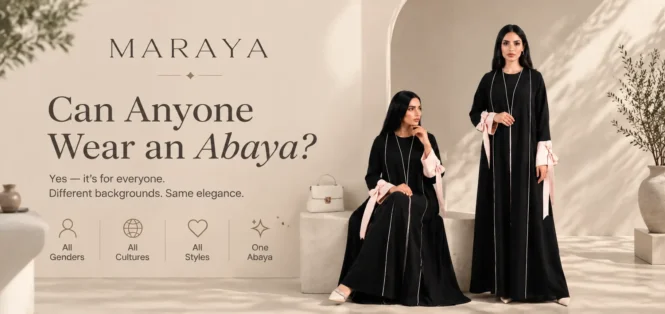
Many women wear an abaya with a hijab, but the two do not have to be worn together in every situation. Some choose both for religious, cultural, practical, or personal reasons, while others wear an abaya without a headscarf or pair a hijab with a different outfit. Choices vary according to personal beliefs, regional customs, family traditions, and the setting.
For everyday wear, a plain abaya with a cotton or jersey hijab creates a comfortable, coordinated look. A black abaya can work with a grey, beige, or taupe scarf, while a cream or brown abaya can pair with a hijab in a similar neutral shade. If you want versatile pieces for daily activities, explore everyday abayas that work with simple accessories and comfortable footwear.
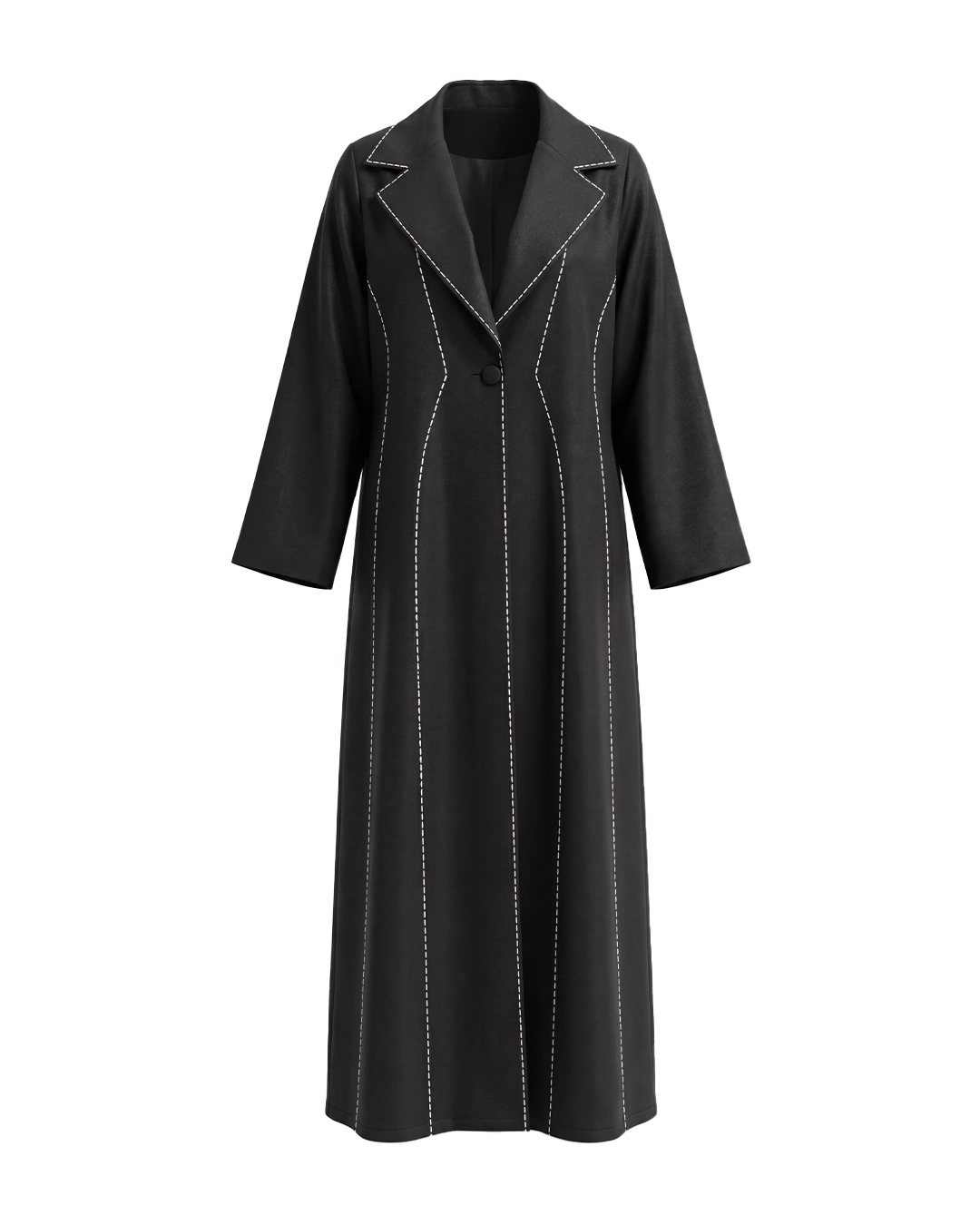
For a more refined outfit, choose a structured abaya in a neutral colour and coordinate it with a plain scarf. Classic abayas with clean lines and subtle details can work for professional settings, family gatherings, and occasions that call for a polished appearance. For special events, embroidered abayas offer additional texture and decoration; pairing an embellished garment with a simpler hijab helps maintain balance.
Abaya vs Hijab vs Jilbab vs Khimar vs Niqab
Related garment names can overlap in everyday conversation, but each usually describes a different form of clothing. Knowing their common meanings makes it easier to understand modest-fashion descriptions without assuming that every garment has a single fixed definition across all cultures.
A jilbab is generally a loose outer garment worn over other clothing. It can resemble an abaya, and the distinction is not always clear. Some jilbabs have a closed-front construction, while abayas may feature open fronts, buttons, ties, or other fastenings. These are useful general patterns rather than strict rules, because regional usage and retail naming can differ.
A khimar is a head covering that usually extends over the shoulders and upper body while leaving the face visible. Compared with a typical headscarf, it often provides more coverage without requiring the wearer to wrap and arrange as much fabric. The Oxford Learner’s Dictionaries entry for khimar describes it as a piece of cloth worn by some Muslim women that usually covers the head and upper part of the body.
A niqab is a face covering that commonly leaves the eyes visible, whereas a standard hijab covers the hair and usually the neck while leaving the face uncovered. An abaya is a body-covering outer garment and does not normally cover the face. A jalabiya, meanwhile, is generally a loose, often full-length garment worn as everyday clothing, loungewear, or cultural dress. A kaftan is another loose garment associated with relaxed or occasion dressing, while a kimono-style abaya borrows design elements such as wide sleeves or an open front. These names may overlap in fashion retail, so the garment’s actual design and intended use matter as much as its label.
How to Wear an Abaya and Hijab Together
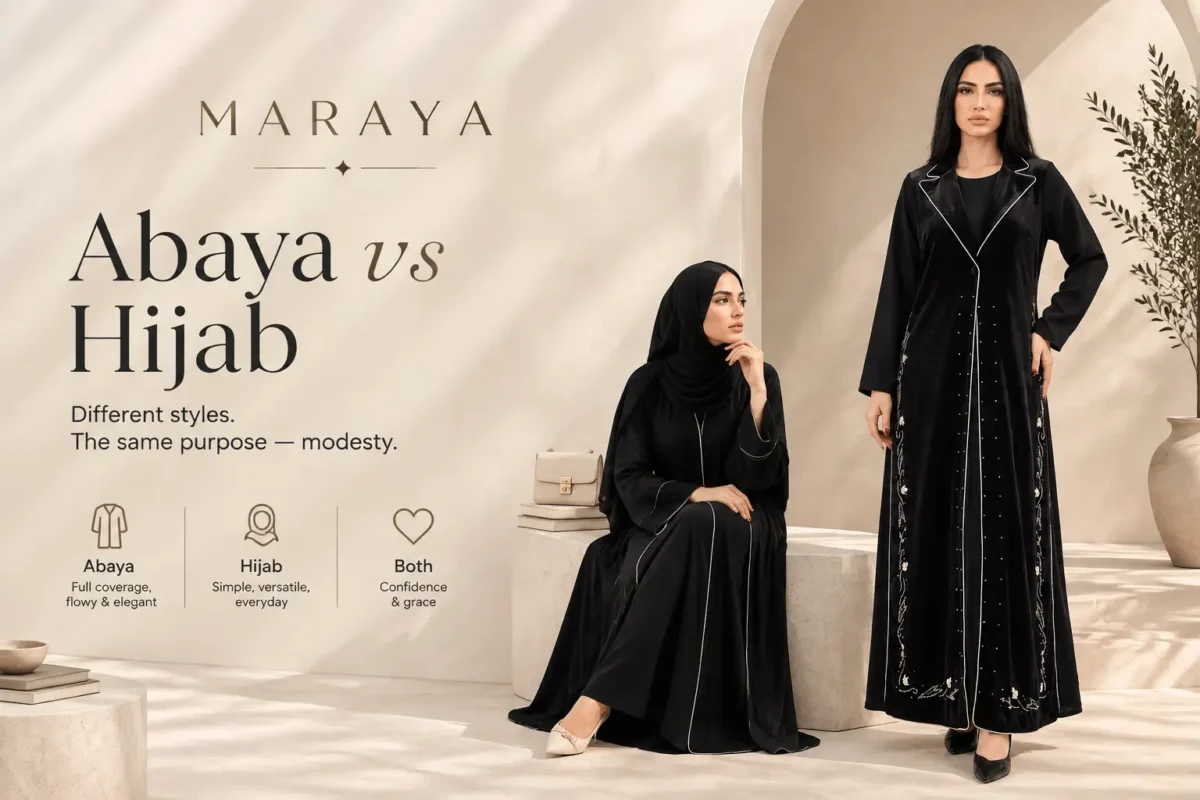
A coordinated abaya-and-hijab outfit does not need complicated styling. Start with the setting, choose fabrics that feel comfortable, and use a simple colour palette. One main piece can provide the visual interest, while the other items support the overall look.
For everyday wear, a lightweight abaya with a cotton or jersey hijab and comfortable flats creates a practical combination. If you choose an open abaya, wear it over a long dress, tunic, or trousers that suit your preferred level of coverage. Jeans can also work under an abaya when the cut and styling feel appropriate to the occasion.
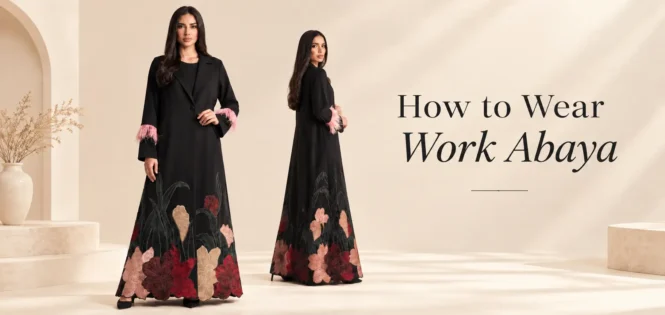
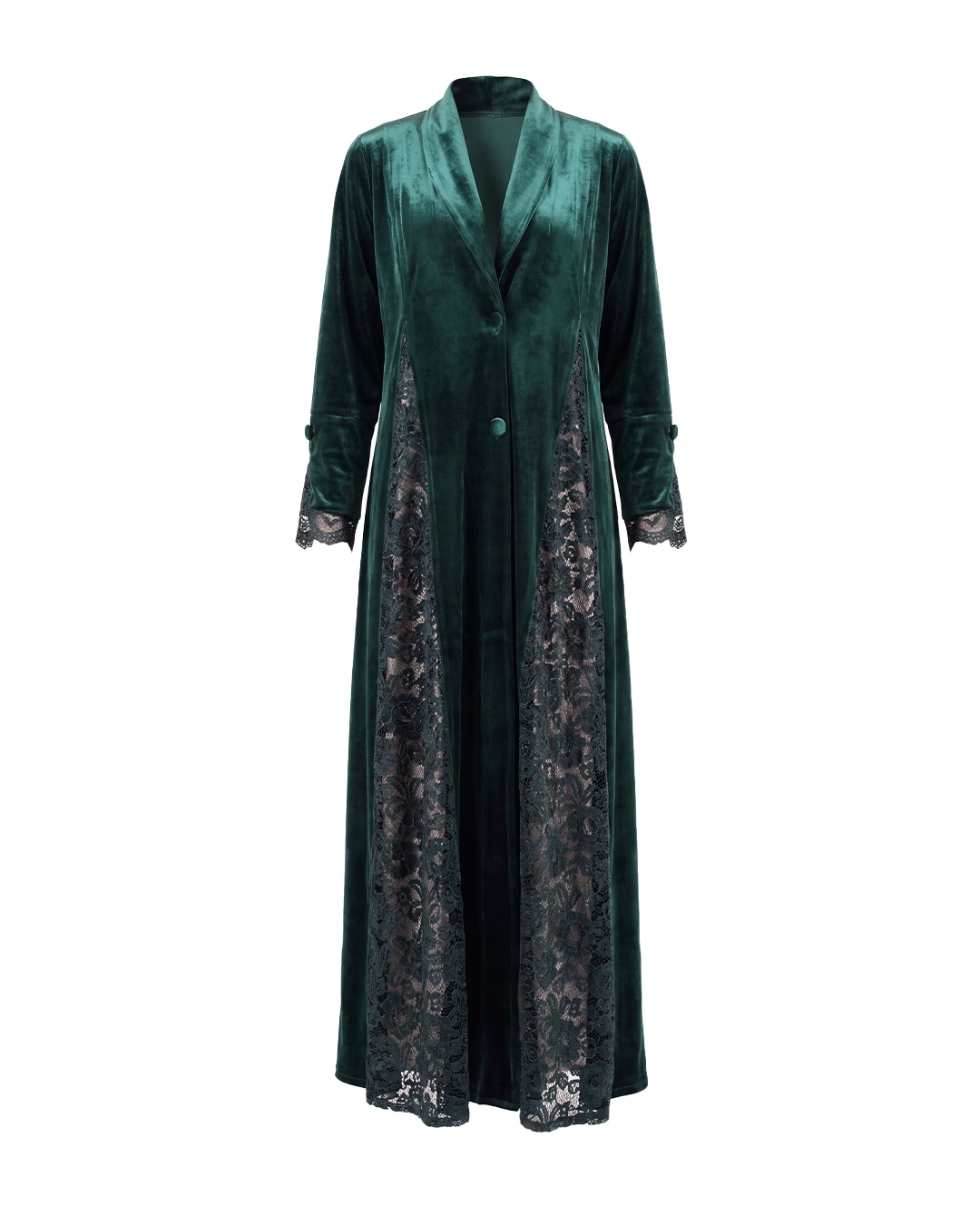
For work, a structured abaya in black, navy, taupe, or another neutral shade can look polished without feeling overly formal. Pair it with a plain hijab and practical shoes, then keep jewellery and accessories understated. For formal events, an embroidered abaya or a design in a richer fabric can create a more dressed-up appearance; a simple chiffon scarf helps balance elaborate details, while a more decorative hijab can complement a minimalist abaya.
Fabric choice also affects comfort and styling. Cotton and jersey are useful for everyday hijabs, while chiffon offers a lighter, more formal drape but may require pins or an undercap to stay in place. For abayas, fabrics such as crepe, nida, and chiffon are often chosen for their drape and finish, although opacity and breathability depend on the specific material and construction.
Common Misconceptions About Abayas and Hijabs
An abaya does not have to be black, and a hijab does not always refer to a face covering. Contemporary abayas appear in a wide range of colours, silhouettes, and decorative styles, while the term hijab commonly describes a headscarf in everyday English. A niqab is the garment associated with face coverage, and an abaya does not normally cover the face.
It is also inaccurate to assume that all Muslim women wear both an abaya and a hijab. Clothing choices vary by personal belief, cultural background, location, and individual preference. Some women wear a headscarf with a different outfit, some wear an abaya without a headscarf, and others choose different forms of modest clothing.
Finally, modest clothing does not need to look identical from one person to another. Colour, fabric, embroidery, silhouette, and accessories allow for individual expression. Describing each garment accurately is more helpful and respectful than making assumptions about someone’s religion or beliefs based on what they wear.
Final Thoughts: Understanding Abaya vs Hijab
The difference between an abaya and hijab comes down to their usual form and function: an abaya is a long outer garment, while a hijab commonly refers to a headscarf that covers the hair and usually the neck. Many women wear them together, but neither item automatically requires the other, and their styles vary across cultures and personal preferences.
Understanding these distinctions helps you choose clothing with greater confidence and discuss modest fashion more accurately. Whether you prefer a practical everyday outfit, a classic silhouette, or an embroidered design for a special occasion, the best combination is one that suits your comfort, personal style, and intended setting. For more modest-fashion ideas and styling inspiration, visit Maraya Magazine.
Frequently Asked Questions: Abaya vs Hijab
Can You Wear a Hijab Without an Abaya?
Yes, a hijab can be worn without an abaya. Many women pair a headscarf with a long dress, a tunic and trousers, or another outfit that suits their preferences and the setting.
- Covers: A standard hijab covers the hair and usually the neck.
- Doesn’t cover: It does not automatically cover the arms, torso, or legs.
- Common misconception: Wearing a hijab does not mean someone must also wear an abaya.
Example: A woman can wear a cotton hijab with a long tunic and wide-leg trousers.
Are Abayas Only Worn by Muslims?
No, an abaya is a type of clothing that people outside Muslim communities can also wear. Some choose it for its loose silhouette, comfort, cultural interest, or distinctive style.
- Covers: An abaya usually provides outer coverage for much of the body.
- Doesn’t cover: It does not identify the wearer’s religion by itself.
- Common misconception: Everyone who wears an abaya must be Muslim.
Example: A traveller may choose a lightweight abaya because it suits the climate and their preferred style.
What Is an Open Abaya vs a Closed Abaya?
An open abaya has a front opening that reveals the clothing underneath, while a closed abaya functions more like a complete robe. Open styles may use a belt or buttons, or remain unfastened, depending on the design.
- Covers: Both styles can provide outer coverage, depending on their cut and styling.
- Doesn’t cover: An open abaya does not automatically provide full front coverage without a suitable underlayer.
- Common misconception: An open abaya is not inherently less modest; the overall outfit matters.
Example: An open abaya worn over a long dress creates a layered look while allowing the wearer to choose the underlayer.
What Fabrics Are Best for Hijabs and Abayas?
Cotton and jersey are common choices for everyday hijabs, while chiffon often suits formal styling. Abayas frequently use crepe, nida, chiffon, and other fabrics selected for drape, opacity, and comfort.
- Covers: Fabric and garment construction influence drape, opacity, and coverage.
- Doesn’t cover: Fabric choice alone does not determine how much skin an outfit covers.
- Common misconception: One fabric is not automatically best for every climate or occasion.
Example: A jersey hijab may suit a busy daily routine, while a chiffon scarf can complement an elegant abaya for an evening event.
Do All Muslim Women Wear the Hijab?
No, Muslim women do not all dress in the same way. Some wear a hijab, some choose other forms of modest clothing, and others do not cover their hair. Personal beliefs, cultural traditions, and individual circumstances influence these choices.
- Covers: A hijab worn as a scarf generally covers the hair and usually the neck.
- Doesn’t cover: The term does not describe the clothing choices of every Muslim woman.
- Common misconception: There is one universal style of Muslim women’s dress.
Example: Two Muslim women may share the same faith while making different choices about head coverings and outer garments.