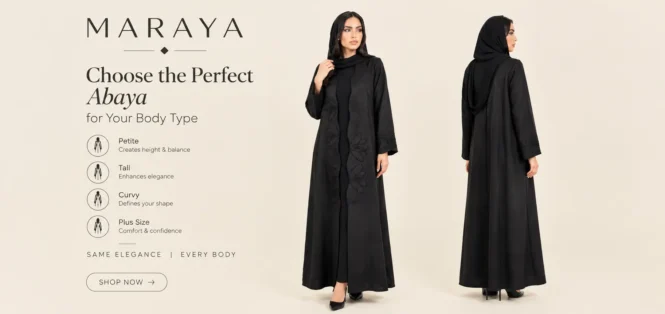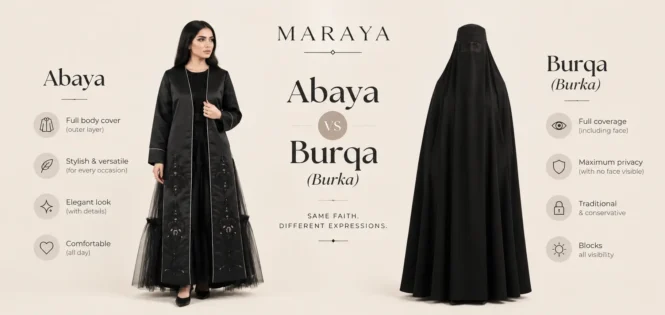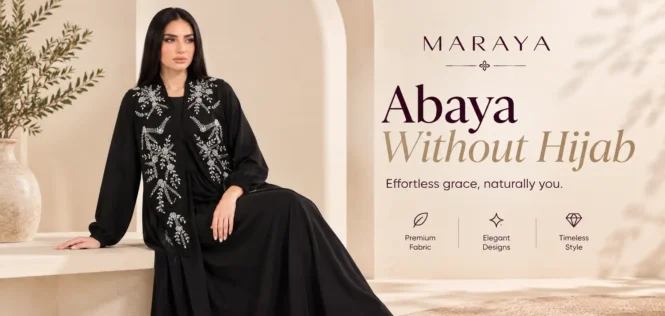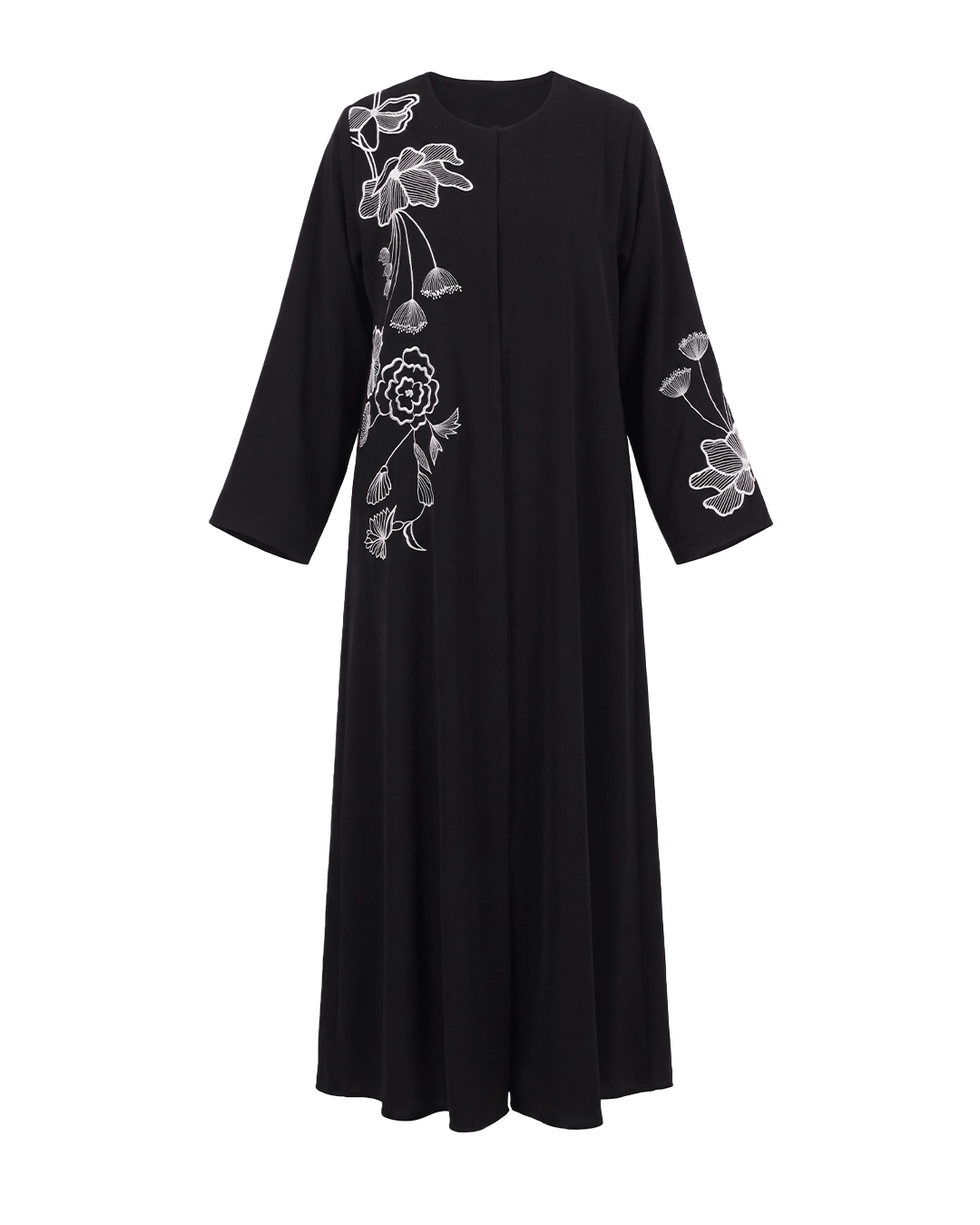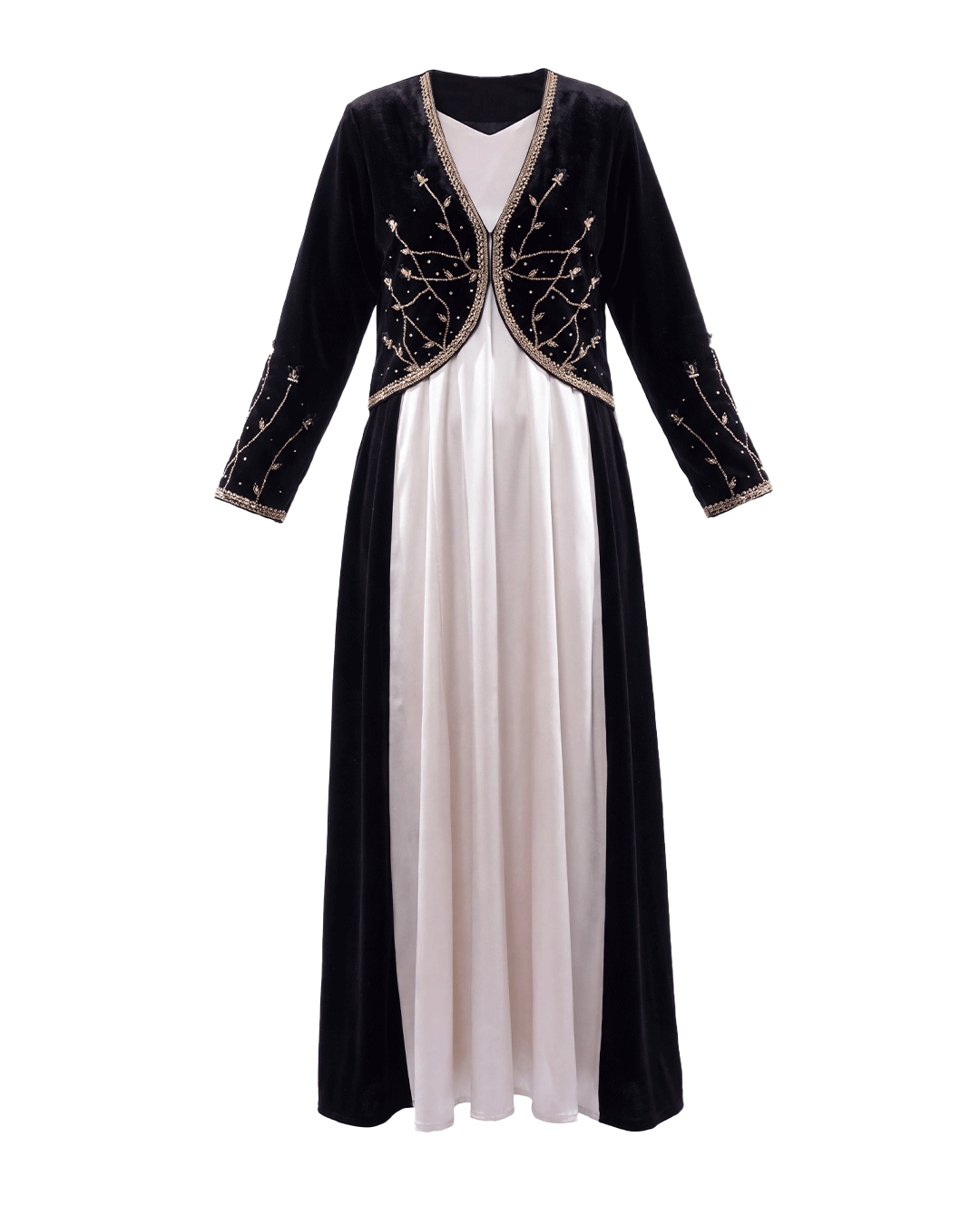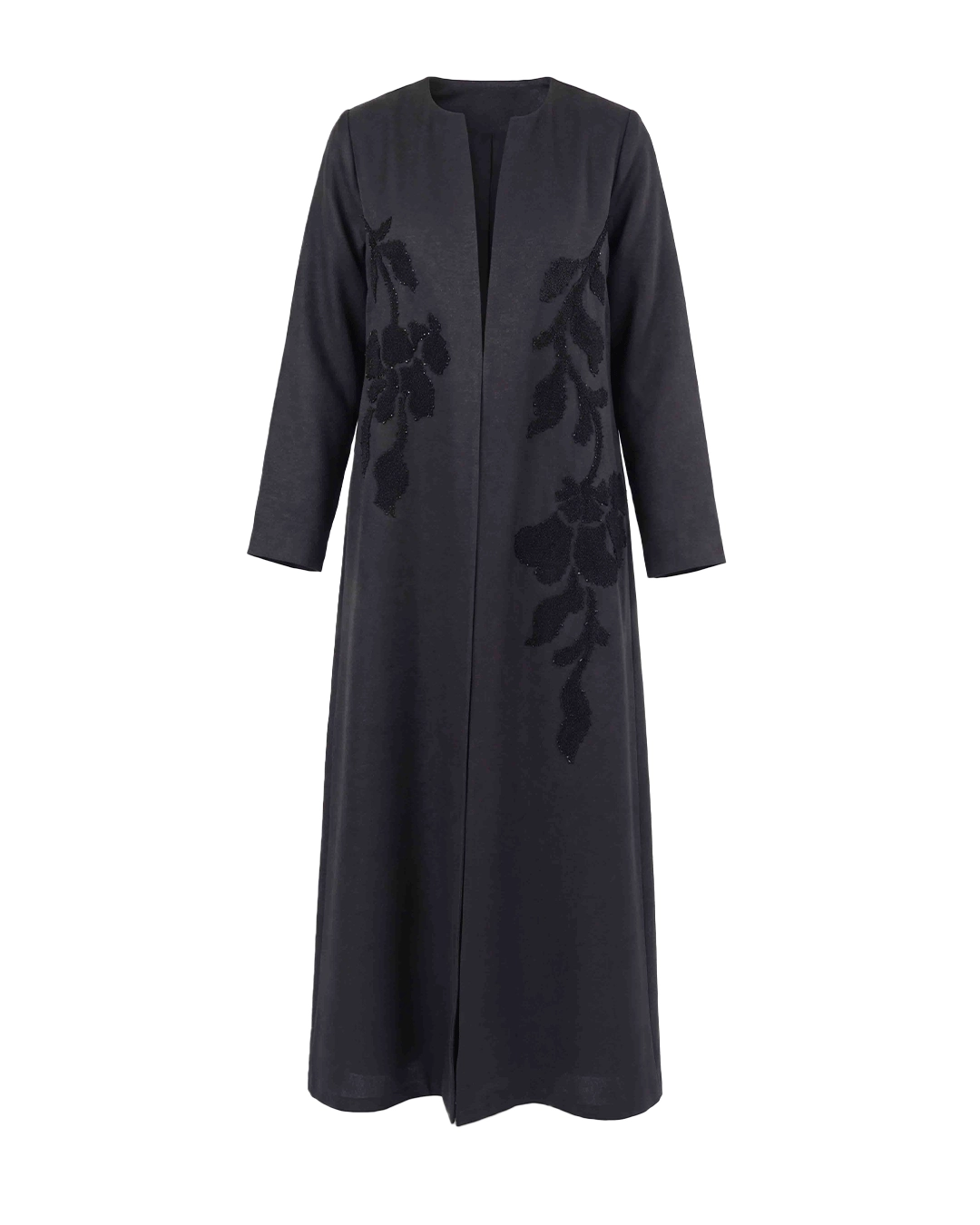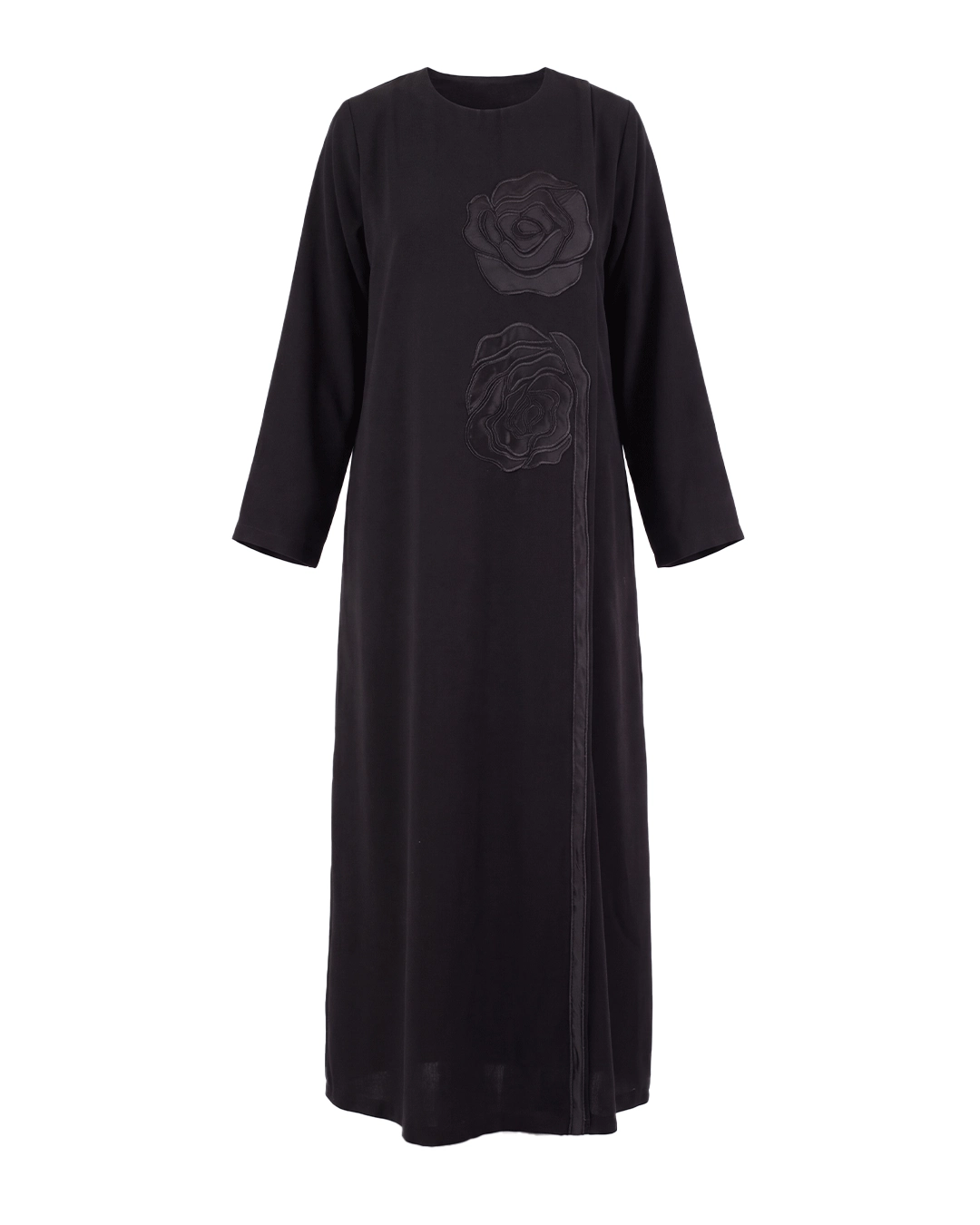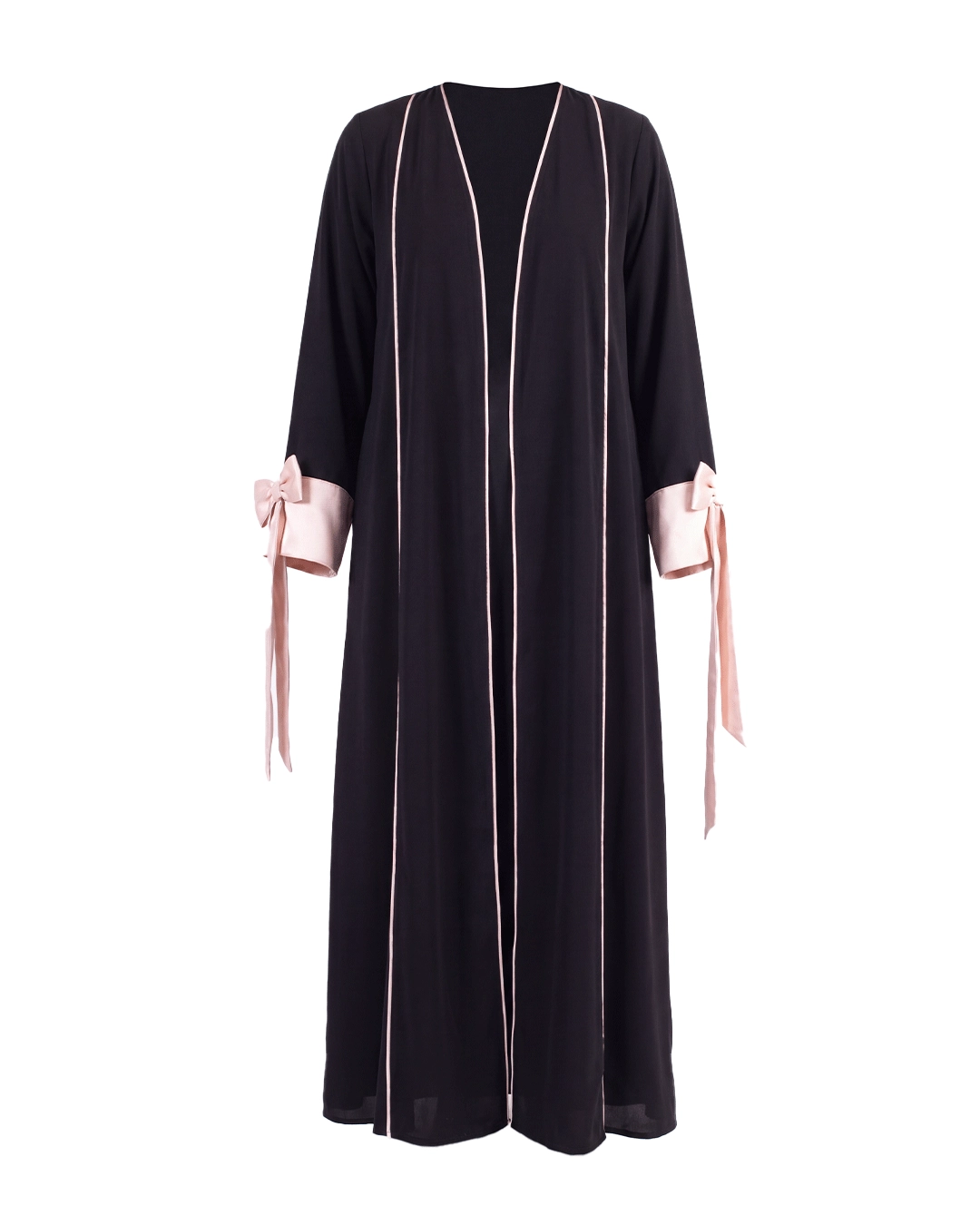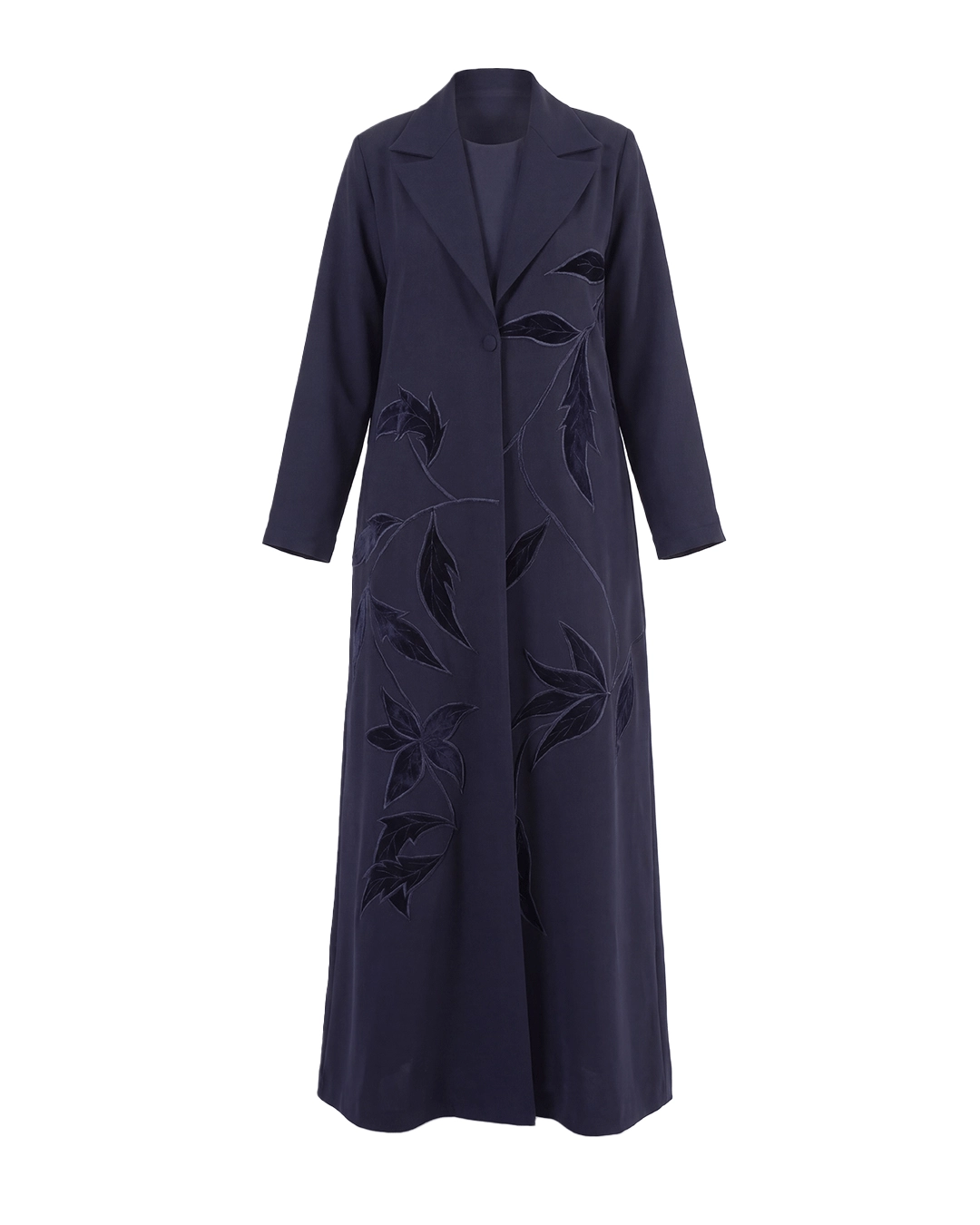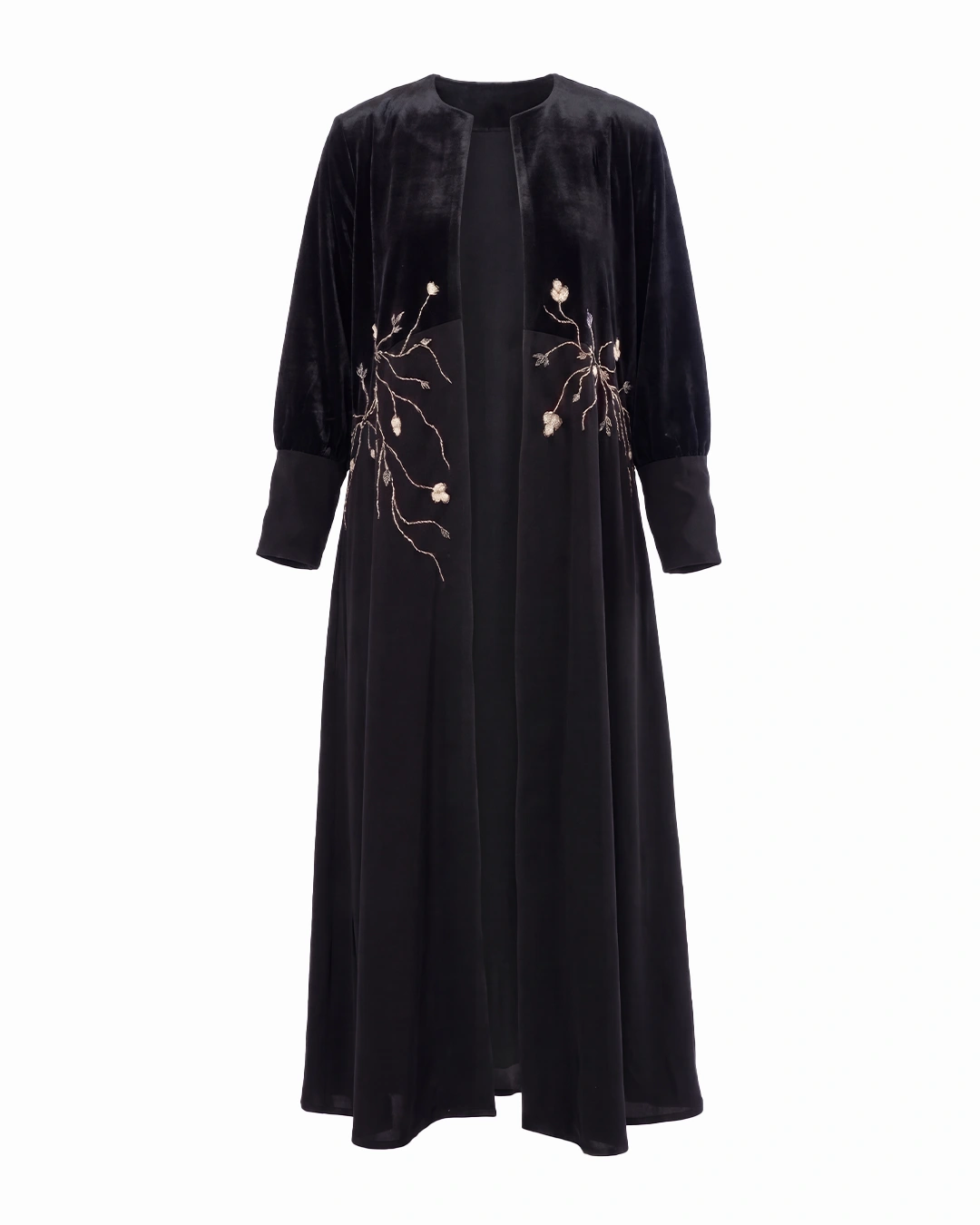
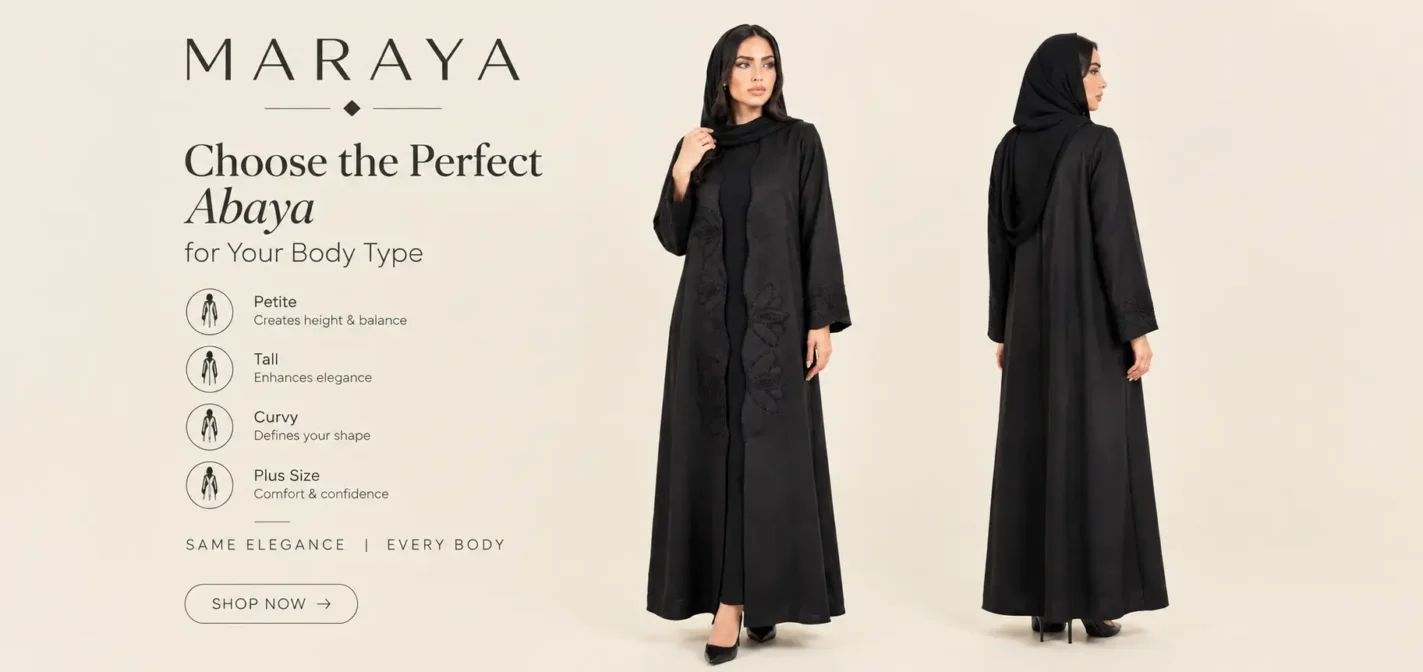
Choosing an abaya is about more than finding a beautiful design. The right length, cut, fabric, and overall fit can make a garment more comfortable and help it work naturally with your personal style. Whether you prefer a relaxed everyday outfit, a refined look for a special occasion, or a versatile piece for different settings, understanding these details makes shopping easier.
There is no single abaya style that suits everyone. Height, proportions, personal preferences, and the way you plan to wear the garment all influence which design may feel right for you. Instead of following strict body-shape rules, focus on how an abaya fits your shoulders, moves around your body, and feels when you walk or sit.
This guide explains how to choose the right abaya length, understand different silhouettes, compare fabrics, and check measurements before ordering online. The goal is to help you make a confident decision based on comfort, practicality, and the look you want to achieve.
Start with Abaya Length and Your Height
Length is one of the first details to consider when choosing an abaya. A garment that is too short may not create the coverage you want, while excessive length can drag on the floor and make walking less convenient. The ideal measurement depends on your height, the shoes you usually wear, and where the abaya sits on your shoulders.
How to Choose the Right Length for Your Height
Petite shoppers may want to begin by checking lengths around 52–54 inches, while taller shoppers may find that measurements around 56–57 inches are a useful starting point. These figures are only general guidelines, not universal sizing standards. Different brands may measure garments from different points, and the same listed length can fit differently depending on the cut and shoulder construction.
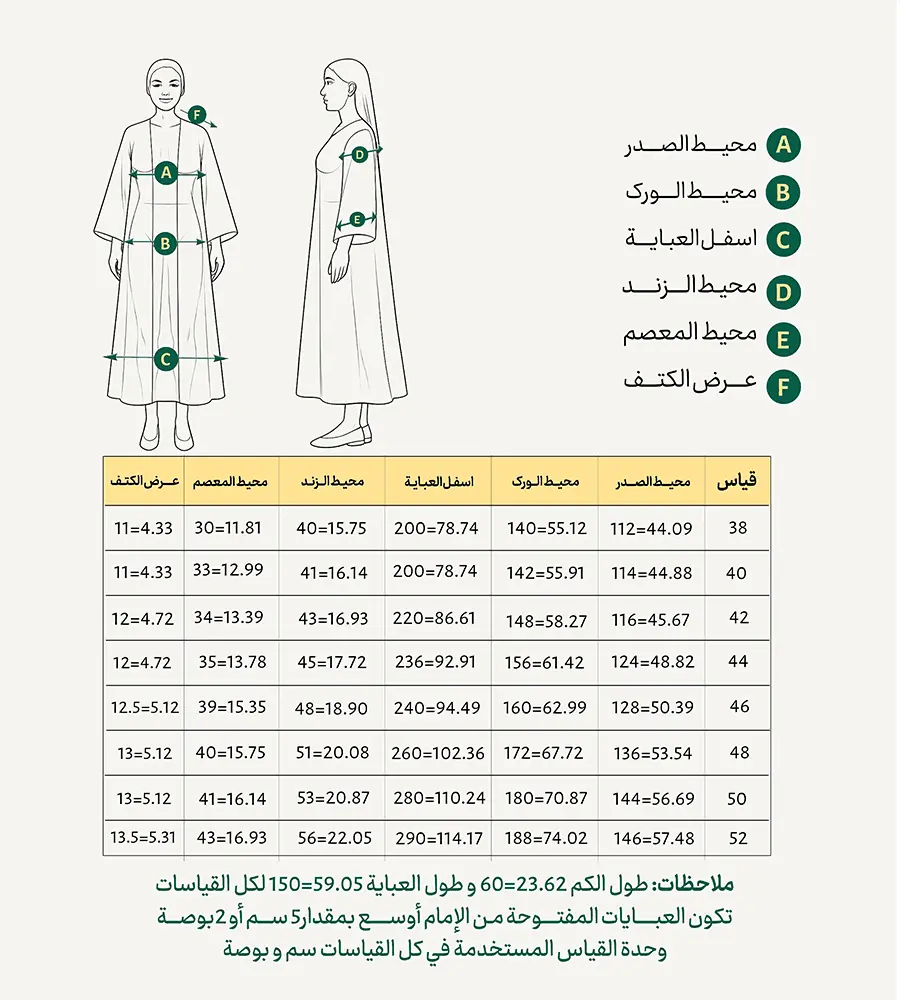
Before choosing a size, check the product’s measurement guide and compare it with an abaya you already own. Lay your preferred garment flat and measure it from the shoulder point to the hem. If you usually wear trainers or flat shoes, use those shoes when assessing the final length. If you prefer heels, allow for the extra height when deciding how the hem should fall.
The goal is to find a length that provides the coverage you prefer without restricting movement. An abaya should feel easy to wear when walking, sitting, climbing stairs, and carrying out daily activities.
Consider Proportions, Not Height Alone
Two people of the same height may need different garment lengths because their torso and leg proportions differ. Shoulder width, sleeve length, and the position of the waist seam can also influence how an abaya looks when worn.
If a design has a defined waist seam, check where that seam falls on your body. A seam that sits too high or too low may change the overall balance of the garment. For a more relaxed appearance, a design with a simple, uninterrupted line may be easier to style because it does not rely on a particular waist position.
Always check sleeve measurements separately. A suitable overall length does not guarantee that the sleeves will reach your preferred point on the wrist. Reviewing both measurements helps you avoid unnecessary alterations.
Choose a Silhouette That Matches Your Style
The silhouette describes the overall shape of an abaya and how its fabric falls from the shoulders toward the hem. Some designs follow a relatively straight line, while others gradually widen, feature generous fabric, or provide more room through the sleeves. Each option creates a different visual effect and offers a different wearing experience.
A design that gradually widens toward the hem can create movement around the lower body. A straighter silhouette may provide a clean, understated appearance, while a relaxed design with wide sleeves can offer additional room through the arms. Fuller shapes create a flowing effect, although the amount of fabric and the weight of the material will influence how the garment moves.
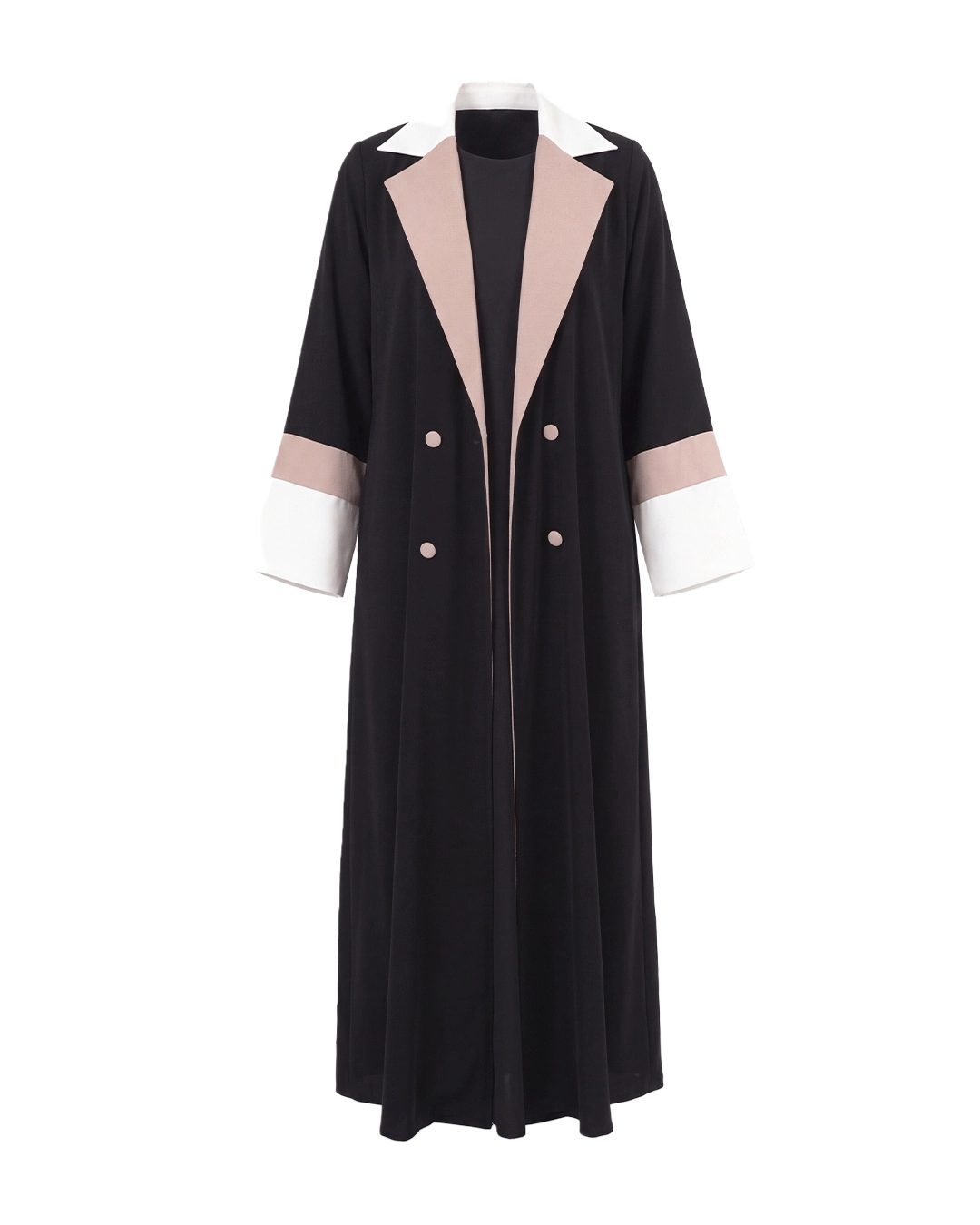
If you enjoy layering, consider a garment that can be worn open over a coordinated outfit. This approach gives you more flexibility with colour combinations, inner layers, and accessories. Check that the front panels fall comfortably and do not shift excessively when you walk.
The best silhouette is not necessarily the one associated with your body shape. It is the one that provides the coverage, movement, and appearance you prefer. If possible, compare garment measurements and product photographs before deciding which shape will work best for your wardrobe.
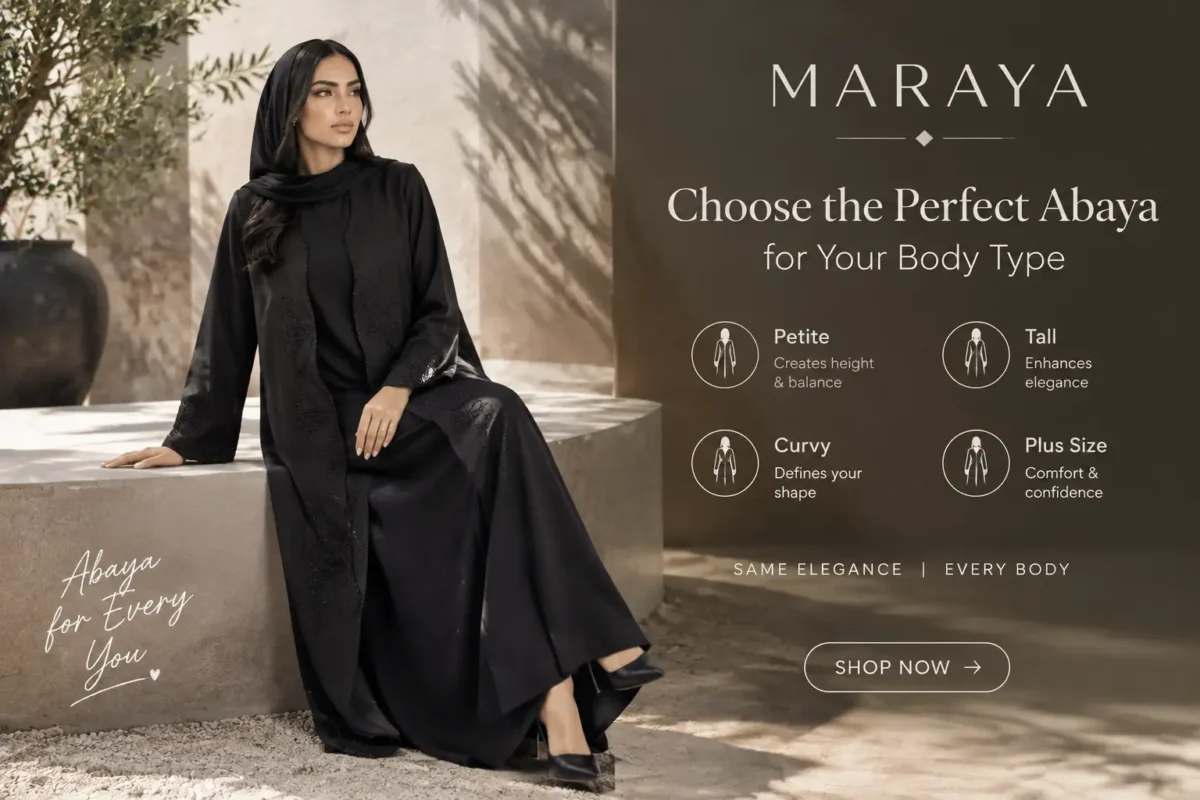
Match the Abaya to Your Preferred Silhouette
Body-shape guides can provide useful starting points, but they should not determine what you are allowed to wear. Bodies vary naturally, and clothing can create different effects depending on fabric, construction, colour, and personal styling. Use the suggestions below as options to explore rather than rules you must follow.
For an Hourglass Shape
If your shoulders and hips are relatively balanced and you prefer to show the definition of your waist, consider a design with a removable tie or an adjustable waist detail. This allows you to change the shape of the garment depending on the occasion and how fitted you want it to feel.
For a more relaxed look, choose a flowing design that follows a natural line without tightly defining the waist. Both options can work well, so consider how much structure you enjoy and whether you want the abaya to feel tailored or loose.
For a Pear-Shaped Body
If your hips are wider than your shoulders, you may enjoy designs that fall smoothly from the upper body and provide comfortable room around the hips. A garment that gradually widens toward the hem can offer movement without feeling restrictive.
You can also experiment with sleeve details, subtle shoulder structure, or a contrasting inner layer to create the visual balance you prefer. There is no need to hide or minimise any part of your body. Prioritise a comfortable fit and a shape that makes you feel confident.
For an Apple-Shaped Body
If you prefer more room around your midsection, look for designs with a relaxed fit and fabric that drapes rather than clings. A simple silhouette can provide comfortable coverage, while a longer vertical line may create the understated look you want.
Pay attention to fabric weight and how the garment falls when you move. Very stiff material may create more volume, while lightweight fabric can cling if it is too thin or lacks sufficient structure. Choosing the right combination of cut and material can make a noticeable difference to comfort.
For a Rectangle or Athletic Shape
If your shoulders, waist, and hips have a relatively similar width, you can experiment with different proportions depending on your preferred look. A design with a waist tie can introduce definition, while a fuller hem or generous sleeves can add movement. For timeless designs that can work across different occasions, browse the elegant classic abaya collection.
If you prefer a minimalist wardrobe, a clean, straight silhouette may be a natural choice. If you enjoy more dramatic styling, consider layered fabrics or a design with greater volume. Neither approach is more suitable than the other; the choice depends on your personal taste.
Compare Abaya Styles Before Choosing
Use Fabric and Details to Refine the Fit
The fabric can change how an abaya looks and feels, even when two garments have similar measurements. Lightweight, fluid fabrics tend to move with the body, while heavier or more structured materials may hold a defined shape. Consider the climate, occasion, layering needs, and amount of movement you expect throughout the day.
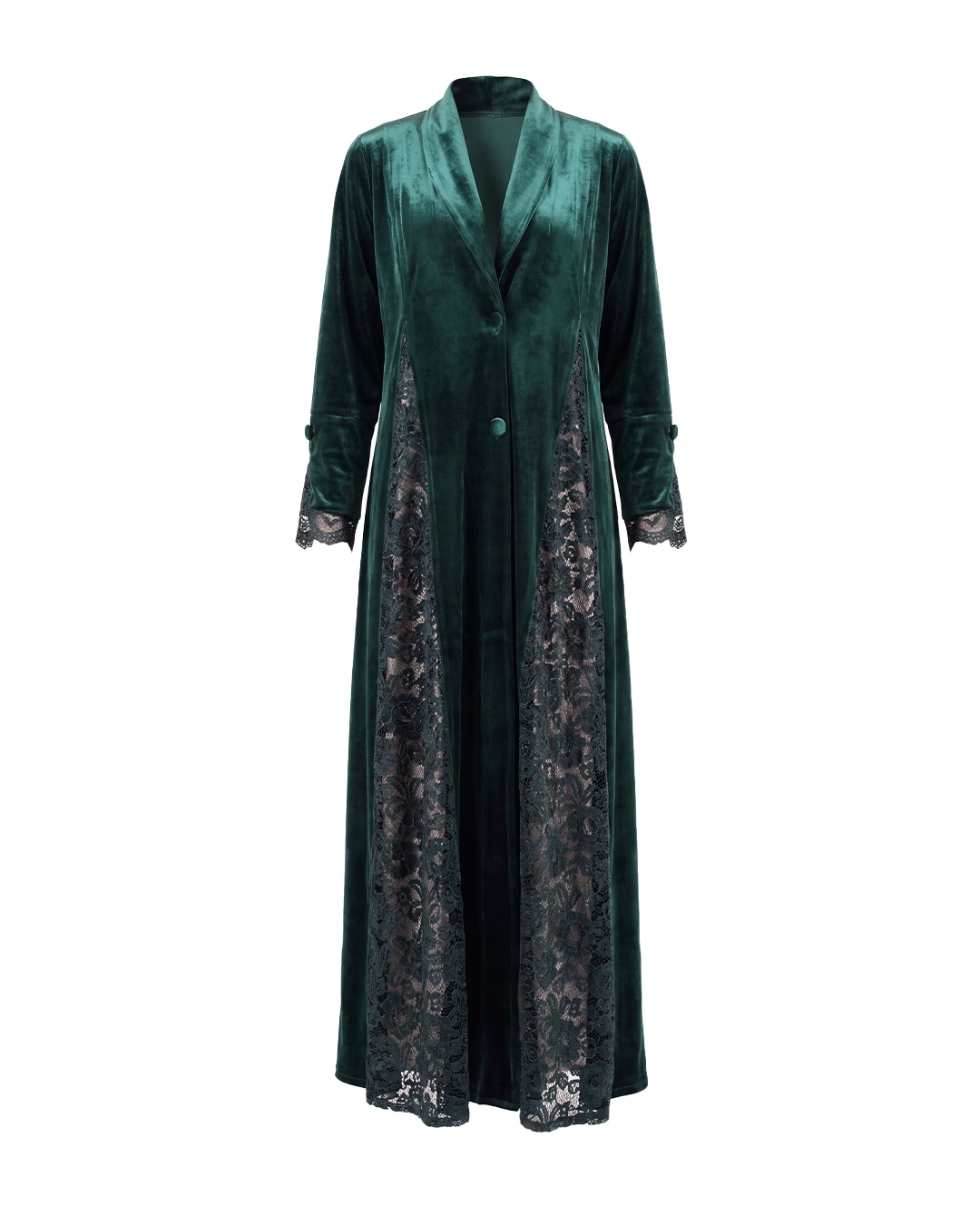
For warm weather, breathable-feeling fabrics and designs that allow air to circulate can improve comfort. For formal occasions, a more structured material or carefully placed embellishment may create a polished finish. Always check the fabric description and care instructions before purchasing, especially when shopping online.
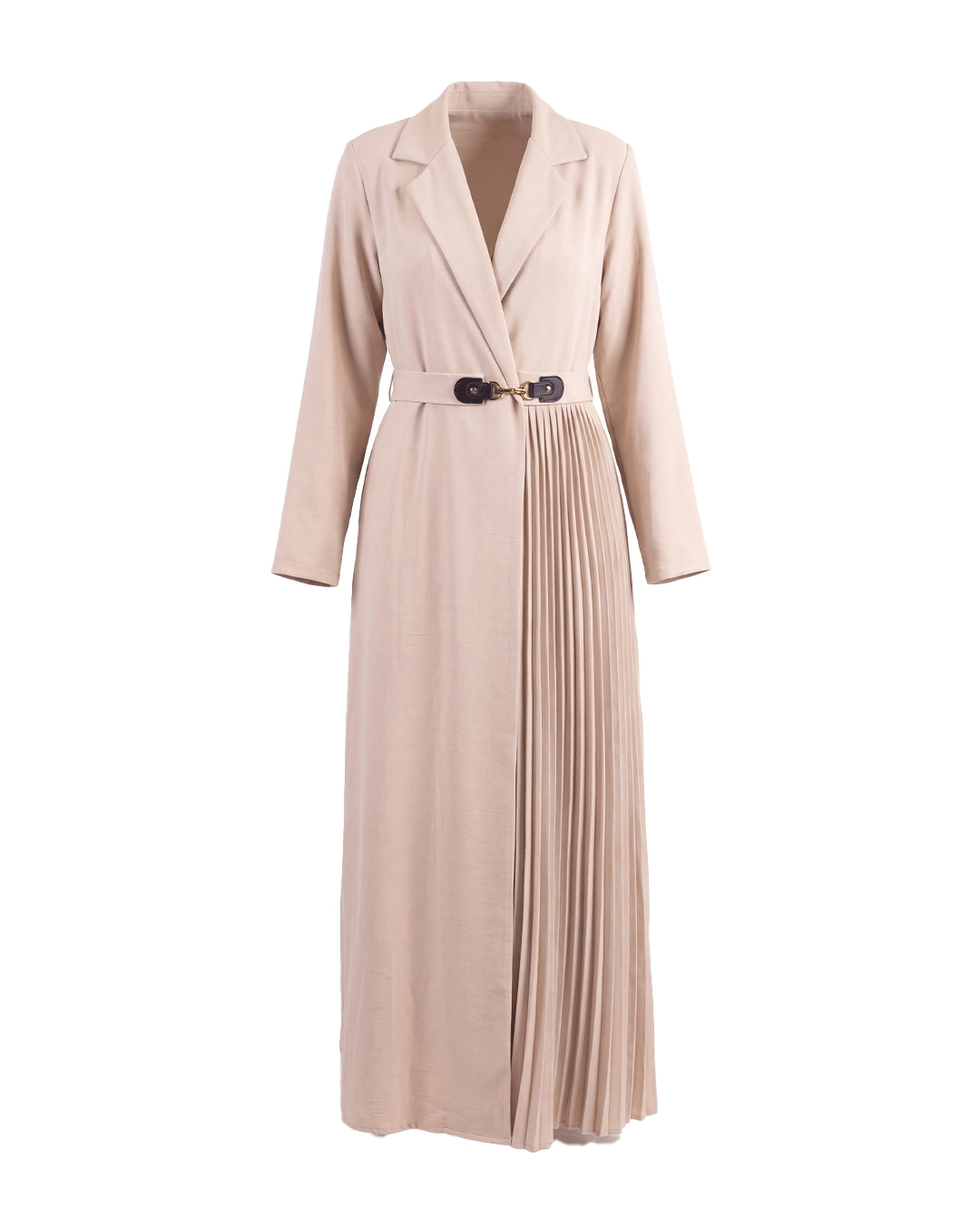
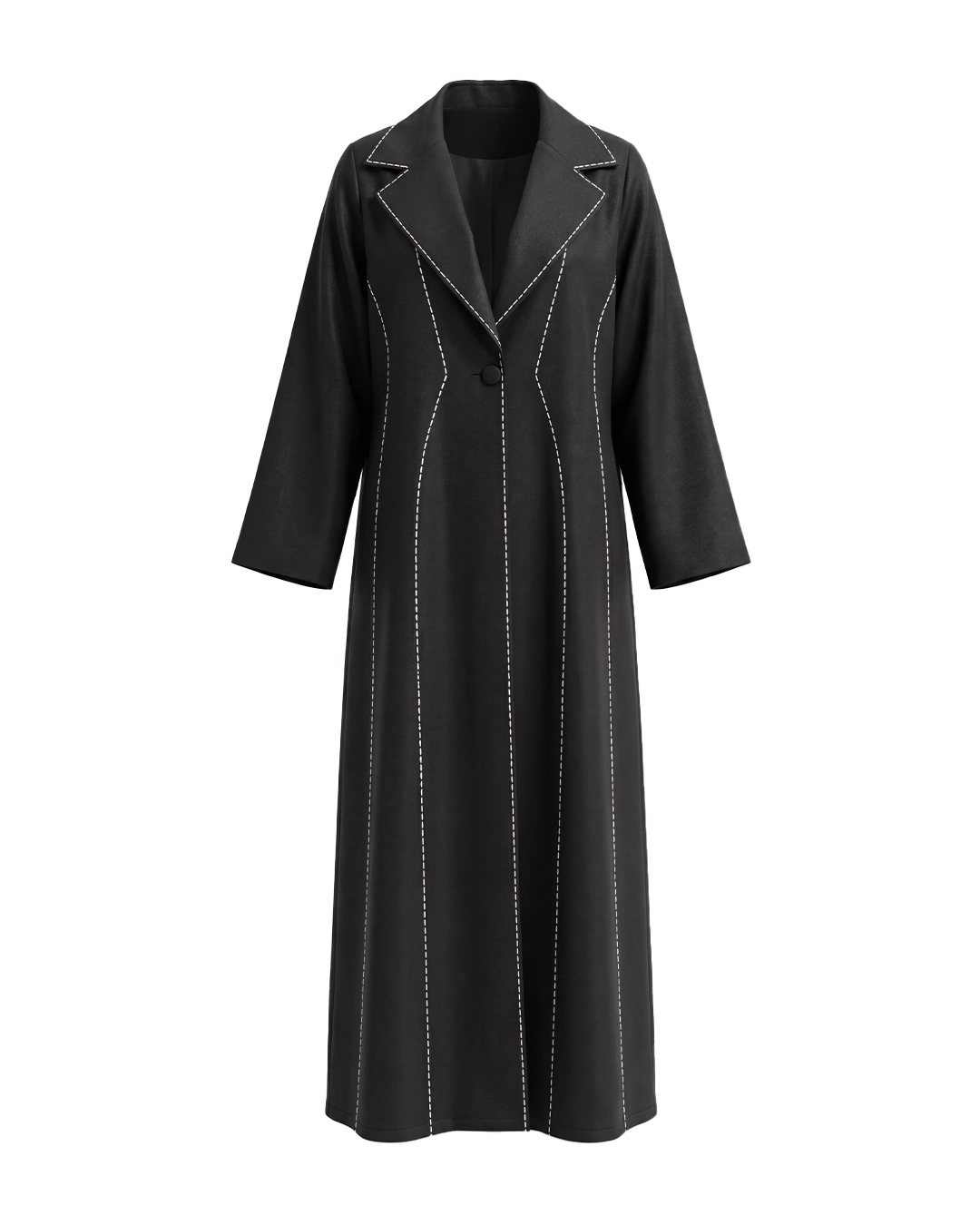
Details also influence the overall appearance. Vertical seams, front openings, and uninterrupted panels can create a longer visual line. Waist ties or shaped seams can introduce definition, while wider sleeves and decorative trims add volume or draw attention to specific areas. None of these features is automatically better; choose the details that complement the cut and suit the look you want.
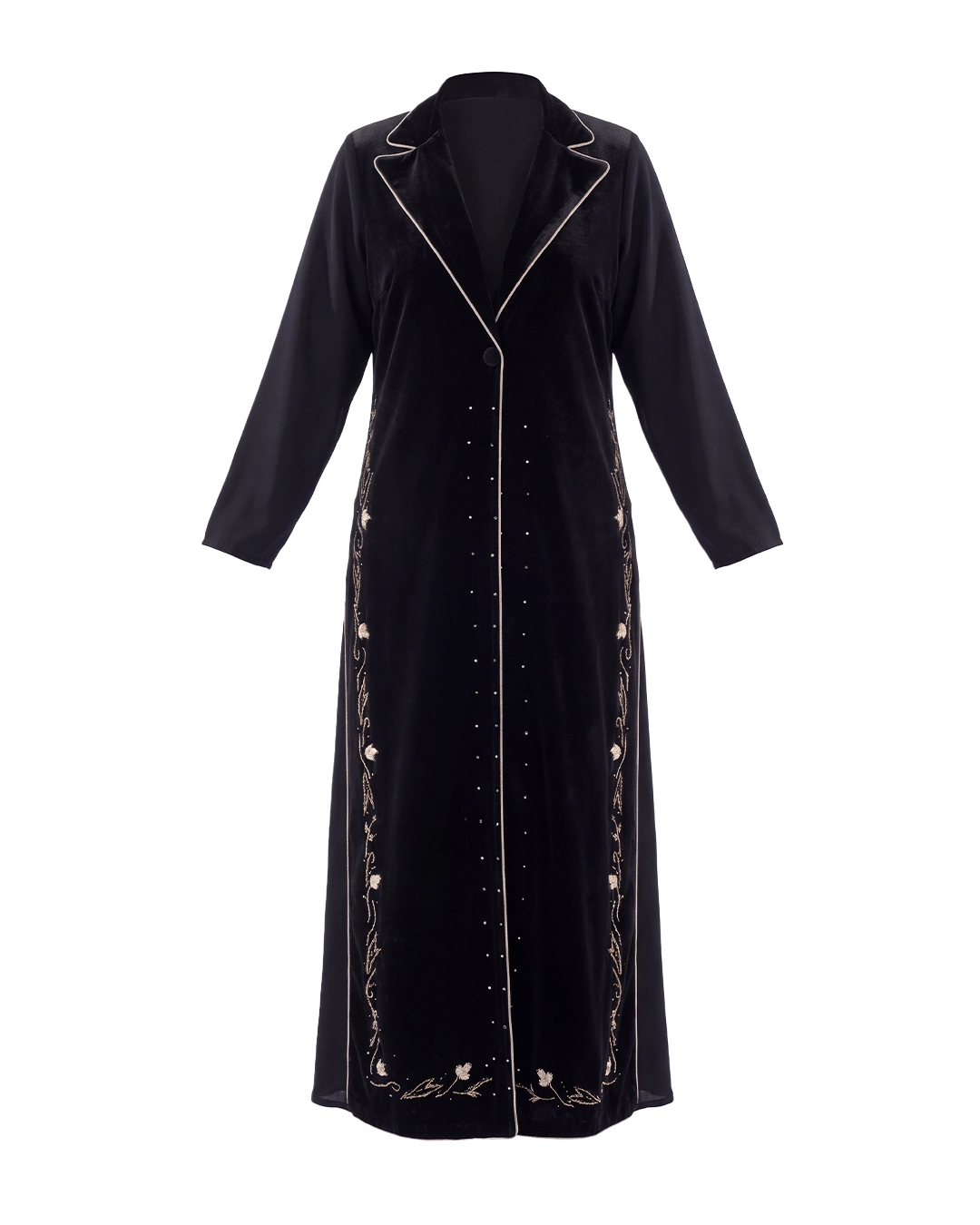
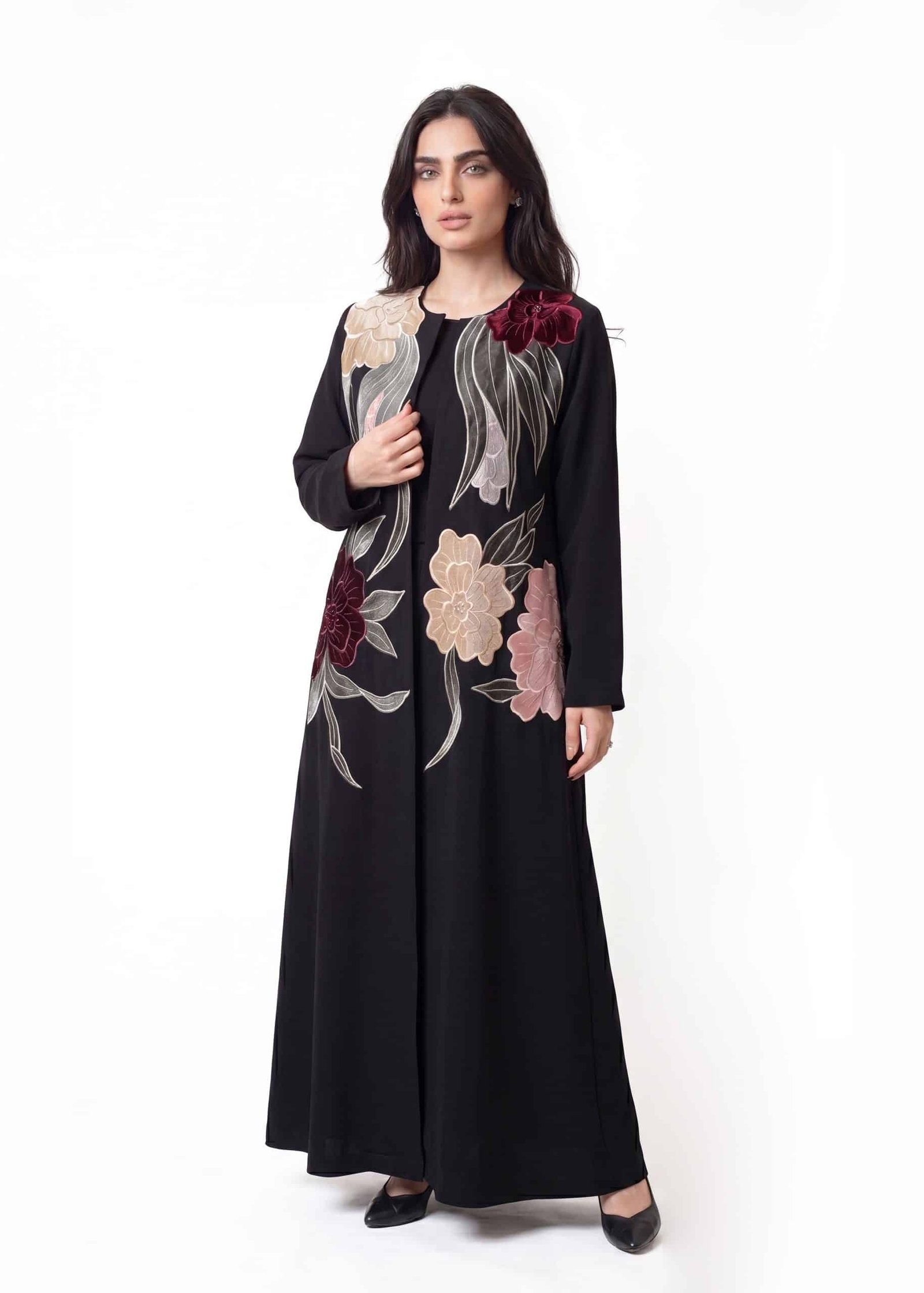
Embellishment should work with the silhouette rather than compete with it. If you prefer decorative styling, explore embroidered abayas and consider where the embroidery sits, how heavy it feels, and whether it suits the occasion.
Check the Fit Before Buying an Abaya Online
Before ordering an abaya online, check the garment measurements rather than relying on the size label alone. Compare the length, shoulder, sleeve, chest, and hip measurements with an abaya you already own to find a comfortable fit.
Review the fabric description and product photos to understand the garment’s drape, opacity, and overall design. Also, check the care instructions and return policy before purchasing. If you plan to wear the abaya over a dress or other layers, make sure it provides enough room for comfortable movement without compromising the look you want.
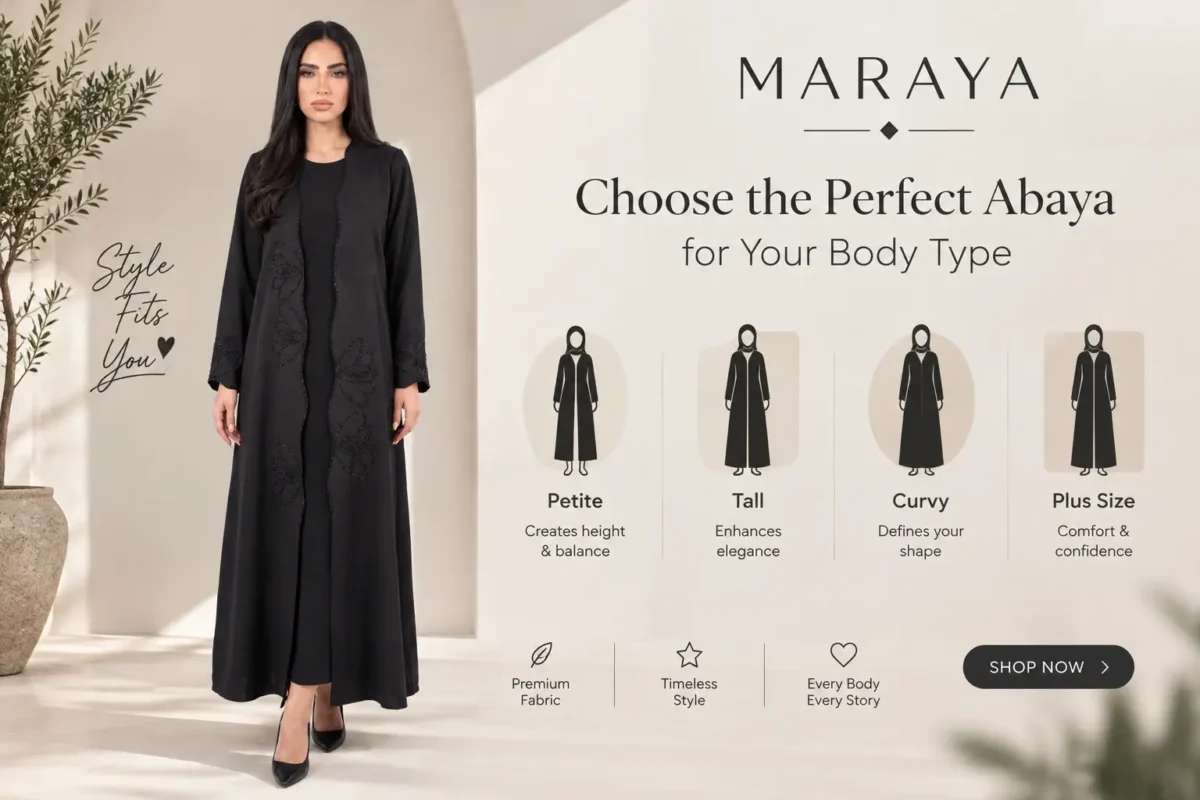
Choose an Abaya for Your Lifestyle
Consider where and how often you plan to wear an abaya before making your choice. For everyday use, prioritise comfort, easy care, and versatility. For work or formal occasions, you may prefer refined details and a fabric that maintains its shape.
If you travel frequently, look for a design that is comfortable to move in and practical to maintain. Choosing an abaya that complements your existing wardrobe can also help you create more outfits with fewer pieces. . Explore everyday abayas for examples of styles suited to regular routines.
Final Thoughts
Choosing the perfect abaya is a personal process that combines fit, comfort, fabric, length, and style. Instead of following rigid rules about body shape, focus on how a garment feels, how it moves, and whether it suits the way you dress.
Start with accurate measurements, compare the available silhouettes, and choose a fabric that works for the climate and occasion. Small details such as sleeve width, hem length, waist adjustment, and decorative finishing can make a meaningful difference to the overall experience. For more modest-fashion inspiration, explore Maraya Mag
Whether you prefer a relaxed everyday outfit or a more refined look for a special event, the most useful choice is one that makes you feel comfortable and confident. Explore classic and refined abaya designs when you want inspiration for a timeless wardrobe, and let your own preferences guide the final decision.
Frequently Asked Questions
What abaya length is best for petite women?
Lengths around 52–54 inches can be a useful starting point for petite shoppers, but the ideal measurement depends on torso proportions, footwear, and the brand’s sizing guide. Compare the garment with an abaya you already own before ordering.
What abaya length is suitable for taller women?
Lengths around 56–57 inches may be a helpful starting point for taller shoppers. However, always check the actual shoulder-to-hem measurement because sizing and construction vary between brands.
Which abaya silhouette is best for my body shape?
There is no single silhouette that works best for every person with the same body shape. Consider whether you prefer a straight, gently flared, or fuller design, then choose the option that provides your preferred coverage and comfort.
How should an abaya fit around the shoulders?
The shoulders should sit comfortably without pulling, restricting movement, or creating unwanted tension across the upper body. Check shoulder measurements and sleeve construction, especially if the garment has a more structured cut.
Which fabric is best for an abaya in hot weather?
Lightweight, breathable fabrics are often practical for warm weather. The best option also depends on opacity, drape, and how much coverage you prefer, so check the material description before buying.
Can I wear the same abaya for everyday use and special occasions?
Yes, if the design is versatile enough for both settings. A simple silhouette can be styled with understated accessories for daily wear or paired with more formal shoes, a coordinated inner layer, and jewellery for an occasion. The fabric and finishing will influence how easily the garment transitions between different settings.