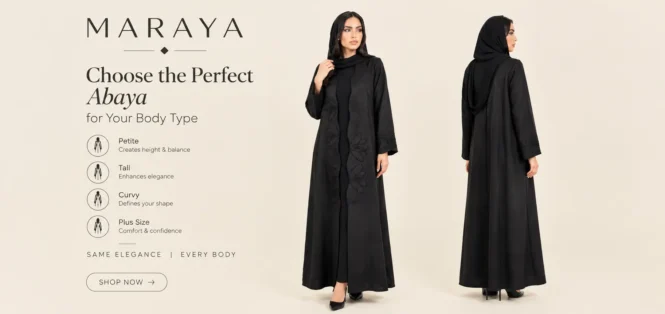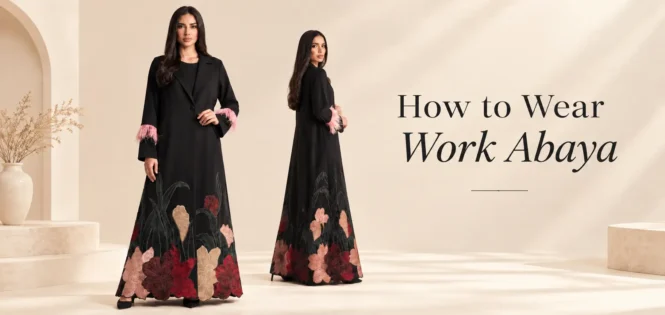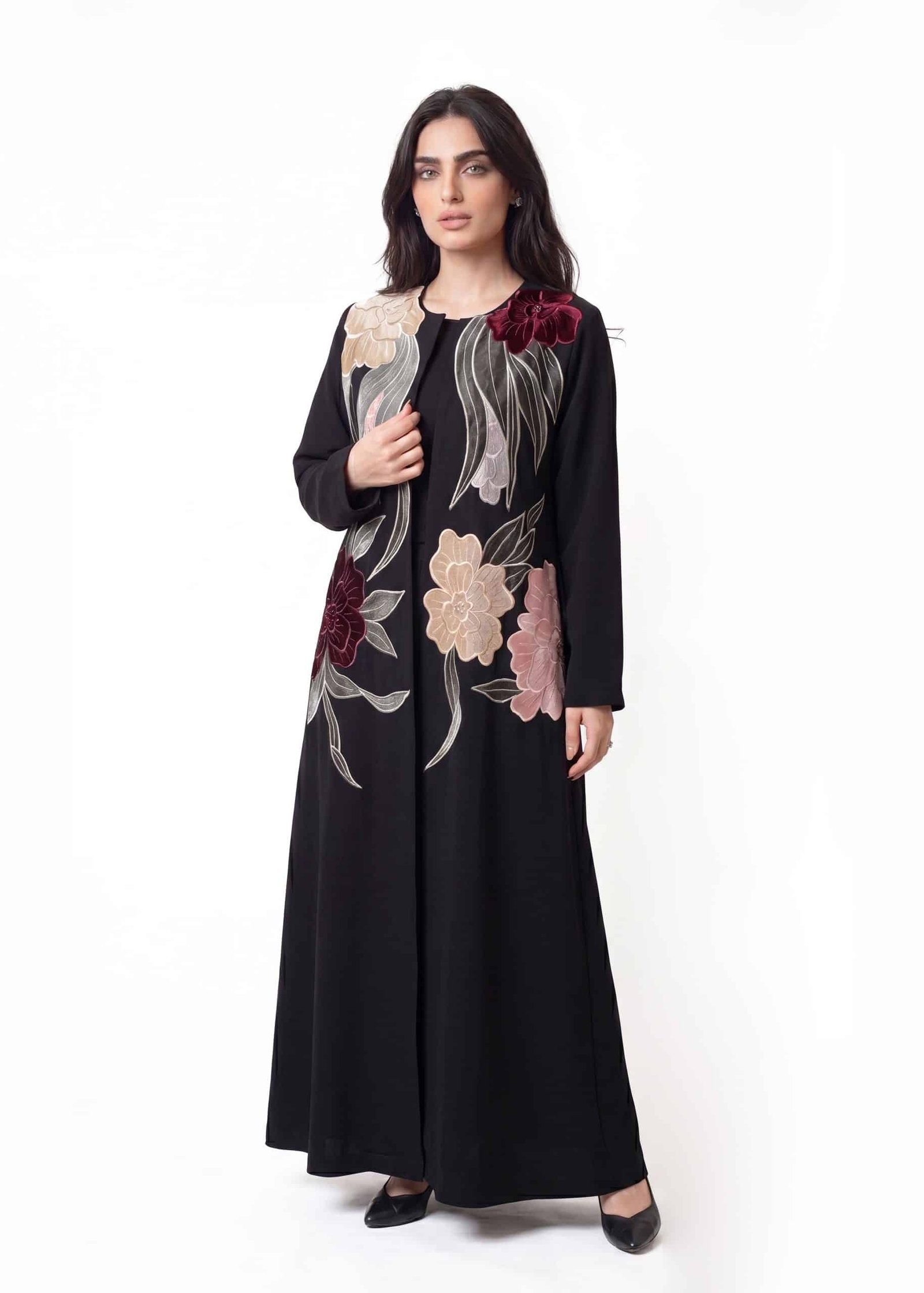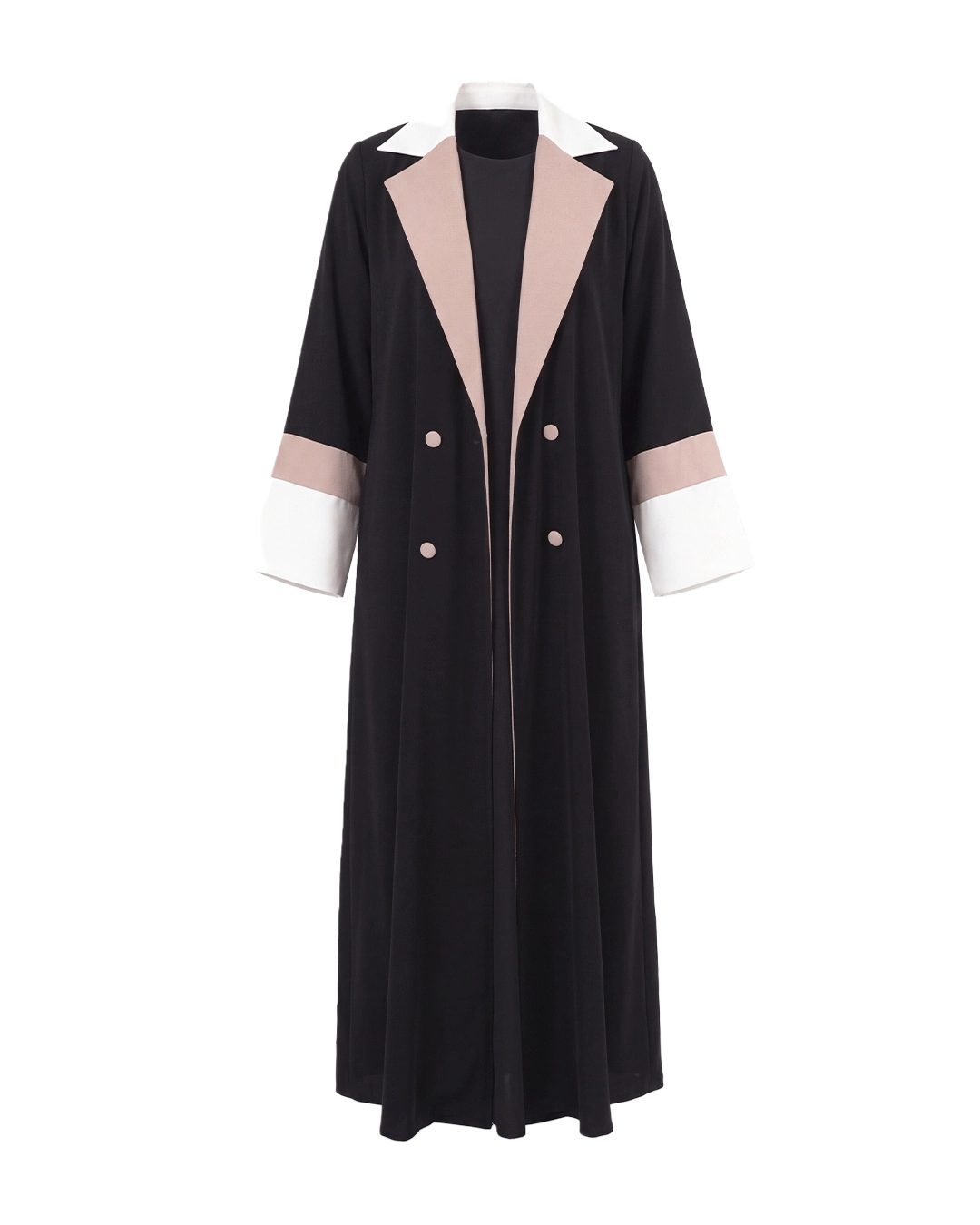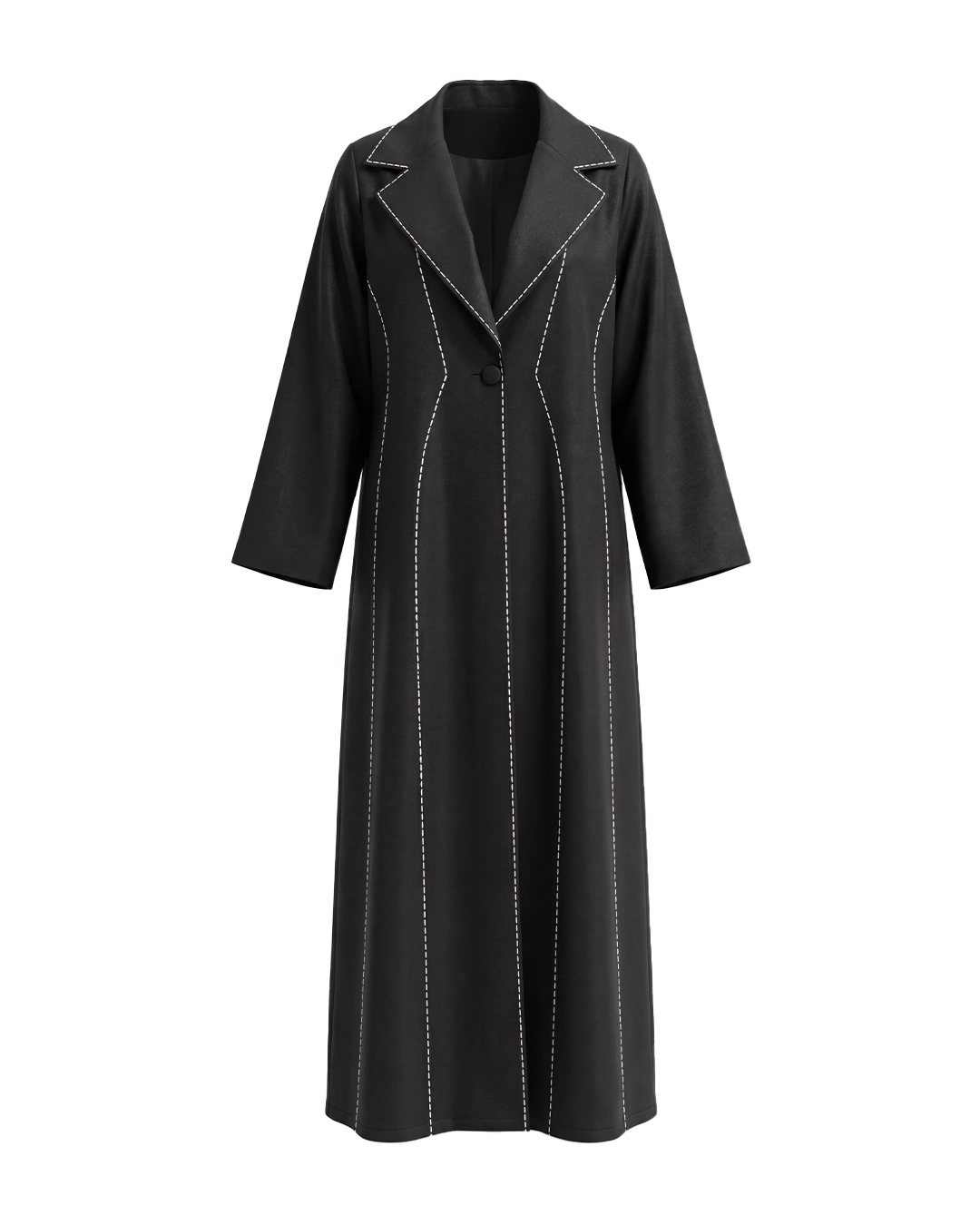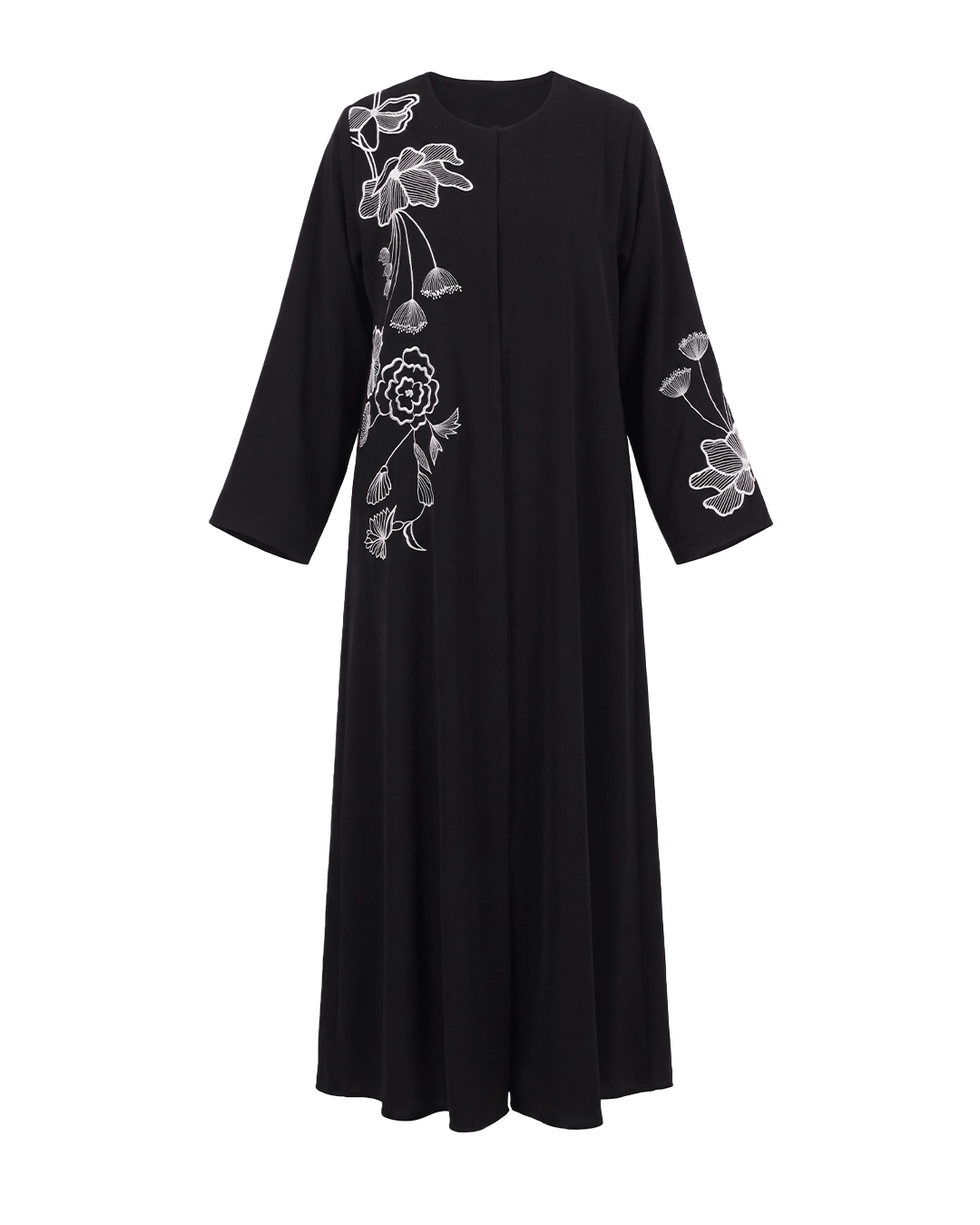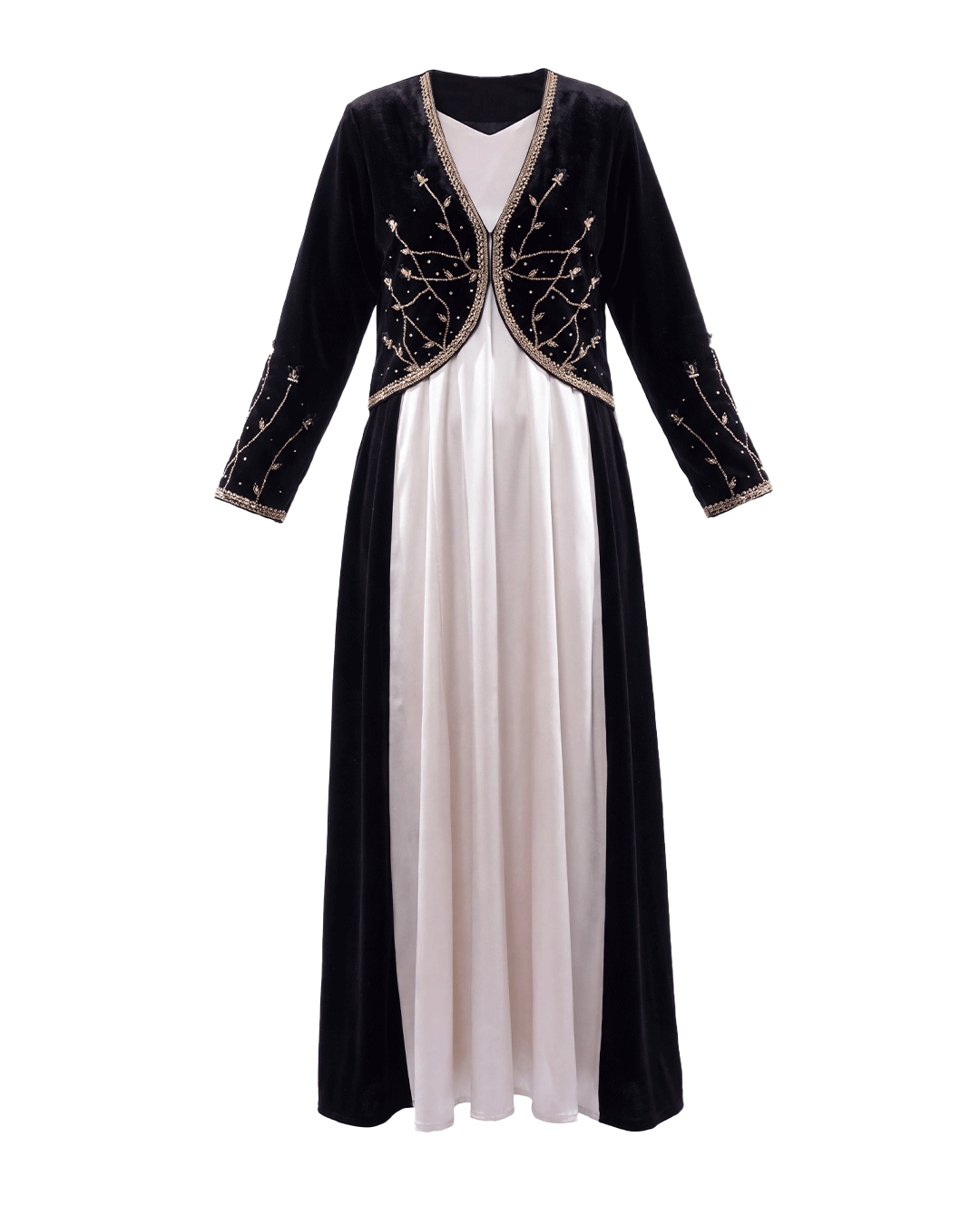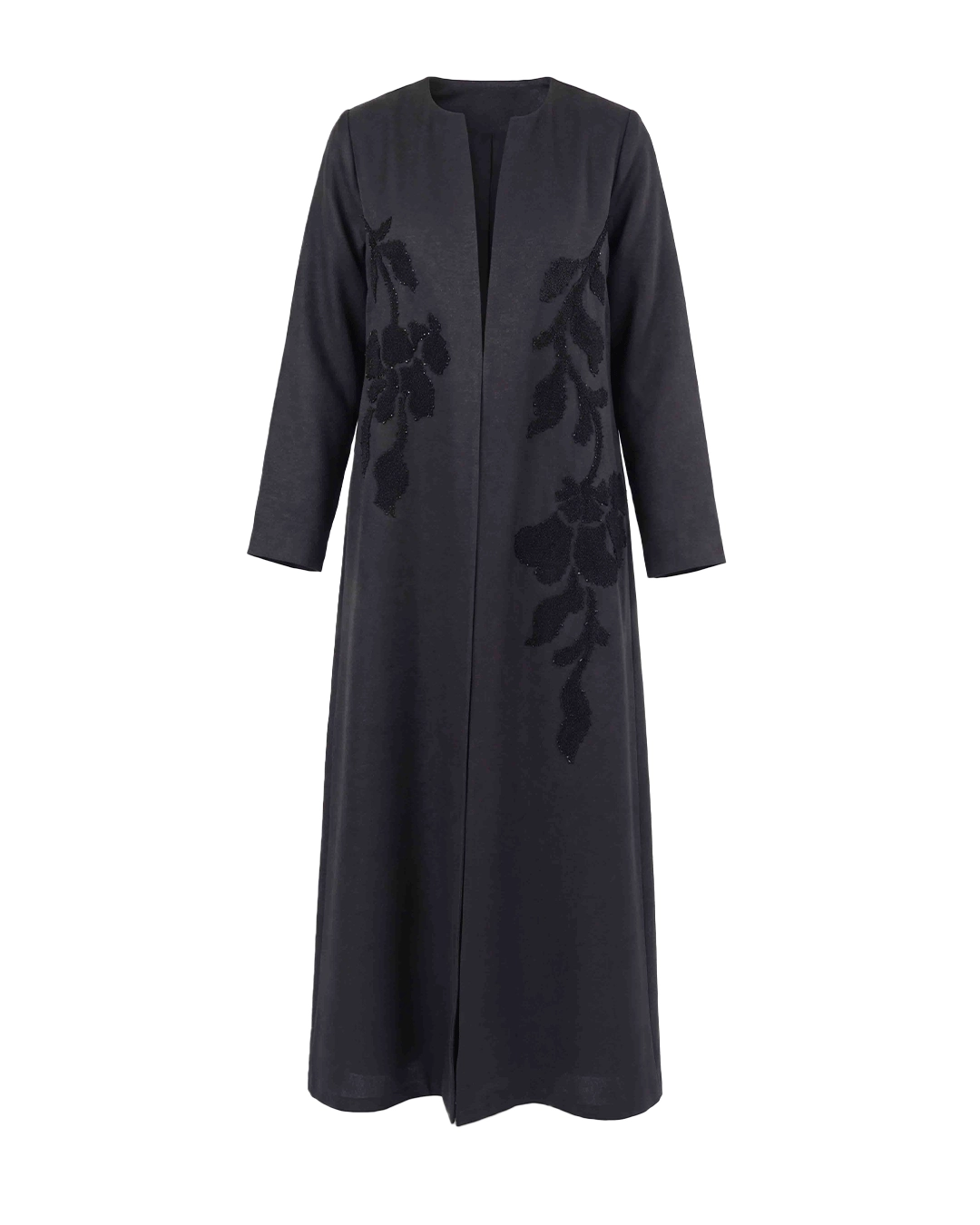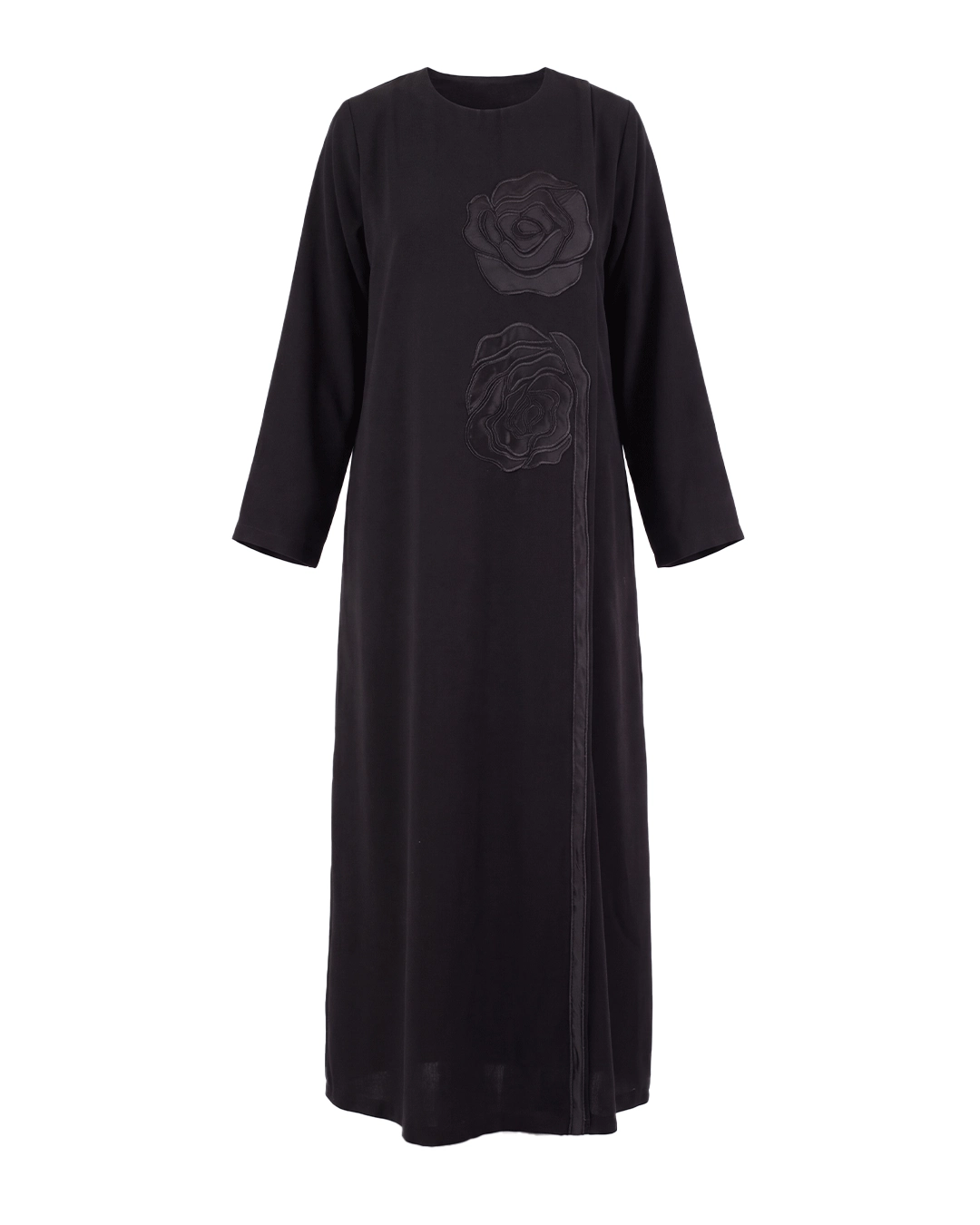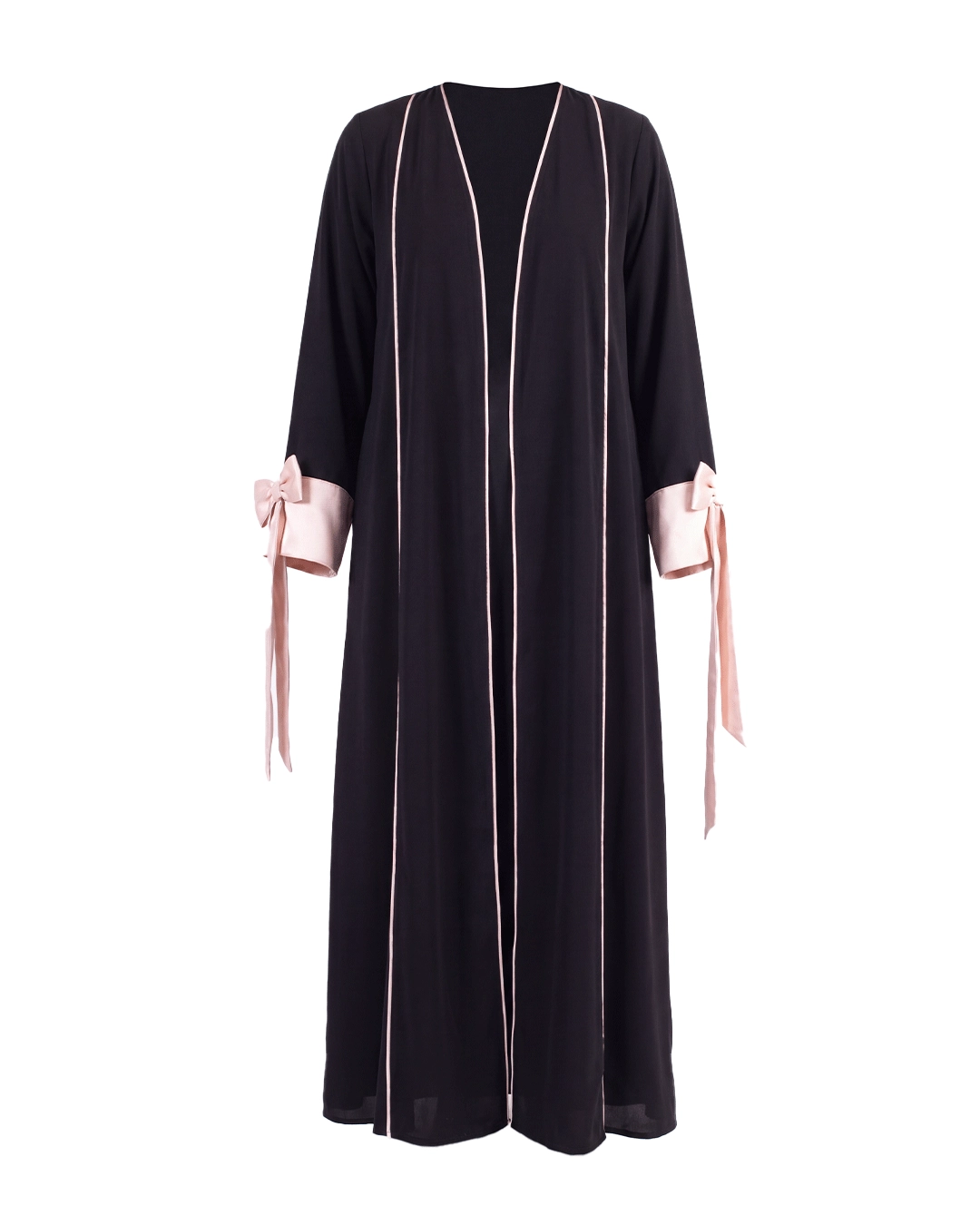
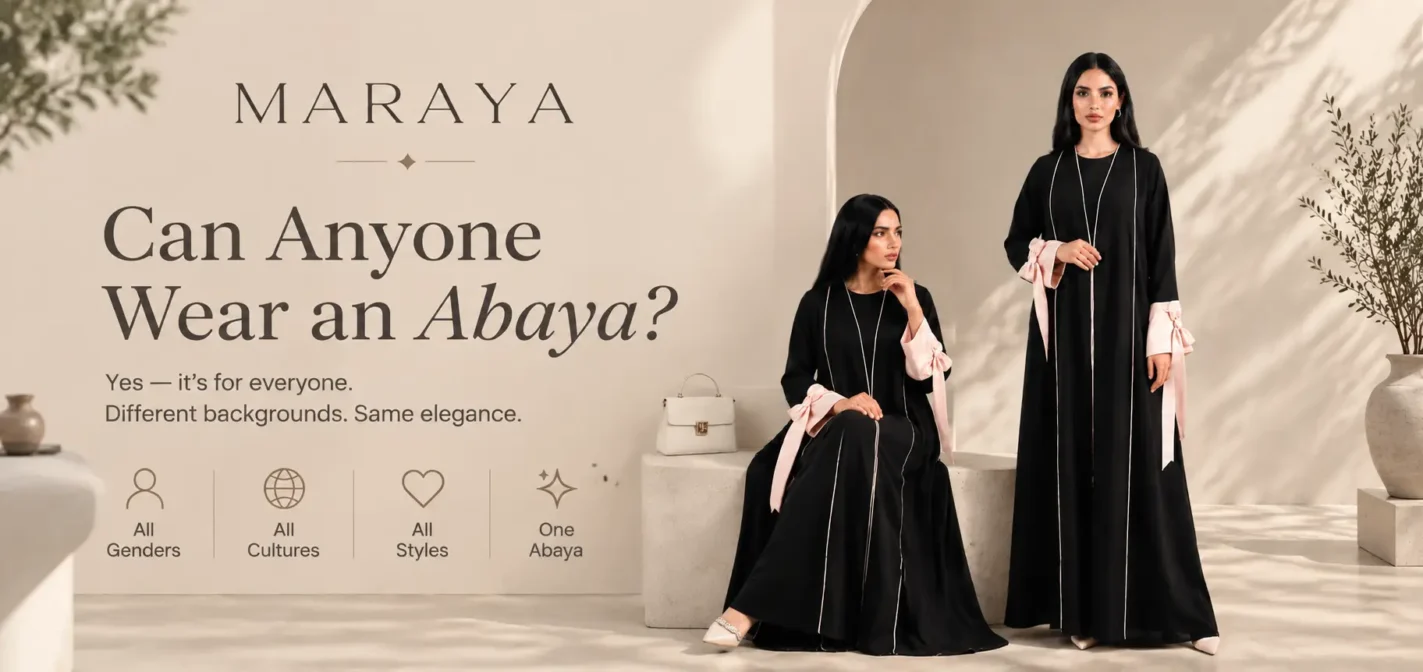
An abaya is a long, loose-fitting outer garment that many women in Muslim communities wear for modesty, cultural expression, or personal style. Today, designers have also made the abaya a popular part of contemporary modest fashion, with options ranging from simple everyday styles to elegant outfits for special occasions. But can anyone wear an abaya, including non-Muslims and tourists visiting Dubai?
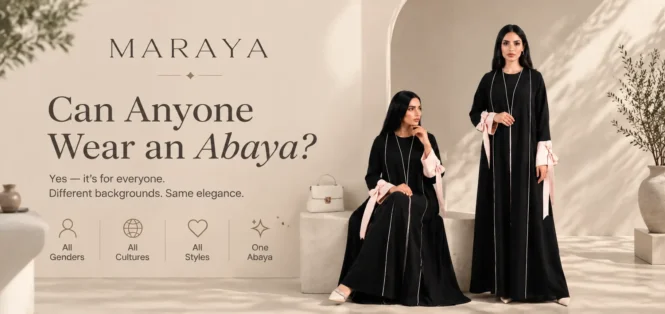
Yes, non-Muslims can generally wear an abaya. You do not need to be Muslim to choose this garment. People from different backgrounds wear abayas for comfort, modesty, fashion, or cultural experiences. The key is to understand the setting, respect local customs, and follow any dress requirements that apply to your destination.
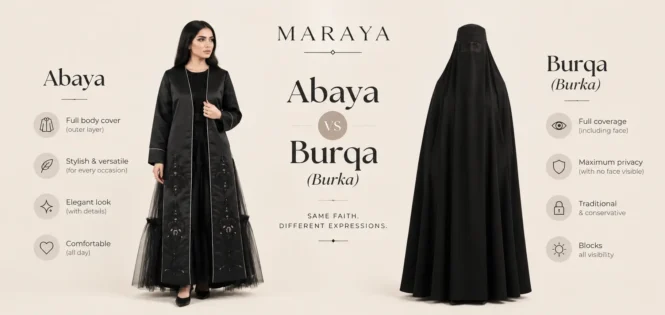
What Are an Abaya, Hijab, Sheila, and Niqab?
Understanding these garments helps visitors make informed clothing choices and avoid confusing cultural clothing with religious requirements.
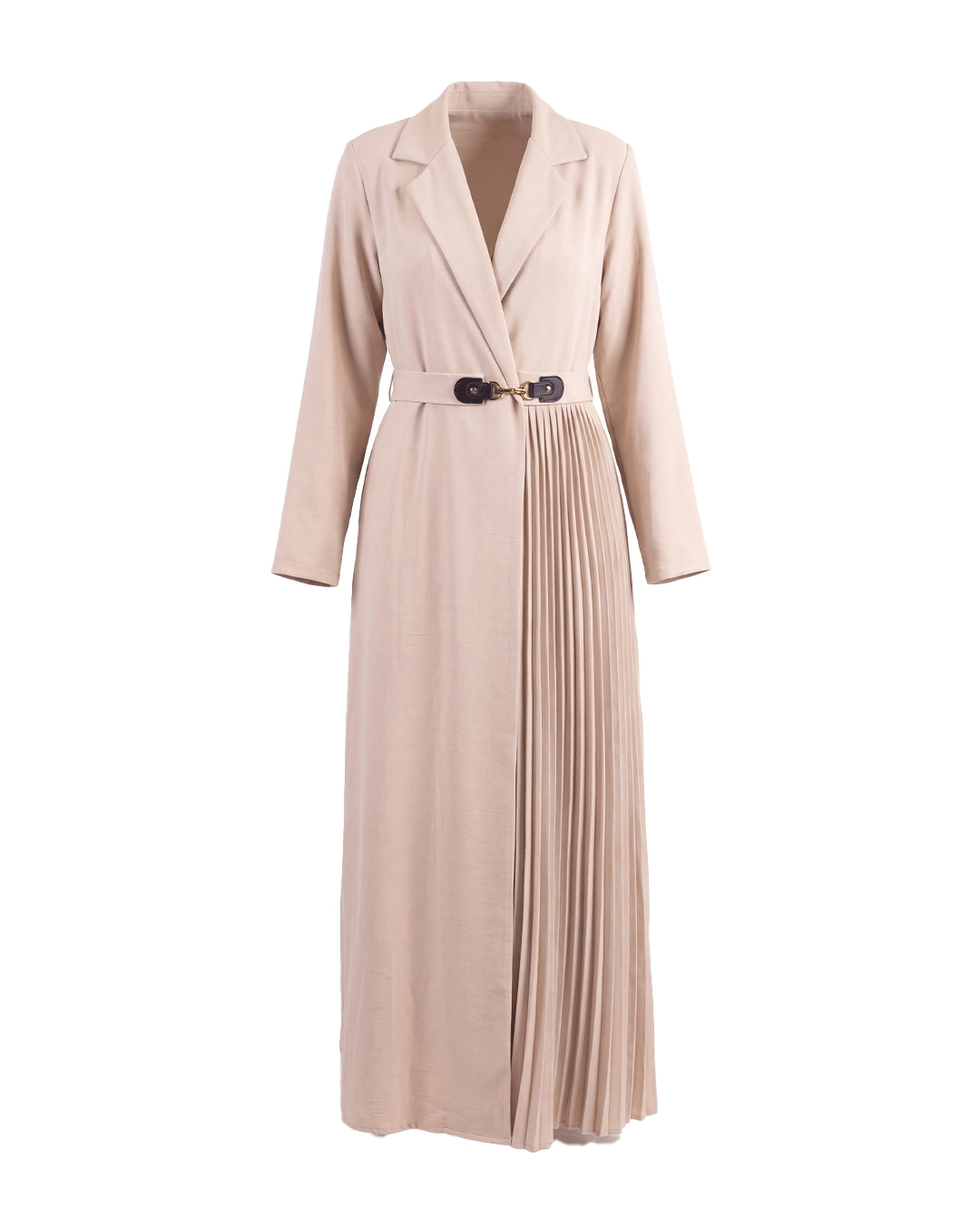
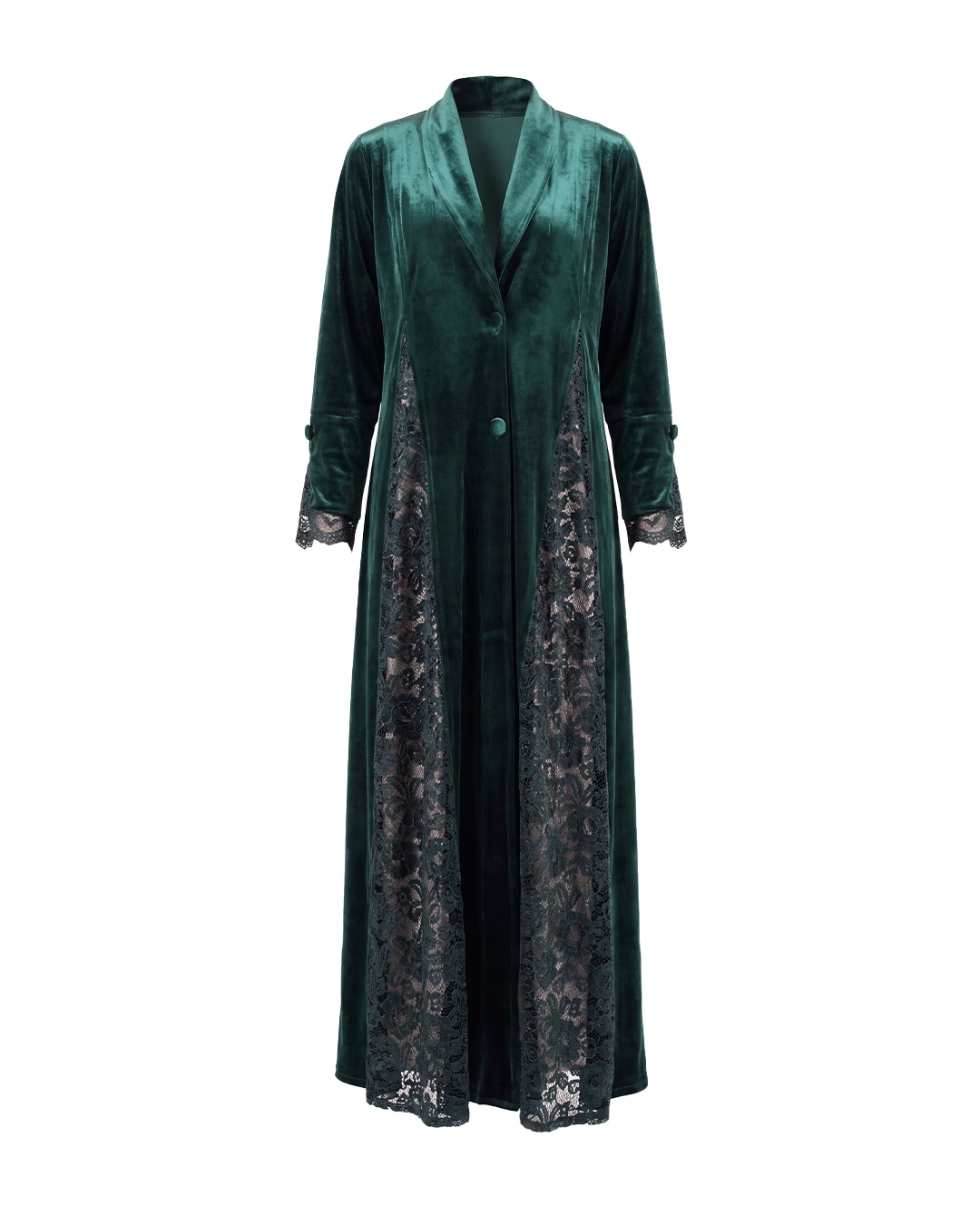
- Abaya: A long, loose outer garment that women commonly wear over everyday clothing. It can feature an open front or a closed design, with styles ranging from plain to decorative.
- Hijab: A term that often refers to a headscarf Muslim women wear to cover their hair. It can also describe broader principles of modesty.
- Sheila: A lightweight scarf that women commonly wear over the head and shoulders in the Gulf region.
- Niqab: A face covering that leaves the eyes visible. Some Muslim women choose to wear it.
These garments serve different purposes. An abaya covers the body, while a hijab or sheila covers the hair. Personal choices, cultural traditions, and the rules of a particular venue determine when women need to cover their hair.
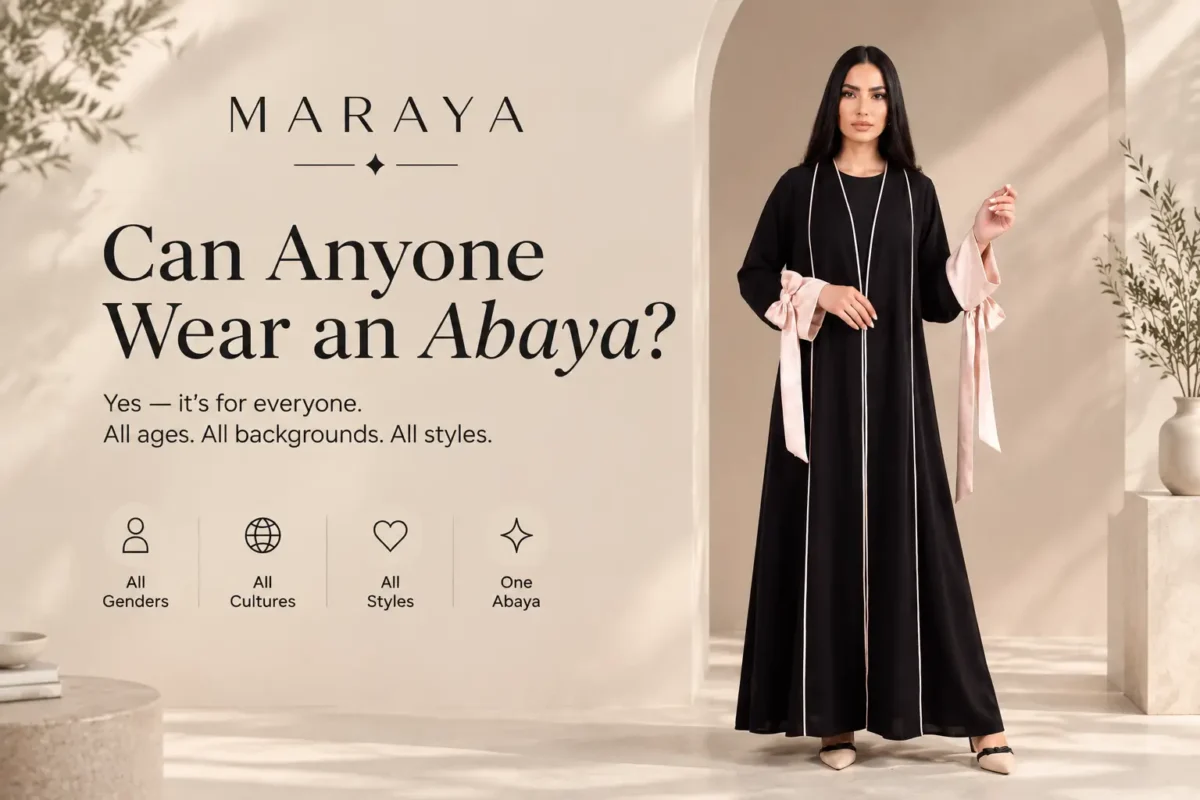
Can Non-Muslims Wear Abayas?
Yes. An abaya does not belong exclusively to Muslim women. Non-Muslims can wear one as modest clothing or as part of their personal style. Many women appreciate the garment’s loose silhouette, versatility, and ability to create a polished outfit with minimal effort.
However, not every abaya suits every occasion. A relaxed everyday style may work well for shopping or sightseeing, while a mosque visit may require a design that covers the arms and legs, along with a head covering.
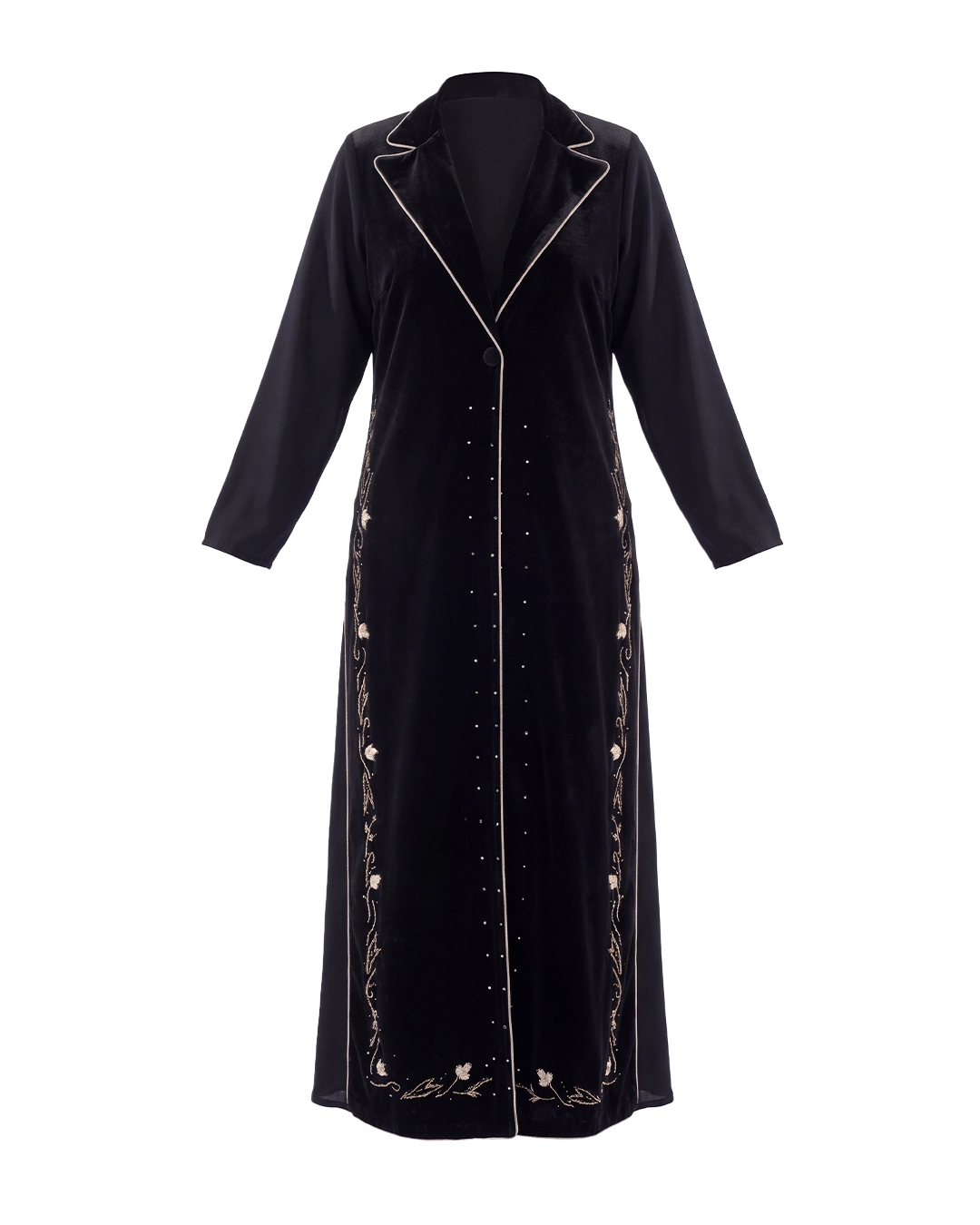
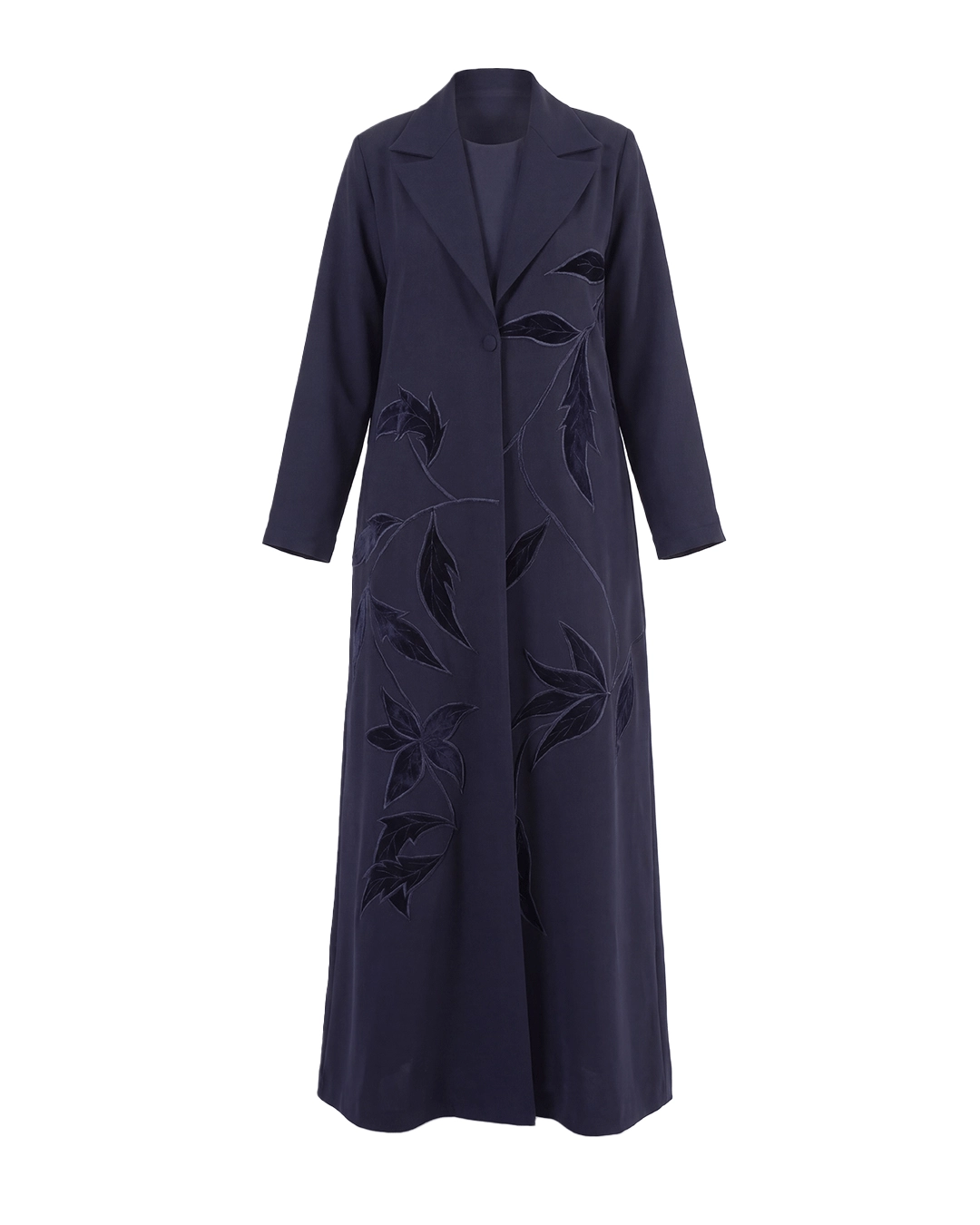
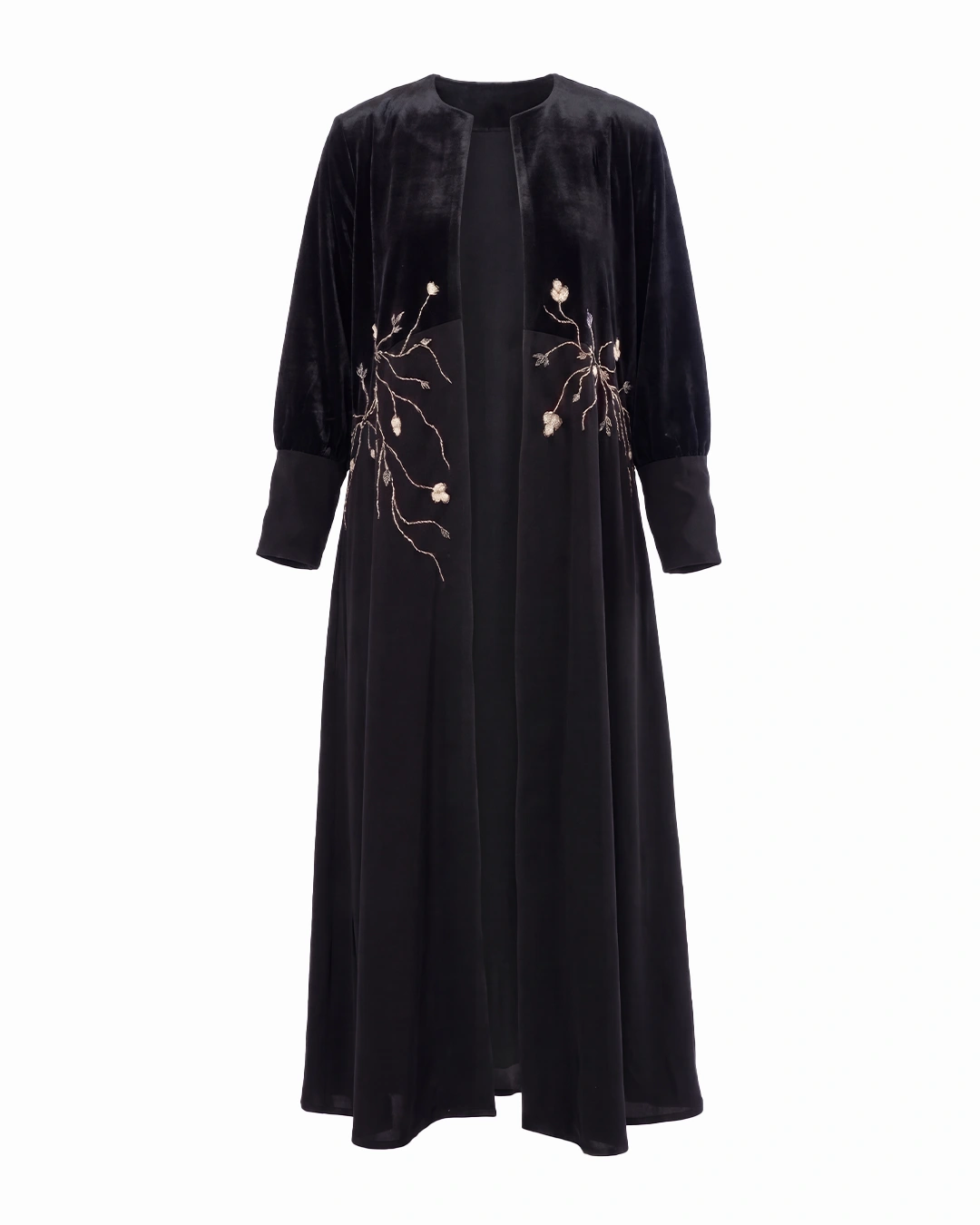
For special occasions, embroidered abayas offer decorative details while maintaining a modest silhouette. Choose a design that suits the occasion, feels comfortable, and meets any dress requirements at your destination.
Can Tourists Wear an Abaya in Dubai?
Tourists generally do not need to wear an abaya for everyday activities in Dubai. The city welcomes visitors with different clothing styles, but local customs encourage modest dress in many public places. Religious sites and certain venues may also set specific clothing requirements.
When you visit shopping malls, traditional markets, museums, or public buildings, choose clothing that covers your shoulders and knees as a sensible starting point. Beaches and hotel pools follow different expectations, while mosques often require more coverage. Always check the venue’s guidance before you visit.
The UAE government explains local expectations in its visitor guidance on social responsibility. You can also consult Visit Dubai’s practical travel information when preparing for your trip.
What Should Women Wear in Dubai?
How to Choose the Right Abaya for Your Trip to Dubai
When you choose an abaya for your Dubai trip, consider the weather, your activities, and the places you plan to visit. Lightweight fabrics such as breathable crepe and soft cotton blends can help you stay comfortable in warm weather. A simple, loose silhouette also works well for sightseeing, shopping, and exploring traditional neighbourhoods.
Think about versatility, too. A neutral-coloured abaya can suit several occasions, from exploring traditional markets to enjoying dinner at a restaurant. For a formal outing, choose refined details or subtle embroidery instead of heavy layers. You can explore classic abaya styles for inspiration when planning a polished outfit.
If you prefer to layer your clothing, an open-front design gives you more styling options. You can wear it over a long dress, trousers, or coordinated separates, depending on the occasion. Most importantly, choose an outfit that reflects your personal style and respects the expectations of each venue. You do not need to wear an abaya throughout your trip, but it can offer a practical option when you want additional coverage.
What Should Non-Muslims Wear to a Mosque in the UAE?
Mosques often have stricter dress codes than shopping malls, hotels, and other public spaces. Women visitors commonly need to wear loose clothing that covers their arms and legs, along with a head covering. Tight, transparent, or revealing garments may not meet the mosque’s requirements.
Before you visit, review the official Jumeirah Mosque visitor dress code. The Sheikh Zayed Grand Mosque Centre also explains appropriate clothing and visitor etiquette in its guidance on mosque manners. Check the relevant website before your visit because each mosque may have different rules and visitor arrangements.
If you are unsure what to wear, choose a loose, ankle-length outfit with long sleeves and bring a scarf. Some mosques offer suitable garments to visitors, but you should confirm availability before you arrive.
Do non-Muslims need to wear a hijab to enter a mosque? Many mosques require women visitors to cover their hair, regardless of their religion. Check the specific mosque’s guidance rather than assuming that every venue follows identical rules.
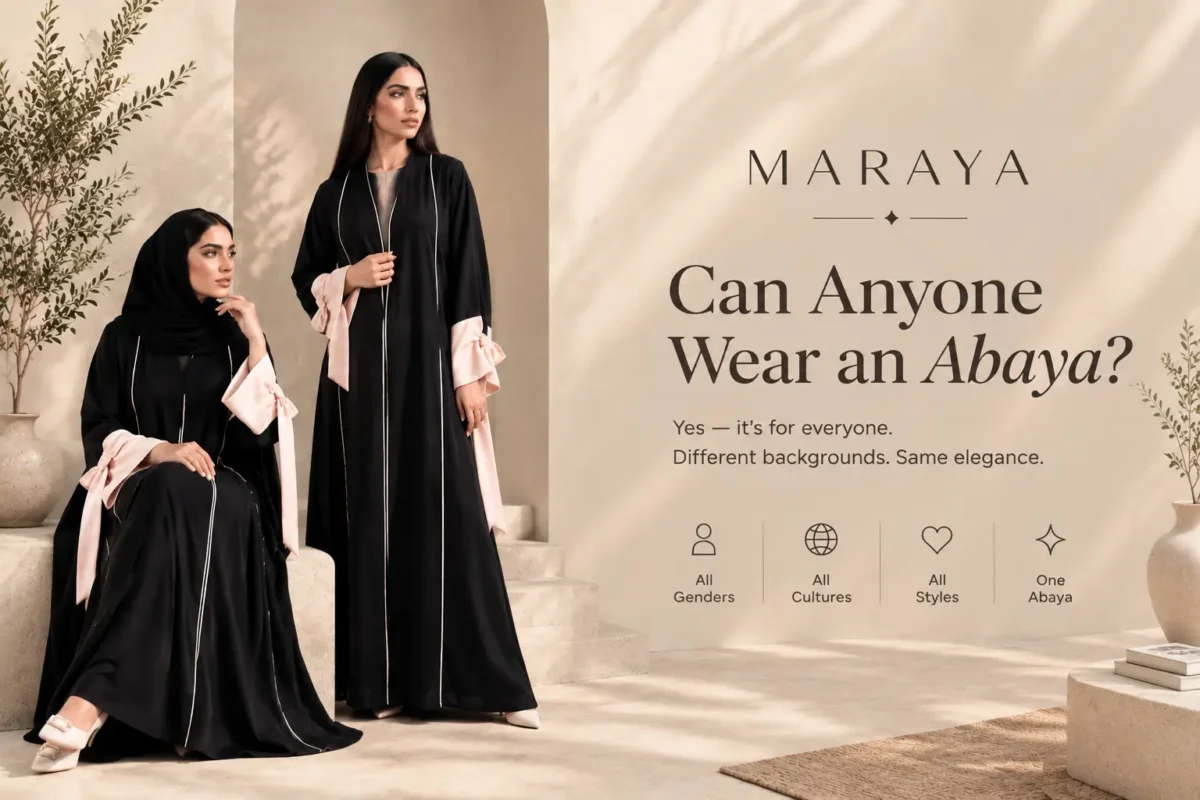
How to Wear an Abaya Respectfully
Wearing an abaya respectfully starts with recognising its cultural, religious, and personal significance. You do not need to be Muslim to wear one, but you should understand the context and avoid presenting the garment as a costume or caricature.
Choose a design that suits the occasion, fits comfortably, and provides the coverage you want. In a religious setting, follow the venue’s dress code before considering fashion preferences. In everyday settings, you have more freedom to experiment with colours, fabrics, layers, and silhouettes.
Your styling choices can reflect your personality without disrespecting the garment’s cultural significance. Simple accessories, comfortable shoes, and coordinated colours can create a polished outfit without adding unnecessary complexity.
What Should You Wear Under an Abaya?
Your choice of underlayers depends on whether the abaya has an open or closed front, how transparent the fabric is, and how much coverage you want. A lightweight dress, trousers with a long top, or a coordinated two-piece outfit can all work well.
An open-front abaya works particularly well with layered outfits. Choose an underlayer that provides suitable coverage when you walk, sit, or move. If the outer fabric looks sheer, check the complete outfit in natural light before leaving home.
Breathable materials can help you stay comfortable in Dubai’s warm climate, while a light extra layer can make strongly air-conditioned indoor spaces more comfortable. For daily activities, choose an everyday abaya that pairs easily with comfortable shoes and simple accessories. The right combination should feel natural, suit your plans, and allow you to move freely.
Cultural Appreciation vs. Cultural Appropriation
Cultural appreciation means learning about a garment’s significance, recognising the traditions associated with it, and engaging with those traditions respectfully. Cultural appropriation concerns may arise when someone uses cultural clothing to mock a community, reinforce stereotypes, or deliberately ignore its meaning.
Wearing an abaya does not automatically amount to cultural appropriation. Context matters: why you wear it, where you wear it, how you present it, and whether you respect local expectations.
Before wearing an abaya for a cultural event or photo opportunity, ask yourself a few questions:
- Am I following the dress code of the place or event?
- Am I wearing the garment respectfully rather than using it as a joke or disguise?
- Do I understand that people have different relationships with this clothing?
- Will I listen respectfully if someone raises a cultural concern?
Muslim women and people from Gulf communities do not all share the same opinions about abayas or how others should wear them. Some welcome the appreciation of modest fashion, while others may have different views. Listen to individual perspectives without assuming that one person speaks for an entire culture.
Common Mistakes to Avoid
A few simple adjustments can help visitors avoid uncomfortable situations and make more thoughtful clothing choices.
Assuming an abaya is compulsory everywhere: Tourists generally do not need one for ordinary activities in Dubai. Check the requirements of your destination instead of treating every location alike.
Assuming an abaya automatically meets every dress code: A sheer, tight, or open design may not provide the coverage a religious venue requires. Check the rules and choose suitable layers.
Treating the garment as a costume: Avoid exaggerated stereotypes, mocking gestures, or jokes about religious clothing. Recognise that many people connect the abaya with personal identity, modesty, or cultural tradition.
Ignoring official venue guidance: Mosques, cultural attractions, hotels, and event spaces may follow different rules. Check the relevant guidance before travelling or attending an event.
Assuming every woman wears an abaya for the same reason: Some women connect the garment with faith, while others value its cultural meaning, practicality, or style. Respect these differences instead of making assumptions.
Final Thoughts: Can Anyone Wear an Abaya?
Yes, people from different backgrounds can generally wear an abaya. The key is to understand the setting, follow applicable dress codes, and respect the garment’s cultural and personal significance. Tourists visiting Dubai usually have flexibility in their everyday clothing, while mosque visits require closer attention to official guidance.
An abaya can offer comfort, elegance, and versatility without becoming a costume or a trend stripped of its cultural context. If you want more inspiration for modest styling, fabrics, and contemporary silhouettes, explore Maraya Magazine for more ideas.
Frequently Asked Questions
Do tourists need to wear an abaya in Dubai?
No. Tourists generally do not need an abaya for ordinary public activities. Modest clothing works well in many settings, while mosques and certain cultural venues may set specific dress requirements.
Can I wear an abaya without a hijab?
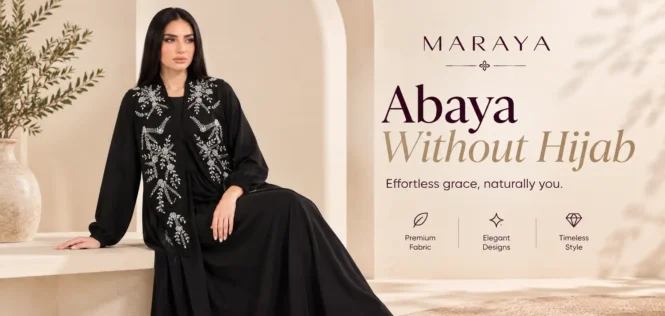
Yes. An abaya and a hijab serve different purposes, and wearing an abaya does not automatically require a headscarf in everyday settings. However, a mosque may ask women visitors to cover their hair, so check the venue’s dress code.
Is it okay to wear an abaya in a non-Muslim country?
Generally, yes. You can wear an abaya as modest fashion or personal clothing in countries where local rules permit it. Choose a style that suits the setting and wear it respectfully.
Can a non-Muslim woman wear an abaya to a mosque?
Many mosques welcome non-Muslim visitors, and a non-Muslim woman can wear an abaya if she follows the mosque’s dress code. Some venues also require a head covering and full, loose coverage. Check visitor access and clothing rules before arriving.
Are abayas provided at mosques in Dubai?
Some mosques offer garments to visitors, but availability varies. Contact the mosque or check its official visitor information before your visit instead of relying on the venue to provide clothing.
Can I wear an abaya to a wedding or cultural event if I am not Muslim?
Often, yes, provided the outfit suits the occasion and the host’s expectations. For a religious ceremony or culturally specific event, ask the organiser about the dress code before choosing your outfit.
What if someone says it is inappropriate for me to wear an abaya?
Listen calmly and ask for clarification if you need it. You can explain your intention without becoming defensive, and you can adjust your clothing if the venue or situation calls for it. Remember that opinions differ, and one person cannot represent every community.
Is an abaya religious clothing or a fashion choice?
It can be both. Many women wear abayas because of their beliefs, cultural traditions, personal identity, or preference for modest clothing. Others appreciate the garment’s silhouette and versatility. The meaning often depends on the wearer and the context.