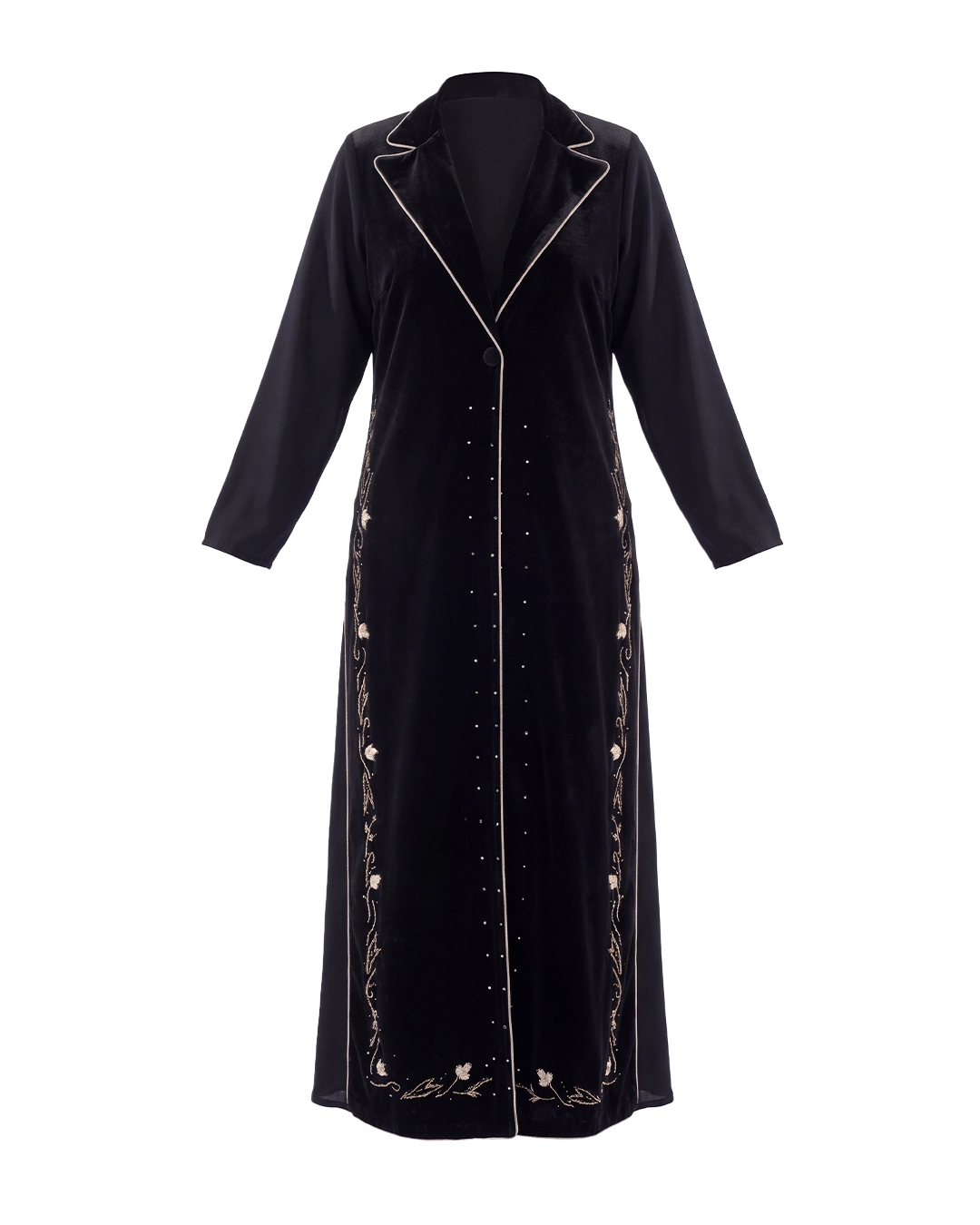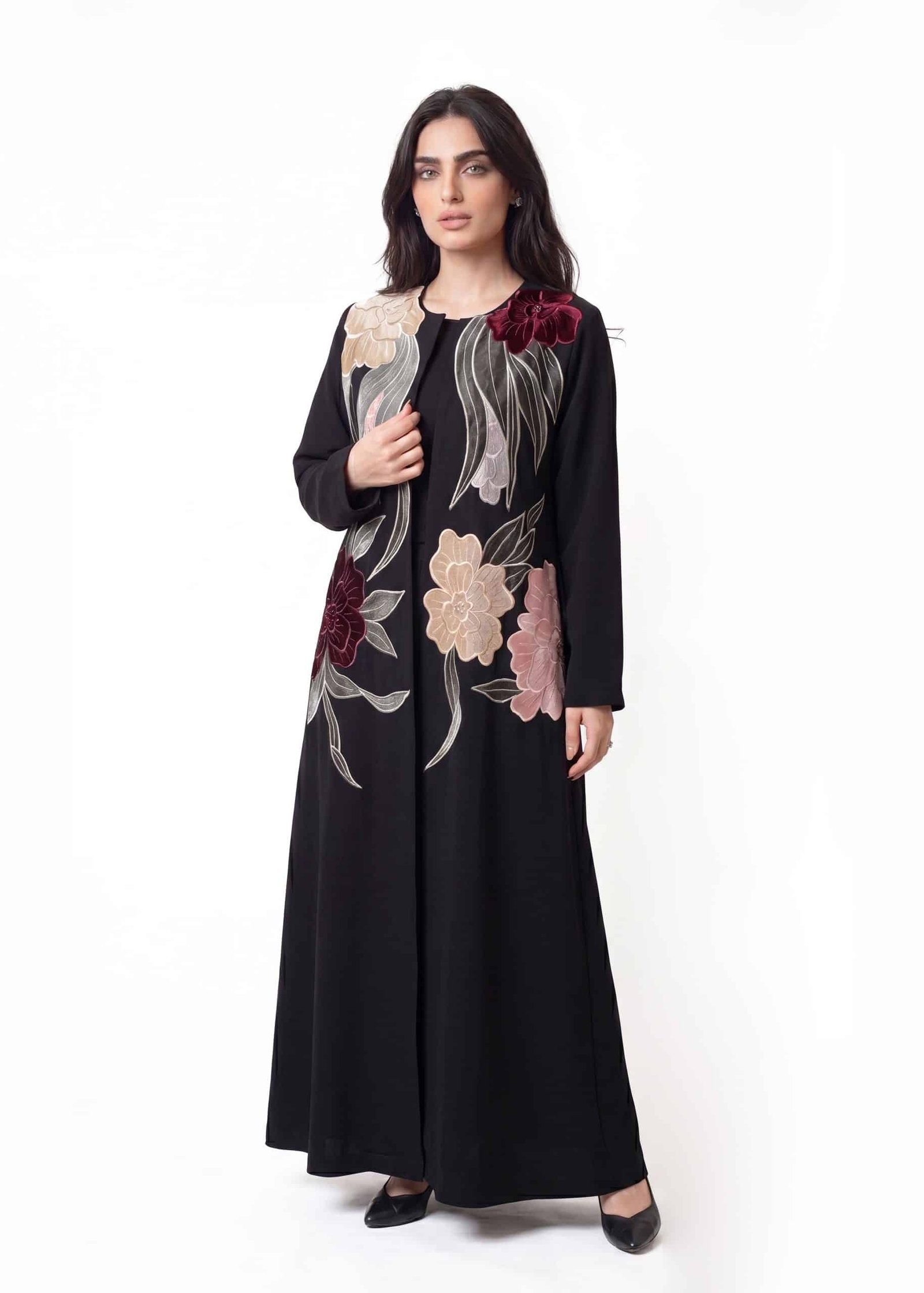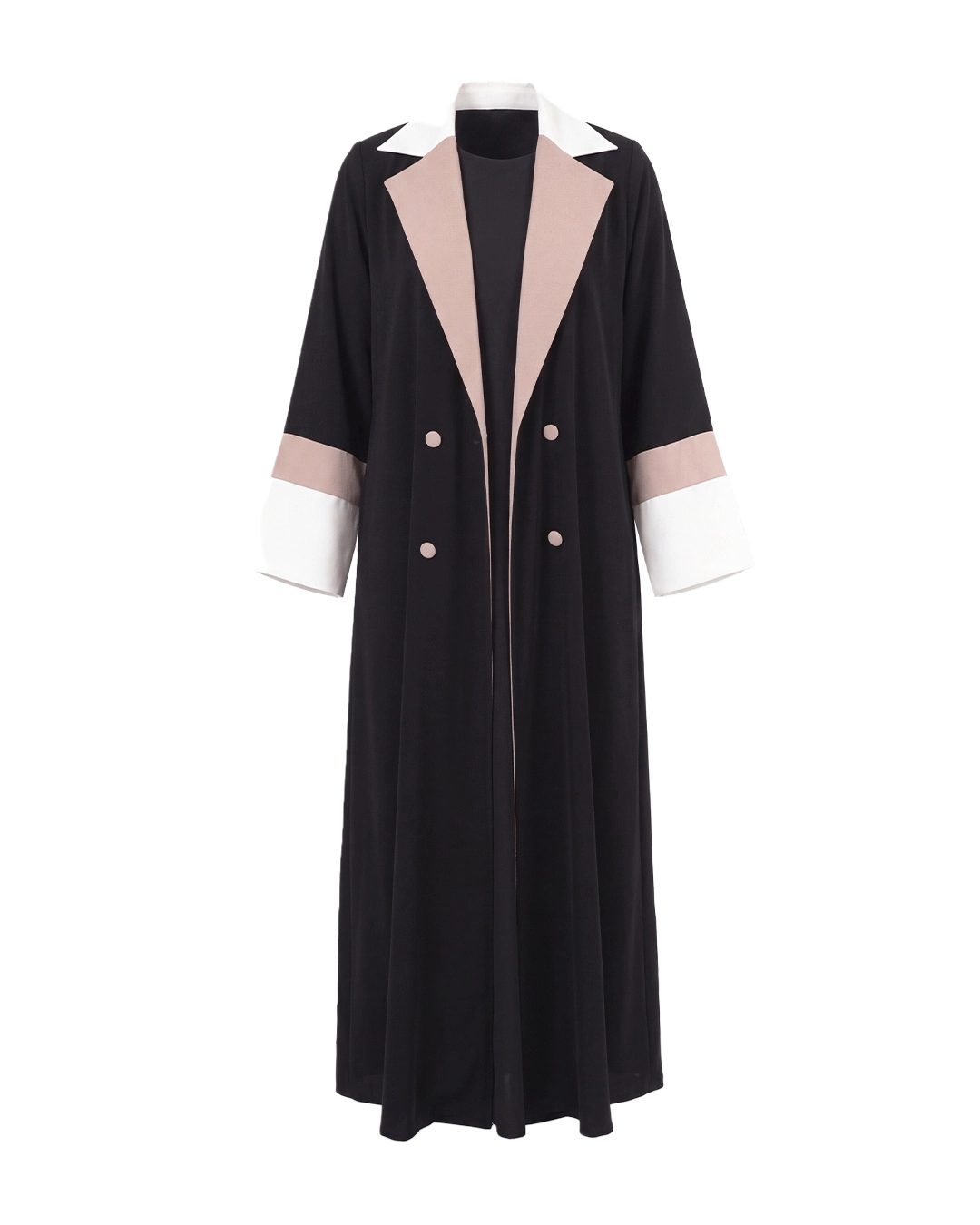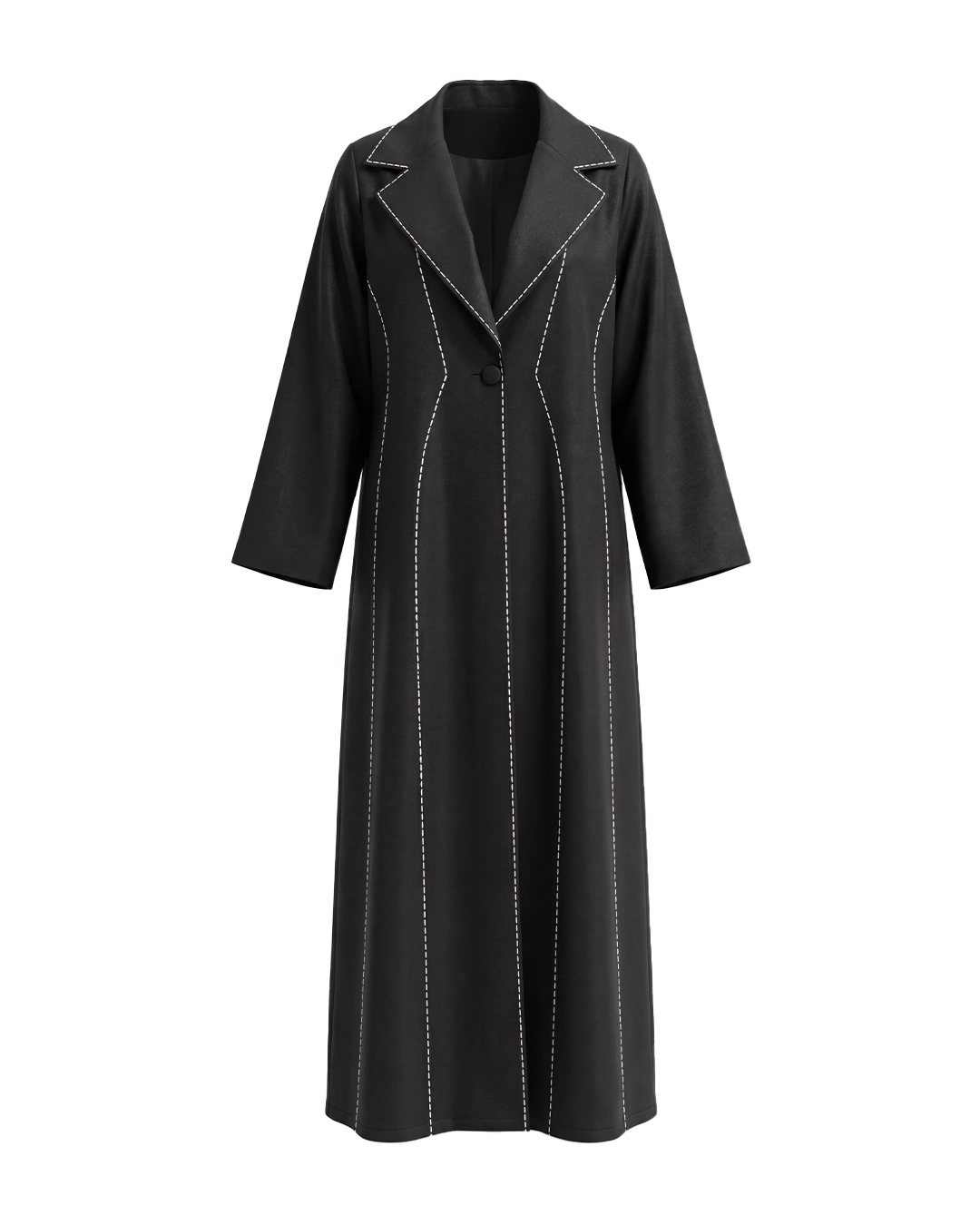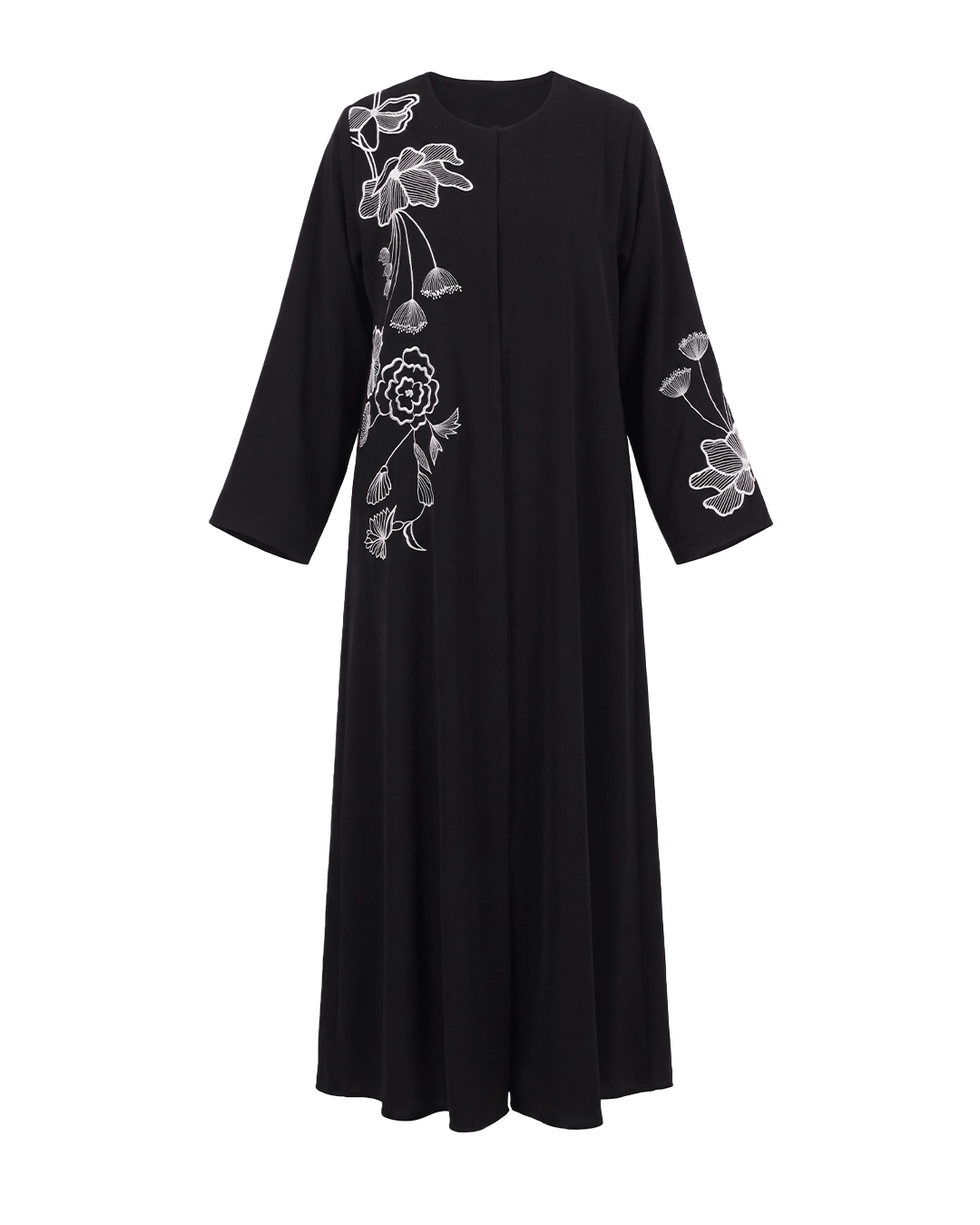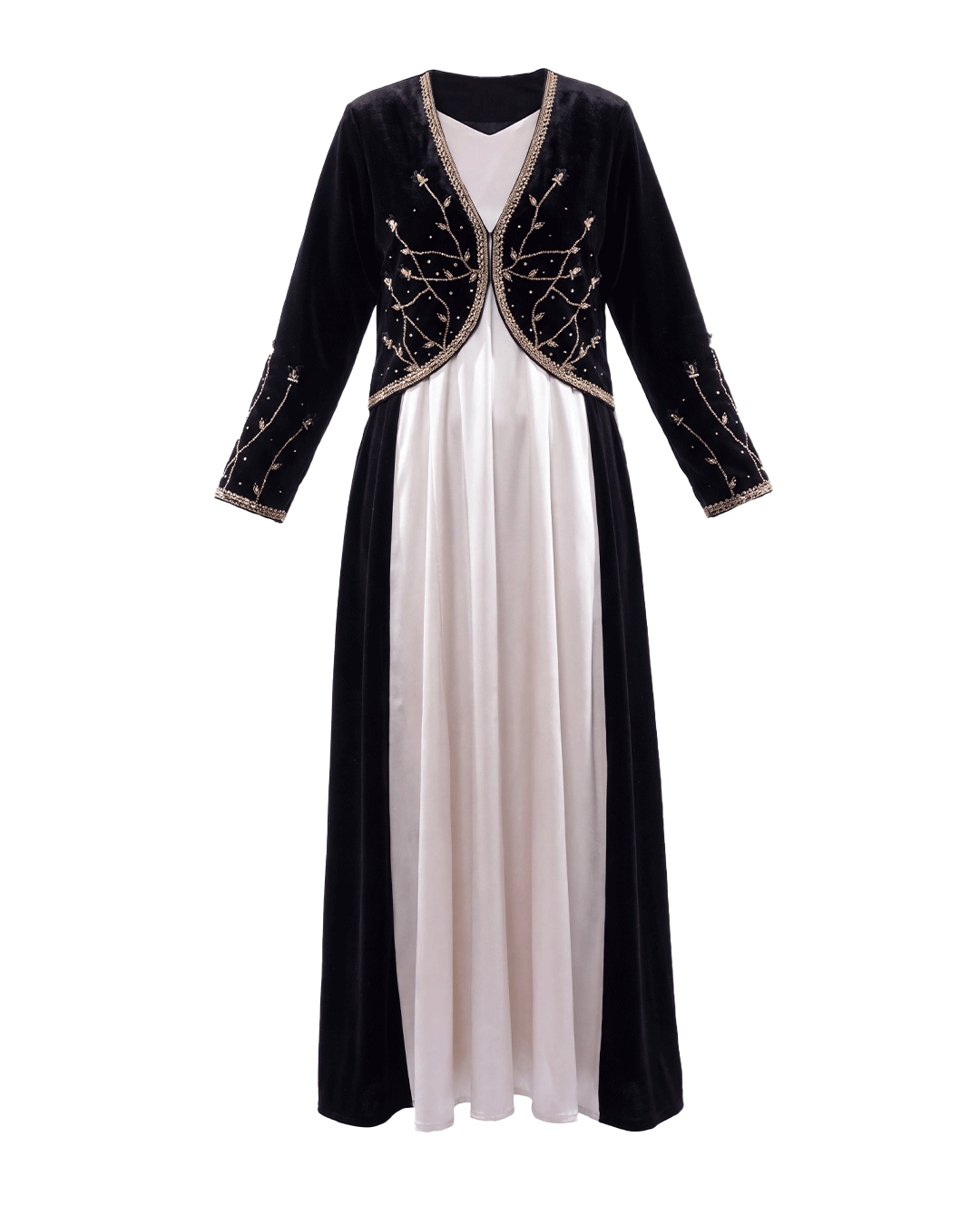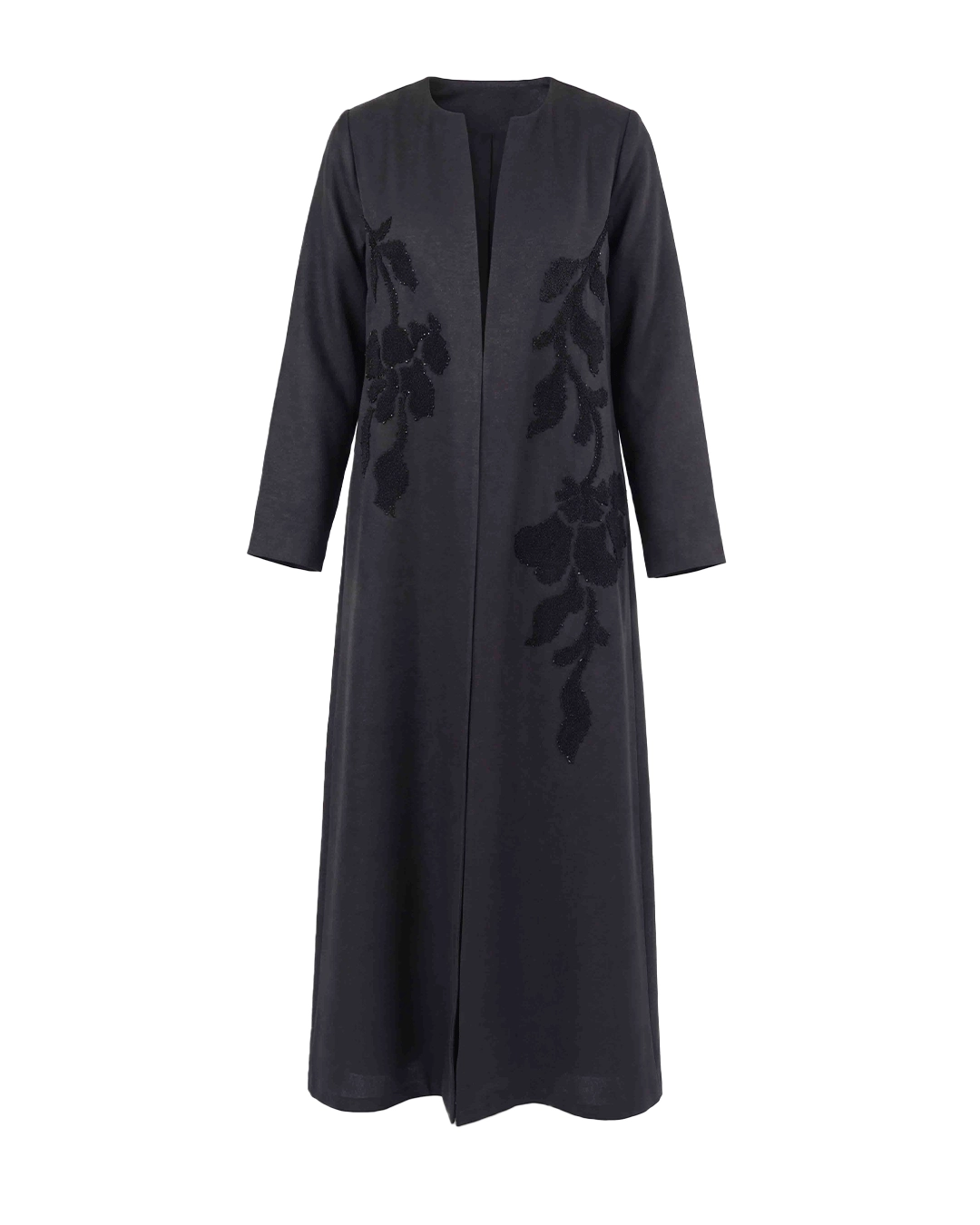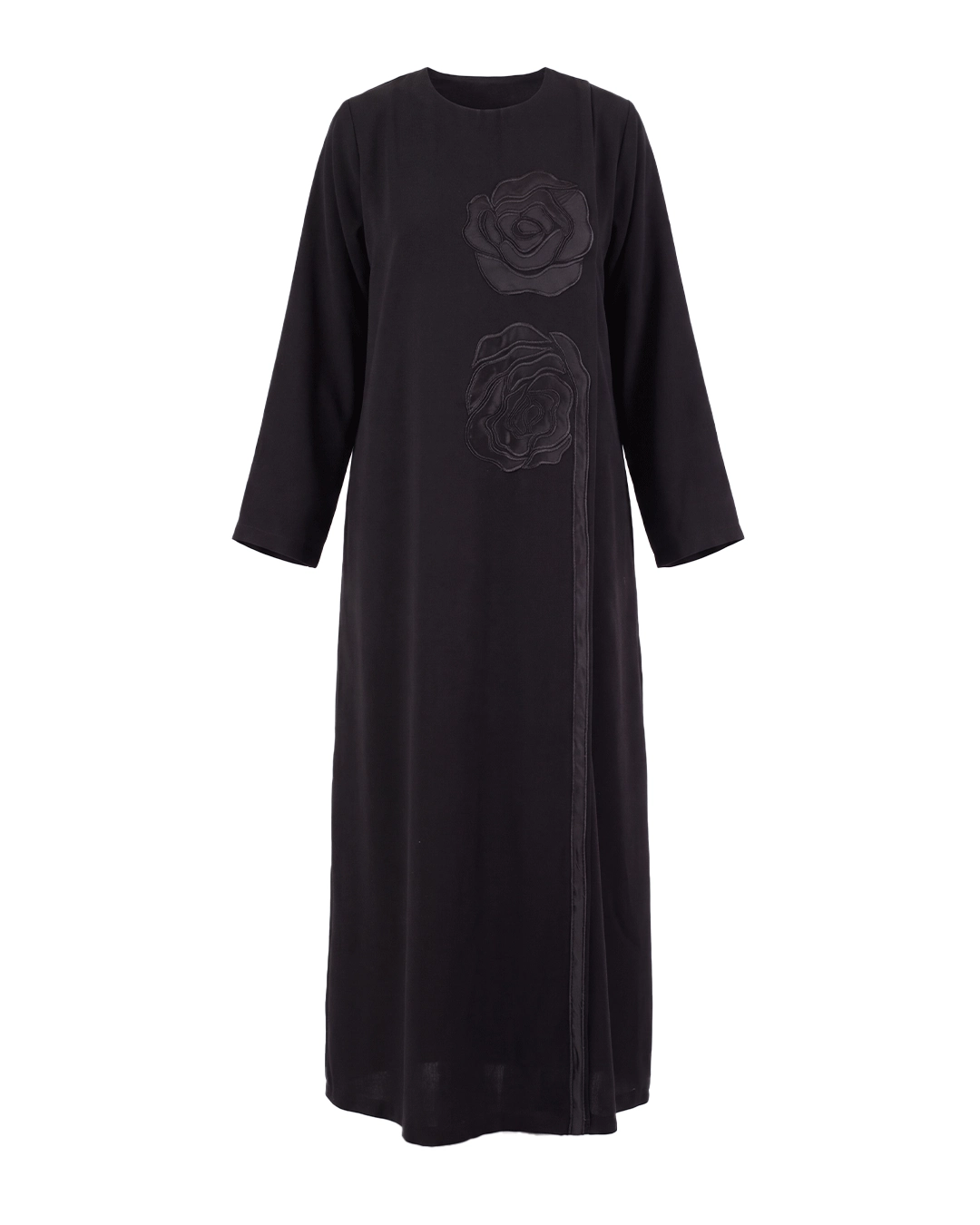
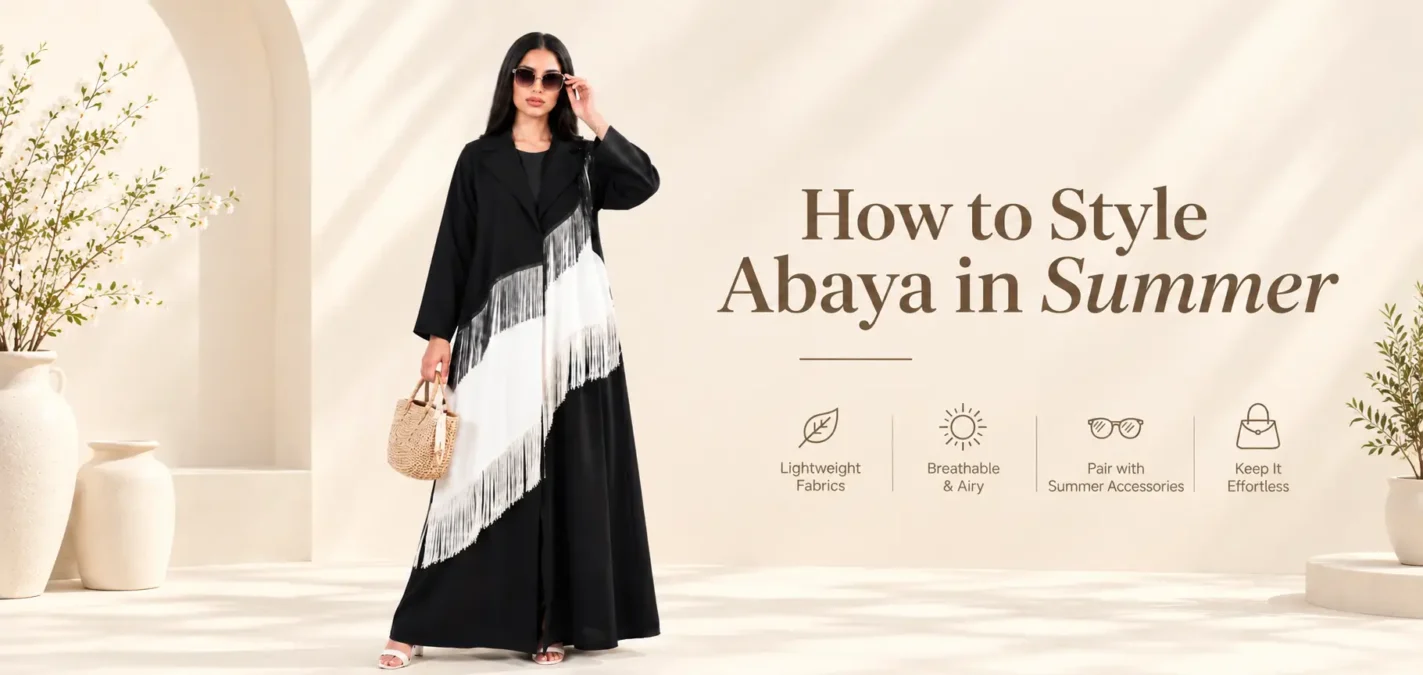
Finding the best abaya for summer is not simply about choosing the thinnest fabric or the lightest color. A comfortable summer abaya needs to balance breathability, airflow, modest coverage and everyday practicality. In hot weather, even a beautiful abaya can feel uncomfortable if it traps heat, clings to the body or requires several heavy layers underneath.
The most practical approach is to consider the fabric, silhouette and complete outfit together. Linen, lightweight cotton, crepe, nida and chiffon each behave differently in warm conditions, while open-front, A-line, batwing and butterfly silhouettes can create more room for movement. This Summer Abaya Guide focuses on those practical differences so you can choose an abaya based on how you actually live, rather than simply following a seasonal trend.
Summer Abaya Guide: Key Takeaways
Choosing the right abaya for summer is about finding a balance between comfort, modest coverage and personal style. Keep these five practical points in mind when building your summer wardrobe:
- Best fabrics: Lightweight linen and cotton are practical for breathable daytime dressing, while lightweight crepe and nida offer a smooth, polished drape for everyday wear and work.
- Best silhouettes: A-line, open-front, batwing and butterfly abayas provide room for movement and can help reduce close contact between the fabric and the body.
- Best colors: Light shades such as beige, white, sage and powder blue are appealing for daytime. However, fabric weight, breathability and airflow matter more than color alone.
- Best layering strategy: Choose a lightweight inner dress or two-piece set, and avoid unnecessary heavy layers that can trap heat in warm weather.
- Best everyday approach: Consider the complete outfit, including the abaya, underlayer, hijab and footwear, to create a look that feels comfortable, practical and elegant throughout the day.
What Is the Best Abaya for Summer 2026?
The best summer abaya is generally lightweight, breathable and loose enough to allow air to move around the body. However, there is no single fabric or silhouette that works equally well for every climate. Someone spending most of the day outdoors in dry heat may prefer a different combination from someone moving between humid streets and heavily air-conditioned offices.
The Three Essentials: Breathable Fabric, a Loose Cut and a Suitable Color
Fabric should be the first consideration. Lightweight linen and cotton are popular for their breathable feel, while crepe and nida can offer a smoother drape with less cling. Chiffon and georgette can feel particularly airy, although they often need an underdress, so the comfort of the complete outfit matters more than the outer fabric alone.
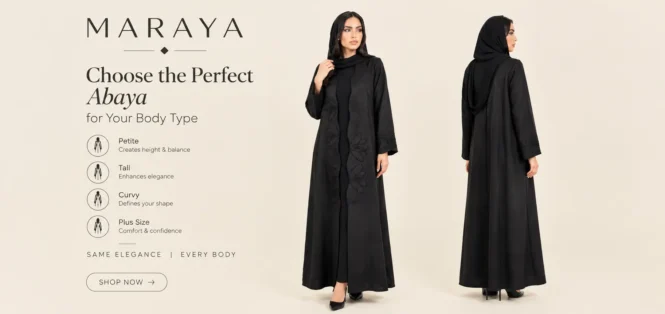
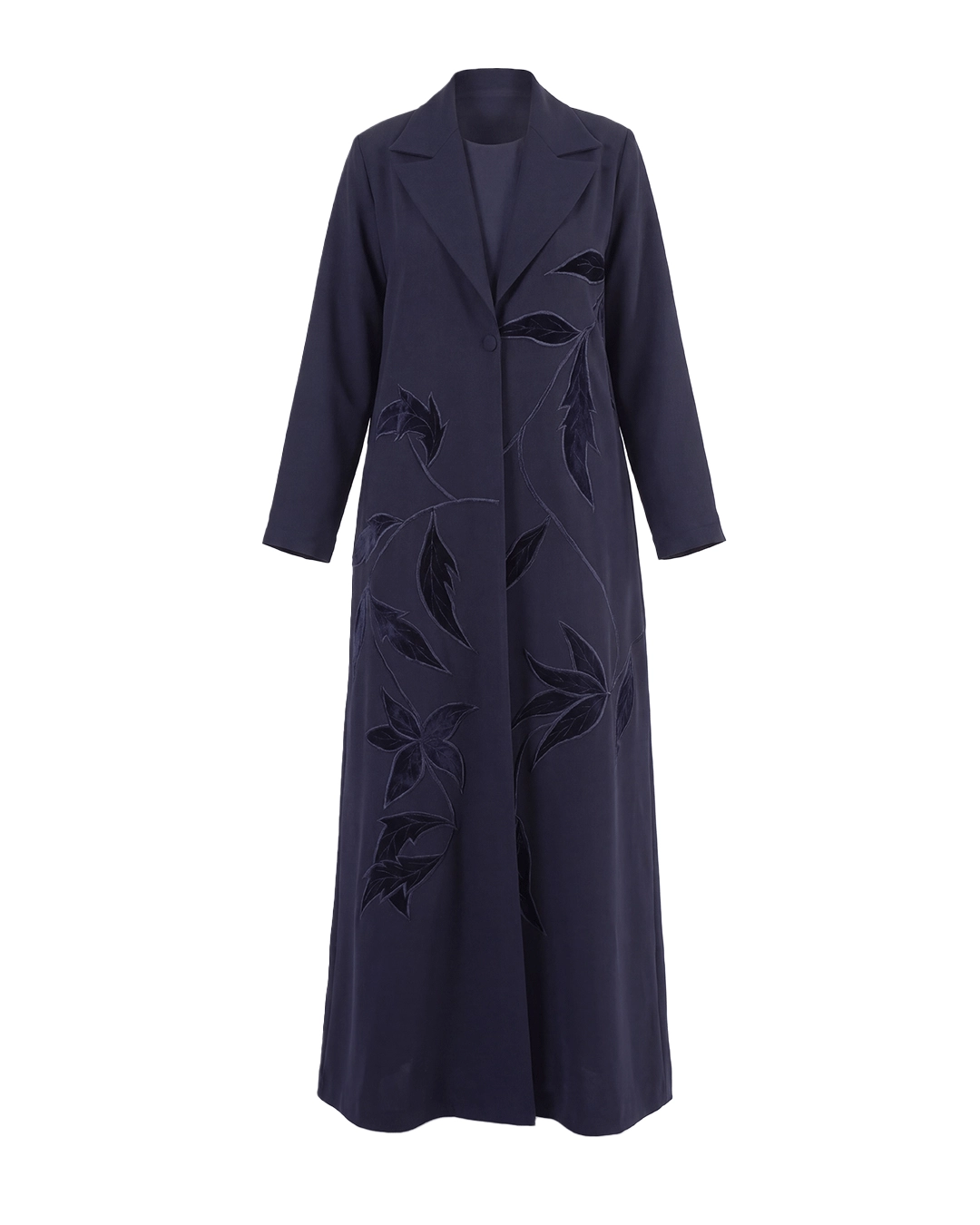
The second factor is the cut. A loose A-line silhouette creates more space around the body than a fitted design, while batwing and butterfly styles can provide additional room around the shoulders and underarms. For everyday use, choosing from a versatile everyday abaya collection can make it easier to find a style that works repeatedly rather than only for one occasion.
Color is the third consideration. White, beige, sage and powder blue can reflect more sunlight than very dark shades, making them attractive for daytime wear. Still, color should come after fabric and construction when comfort is the priority.
Why Fabric Matters More Than Color in Summer
A pale abaya is not automatically cooler than a black one. A lightweight black abaya with good airflow can be more comfortable than a dense beige garment that sits close to the body. This is particularly useful for women who prefer darker colors for a classic or minimalist wardrobe.
Black can therefore remain a practical summer choice, especially for evenings, indoor environments and polished occasions. The important factors are lightweight construction, a relaxed silhouette and minimal unnecessary layering. 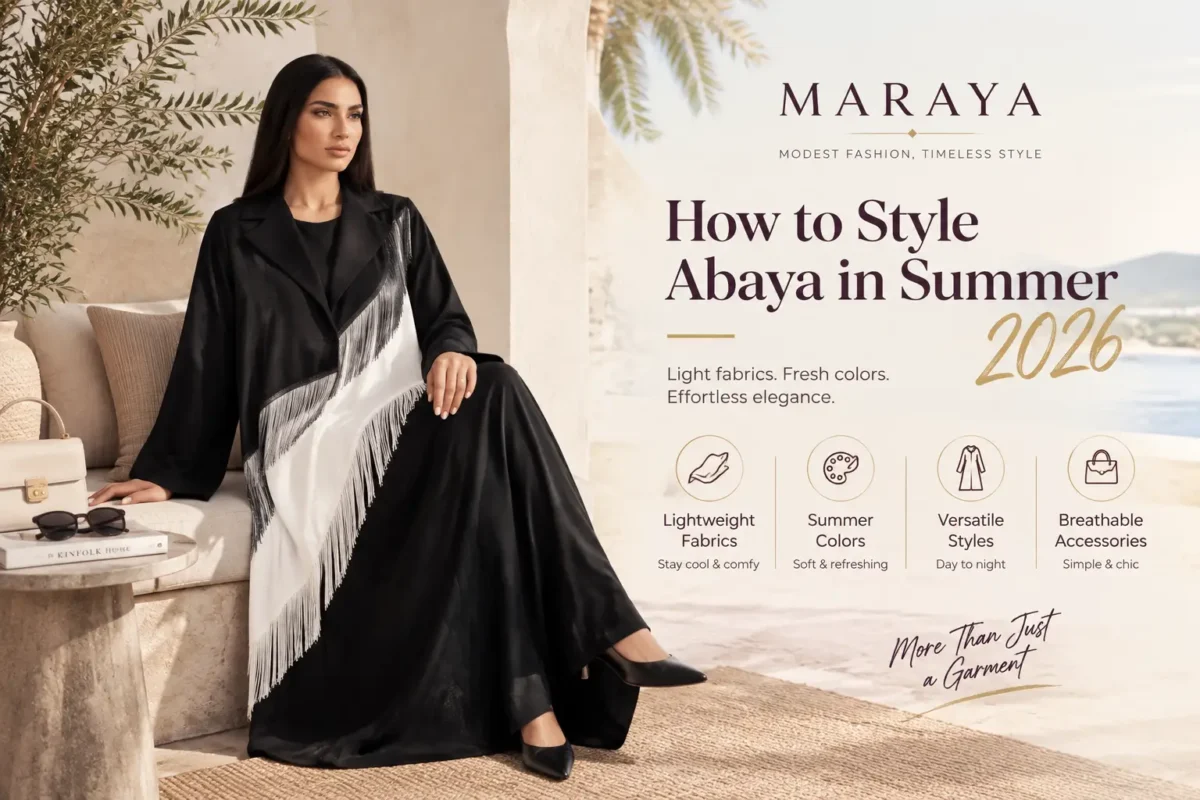
Best Summer Abaya Designs for Hot Weather
When comparing abaya designs for hot weather, look beyond color and decoration. The most useful summer designs are those that create space between the garment and the body, allowing greater freedom of movement and better airflow.
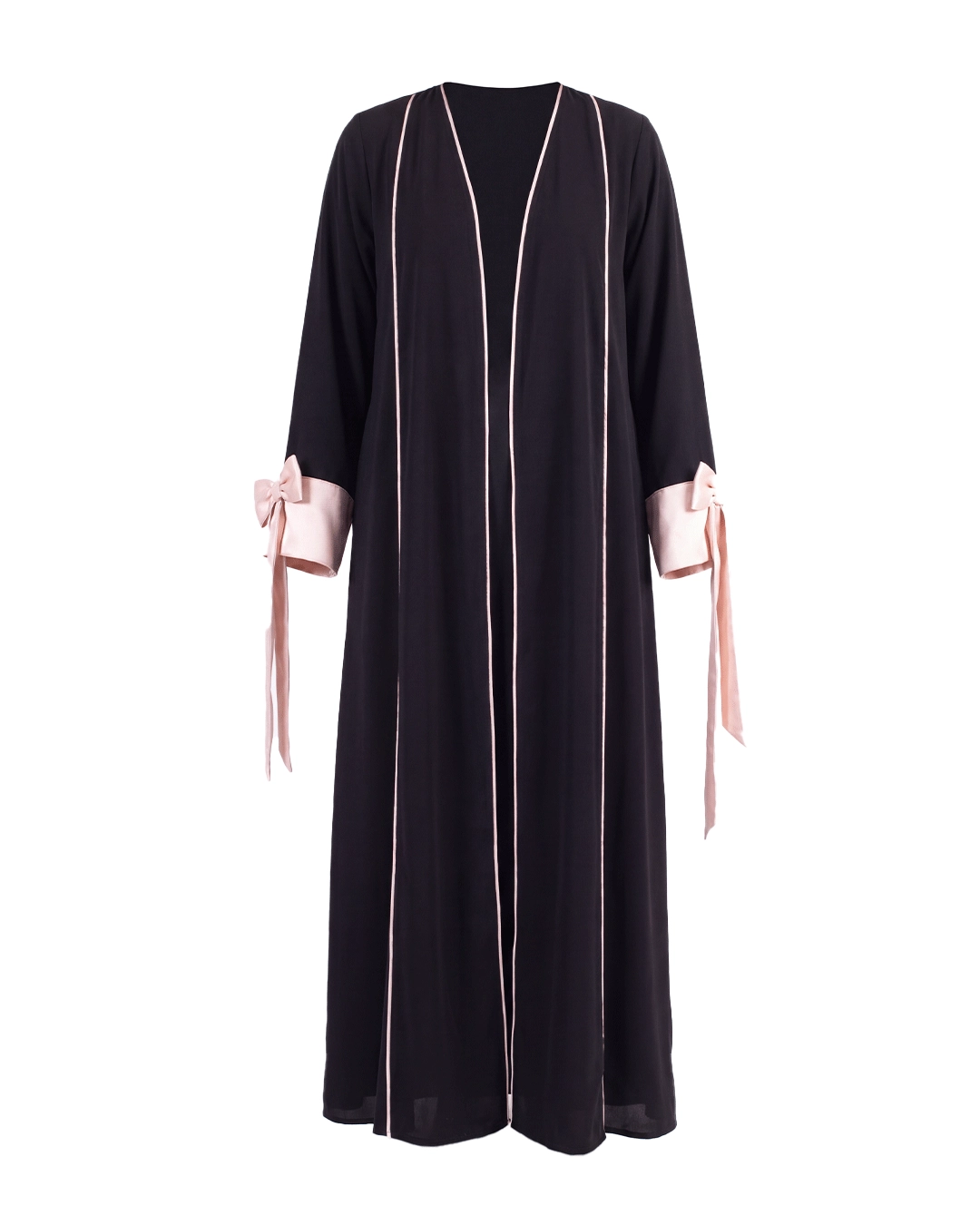
An open-front abaya is particularly versatile because the opening creates an air gap around the body. It can be worn over a lightweight dress or two-piece set and adjusted easily when moving between outdoor heat and cool indoor spaces. For this reason, an open abaya is one of the most adaptable choices for a summer wardrobe.
An A-line abaya offers a different type of comfort. It remains relatively structured around the shoulders while becoming wider toward the hem, reducing direct contact with the legs. Batwing and butterfly/farasha styles create even more room around the upper body and can be useful for long days involving walking or regular movement.
Opacity should also be considered. An extremely thin abaya may look ideal for hot weather but could require a heavy underlayer to provide adequate coverage. A slightly more substantial but breathable outer layer can sometimes produce a cooler overall outfit because it eliminates the need for several additional garments.
Best Fabrics for Summer Abayas: A Practical Comparison
Linen and Lightweight Cotton: Best for Relaxed Daytime Wear
Linen and lightweight cotton are excellent choices for relaxed daytime dressing. They tend to allow good airflow and can feel natural against the skin. Their main tradeoff is maintenance: both may wrinkle more easily than synthetic blends. For summer, look for lightweight versions rather than dense fabrics that sacrifice airflow for structure.
Crepe and Nida/Nidha: Best for a Polished Everyday Look
Crepe and nida/nidha are useful when you want a polished appearance without a clingy silhouette. Their fluid drape makes them suitable for everyday wardrobes, workwear and modest outfits that need to look refined without becoming overly formal.
The important point is fabric weight. A lightweight nida can feel very different from a dense nida, so do not judge the material simply by its name. When shopping online, look for information about weight, lining and opacity whenever it is available.
Chiffon and Georgette: Best for Airy Layering
Chiffon and georgette are popular for their airy appearance and flowing movement. They work particularly well for summer evenings, vacations and layered outfits. However, because they can be sheer, they often require a suitable underdress.
The best result comes from pairing the outer layer with a lightweight inner garment. Adding a thick inner dress underneath an airy chiffon abaya can defeat the purpose of choosing a breathable outer layer in the first place.
Best Summer Abaya Cuts for Comfort and Movement
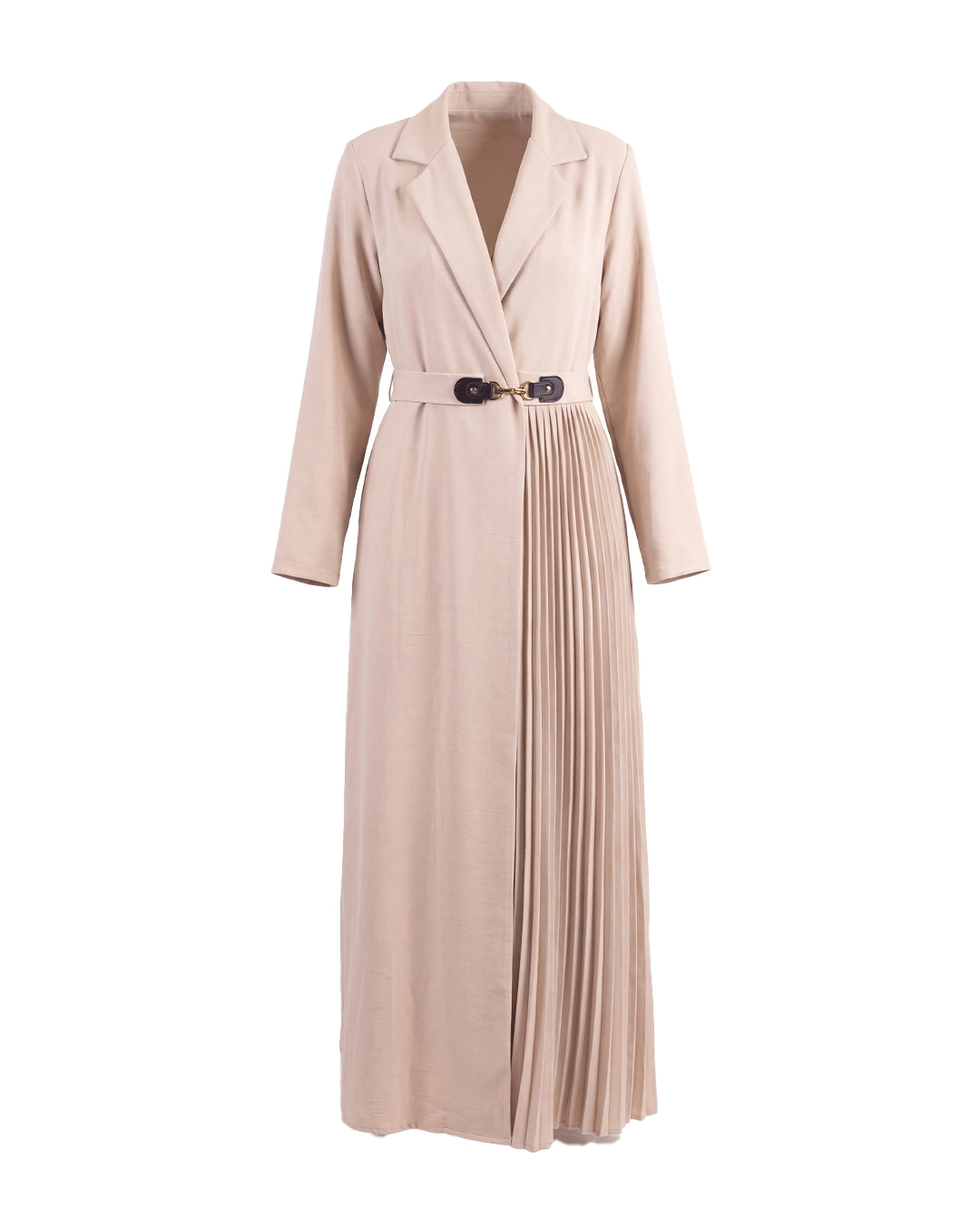
The silhouette can make a noticeable difference to how an abaya feels. Open-front kimono abayas create a natural air gap and make layering easier, which is useful when temperatures change throughout the day. An A-line abaya is a strong option for everyday wear because it provides room without necessarily appearing oversized.
It is particularly suitable for someone who wants a clean silhouette but dislikes fabric sitting closely against the legs. Batwing and butterfly/farasha cuts provide additional space around the shoulders and underarms. This can reduce friction and make movement easier, especially during long outdoor days.
If you prefer a defined waist, a belt can still be used in summer. The key is to avoid pulling the entire garment tightly around the body. A relaxed belt over a fluid silhouette can add structure while preserving movement. For more refined occasions, a lightweight classic abaya can provide a polished alternative to heavily layered occasionwear.
What to Wear Under a Summer Abaya
The garment underneath an abaya can determine whether the final outfit feels cool or uncomfortable. A sleeveless inner dress is often one of the easiest summer solutions because it provides coverage without adding fabric around the arms.
Lightweight two-piece sets can also work well, particularly under open-front abayas. They provide flexibility while avoiding unnecessary bulk. The principle is simple: if the outer abaya is lightweight but the clothing underneath is thick, tight or poorly ventilated, the complete outfit can still feel hot.
During extreme heat, avoid unnecessary layers, thick leggings and tightly fitted inner dresses unless they are required for the outfit. Creating a little more space between the body and outer garment can improve comfort considerably.
How to Choose a Summer Hijab Without Adding Too Much Heat
The hijab is often the hidden heat factor in a summer outfit. Lightweight chiffon, modal and viscose can feel less bulky than heavy jersey and can provide greater flexibility when styling. Jersey remains useful when secure styling is the priority, but thicker versions may feel warmer during extended outdoor wear.
A simple feel test is useful when comparing fabrics. Hold the hijab loosely in your hand and consider its weight, density and movement. If the material feels heavy or dense before you even style it, it may not be the most practical choice for prolonged exposure to summer heat. The best result comes from treating the hijab and abaya as one outfit. A breathable outer layer paired with a heavy hijab can still leave you uncomfortable, while a lightweight hijab can improve the overall balance of the look.
How to Build a Functional Summer Abaya Wardrobe
Building a summer wardrobe is most effective when focusing on functional categories rather than specific products. By selecting pieces based on fabric and silhouette, you create a versatile collection that remains relevant even as seasonal trends shift.
For daily wear, prioritize breathability and texture. Nida or crepe abayas offer the durability needed for regular use, while linen abayas provide a relaxed, lightweight aesthetic for daytime outings. To combat humidity, A-line anti-cling styles are essential, offering a comfortable fit that maintains their shape without sticking to the skin.
Choosing Abaya Styles for Comfort and Versatility
Maximizing airflow is crucial in warmer climates. Lightweight open-front abayas allow for easy layering and ventilation, whereas batwing and butterfly (farasha) silhouettes provide extra space around the arms to enhance movement. For those frequently transitioning into air-conditioned environments, such as offices or malls, a lightweight layering piece is a functional necessity.
Strategic choices also simplify travel and special occasions. Printed chiffon abayas add a seasonal touch to vacations, while reversible styles serve as efficient, space-saving travel essentials. For semi-formal summer evenings, minimal-embellishment abayas offer sophistication without the discomfort of heavy fabrics.
A highly efficient summer capsule does not require a large wardrobe. You can master the season with just three core pieces: one dependable everyday abaya, one versatile open abaya for layering, and one refined style for semi-formal occasions.
Summer Abaya Outfit Ideas for Different Occasions
For a hot everyday look, pair a lightweight abaya with a sleeveless inner dress, breathable hijab and comfortable footwear. Keep accessories relatively simple so the outfit remains easy to wear throughout the day.
For work, a lightweight crepe or nida abaya in a neutral shade offers a polished appearance while remaining versatile. A thin additional layer can be useful for offices where strong air conditioning makes the temperature significantly cooler indoors. For travel and walking, an open-front abaya over a lightweight two-piece set is particularly practical. The outfit can be adjusted more easily and works naturally with comfortable flat shoes.
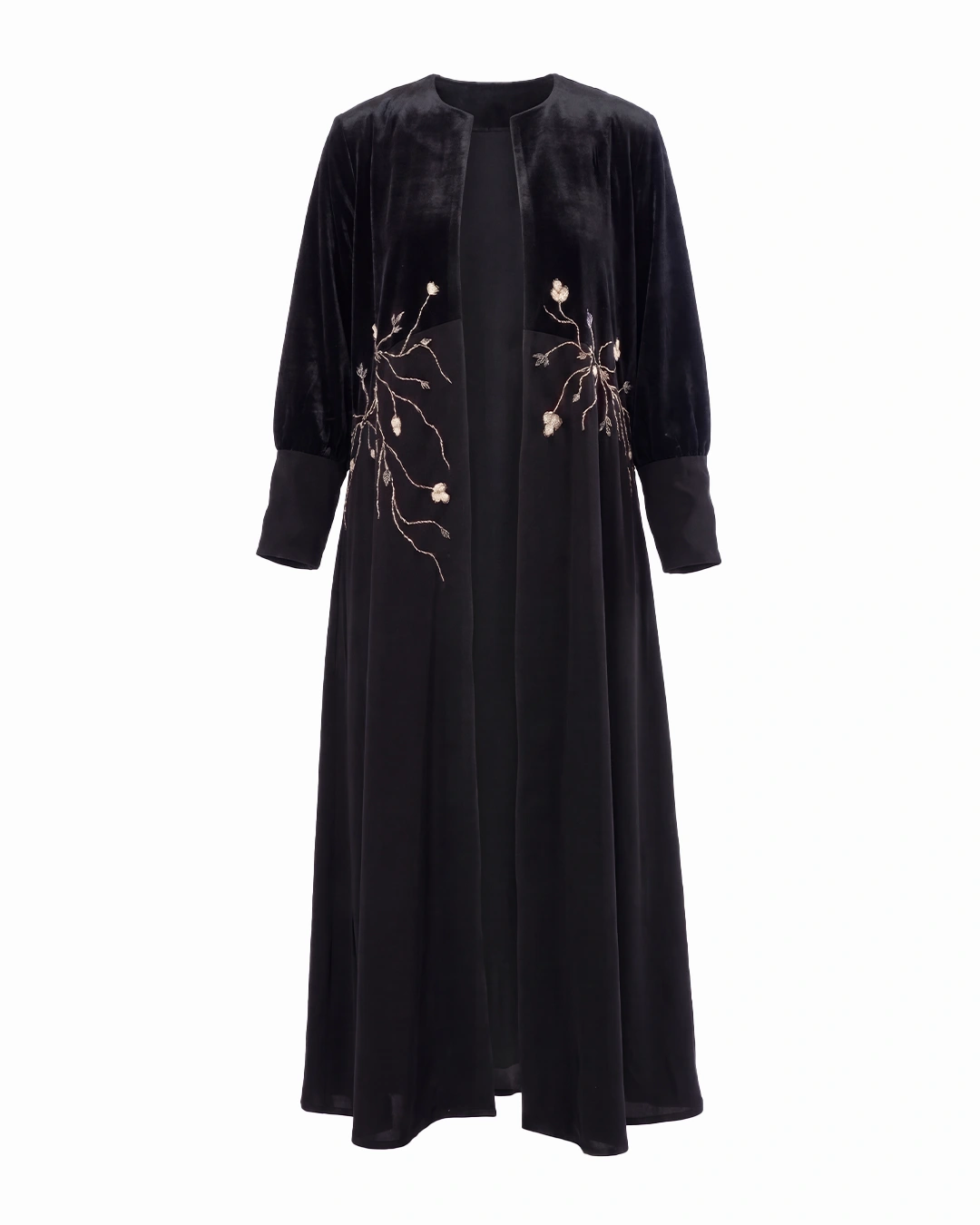
For a summer wedding or evening event, choose a fluid semi-formal abaya with restrained detailing. An embroidered abaya can add visual interest while allowing the rest of the outfit to remain simple.
Common Summer Abaya Mistakes and How to Fix Them
One of the most common summer mistakes is combining several heavy elements. A dense abaya, thick inner dress and heavy hijab can create excessive warmth even when each individual piece looks attractive. If an outfit feels uncomfortable, remove weight from one layer before replacing the entire abaya.
Another mistake is excessive embellishment for daytime wear. Heavy beads, dense decorative panels and multiple layers can increase weight and reduce flexibility. Subtle embroidery or selective detailing is often easier to manage during hot days.
A third mistake is choosing a fabric based on appearance alone. A material may look thin but still feel warm when lined or layered. Before buying, check the available fabric details, lining information and care instructions. When possible, assess how the material drapes and whether it provides the coverage you need without extra layers.
Final Thoughts: Building Your Summer Abaya Wardrobe
The best summer wardrobe is not necessarily the one with the largest number of pieces. The best abayas for summer 2026 are the ones that solve different needs: a comfortable everyday style, an airy open layer and a refined option for occasions. When fabric, silhouette, underlayer and hijab work together, modest dressing can remain elegant, practical and comfortable throughout the warmer months.
For additional modest-fashion inspiration, seasonal styling ideas and wardrobe guidance, explore the Maraya Magazine for more ideas on building a versatile abaya wardrobe.
Frequently Asked Questions About Summer Abayas
What is the best abaya fabric for hot weather?
Lightweight linen and cotton are practical choices for breathable daytime dressing. Lightweight crepe and nida can also work well when you prefer a smooth, polished drape, while chiffon and georgette are useful for airy layering when paired with a suitable underlayer.
Is a black abaya suitable for summer?
Yes. A black abaya can be suitable for summer when it is made from a lightweight fabric, has a relaxed cut and does not require unnecessary layers. For outdoor wear in direct sunlight, fabric weight and airflow are especially important.
How can I wear an abaya in summer without overheating?
Choose a lightweight, breathable fabric, wear a loose silhouette and keep your inner dress and hijab lightweight. Avoid combining several dense layers, and consider an open-front or A-line design when you need more room for movement.
Which abaya style is best for summer?
Open-front, A-line, batwing and butterfly/farasha abayas are practical summer options because they provide room for movement and can reduce close contact between the fabric and body. The best choice depends on your preferred coverage, daily activities and climate.
Are chiffon abayas suitable for hot weather?
Yes. Chiffon abayas can be suitable for hot weather because they have a light, flowing appearance. However, chiffon may be sheer, so choose a lightweight inner dress that provides the coverage you need without adding excessive warmth.