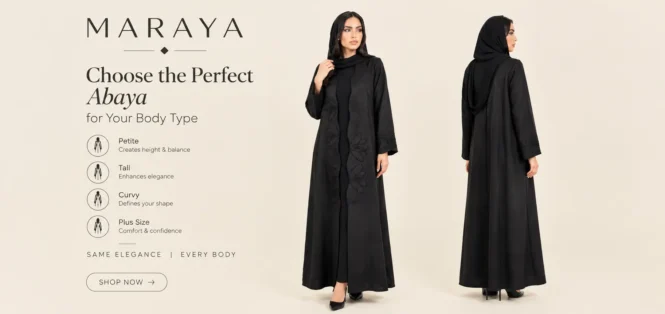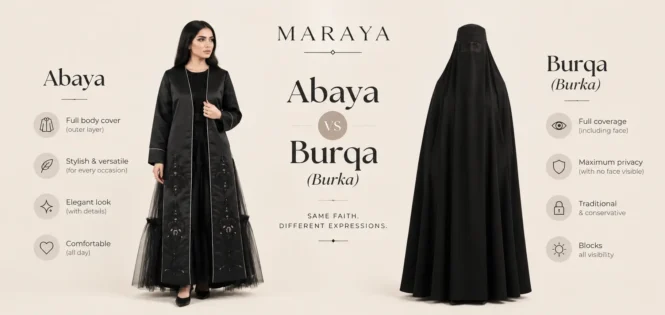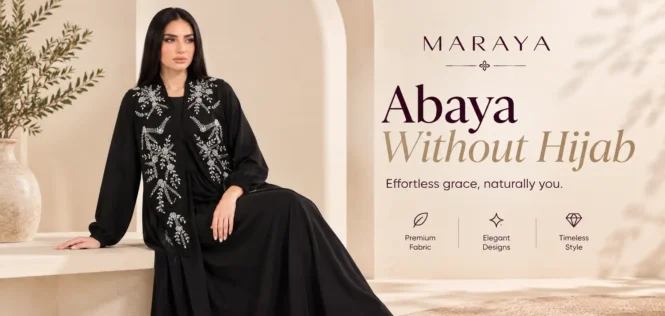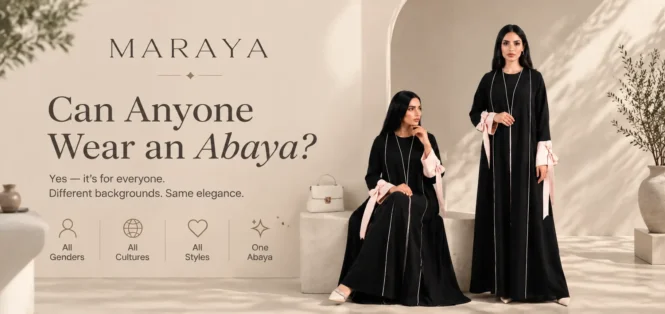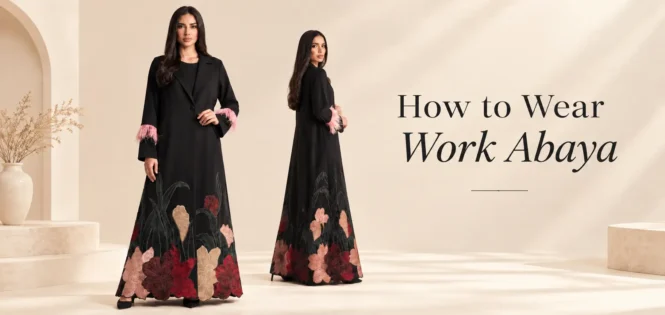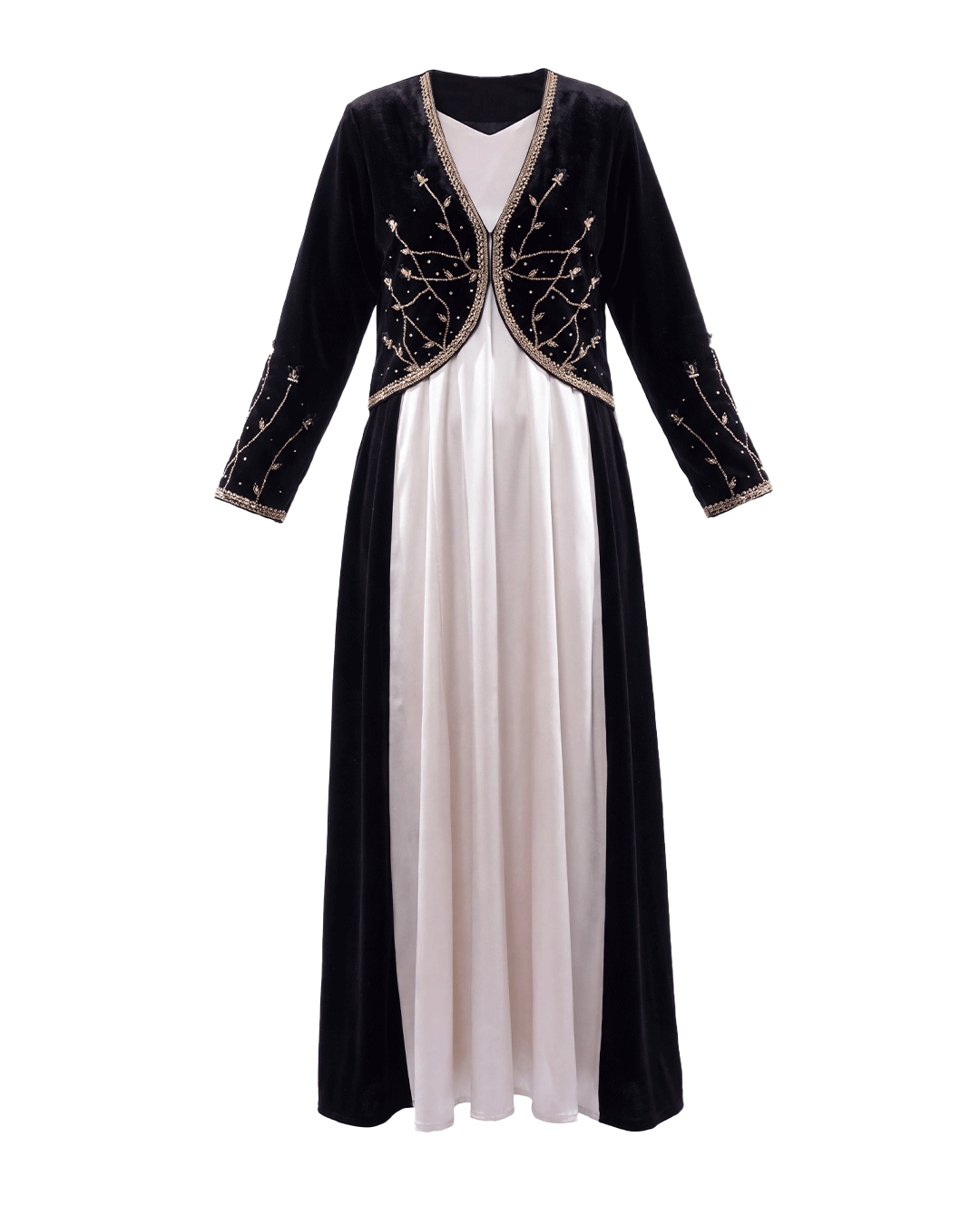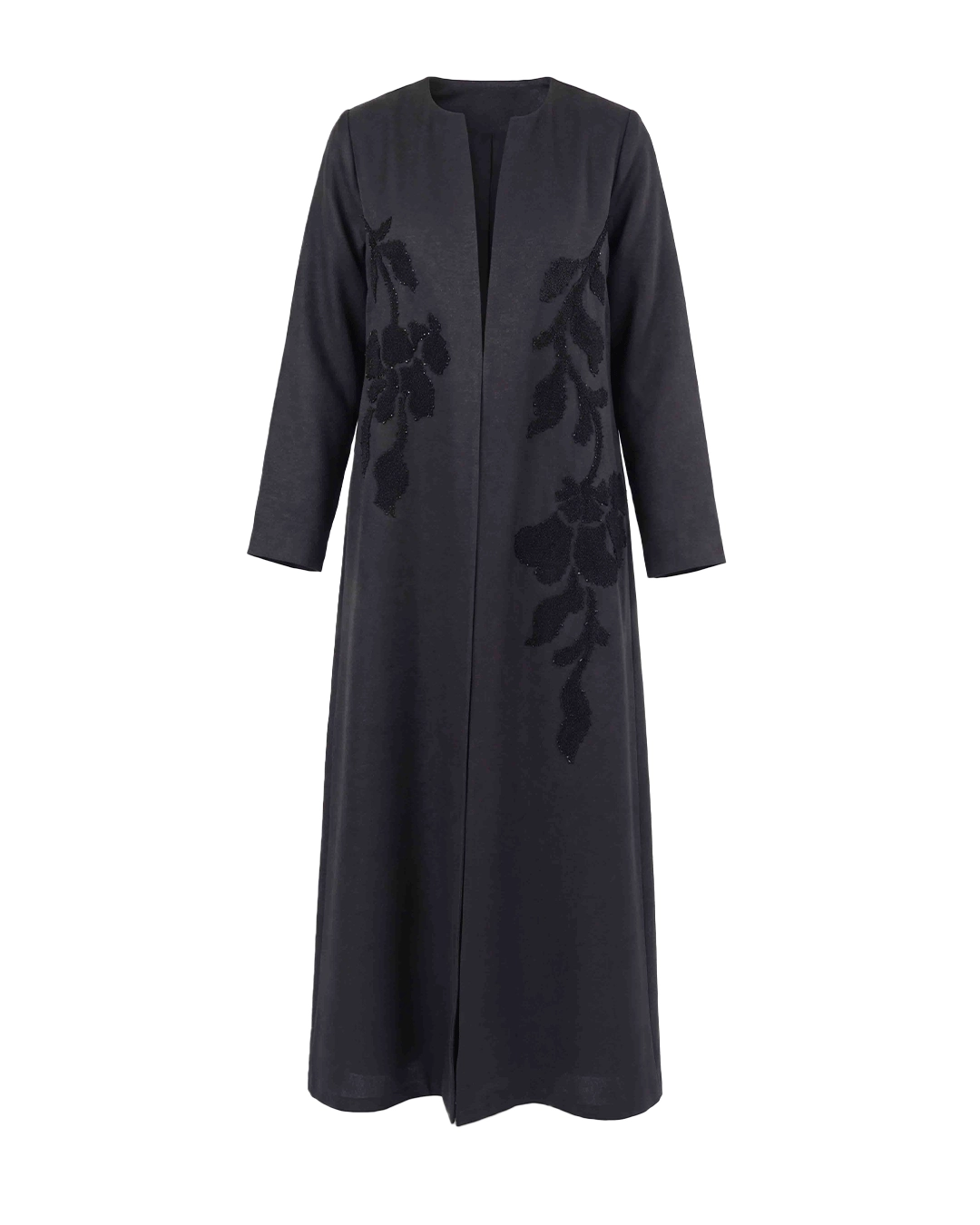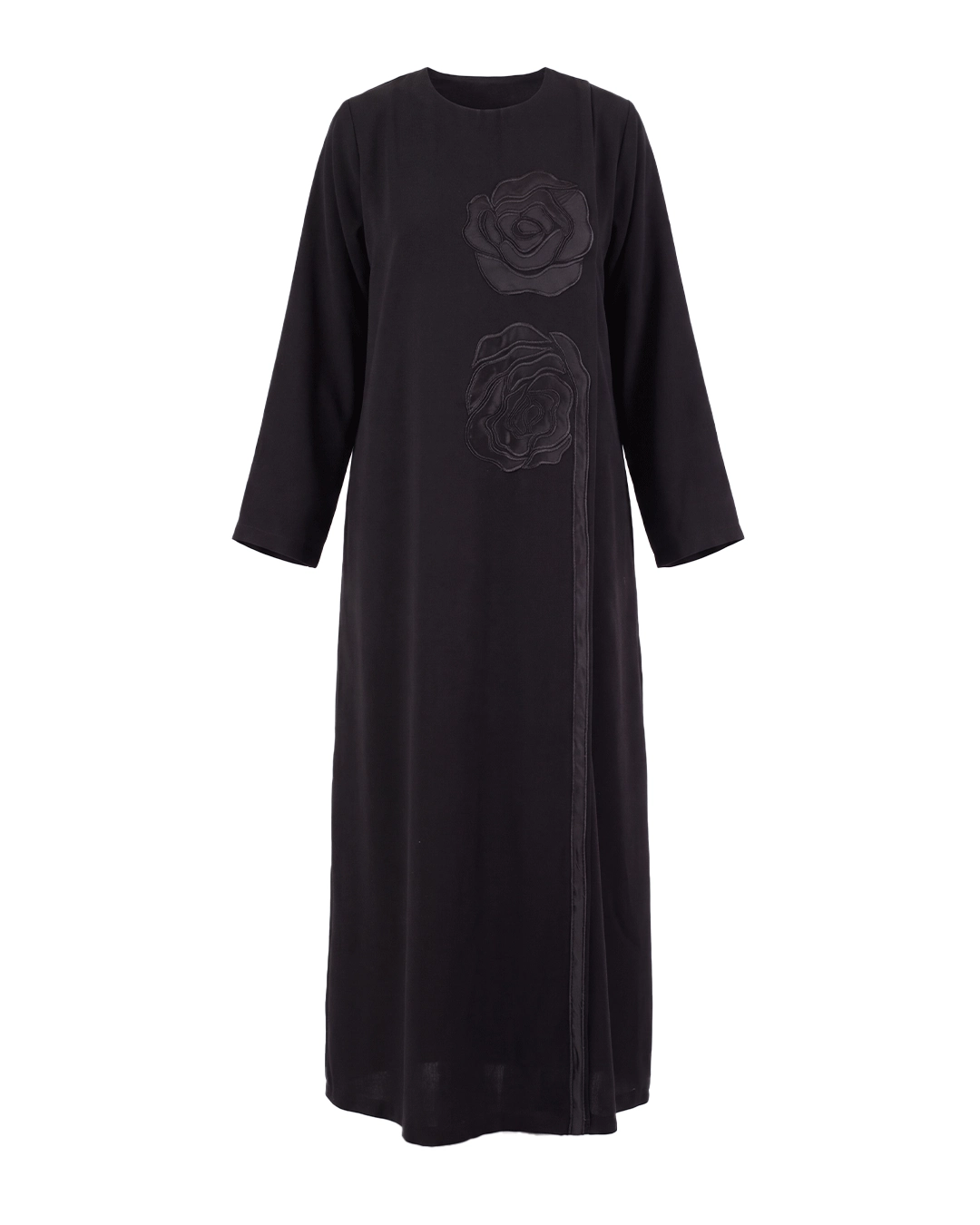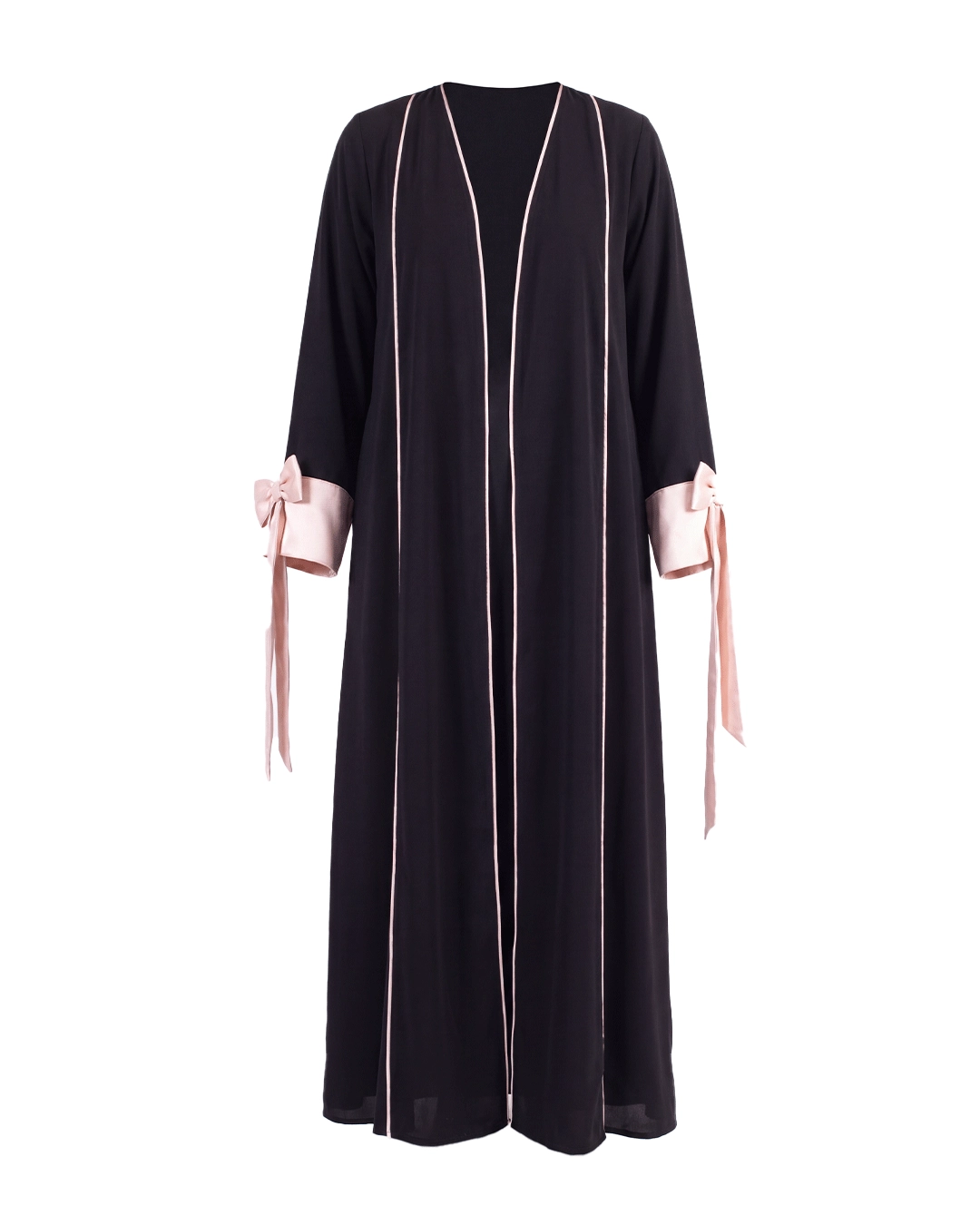
Wearing an abaya to work is about finding the right balance between modesty, comfort, and a professional appearance. The best work abaya should feel comfortable throughout a busy day while looking polished enough for meetings, office tasks, and professional appointments. With the right cut, fabric, colour, and accessories, an abaya can become a reliable part of your everyday work wardrobe.
Learning how to wear work abaya styles does not require a completely new wardrobe. A few versatile designs, coordinated hijabs, practical shoes, and structured bags can create several professional outfits without making your daily routine complicated.
What Makes an Abaya Look Professional at Work?
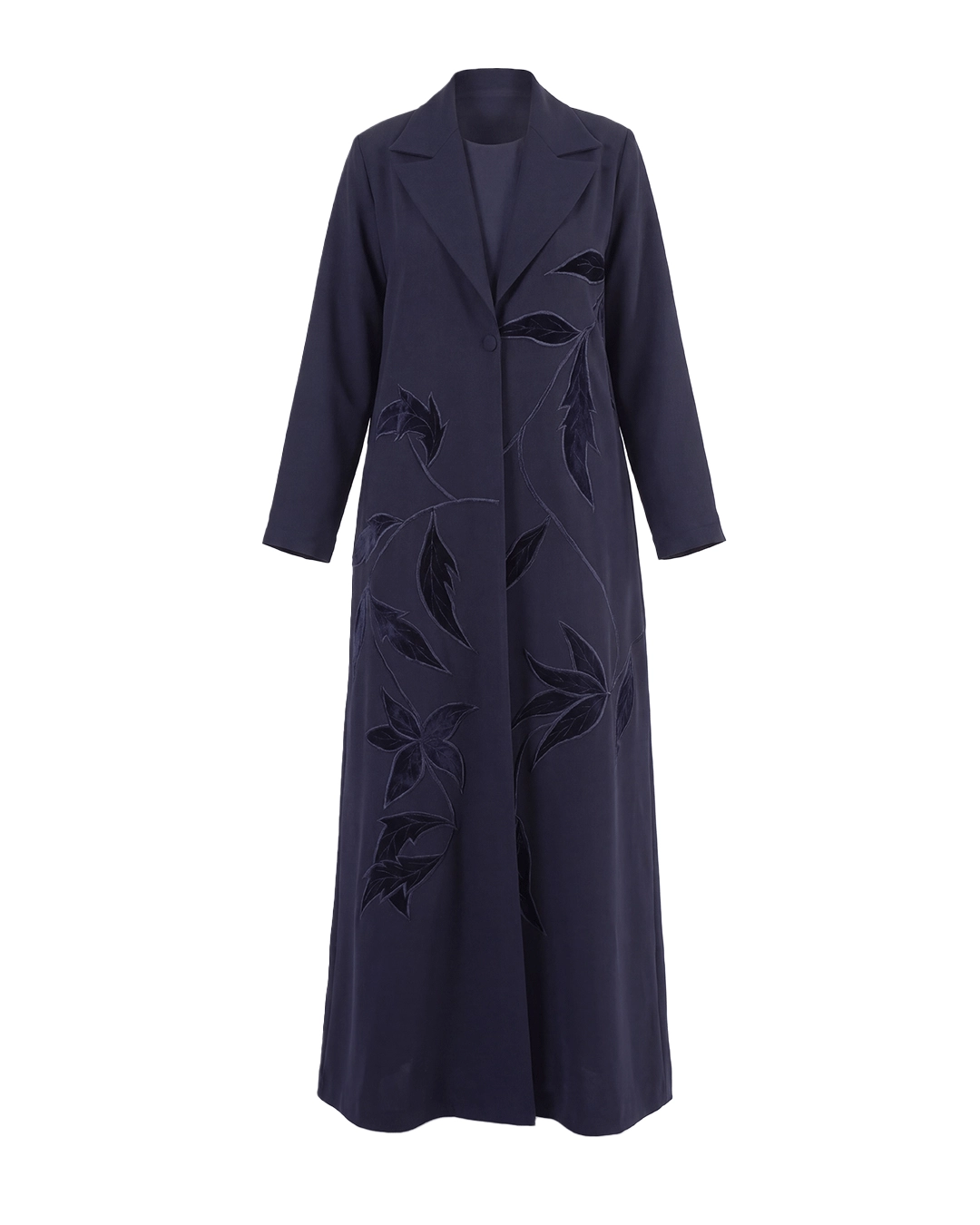
A professional abaya usually has a clean silhouette, a well-finished appearance, and a fabric that maintains its shape throughout the day. Straight-cut, A-line, and coat-style designs can all work well, provided they are comfortable to move in and appropriate for your workplace dress code.
Four details make the biggest difference: structure, simplicity, functionality, and coordination. Avoid excessive embellishment when your workplace calls for formal attire, and choose accessories that complement rather than compete with your outfit. A neatly styled hijab and clean, practical shoes can make even a simple abaya look more refined.
Before leaving home, check that the abaya is wrinkle-free, the sleeves sit comfortably, the hem does not interfere with walking, and the overall outfit looks balanced. These small details help create a professional appearance without sacrificing modesty or comfort.
How to Choose the Right Abaya for Work
Choosing the right work abaya starts with understanding your office environment. A corporate workplace may call for a structured, understated design, while a creative office may allow more flexibility with colour, texture, and styling. The most versatile option is usually an abaya that feels appropriate for your regular workday but can also be dressed up for meetings.
Match the Abaya Cut to Your Dress Code
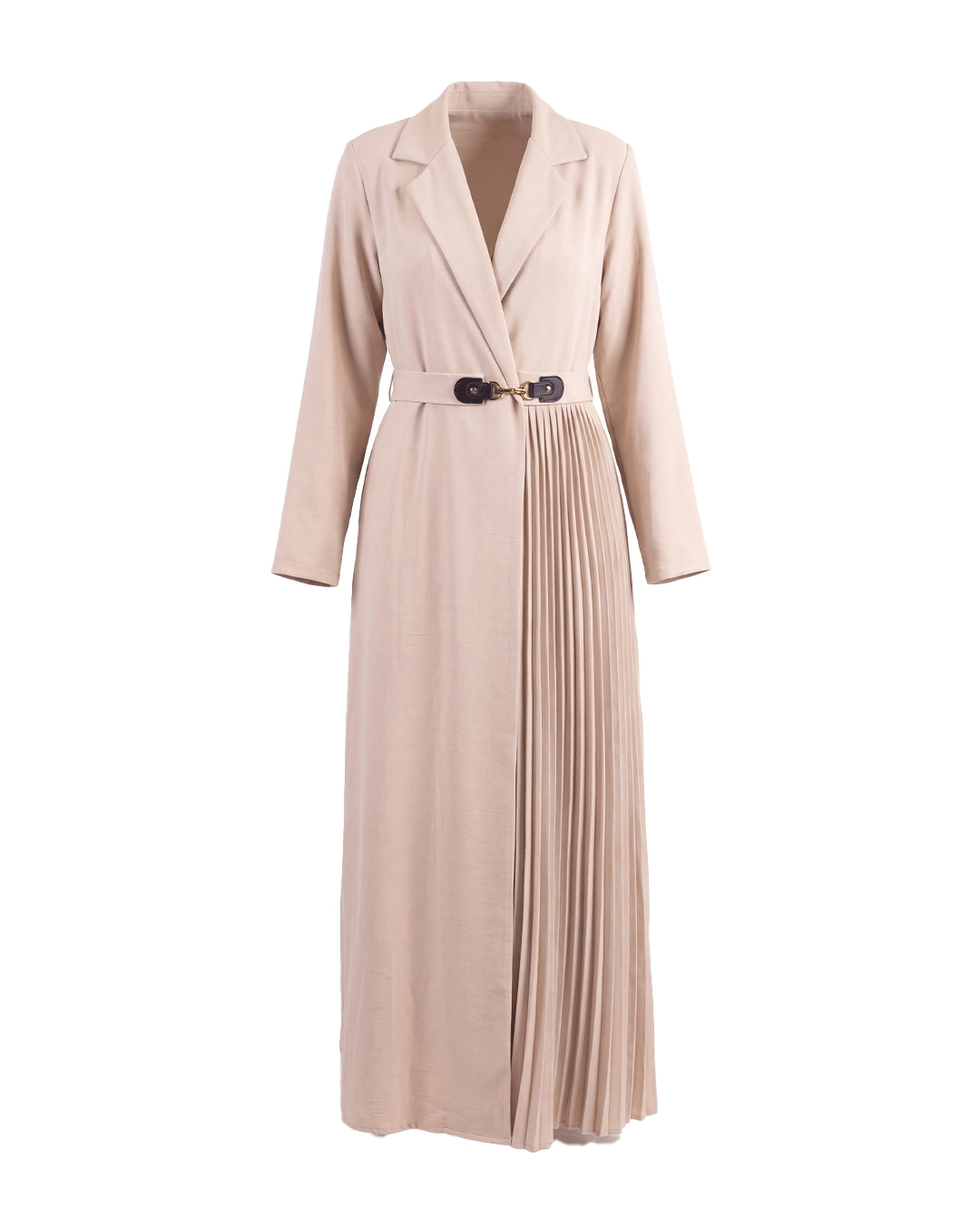
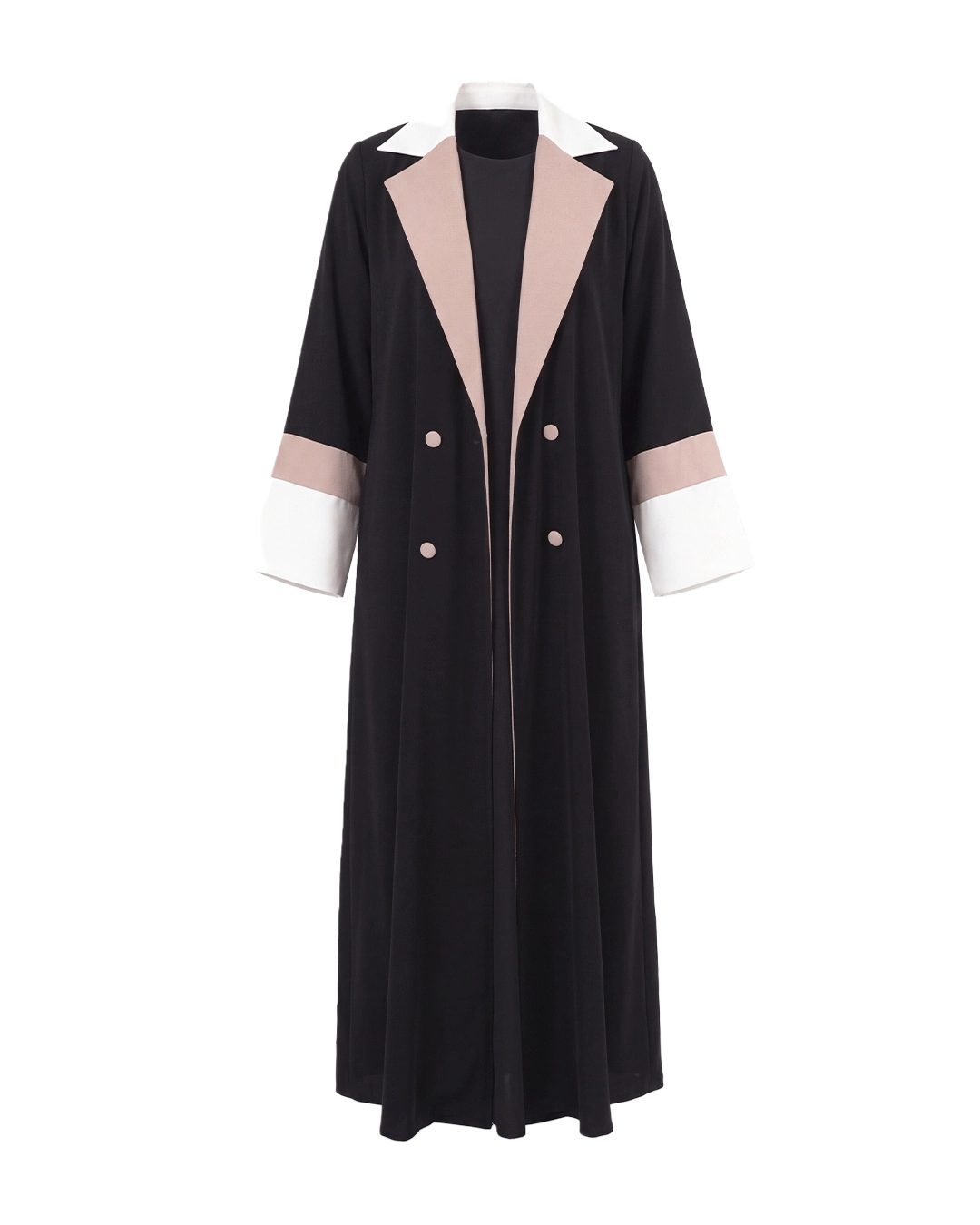
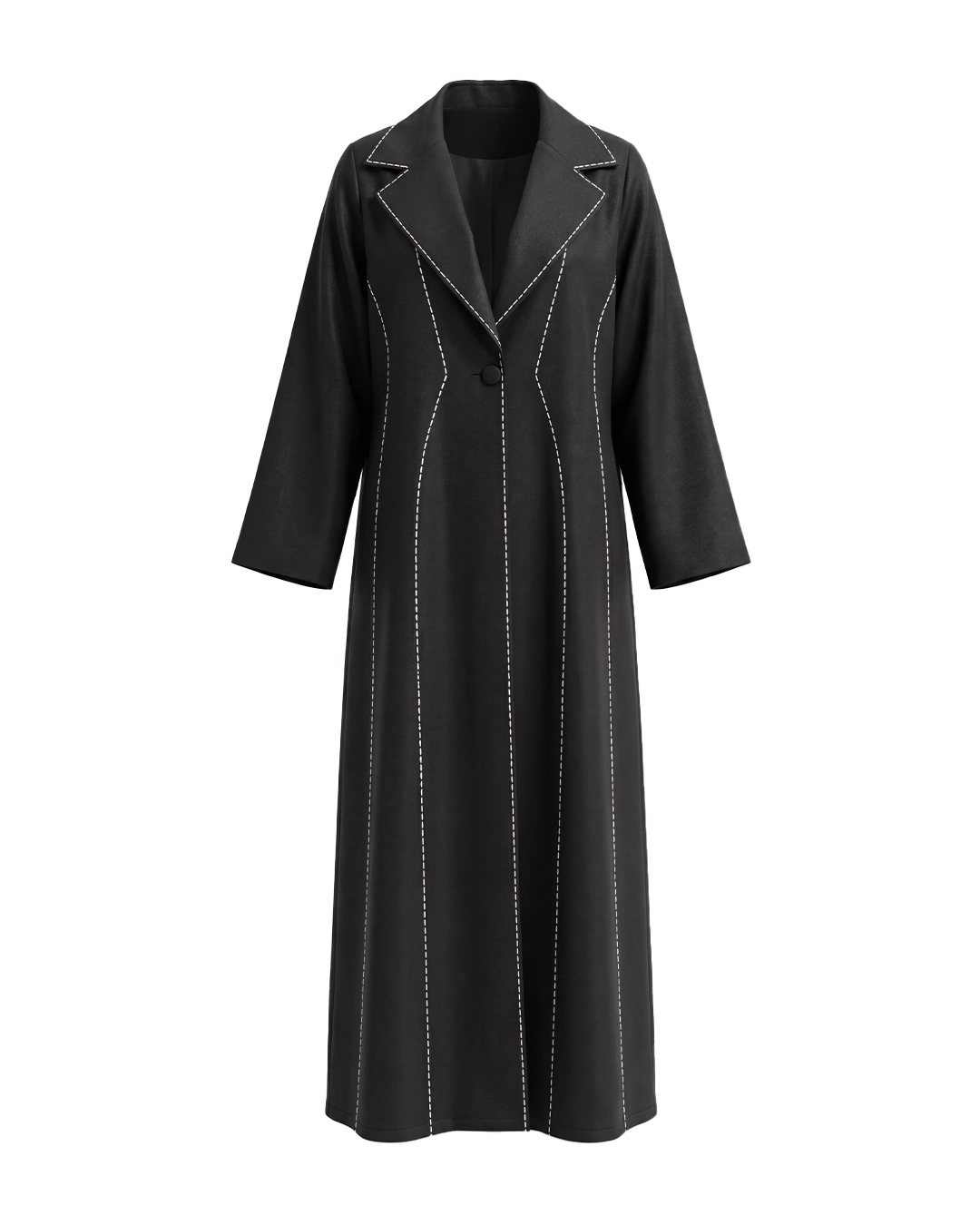
Straight-cut abayas create a streamlined appearance and work particularly well in formal environments. A-line designs offer more movement while maintaining a polished silhouette, making them suitable for long days that involve commuting or walking between appointments. Coat-style abayas can provide a tailored look when their shoulders, sleeves, and front closure are neat and well-fitted.
For a wardrobe built around timeless silhouettes, explore elegant classic abayas. Classic designs can be easier to coordinate with workwear staples and remain useful across changing seasons and office dress codes.
Choose Fabrics That Stay Polished
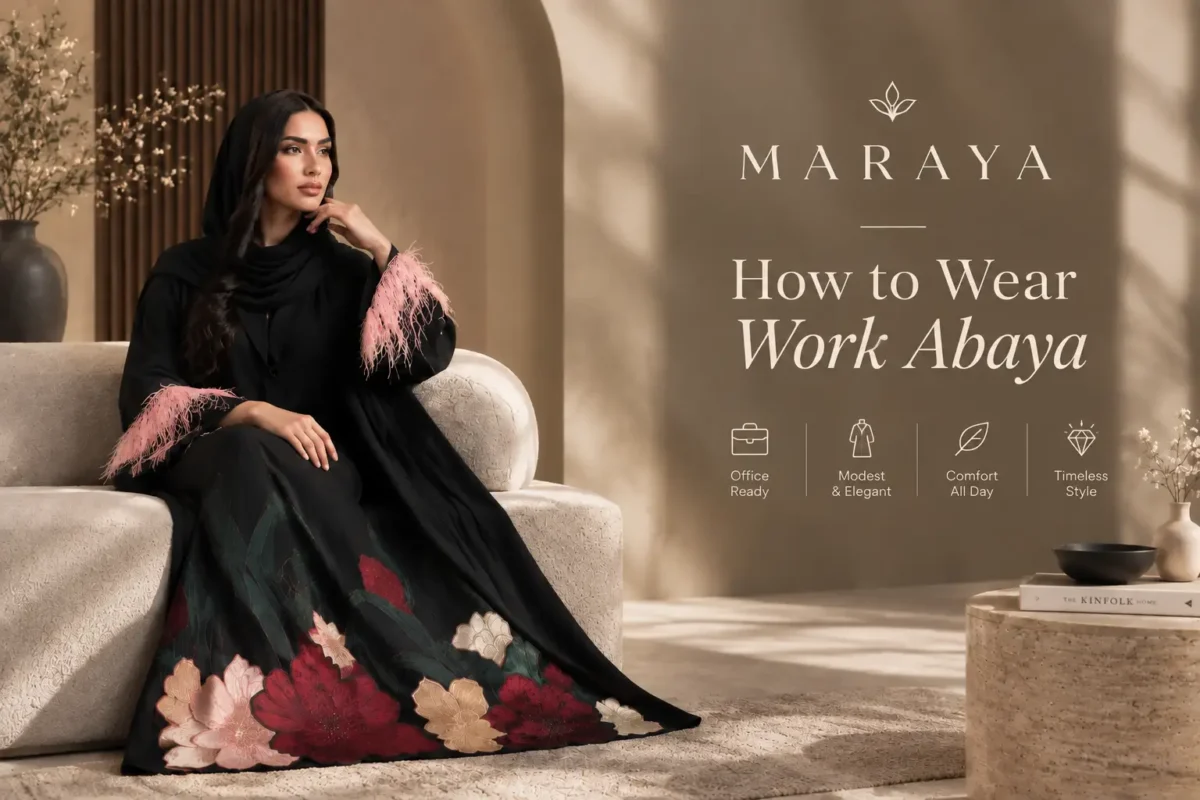
Fabric affects how an abaya looks and feels after several hours of wear. Matte crepe, quality nida, and subtle textured fabrics are practical options because they can create a smooth, understated finish. Lightweight materials are useful in warm weather, while medium-weight fabrics may offer better structure in air-conditioned offices.
Consider how easily the material wrinkles, whether it clings when you walk, and how comfortable it feels over your usual work clothes. A fabric that looks attractive on a hanger may not be the most practical choice for a full working day.
Select Office-Friendly Colours and Functional Details
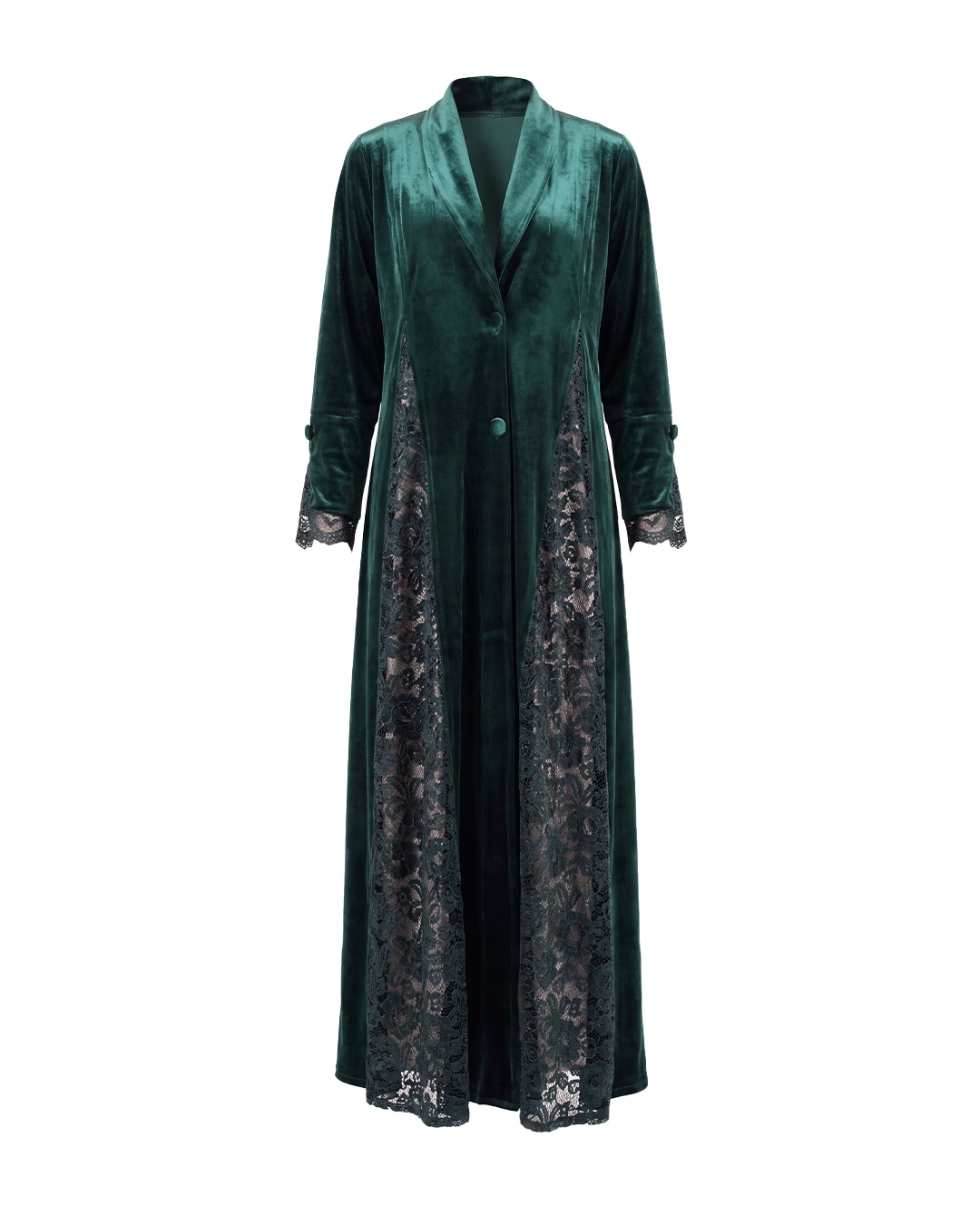
Black, navy, charcoal, taupe, beige, and other muted shades are easy to coordinate with neutral accessories. These colours can help you build repeatable outfits without needing a large collection of abayas. If your office allows more expressive styling, muted green, burgundy, or soft blue can add personality while remaining polished.
Functional details matter, too. Pockets, comfortable sleeves, neat closures, and enough room for layering can make an abaya more useful during a busy day. Decorative details should remain balanced with the overall design, especially if you regularly attend formal meetings.
Work Abaya Dress-Code Guide
| Workplace | Recommended Abaya | Styling Direction |
|---|---|---|
| Corporate office | Straight-cut or tailored coat-style | Neutral colours, minimal details, structured bag |
| Business casual | A-line or simple open abaya | Soft neutrals, loafers, coordinated hijab |
| Creative workplace | Minimal design with subtle texture | Muted colour accents and understated accessories |
| Client meetings | Structured, well-pressed abaya | Polished shoes, neat hijab, professional tote |
Open vs Closed Work Abaya: Which One Fits Your Office Better?
Both open and closed abayas can work in professional settings. The right choice depends on your workplace dress code, preferred level of structure, and how much time you want to spend coordinating layers.
A closed abaya offers a simple, continuous silhouette and is often an easy choice for formal or conservative offices. It requires less coordination because the main outfit is already complete. Choose a design with a comfortable fit and a clean finish to keep the look professional.
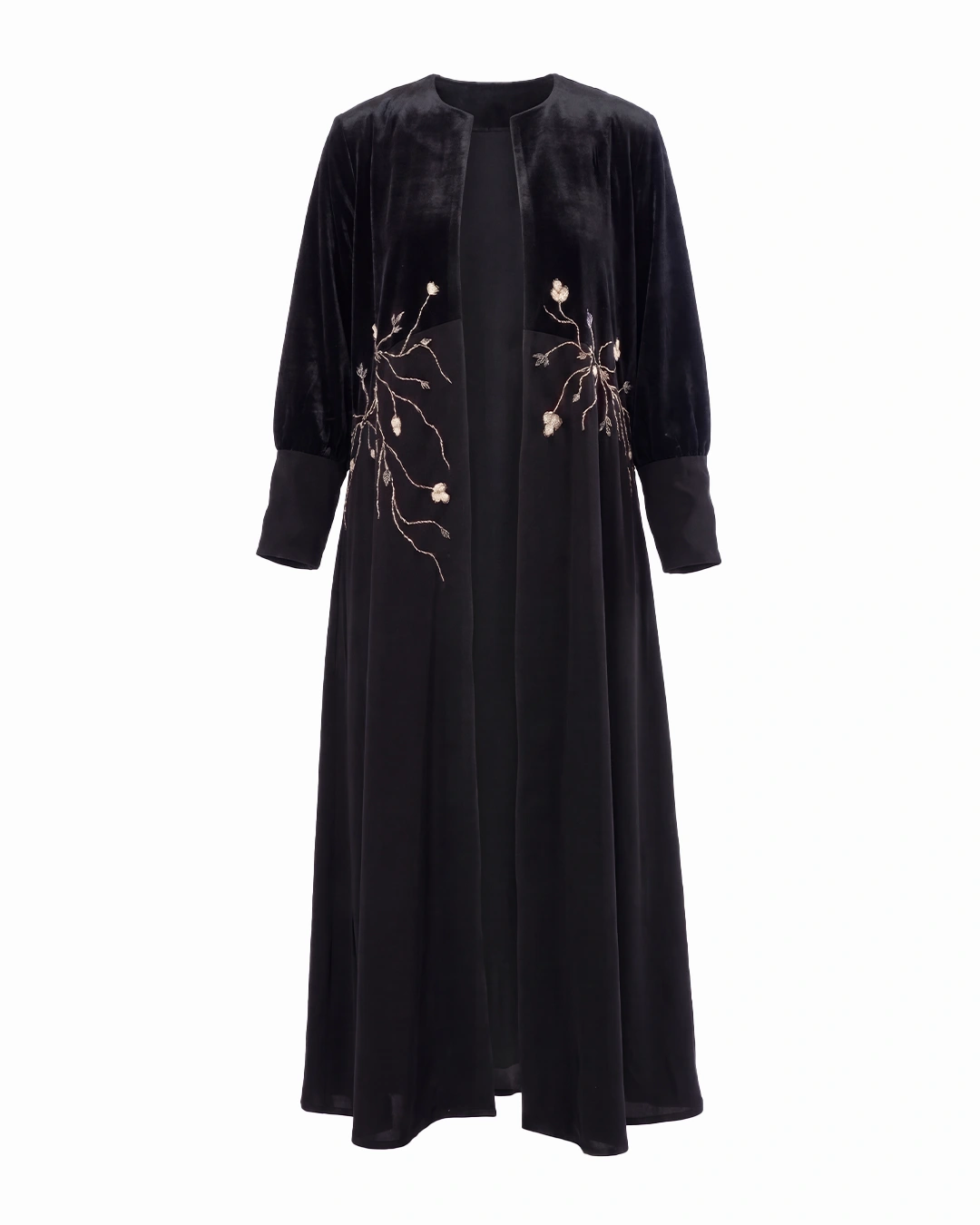
An open abaya gives you more flexibility because you can wear it over a long dress, a matching inner outfit, or other modest clothing. For work, keep the layers coordinated and avoid bulky pieces that disrupt the silhouette. A simple open design can be especially practical when temperatures change between outdoor commutes and air-conditioned workplaces. You can explore different silhouettes in the open abaya collection to find a style that suits your work routine.
Open vs Closed Abaya Comparison
How to Style Abaya for Office Women
The easiest way to style an abaya for the office is to build outfits around a few reliable combinations. Start with a neutral abaya and coordinate your hijab, shoes, and bag instead of introducing several statement pieces at once. This approach makes getting dressed quicker and helps your wardrobe feel consistent.
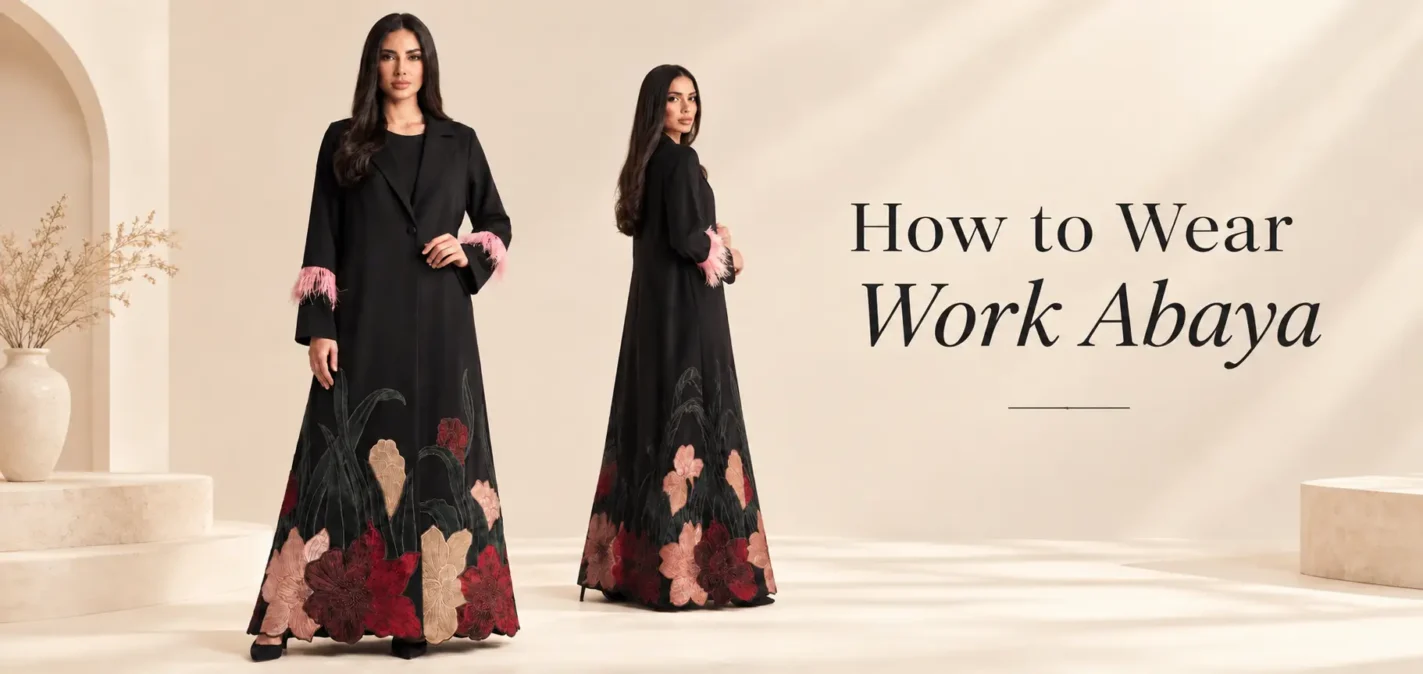
For a standard desk day, wear a black or taupe abaya with a matching or softly contrasting hijab, comfortable loafers, and a structured tote. For a meeting, choose a pressed coat-style abaya, pointed flats or low heels, and a neatly draped hijab. If you prefer an open abaya, pair it with a simple inner dress in a complementary colour and keep the accessories understated.
For everyday versatility, simple designs from the everyday abaya collection can provide useful styling inspiration. A practical work wardrobe should prioritise pieces you can wear repeatedly with different accessories rather than outfits that only work for one occasion.
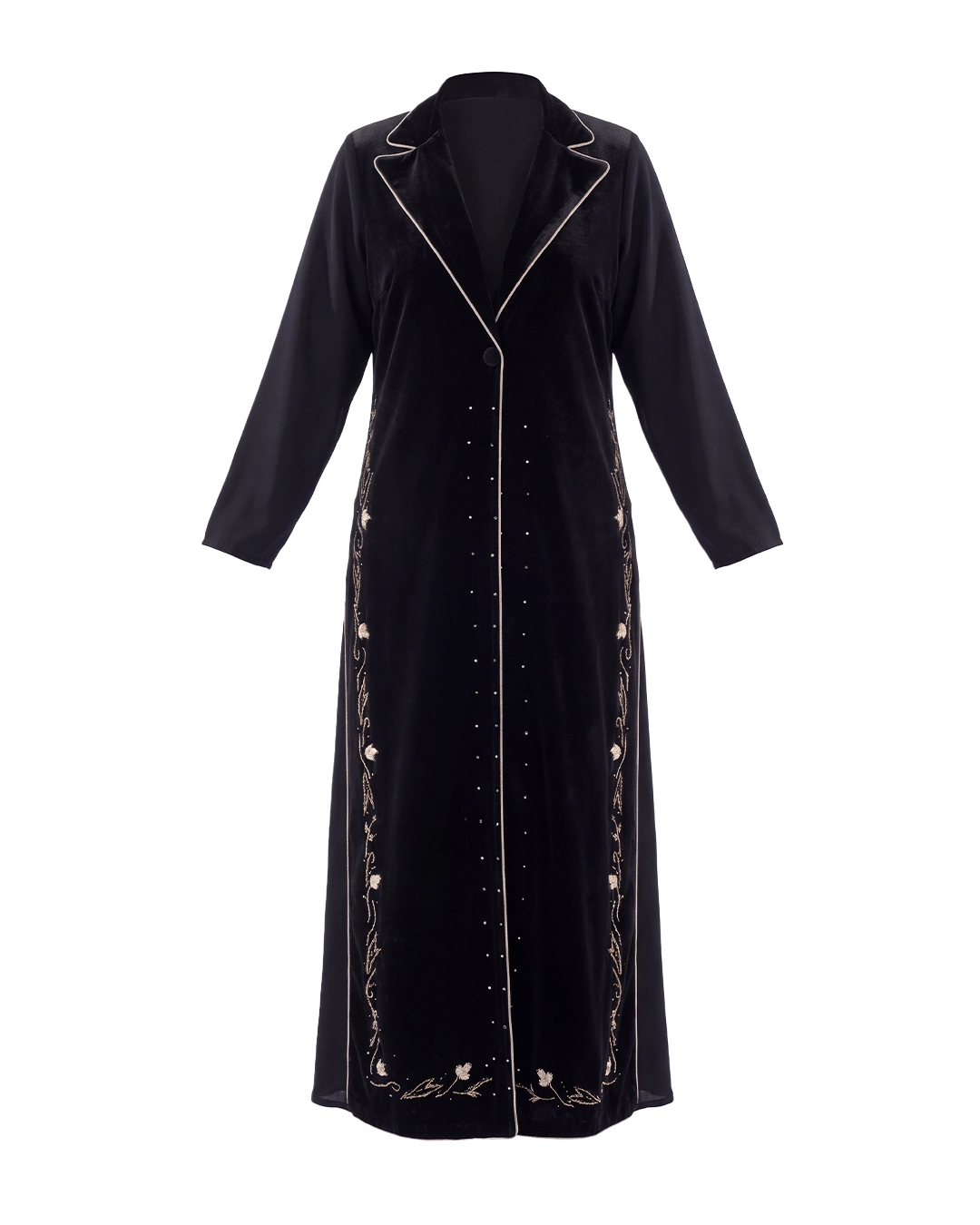
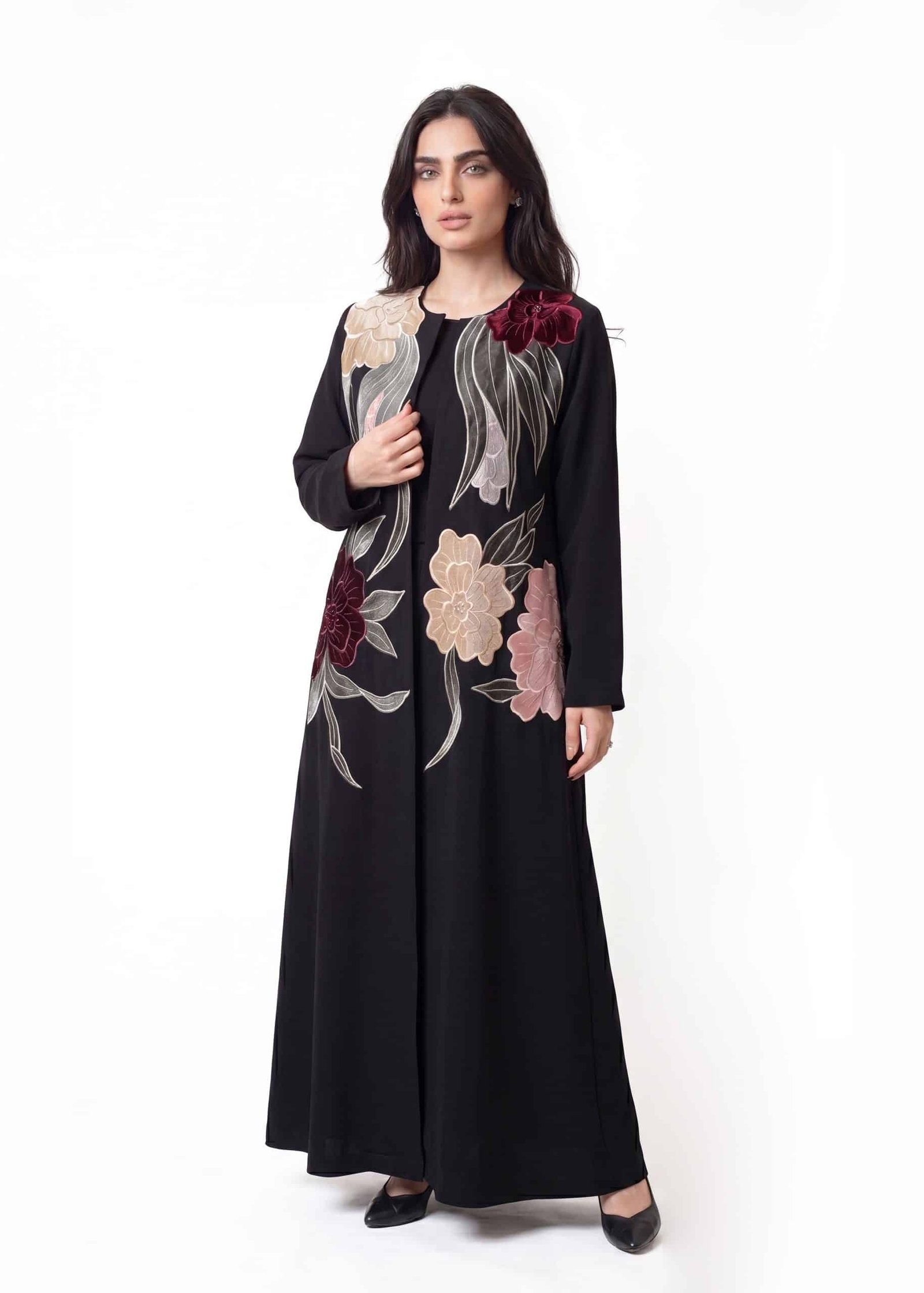
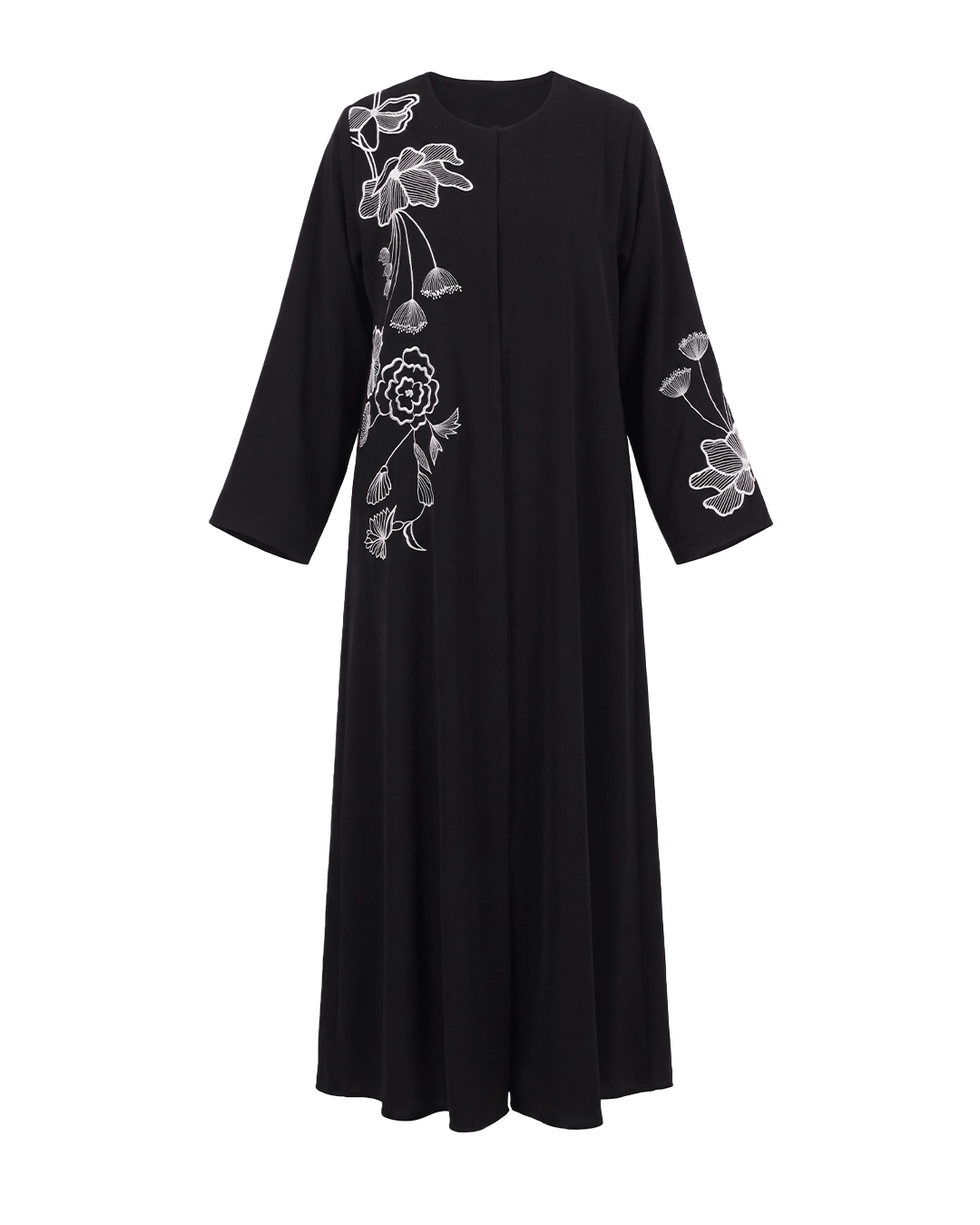
If your workplace allows more decorative details, keep them subtle. An abaya with delicate embroidery can add interest without overwhelming a professional outfit, particularly when the rest of the styling remains simple. Browse embroidered abayas for ideas on incorporating texture and detail while maintaining a balanced appearance.
Hijab, Shoes, and Bag: Finishing Your Work Outfit
Accessories can make an abaya outfit look intentional and professional. Chiffon and georgette hijabs create a refined finish, while jersey can be a practical choice for long commutes or busy workdays when comfort and secure styling matter. Choose a colour that complements the abaya rather than introducing too many competing shades.
For footwear, closed-toe flats, loafers, and low heels are practical options for most offices. Make sure the shoes are comfortable enough for walking and commuting, and consider how their colour works with the abaya. A structured tote or medium-sized work bag helps complete the outfit while providing space for everyday essentials.
A useful rule is to keep one element as the focus. If the abaya has noticeable texture or decorative details, choose simpler accessories. If the abaya is minimal, a refined bag or a carefully coordinated hijab can add character without making the outfit feel busy.
Work Abaya Styling by Season
Seasonal styling should account for both outdoor weather and indoor temperatures. In warm weather, choose breathable, lightweight fabrics and avoid unnecessary layers. Lighter neutrals can create a fresh appearance, while a loose but well-shaped cut allows comfortable movement during the commute.
Air-conditioned offices may feel considerably colder than the outdoors, so a lightweight blazer, cardigan, or additional modest layer can be useful. Make sure the extra layer sits smoothly over the abaya and does not create bulk around the shoulders or sleeves. In rainy or colder conditions, consider the hem length and choose footwear that provides reliable grip and is easy to clean.
Rather than buying a separate wardrobe for every season, focus on versatile abayas that work with different layers. Adjusting the hijab fabric, shoes, and outer layer can make a familiar outfit more suitable for changing temperatures.
Common Work Abaya Mistakes to Avoid
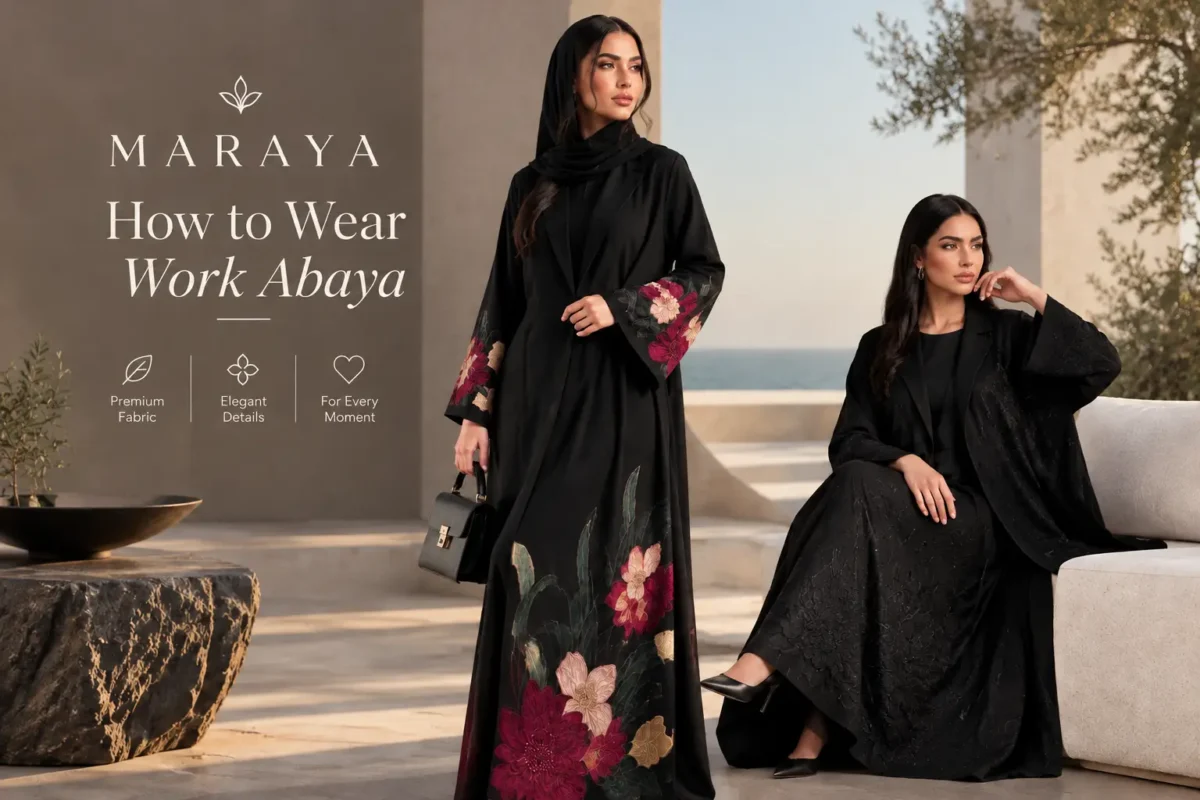
One common mistake is choosing an abaya with excessive embellishment for a workplace that expects understated clothing. Decorative details are not automatically unsuitable, but they should match the formality of your environment. When in doubt, a clean silhouette and restrained accessories are usually easier to style professionally.
Another mistake is focusing on the abaya while overlooking the rest of the outfit. Wrinkled inner layers, poorly coordinated colours, uncomfortable shoes, or an unsuitable bag can make the overall appearance feel less polished. Check the complete outfit rather than assessing each item separately.
Finally, avoid choosing a design that restricts movement or requires constant adjustment. Workwear needs to be practical as well as attractive. An abaya that feels comfortable during sitting, walking, commuting, and meetings is more likely to become a dependable part of your wardrobe.
Final Thoughts
Learning how to wear a work abaya is about building a practical styling routine that combines modesty, comfort, and professionalism. Start with a suitable cut and fabric, choose colours that coordinate easily, and complete each outfit with comfortable shoes, a neat hijab, and a functional bag. With a few versatile pieces and simple outfit formulas, you can create a polished work wardrobe that adapts to meetings, everyday office tasks, and changing seasons.
For more modest-fashion ideas and styling guidance, visit Maraya Mag and explore ways to make your wardrobe work for your lifestyle.
Frequently Asked Questions
Can I wear an open abaya to a corporate office?
Yes, an open abaya can be appropriate for a corporate office if the design and inner outfit meet the workplace dress code. Choose a structured or minimal style, wear a coordinated inner dress or outfit, and keep accessories understated. If your office has a strict formal policy, a closed abaya may be the simpler option.
What is the best colour for a work abaya?
Black, navy, charcoal, taupe, and beige are versatile choices because they coordinate easily with different hijabs, shoes, and bags. Choose a colour that suits your workplace and personal style, and consider how easily it fits into your existing wardrobe.
How can I wear an abaya comfortably in summer?
Choose a lightweight, breathable fabric and a cut that allows movement without clinging. Keep layering minimal outdoors, and carry a light additional layer if your workplace uses strong air conditioning. Breathable hijab fabrics can also make a difference during warm commutes.
Which shoes look professional with an abaya?
Loafers, closed-toe flats, and low heels are reliable choices for many office environments. Prioritise comfort, fit, and walking stability, particularly if your commute involves public transport or extended periods on your feet.
How many abayas do I need for a workweek?
There is no fixed number, but a small rotation of two or three versatile abayas can be enough if you can coordinate them with different hijabs, shoes, and bags. Choose designs that work across multiple situations so you can create varied outfits without buying a separate abaya for every workday.