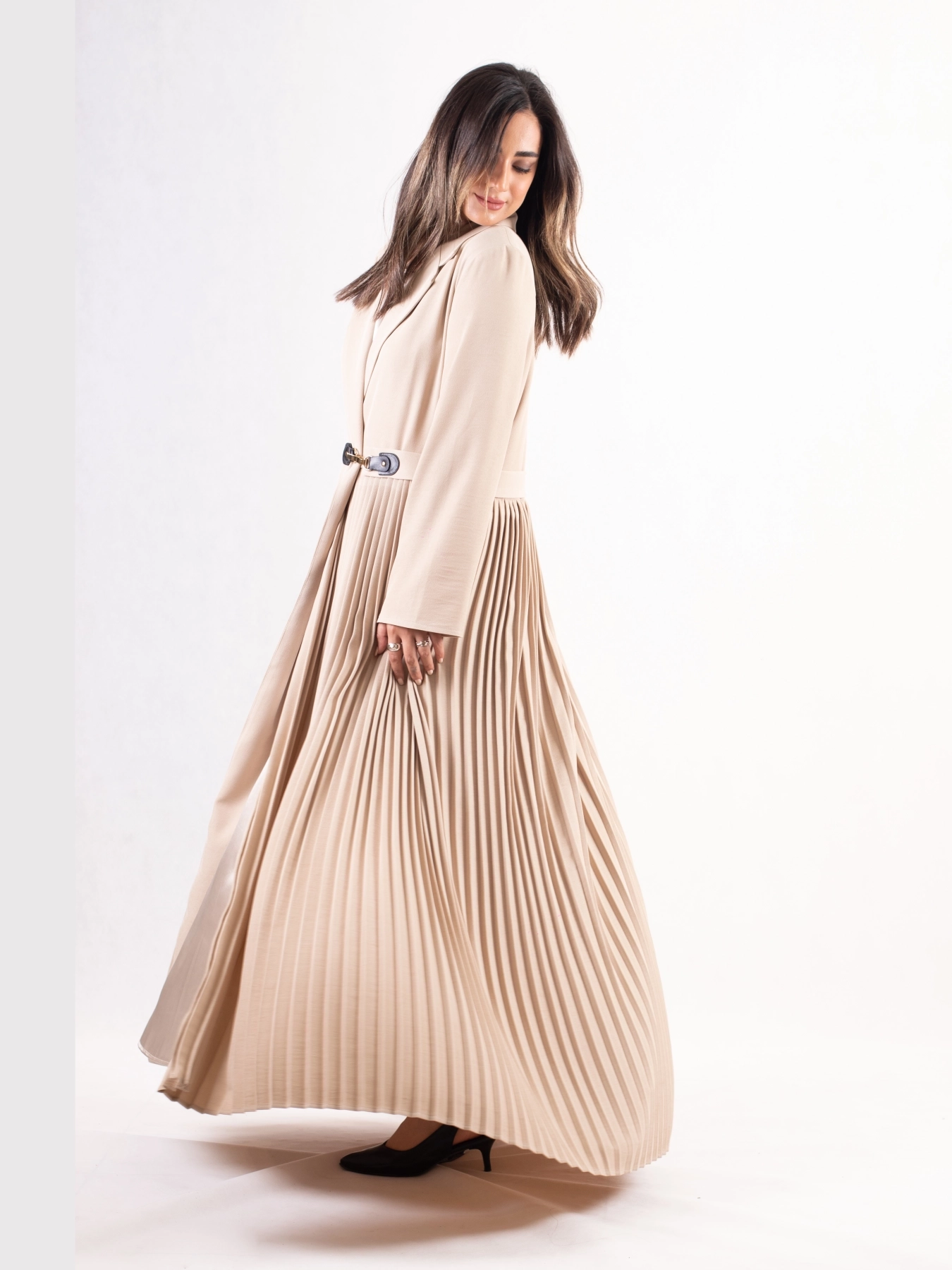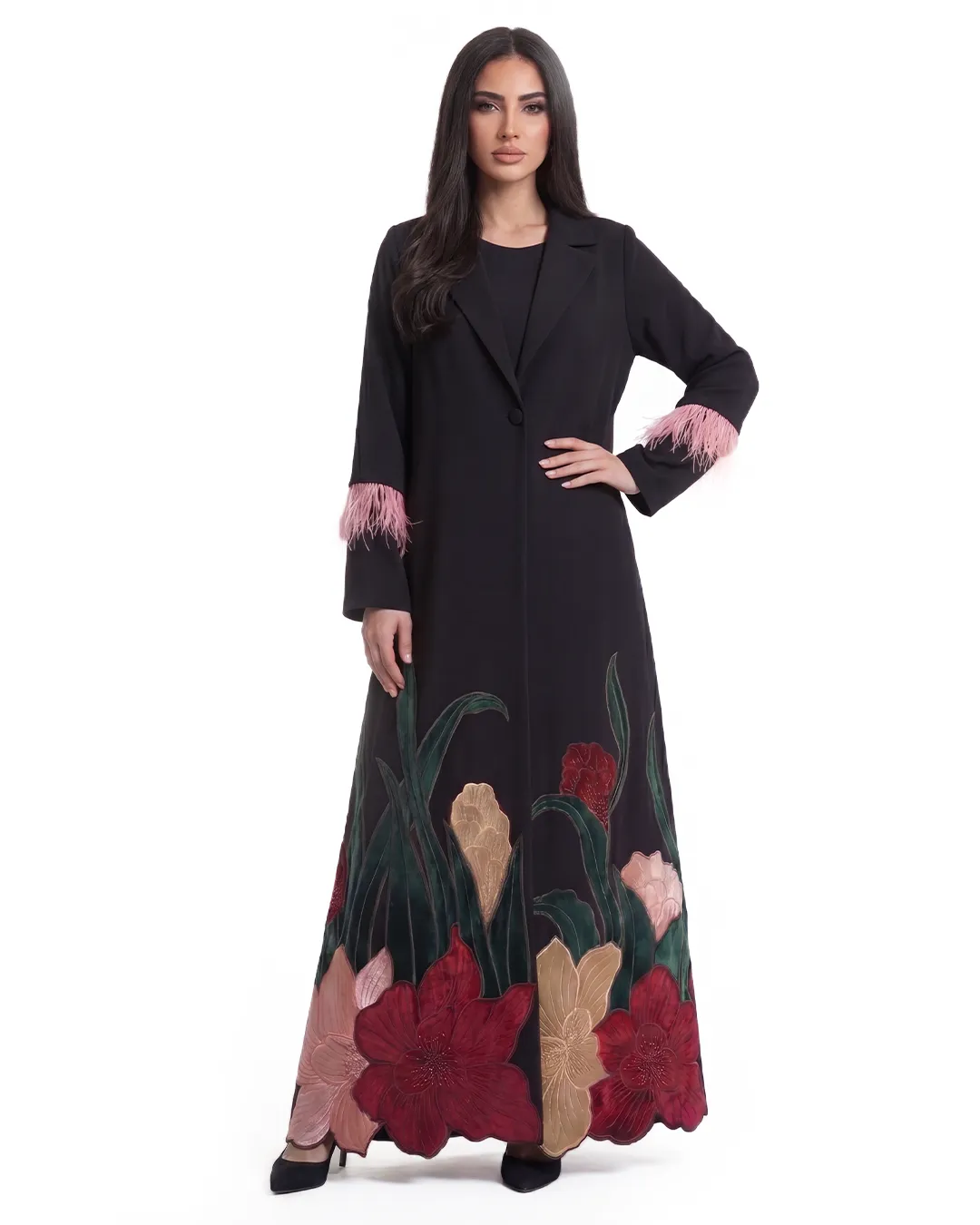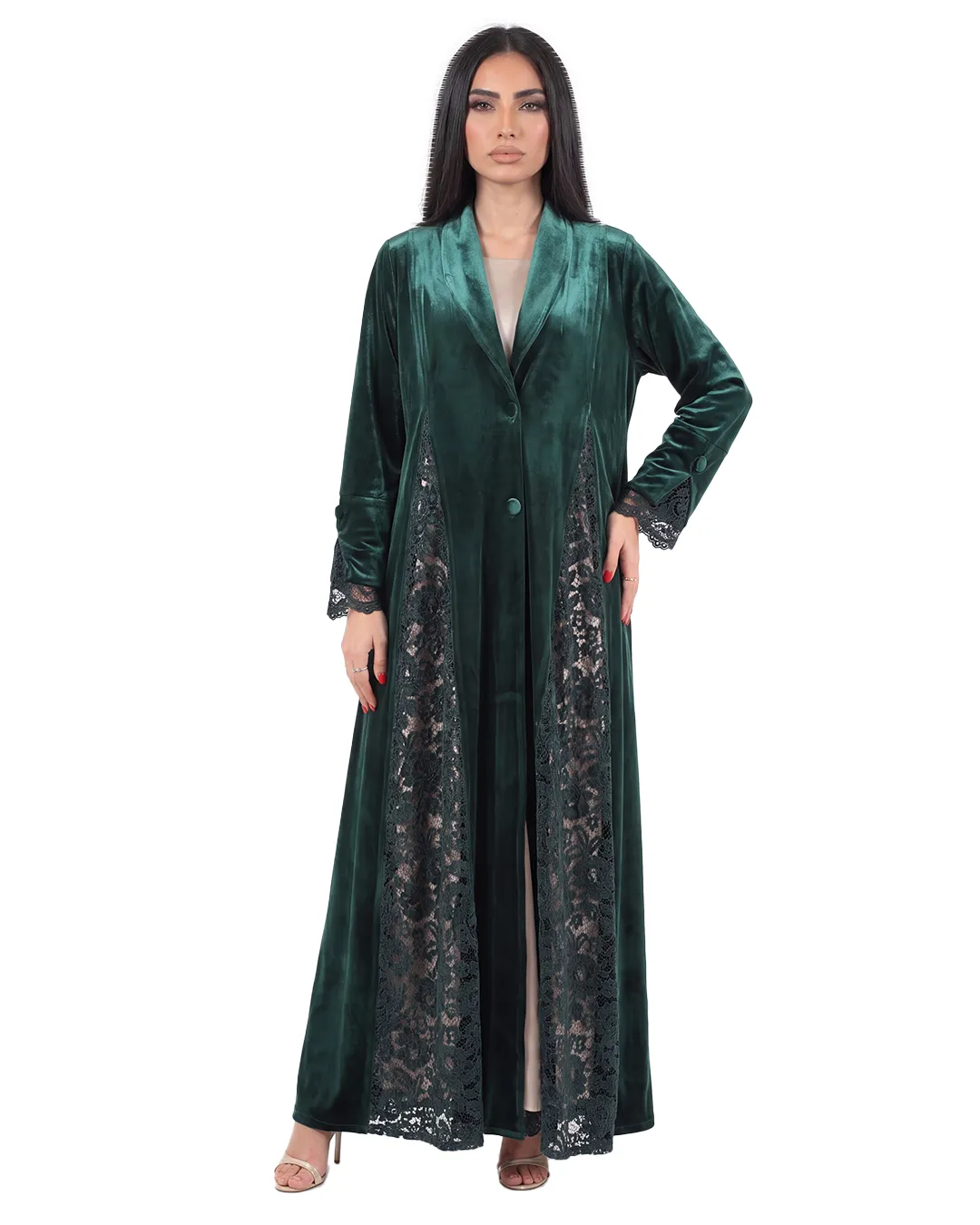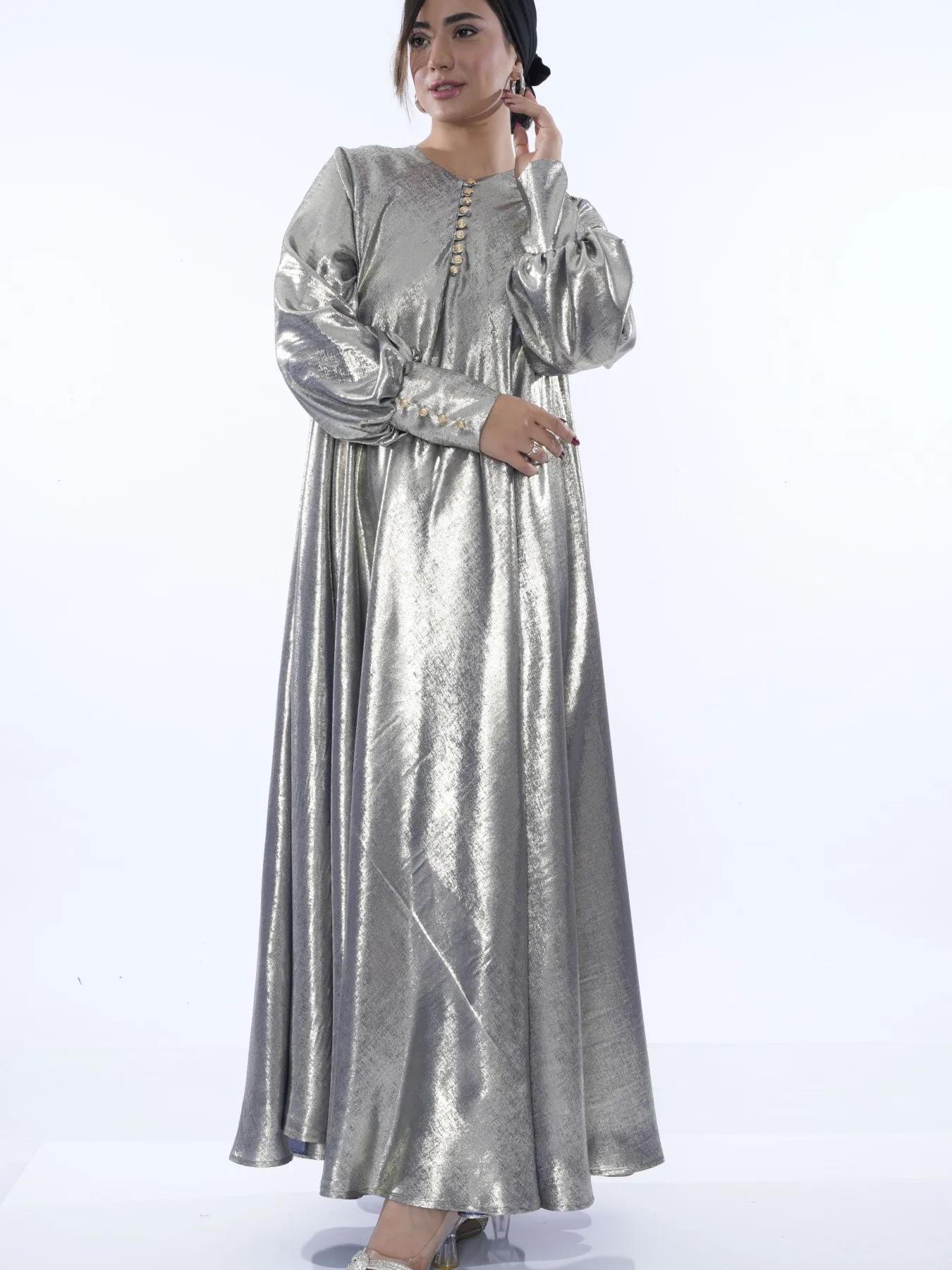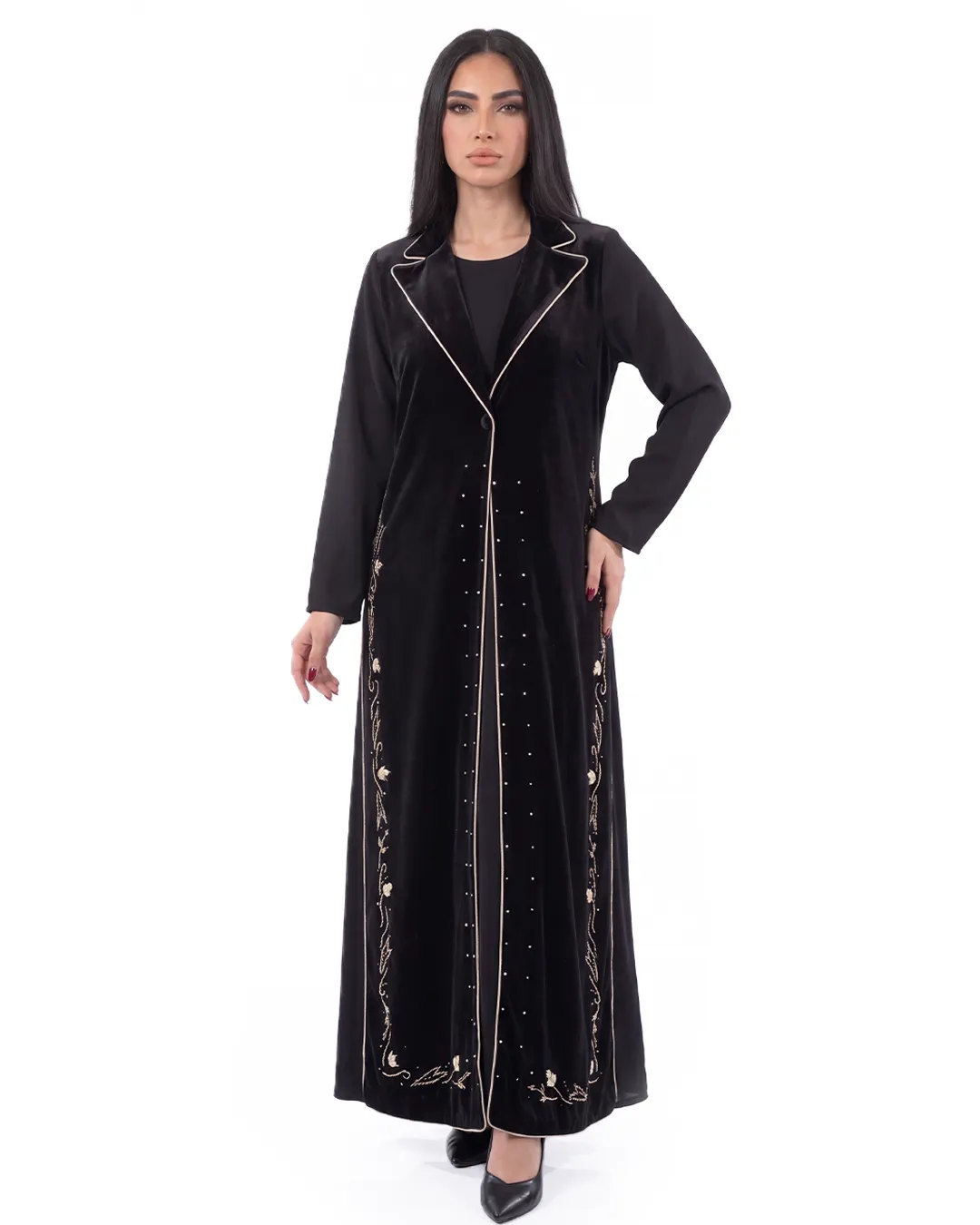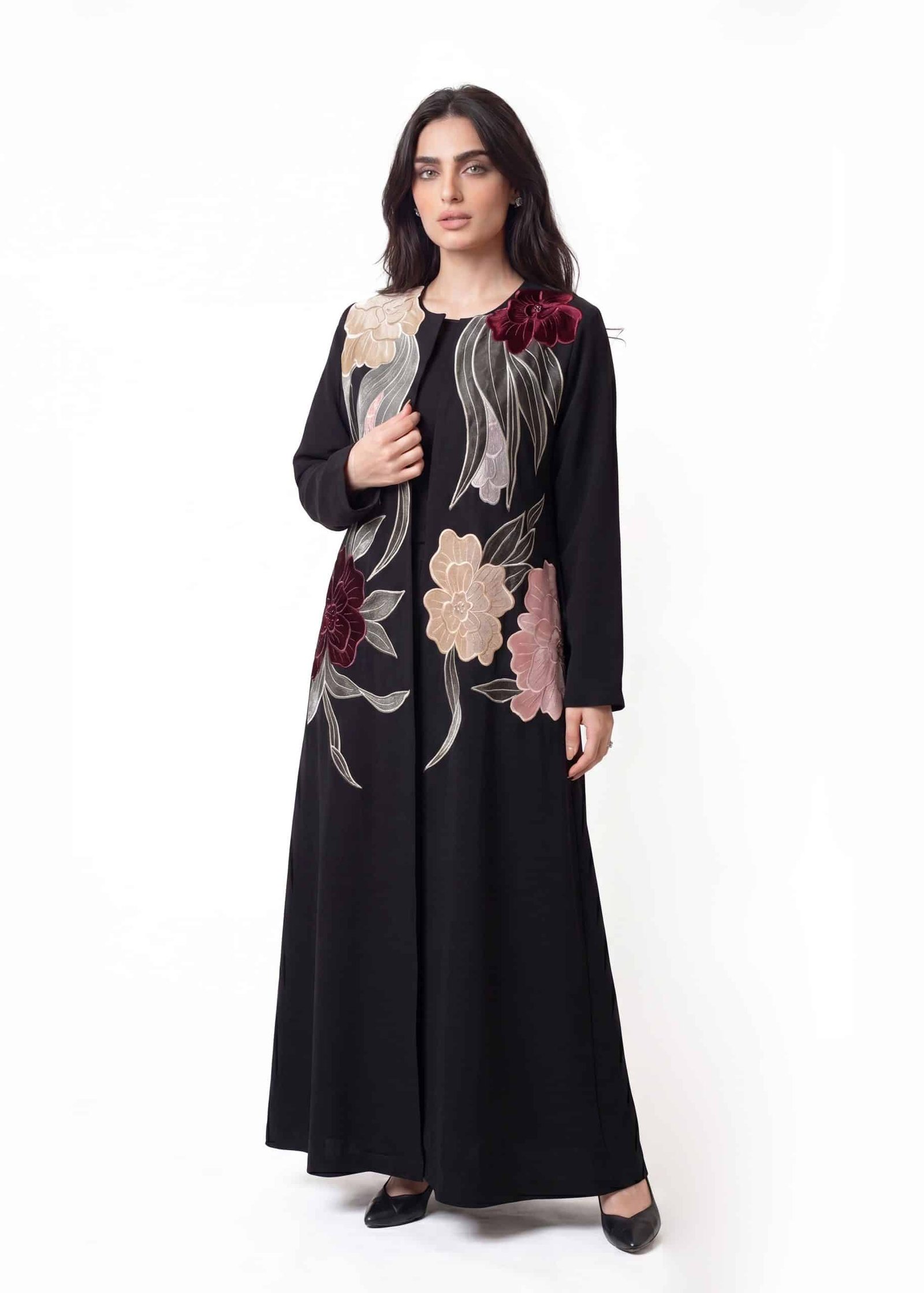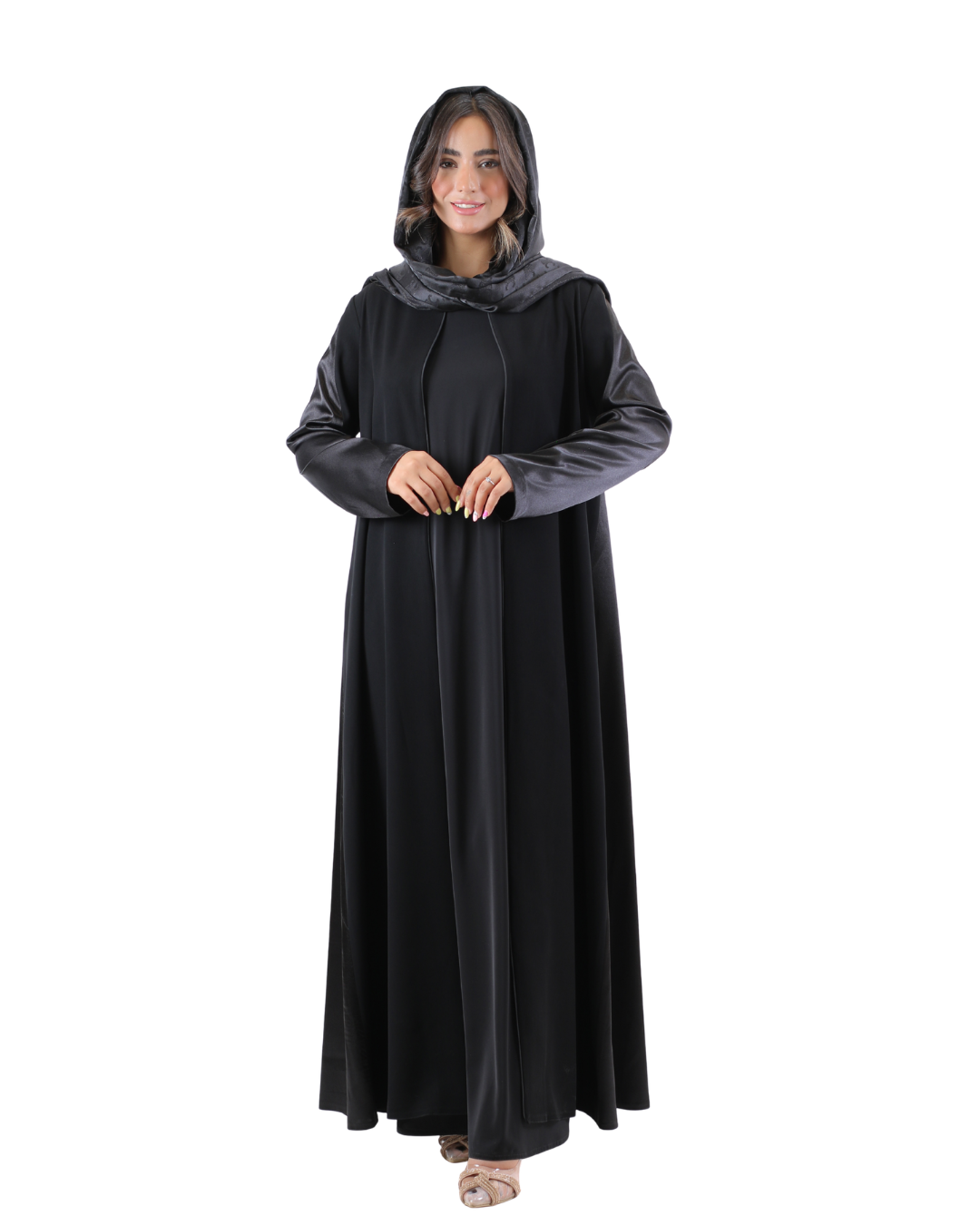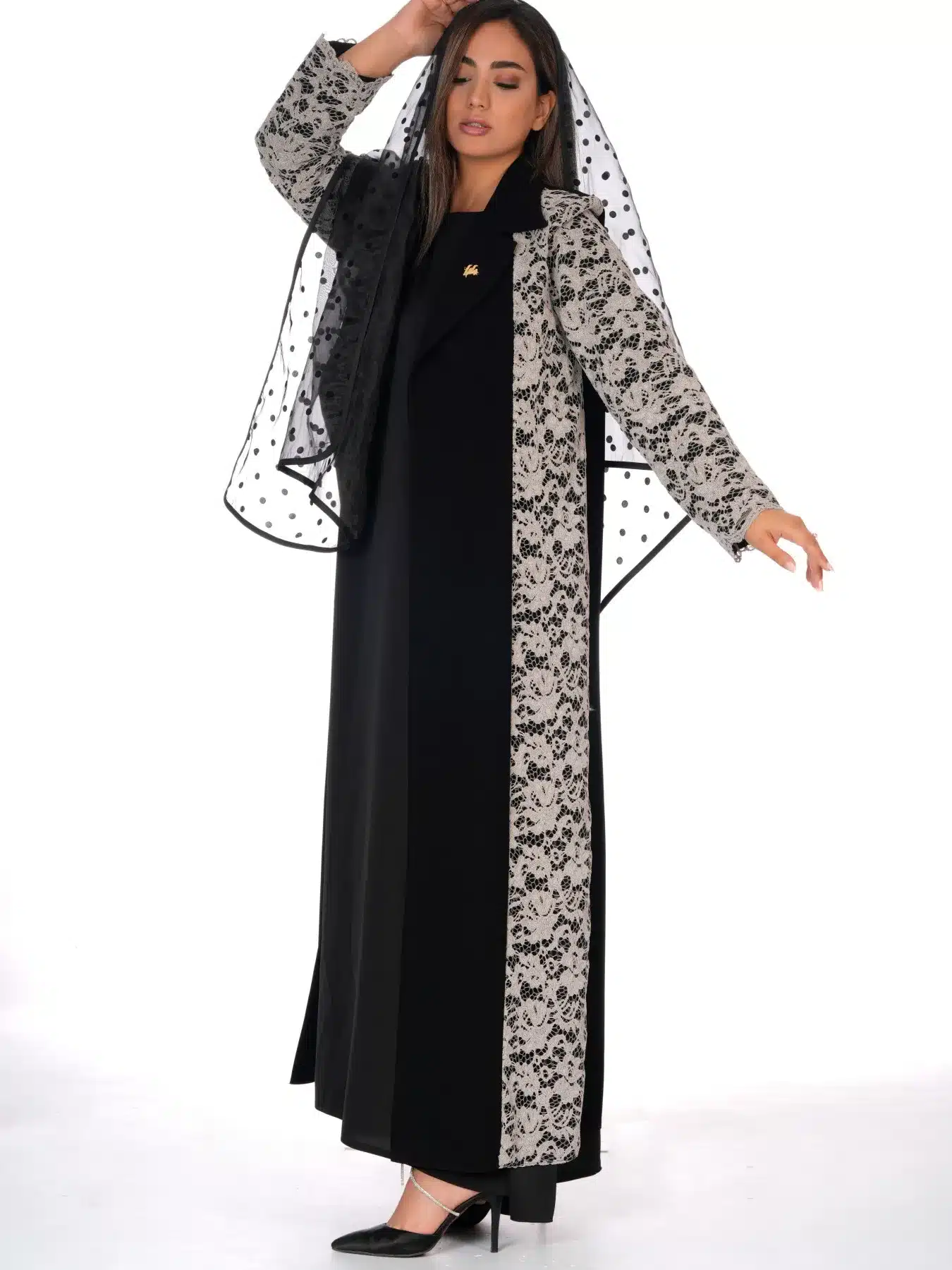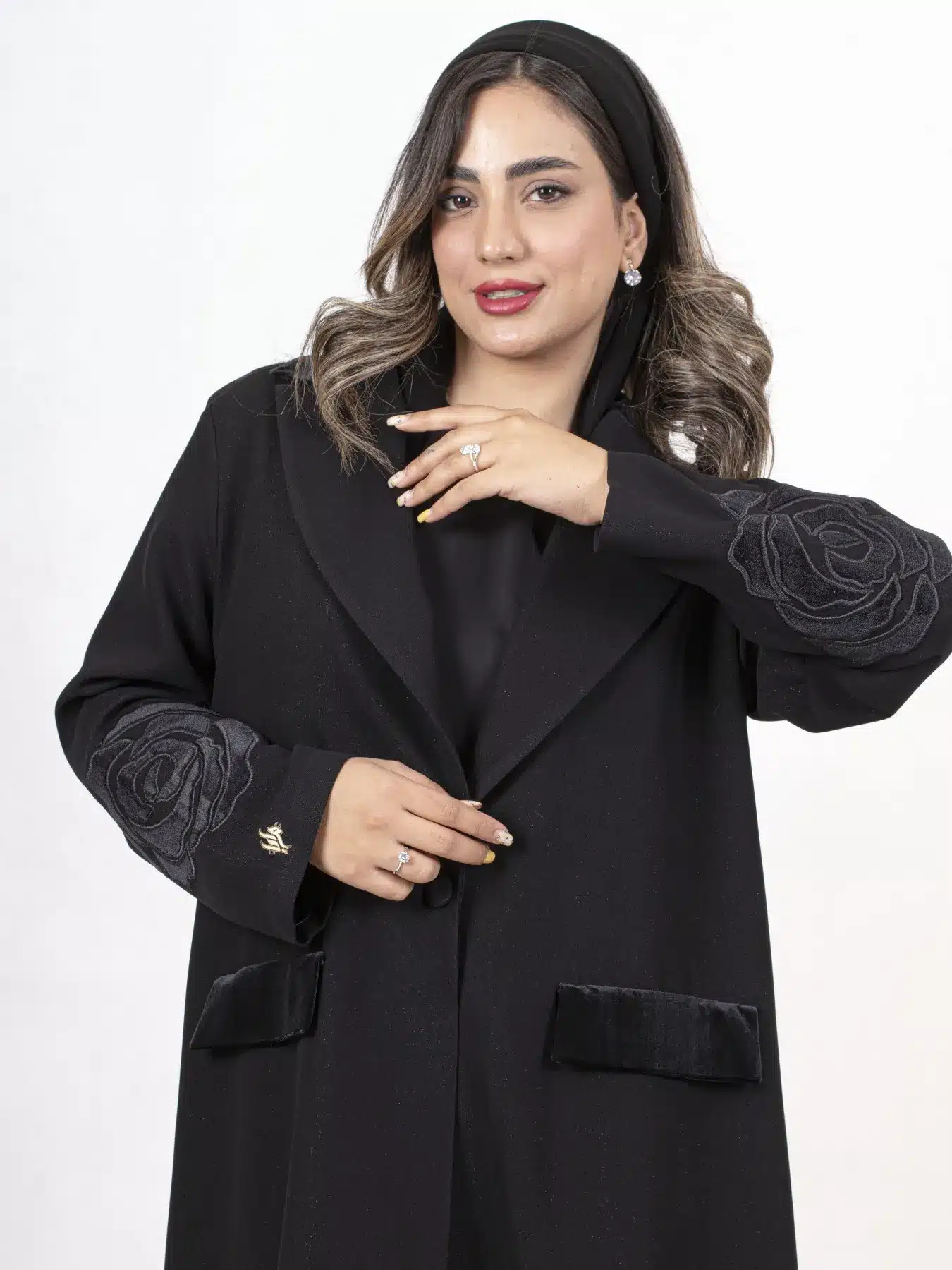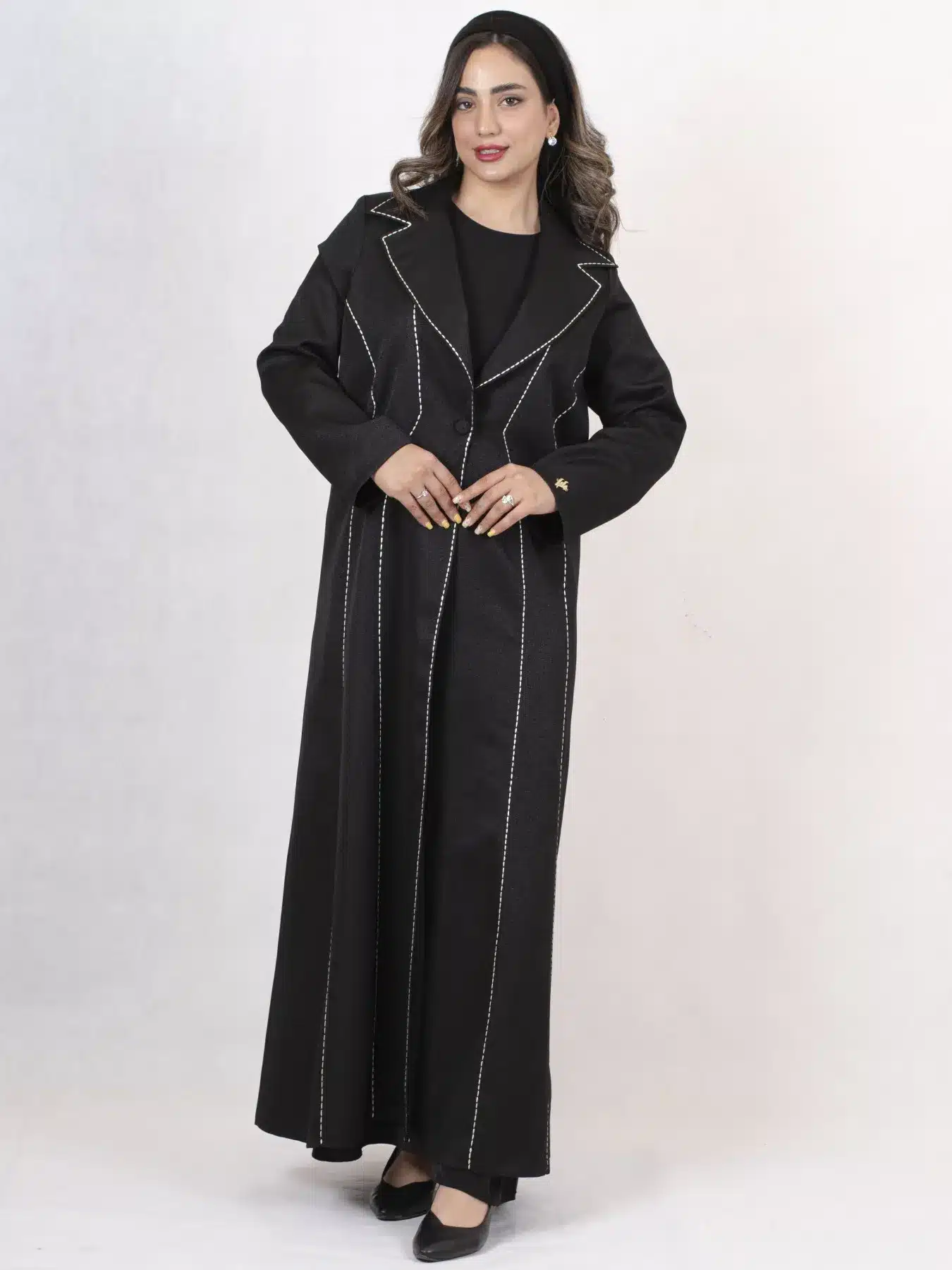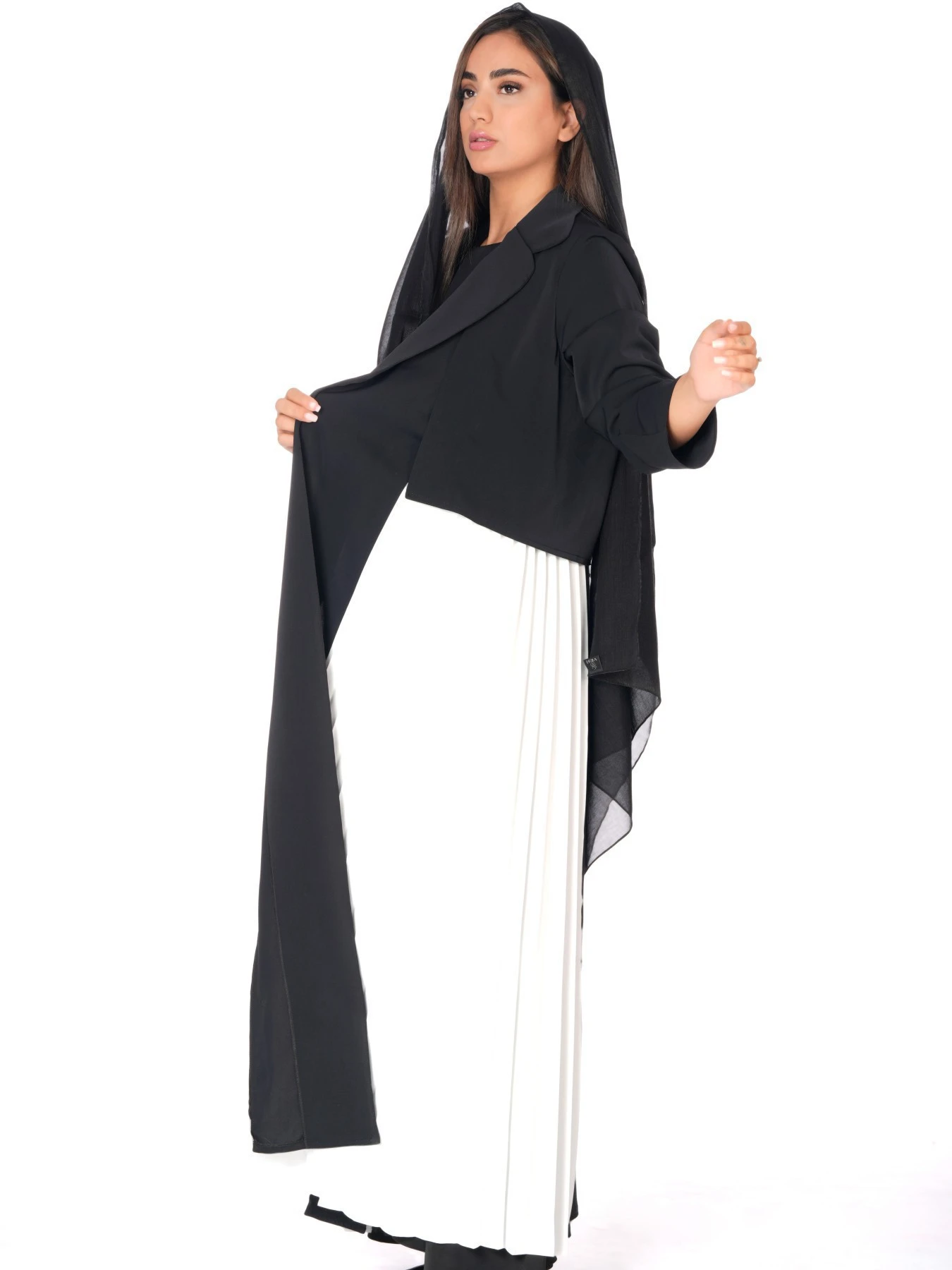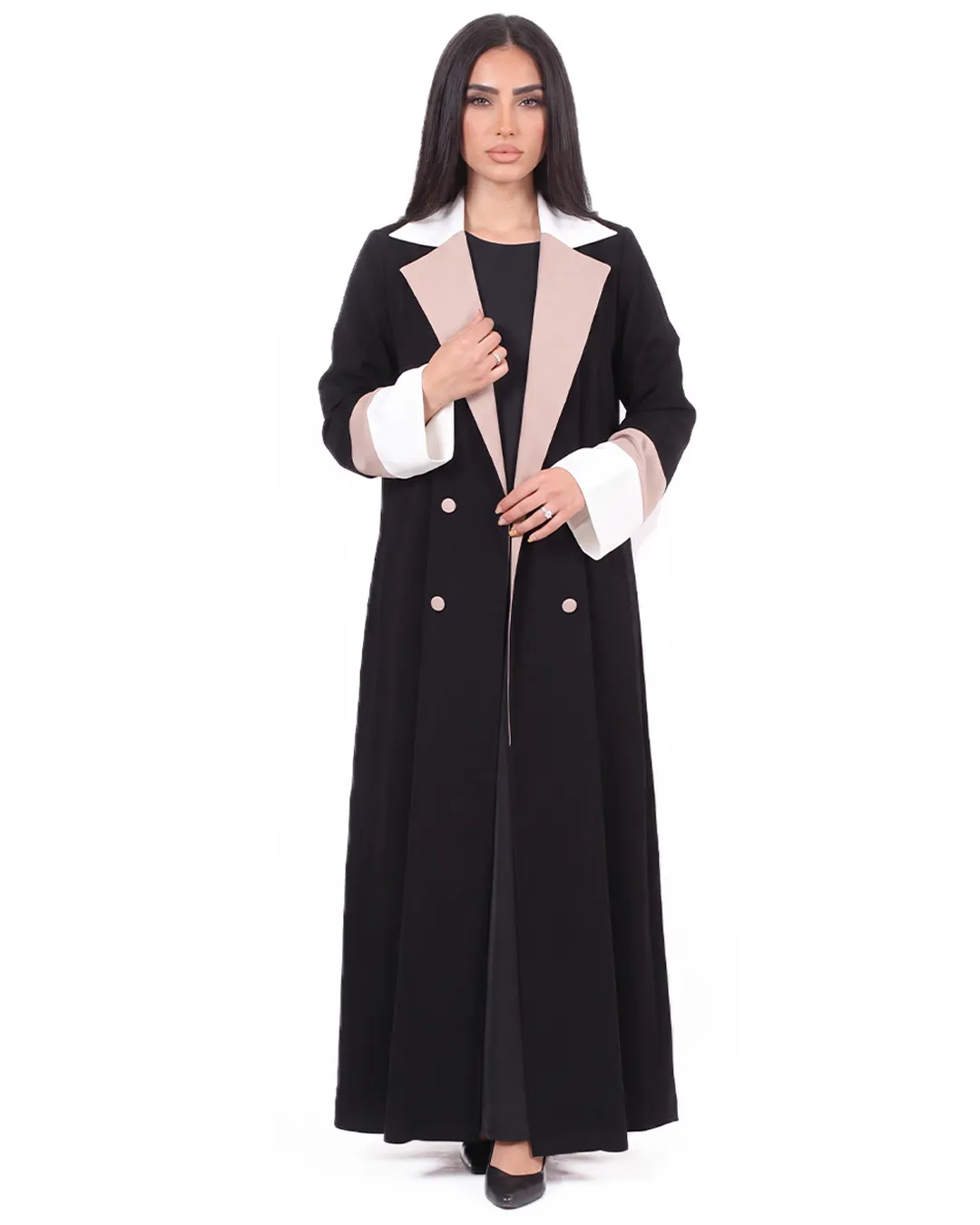
Abaya trends 2026 are moving toward refined silhouettes, lightweight fabrics, versatile layering, and carefully considered details. Contemporary abaya design is increasingly focused on proportion, movement, texture, and versatility rather than excessive decoration. This shift is particularly visible in Dubai, where climate, modest fashion, and occasion dressing influence how women choose and style their abayas.
The modern abaya can move easily between different settings. An open-front design can work with a simple daytime outfit, a tailored inner layer for work, or a satin dress for an evening event. Classic black remains important, while neutrals, pastels, jewel tones, textured fabrics, and refined embroidery continue to expand the modern wardrobe.
Quick Answer: What Abaya Designs Are Trending in 2026?
The leading abaya trends 2026 include open-front layering abayas, belted silhouettes, kimono and batwing sleeves, cape-inspired designs, structured shoulders, neutral palettes, soft pastels, jewel tones, satin and silk-inspired fabrics, chiffon, organza, linen blends, and subtle tonal embellishment.
The common thread is versatility. The strongest designs combine a practical silhouette with a distinctive fabric, colour, or detail rather than relying on multiple decorative elements.
The 7 trends you’ll see most often in 2026
- Open-front abayas: Fluid black, ivory, taupe, or mocha designs styled over dresses and coordinated sets.
- Belted abayas: Relaxed silhouettes with matching belts that introduce definition while preserving modest coverage.
- Kimono and batwing sleeves: Wide, fluid sleeves that create movement without heavy decoration.
- Cape-inspired abayas: Dramatic shoulder movement created through chiffon, organza, satin, or structured fabrics.
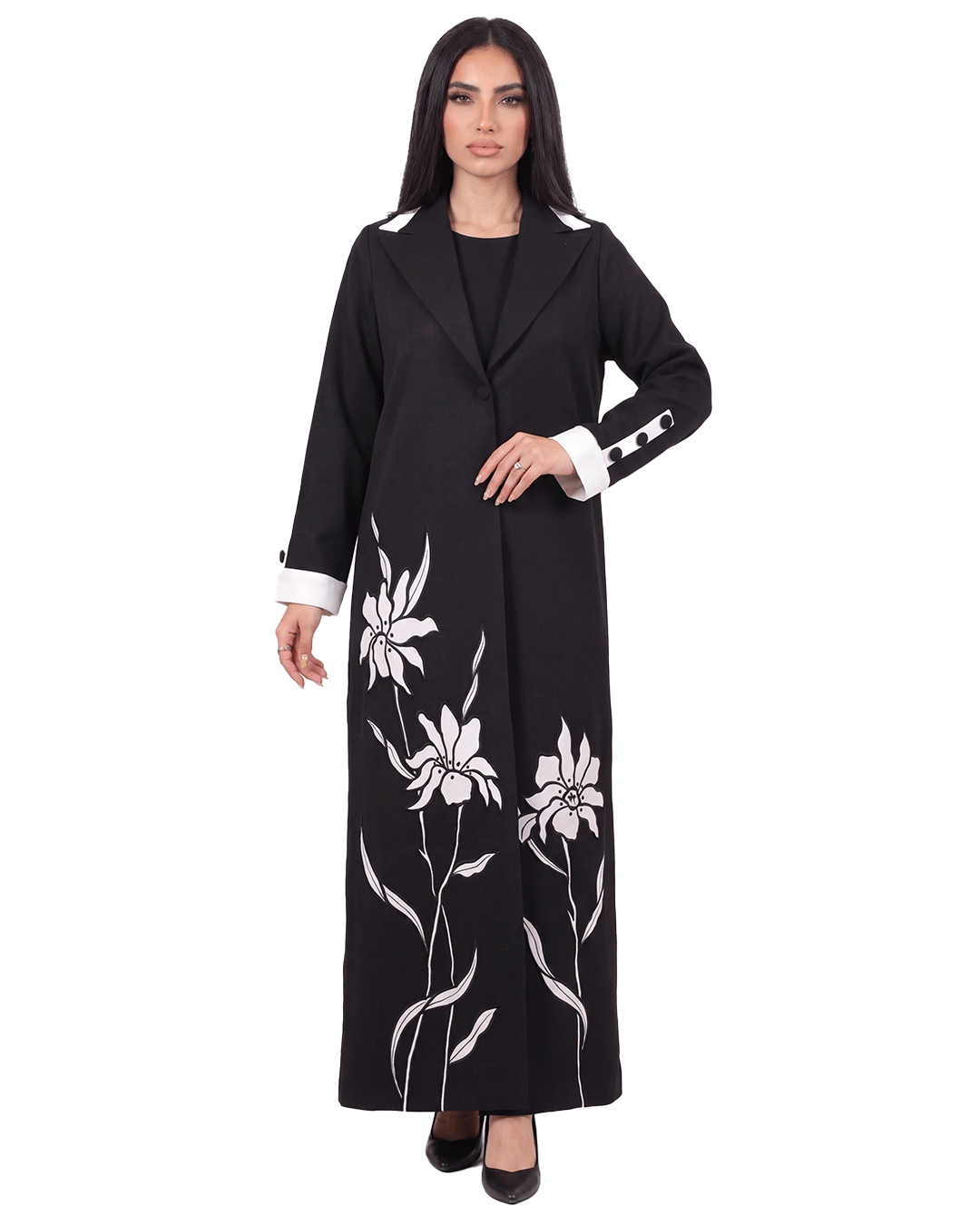
- Modern black abayas: Traditional black updated through architectural cuts, texture, piping, and tonal embroidery.
- Soft pastel abayas: Powder blue, blush, sage, and lavender for elegant daytime dressing.
- Textural luxury: Pleats, jacquard, crinkled surfaces, and subtle embroidery that add depth without excessive embellishment.
The “quiet luxury” rule: why minimal looks feel most modern in 2026
Quiet luxury has influenced abaya design by shifting attention from the amount of decoration to the quality of the overall composition. A well-cut ivory crepe abaya with tonal embroidery can feel more refined because the silhouette, fabric, finishing, and proportions remain the focus.
Decoration is becoming more selective rather than disappearing. Pearls around a cuff, embroidery along a collar, a contrasting trim, or a carefully placed panel can provide visual interest while keeping the rest of the garment clean.
Abaya Trends in Dubai 2026 (What’s Different in the UAE)
Abaya Trends in Dubai 2026 are strongly influenced by the region’s climate and contemporary fashion environment. Lightweight fabrics, fluid silhouettes, open-front construction, sophisticated neutral colours, and adaptable layering are especially relevant because outfits often need to work across hot outdoor conditions and heavily air-conditioned indoor spaces.
Dubai’s occasion-wear culture also makes versatility important. An abaya may need to transition from daytime activities to restaurants, hotels, gatherings, or evening events.
Why lightweight fabrics + open-front layering dominate Dubai street style
Dubai’s climate makes fabric selection an important part of abaya styling. Lightweight crepe, chiffon, linen blends, and other fluid textiles provide coverage without unnecessary bulk.
Open-front construction makes this approach particularly practical. During the day, an open abaya can be worn over a breathable dress or coordinated set. In air-conditioned spaces, it becomes an additional layer, while satin, jewellery, a structured handbag, and formal footwear can make the same garment suitable for evening use.
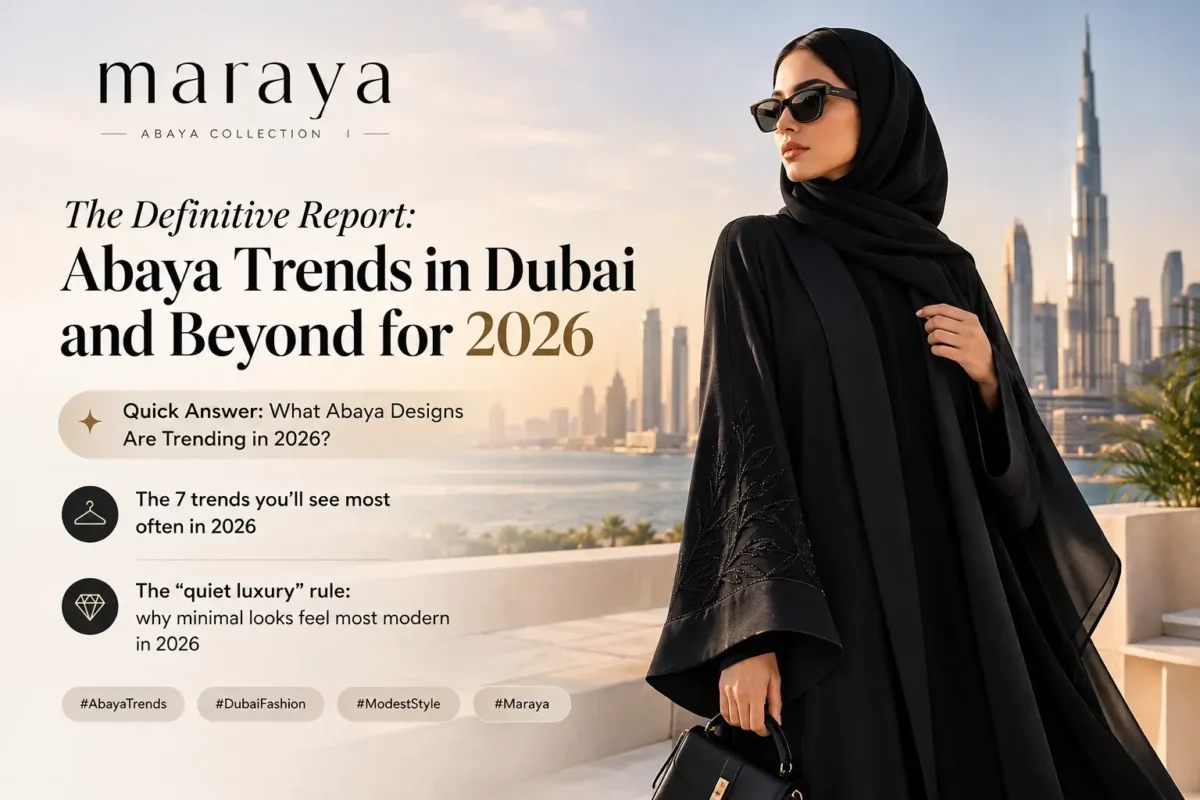
The UAE “modern black abaya” update
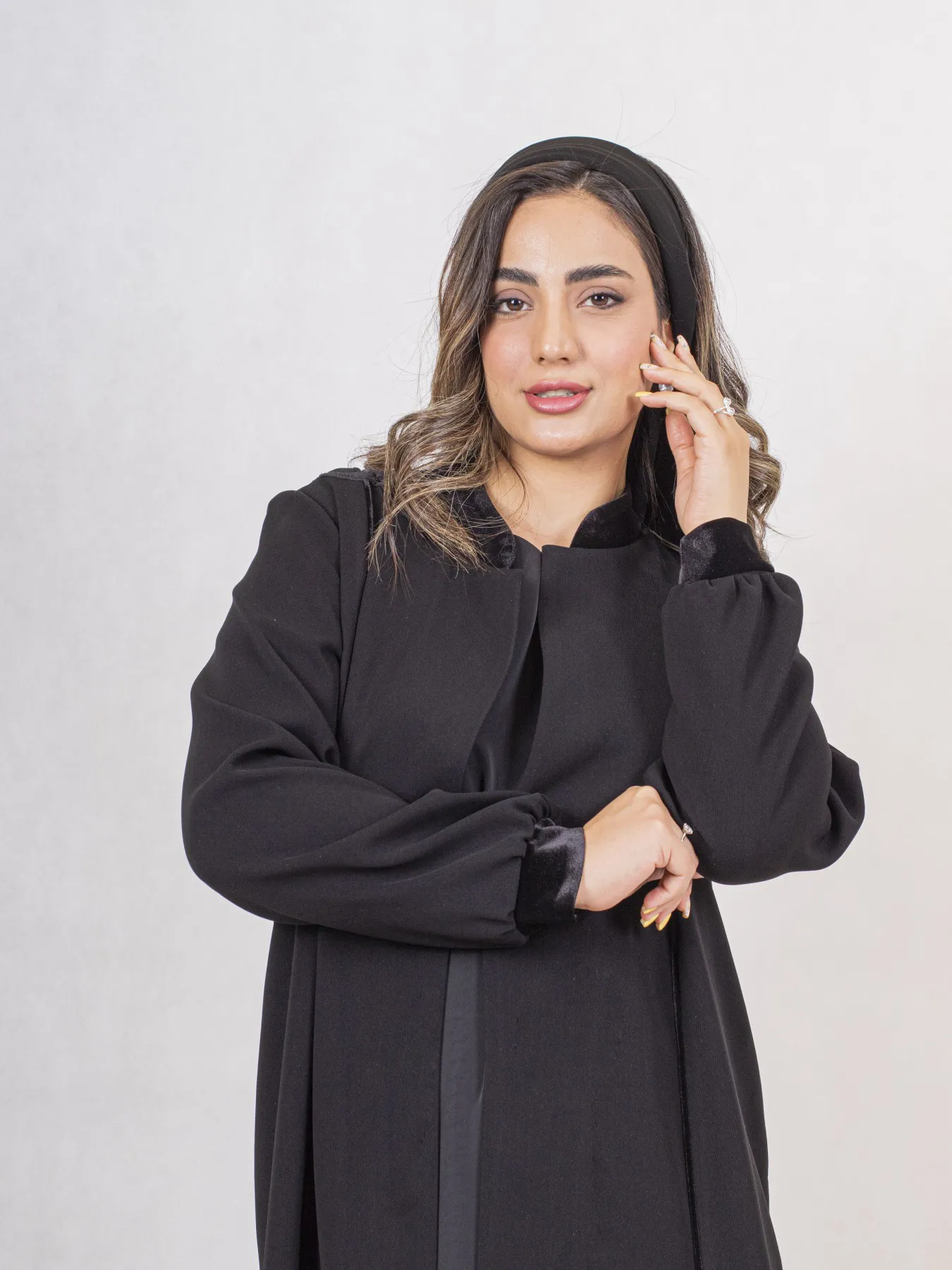
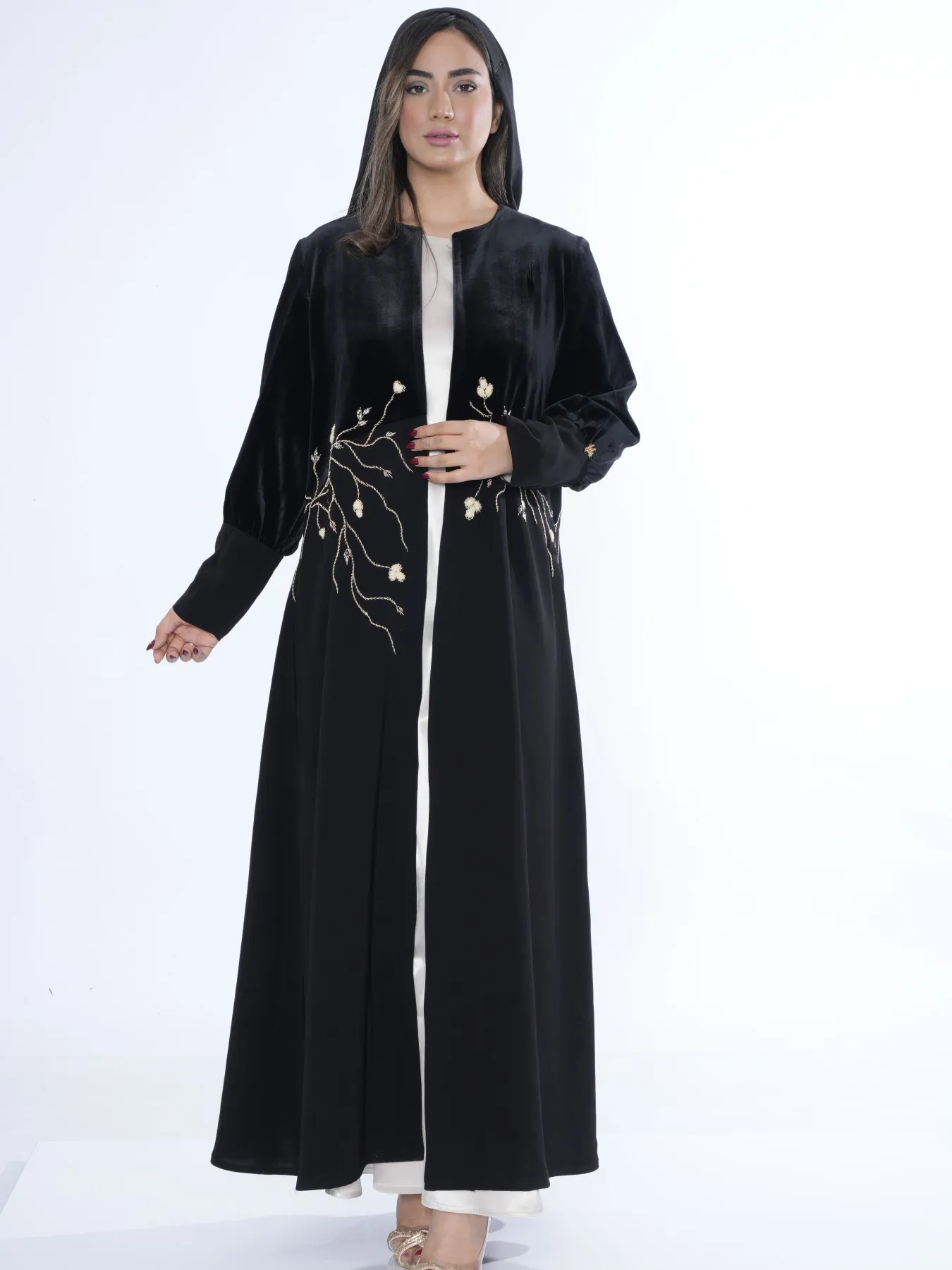
Black remains one of the most recognisable colours in abaya fashion, but modern black abayas are increasingly defined by construction. Architectural seams, wide sleeves, structured shoulders, tonal embroidery, satin panels, subtle piping, and textured surfaces create new interpretations of the classic silhouette.
For everyday wear, matte black crepe with clean lines provides a versatile foundation. For formal occasions, satin, jacquard, chiffon layers, or understated embroidery introduce movement and dimension.
Dubai-ready styling notes (day heat vs indoor AC vs evening events)
For hot daytime conditions, choose lightweight fabrics, relaxed silhouettes, and breathable inner layers. In air-conditioned environments, an open-front abaya provides an additional layer without unnecessary weight. For evening events, satin, jewel tones, pearls, tonal embroidery, and structured silhouettes create a more formal finish.
2026 Abaya Fashion Trends (Design & Silhouette Trends)
The major 2026 Abaya Fashion Trends focus on movement, proportion, and versatility. Traditional modest silhouettes remain important, while wider sleeves, controlled volume, belts, layering, structured shoulders, and architectural construction provide contemporary updates.
Open-front layering abayas (coat-like, kimono-like)
Open-front abayas are among the most adaptable trending abaya designs of 2026. Coat-like versions use cleaner front panels and structured shoulders, while kimono-inspired styles rely on wide sleeves and fluid fabrics.
An ivory or taupe crepe open-front abaya can be worn over a monochrome inner dress during the day or layered over satin for an evening occasion. Explore the latest Open Abaya Collection for versatile open-front silhouettes.
Belted abayas (shape without losing modesty)
Belted abayas introduce definition while maintaining generous proportions. A matching fabric belt creates a coordinated appearance without adding another competing visual element.
Mocha, beige, taupe, and black are particularly versatile. A removable belt allows the same abaya to be worn loosely or with more definition.
Statement sleeves (kimono, batwing, pleated)
Statement sleeves create a distinctive abaya without relying on heavy decoration. Kimono sleeves create a broad line, batwing sleeves introduce softness and volume, while pleated sleeves add movement and texture.
Because the sleeves provide visual interest, the rest of the garment generally works best with a cleaner construction. A powder-blue chiffon abaya with batwing sleeves, for example, can stand out without heavy embellishment.
Cape-inspired abayas and dramatic movement
Cape-inspired abayas create movement around the shoulders and upper body. Chiffon, organza, satin, and lightweight structured fabrics are particularly effective because they create a flowing effect while walking. Black, ivory, mocha, and champagne allow the cape construction to remain the main design feature.
Structured shoulders and “architectural” cuts
Architectural abayas use seams, panels, controlled volume, and defined shoulders to create a deliberate silhouette. Structured crepe and jacquard work particularly well for this approach.
A black architectural abaya can therefore feel very different from a traditional straight black design while maintaining the same modest foundation.
2026 Abaya Trends (Color Trends)
Colour trends in 2026 extend beyond traditional black and neutrals without abandoning those foundations. The current palette can be divided into sophisticated neutrals, soft daytime pastels, and richer evening colours.
Neutral base palette (ivory–beige–taupe–mocha)
Ivory, beige, taupe, and mocha are among the most versatile colours for a contemporary abaya wardrobe. They work with cream, white, black, brown, denim, and metallic accessories. A taupe crepe open-front abaya over a cream inner dress creates a polished monochromatic effect without appearing complicated.
Pastel daytime palette (powder blue, blush, sage)
Powder blue, blush, sage, and lavender provide softer alternatives to darker abayas. They work particularly well with lightweight fabrics and neutral accessories. Keeping the supporting pieces within cream, ivory, beige, or light grey allows the abaya colour to remain the focal point.
Jewel-tone evenings (emerald, royal blue, burgundy)
Emerald, royal blue, burgundy, and plum are particularly effective for evening dressing. Their deeper saturation creates a formal appearance, especially when paired with satin, silk-inspired textiles, jacquard, or subtle embellishment. A burgundy satin abaya with minimal jewellery can create an elegant evening look without extensive embroidery.
How to choose between neutrals vs color-blocking without looking “busy”
Use one dominant colour and one supporting shade. A mocha abaya with an ivory inner layer creates contrast while maintaining visual consistency.
When an abaya already features dramatic sleeves, an architectural shoulder, a cape construction, or patterned fabric, a restrained palette usually creates better balance.
2026 Abaya Trends (Fabric & Texture Trends)
Fabric is becoming as important as colour and silhouette. Contemporary designs increasingly use the natural properties of textiles to create movement, texture, structure, or light reflection.
Satin and silk for evening drape
Satin and silk-inspired fabrics are effective for evening abayas because their surfaces reflect light and create fluid movement. Emerald, burgundy, black, navy, and champagne work particularly well with these fabrics. The fabric itself becomes part of the design, reducing the need for extensive decoration.
Organza and chiffon for layered movement
Organza and chiffon introduce lightness and movement when used as outer layers, sleeves, panels, or cape elements. They work especially well with kimono and cape-inspired silhouettes.
A simple inner dress paired with a flowing chiffon abaya can create an elegant layered effect without excessive styling.
Linen blends for daytime breathability
Linen blends are particularly relevant to warm-weather dressing. Their relaxed character works naturally with beige, ivory, sand, taupe, and sage. A loose linen-blend abaya with flat shoes, a lightweight hijab, and a structured bag creates a practical daytime look.
Textured fabrics for depth without heavy embellishment
Pleated, crinkled, jacquard, and other textured fabrics provide depth through the textile itself. This supports the understated-luxury direction because the garment remains visually interesting without extensive beads or crystals.
Trending Abaya Details in 2026 (The “Small” Things That Look Expensive)
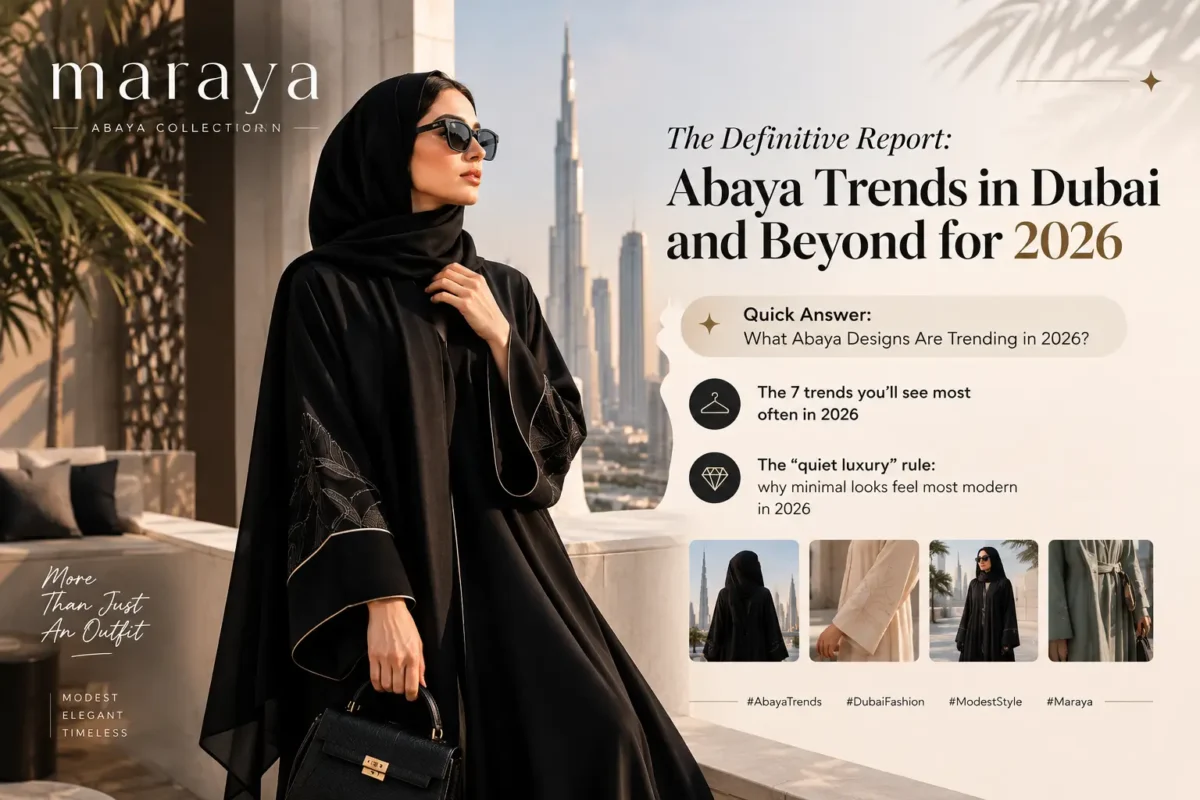
The most effective details in 2026 are often relatively small. Cuffs, collars, trims, embroidery, pearls, and panels create focal points without covering the entire garment.
Pearls and delicate accents
Pearls can add a refined finish when used selectively. Details around cuffs, necklines, front panels, or sleeves can elevate a simple silhouette without overpowering it. Black, ivory, champagne, taupe, and soft pastels work particularly well with this approach.
Tonal embroidery (cuffs, collars, panels)
Tonal embroidery keeps decorative thread close to the base colour. Black embroidery on black fabric or ivory embroidery on cream fabric adds texture while maintaining a cohesive appearance.
This is useful for women who want an embellished abaya without strong colour contrast. Explore the Embroidered Abaya Collection for further inspiration.
Subtle piping and contrast trims
Piping can define sleeves, collars, front panels, and seams. A narrow ivory trim on black or a darker brown trim on mocha fabric adds structure without making the garment appear overly decorated.
The 2026 Abaya Trend Report: 57 Curated Looks for Every Occasion
As we look toward 2026, abaya design is evolving into a sophisticated language of silhouette, texture, and purpose. Our latest collection of 57 curated ideas translates cutting-edge trends into practical, elegant combinations tailored for every moment in a woman’s life.
I. Effortless Elegance: Work & Everyday Essentials
For the modern woman on the move, the 2026 everyday collection focuses on structured comfort and professional poise. The trend leans heavily toward open-front silhouettes in breathable fabrics like linen-blends and textured crepes.
Expect to see a palette of sophisticated neutrals—think taupe, mocha, and sand—often paired with tailored trousers or monochrome inner sets for a streamlined look. For those seeking a touch of color without sacrificing professionalism, sage greens and powder blues in kimono-style cuts offer a refreshing yet modest alternative. Whether it is a black architectural abaya for a high-stakes meeting or a simple linen blend for daily errands, the emphasis remains on clean lines and minimal, high-quality accessories.
II. Spiritual Radiance: Ramadan & Eid Inspirations
The transition into festive seasons calls for a shift toward luminosity and grace. For Ramadan and Eid, the 2026 aesthetic embraces fluidity and subtle opulence.
Satin, chiffon, and jacquard take center stage, moving in rich, evocative tones such as emerald, burgundy, and royal blue. Design elements like pearl detailing, tonal embroidery, and cape-inspired silhouettes create a sense of celebration. From the ethereal charm of blush organza layers to the regal presence of a mocha jacquard abaya, these looks are designed to honor tradition while embracing contemporary luxury, often finished with matching hijabs for a seamless, polished appearance.
III. Grandeur & Glamour: Weddings & Formal Evenings
When the occasion demands ultimate sophistication, the 2026 formal collection delivers unparalleled drama. This category is defined by architectural shapes and high-contrast textures.
High-glamour evening wear features heavy satin, silk-effect fabrics, and dramatic organza layering. Statement sleeves and structured shoulders are key trends, providing a commanding silhouette for weddings and galas. Deep, jewel-toned palettes—including plum, navy, and deep emerald—are elevated by metallic accents, gold detailing, and pearl embellishments. Whether opting for a classic black satin cape with pearl accents or a champagne-toned embroidered masterpiece, these designs ensure a presence that is both commanding and profoundly elegant.
“One abaya, three occasions” mini-remix examples
A neutral open-front abaya can be adapted for different environments by changing the supporting pieces. For everyday wear, pair it with a simple inner dress and flat shoesAnd for work, use tailored trousers, a modest top, and a structured handbag. Also for evening, choose a satin inner layer with refined jewellery and formal footwear.
For timeless silhouettes that support this approach, explore the Elegant Classic Abaya Collection.
The 2026 Abaya Styling Blueprints: Mastering Versatile Outfits
In 2026, the most sophisticated way to build a wardrobe is through “outfit formulas”—repeatable styling rules that allow you to transform a single silhouette into multiple looks. Whether you prefer the fluidity of an open front or the structure of a belted waist, use these three master formulas to elevate your daily style.
1. The Art of Layering: Open-Front & Kimono Formulas
Open-front abayas are the ultimate multitaskers. To achieve a high-fashion look, pair an open-front abaya with a monochrome inner dress and a structured handbag for instant polish. For a more modern, professional edge, swap the dress for tailored trousers and a modest inner top. If you are leaning into the relaxed “Kimono” trend, layering a chiffon or kimono-style abaya over a satin dress creates a beautiful play of textures, especially when finished with minimal jewelry and neutral footwear.
2. The Minimalist Edge: Closed Abaya Formulas
Closed abayas offer a seamless, streamlined silhouette that radiates effortless grace. The secret to styling these lies in tonal harmony. For a timeless aesthetic, pair a classic black closed abaya with a tonal hijab and structured shoes. If you prefer lighter palettes, an ivory or pastel closed abaya works best when complemented by beige or neutral accessories. To add depth without clutter, choose a textured or embroidered abaya and keep your accessories monochrome and understated to let the fabric do the talking.
3. Defined Elegance: Belted Abaya Formulas
Belted styles are perfect for creating shape and structure. For a rich, earthy aesthetic, try a mocha or taupe belted abaya paired with ivory dresses or cream trousers. For those moments when you want to make a statement, an emerald belted abaya paired with minimal metallic accents provides a regal touch. Regardless of the color—be it classic black or soft beige—always anchor a belted look with a structured handbag to maintain a clean, intentional silhouette.
Accessory rules (one hero detail, one structured item, one comfort item)
Choose one hero detail, such as pearl earrings or a distinctive hijab, one structured item such as a handbag, and one comfort-focused item such as flat shoes or a breathable inner layer.
This approach works particularly well when the abaya already features statement sleeves, embroidery, texture, or an architectural cut.
What’s Not Trending Anymore (And What Replaced It in 2026)
Heavy vs light detailing
The direction has moved away from using embellishment as the main source of luxury. Tonal embroidery, pearls, cuffs, trims, textured fabrics, and carefully placed panels integrate decoration more naturally with the silhouette.
A simple black abaya with excellent construction can therefore feel more contemporary than an overly decorated design.
Over-styling vs intentional styling
The 2026 approach is more deliberate. Combining dramatic sleeves, several strong colours, heavy embroidery, statement jewellery, and multiple accessories can make an outfit unnecessarily complicated.
Instead, select one dominant feature and allow the remaining elements to support it. Dramatic sleeves call for restrained accessories, while a heavily embroidered abaya works better with a simpler inner outfit and handbag. For more modest-fashion styling ideas and editorial content, visit the Maraya Magazine.
Final Takeaway
The defining idea behind abaya trending in 2026 is versatility with intention. Open-front layering, belted construction, kimono and batwing sleeves, structured shoulders, neutral palettes, pastels, jewel tones, satin, chiffon, and refined textures all contribute to the current direction.
For Dubai and other warm-climate environments, fabric and layering are especially important. The most useful abayas combine comfort, modest coverage, adaptable styling, and a distinctive design detail, making them suitable for more than one occasion.
Frequently Asked Questions About Abaya Trends 2026
What is the biggest abaya trend in 2026?
Open-front layering, relaxed tailoring, and refined minimalism are among the most visible directions in 2026. Neutral colours, lightweight fabrics, and versatile silhouettes make these styles particularly practical.
Best for: Everyday, work, and occasion styling.
How to wear: Layer over a dress or coordinated set.
Avoid if: You prefer a fully closed one-piece construction.
Are black abayas still trending in 2026?
Yes. Black remains a major part of contemporary abaya wardrobes, while modern versions introduce texture, architectural cuts, tonal embroidery, refined sleeves, or subtle contrast details.
Best for: Work, everyday wear, and formal occasions.
How to wear: Add texture or a subtle tonal detail.
Avoid if: You specifically want a colourful statement garment.
What colours are trending for abayas in 2026?
Neutral shades such as ivory, beige, taupe, and mocha are strong wardrobe choices. Powder blue, blush, sage, and lavender suit daytime looks, while emerald, royal blue, burgundy, and plum are suitable for evening styling.
Best for: Building a versatile wardrobe.
How to wear: Keep the inner outfit within the same colour family.
Avoid if: Several strong colours compete without a dominant base.
Which abaya fabric is best for Dubai?
Lightweight fabrics such as linen blends and fluid crepe are practical for warm daytime conditions. Chiffon and organza work well for lightweight layering, while satin and silk-inspired fabrics are better suited to evening occasions.
Best for: Warm-weather wardrobes.
How to wear: Choose loose silhouettes and breathable inner layers.
Avoid if: The fabric traps heat or creates unnecessary bulk.
Are open-front abayas still fashionable in 2026?
Yes. Open-front construction remains relevant because it supports layering and allows one abaya to work across multiple occasions.
Best for: Versatile wardrobes and layered styling.
How to wear: Combine with dresses, trousers, or coordinated sets.
Avoid if: You prefer the simplicity of a closed one-piece abaya.
What makes an abaya look expensive in 2026?
Good fabric, controlled proportions, clean finishing, and restrained detailing have a stronger effect than simply adding more decoration. Tonal embroidery, refined texture, subtle piping, elegant drape, and well-designed sleeves can all contribute to a sophisticated appearance.
Best for: Minimal and polished styling.
How to wear: Keep accessories selective and coordinated.
Avoid if: Every element competes for attention.