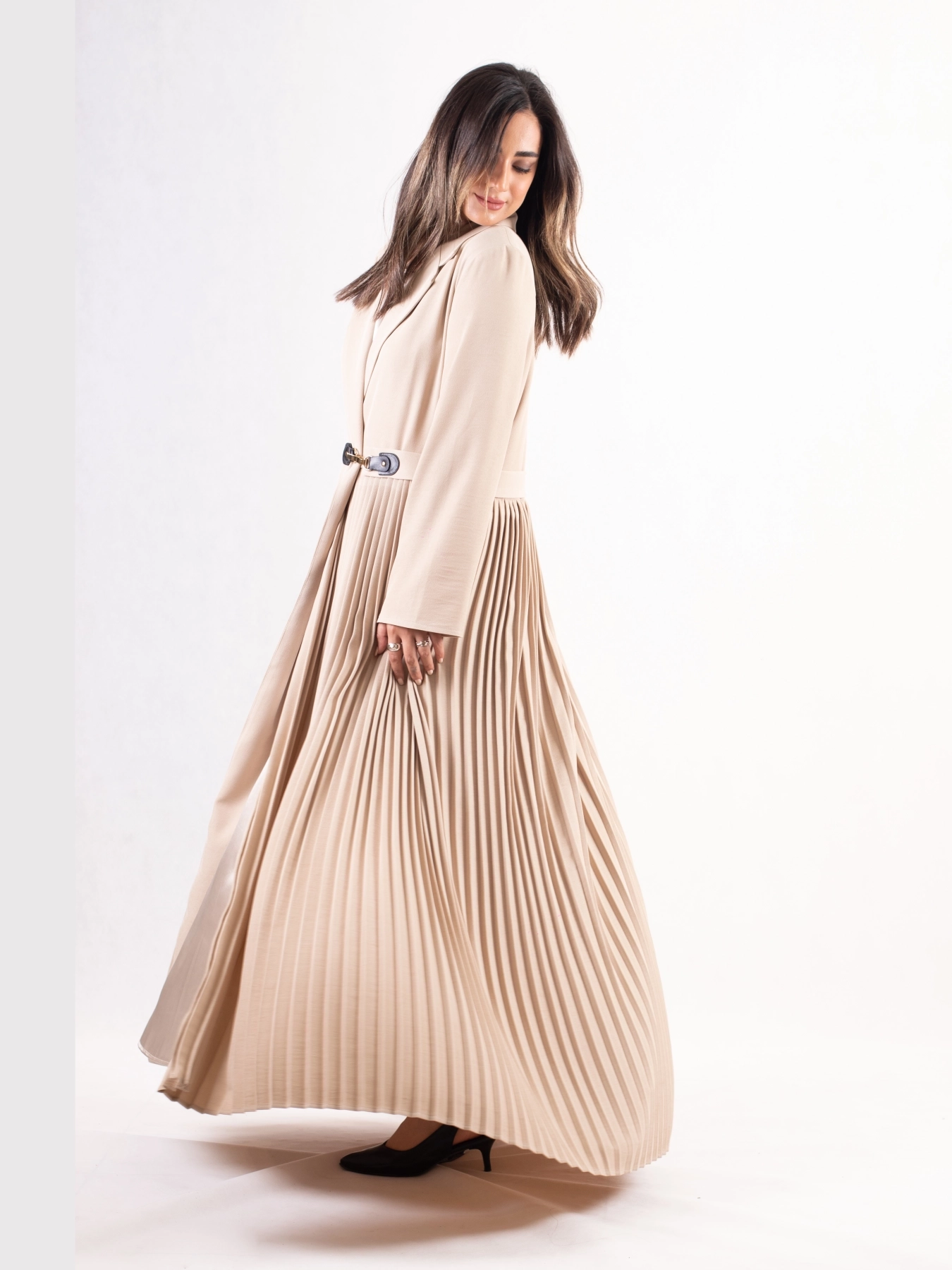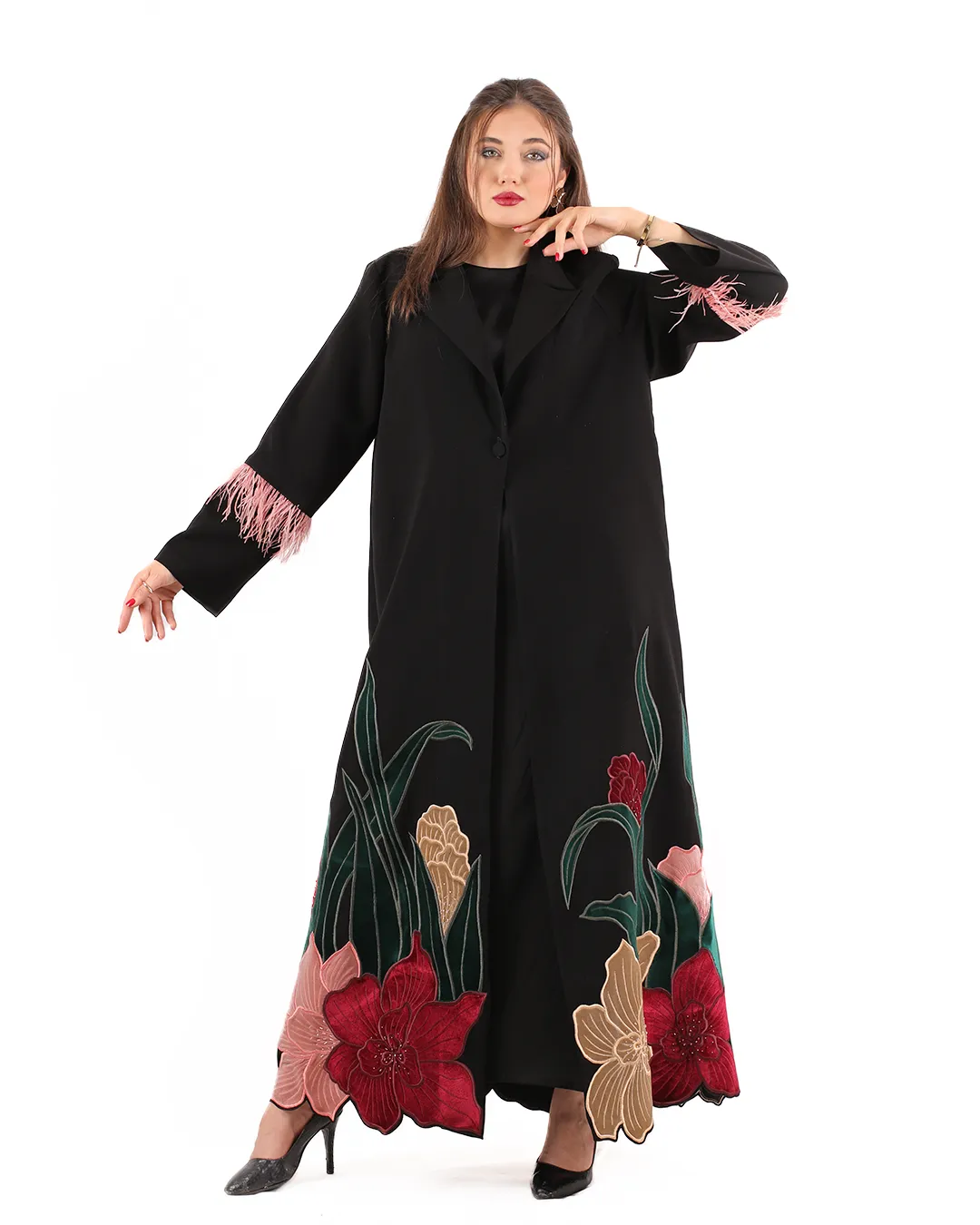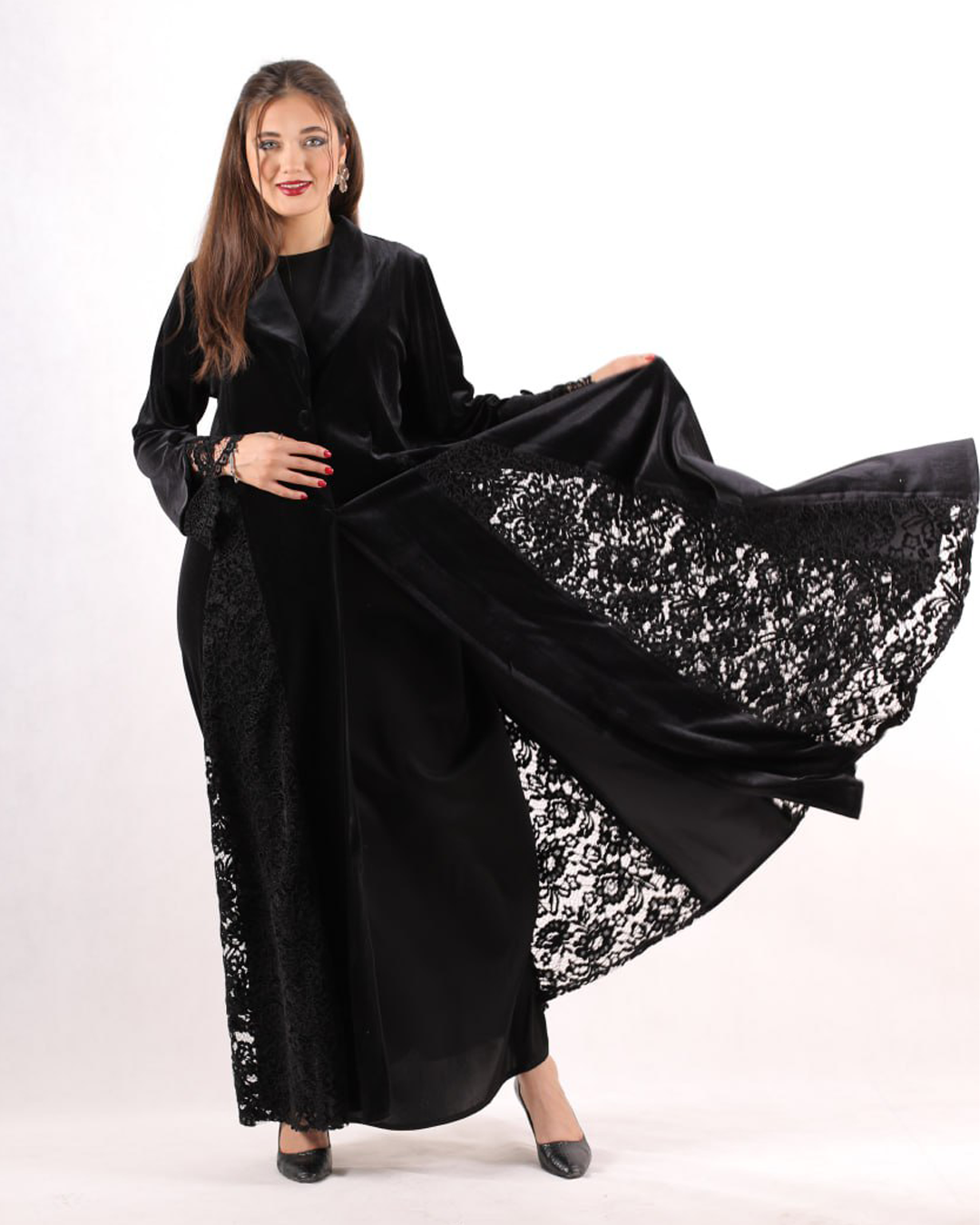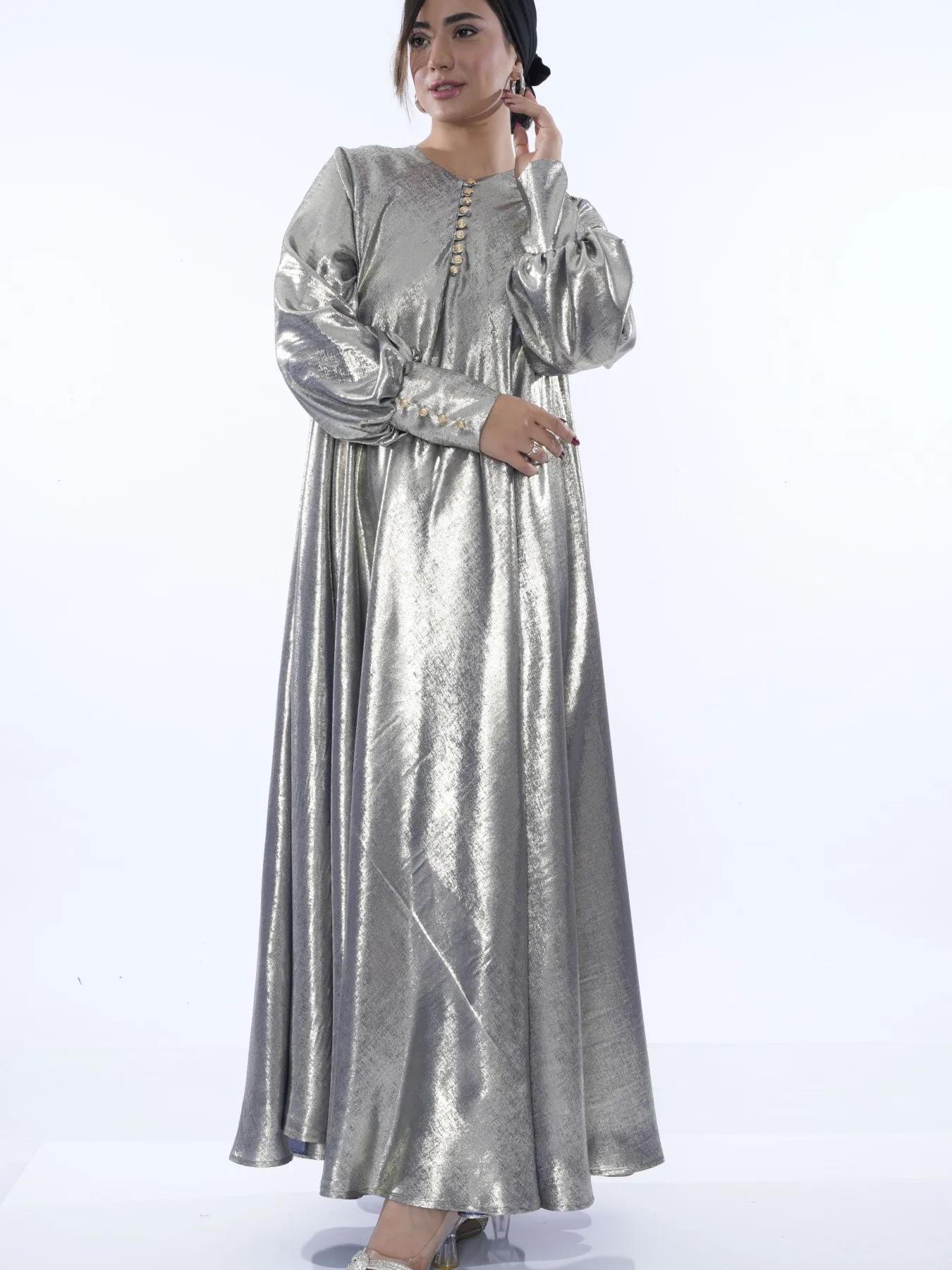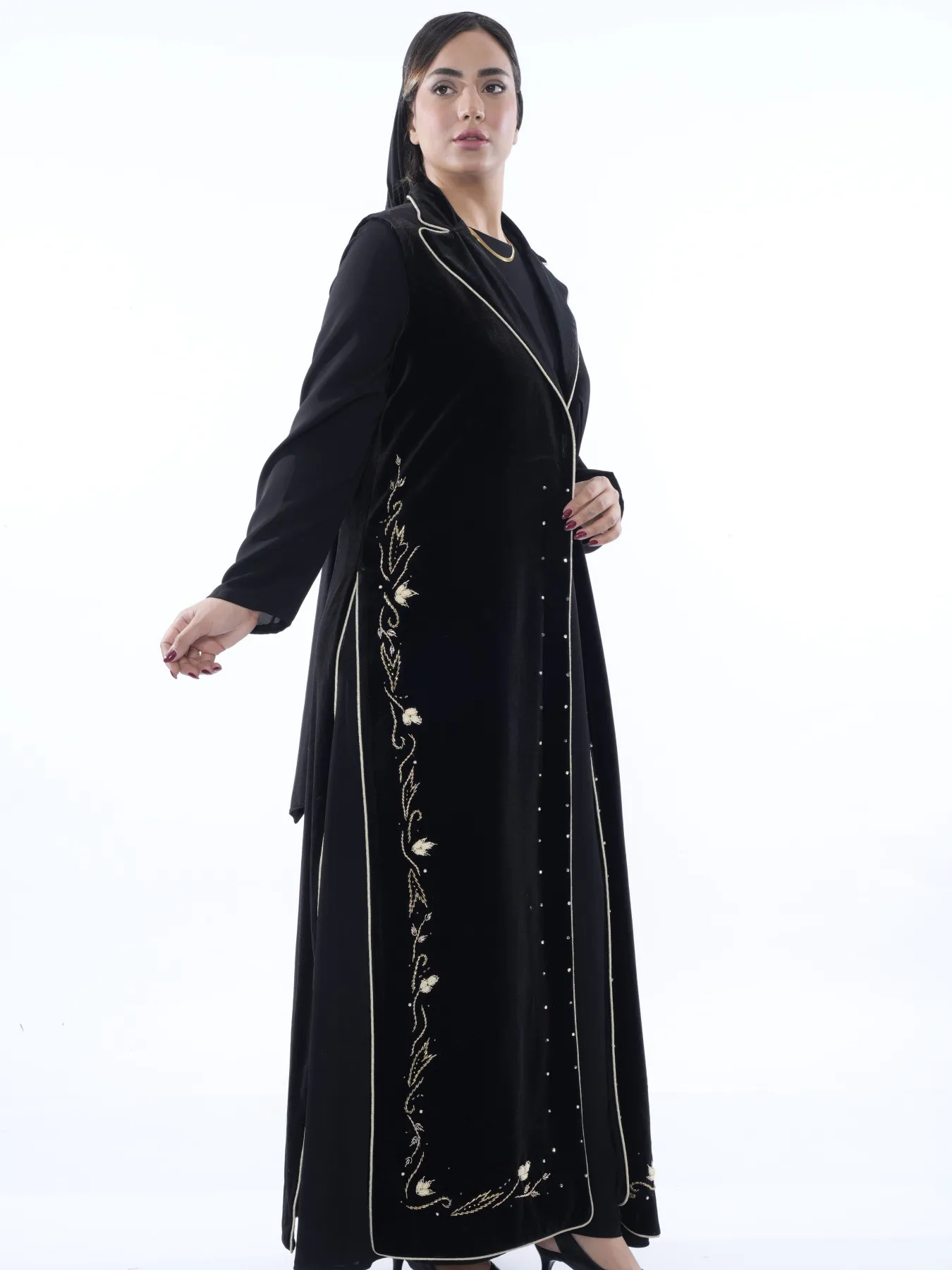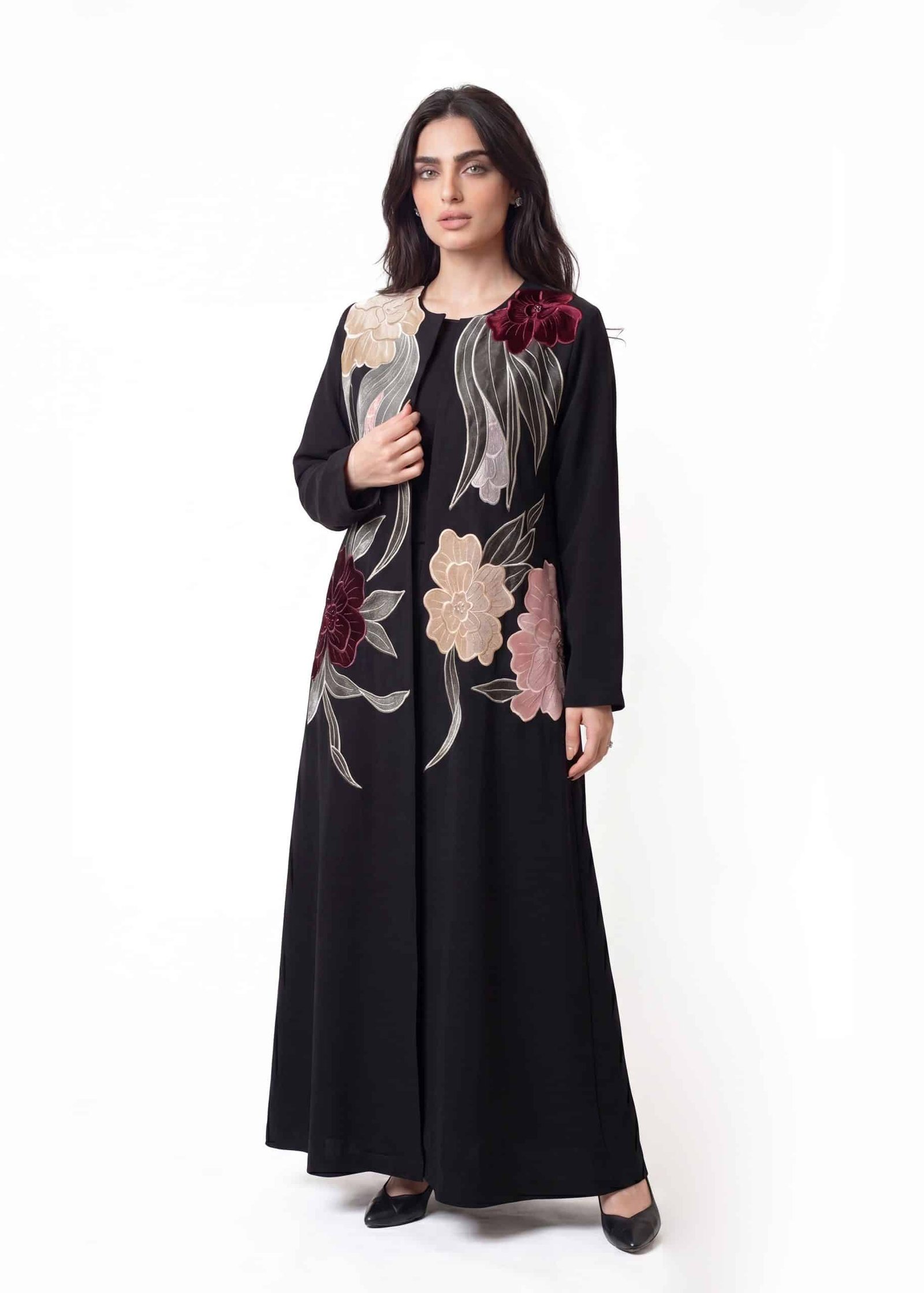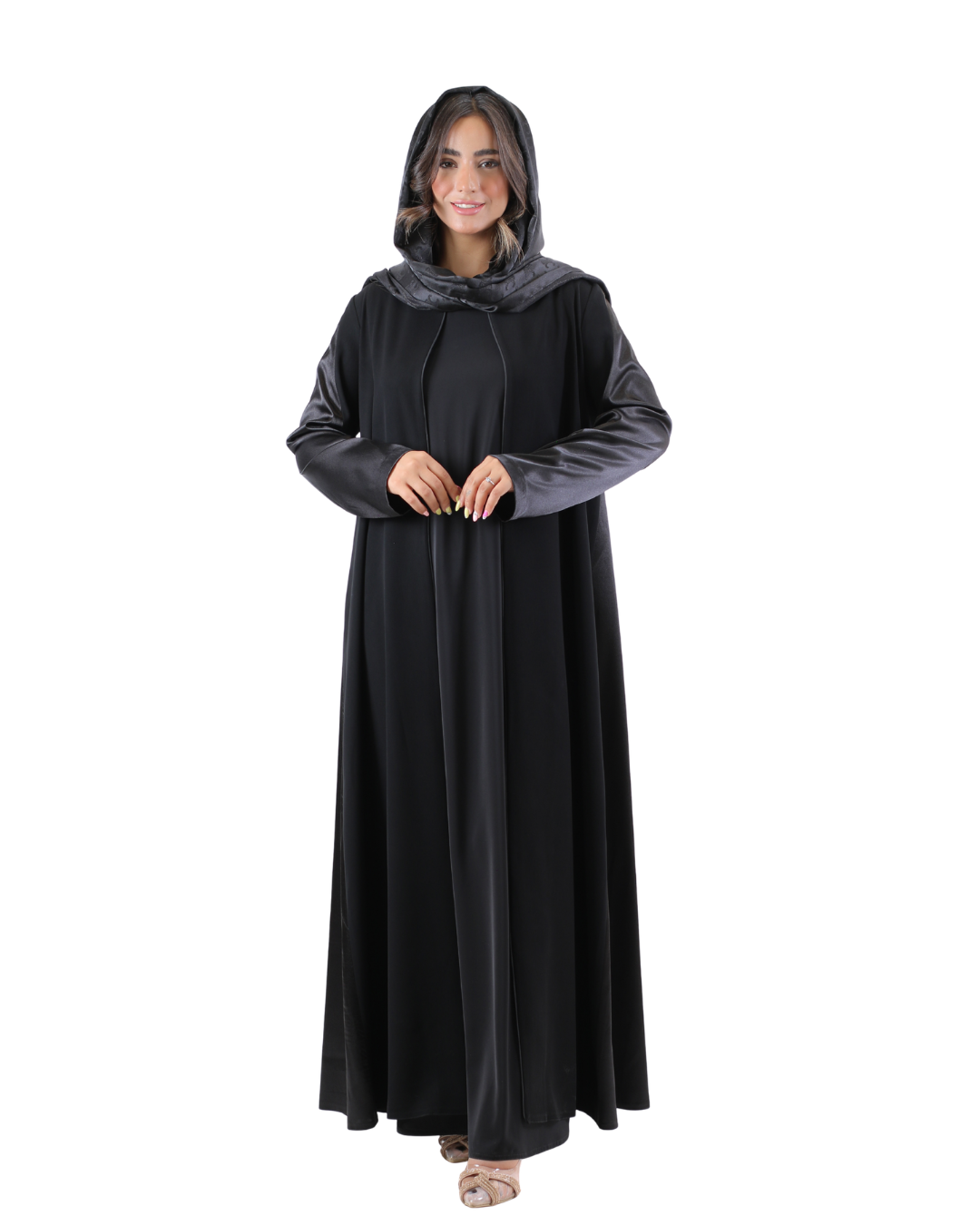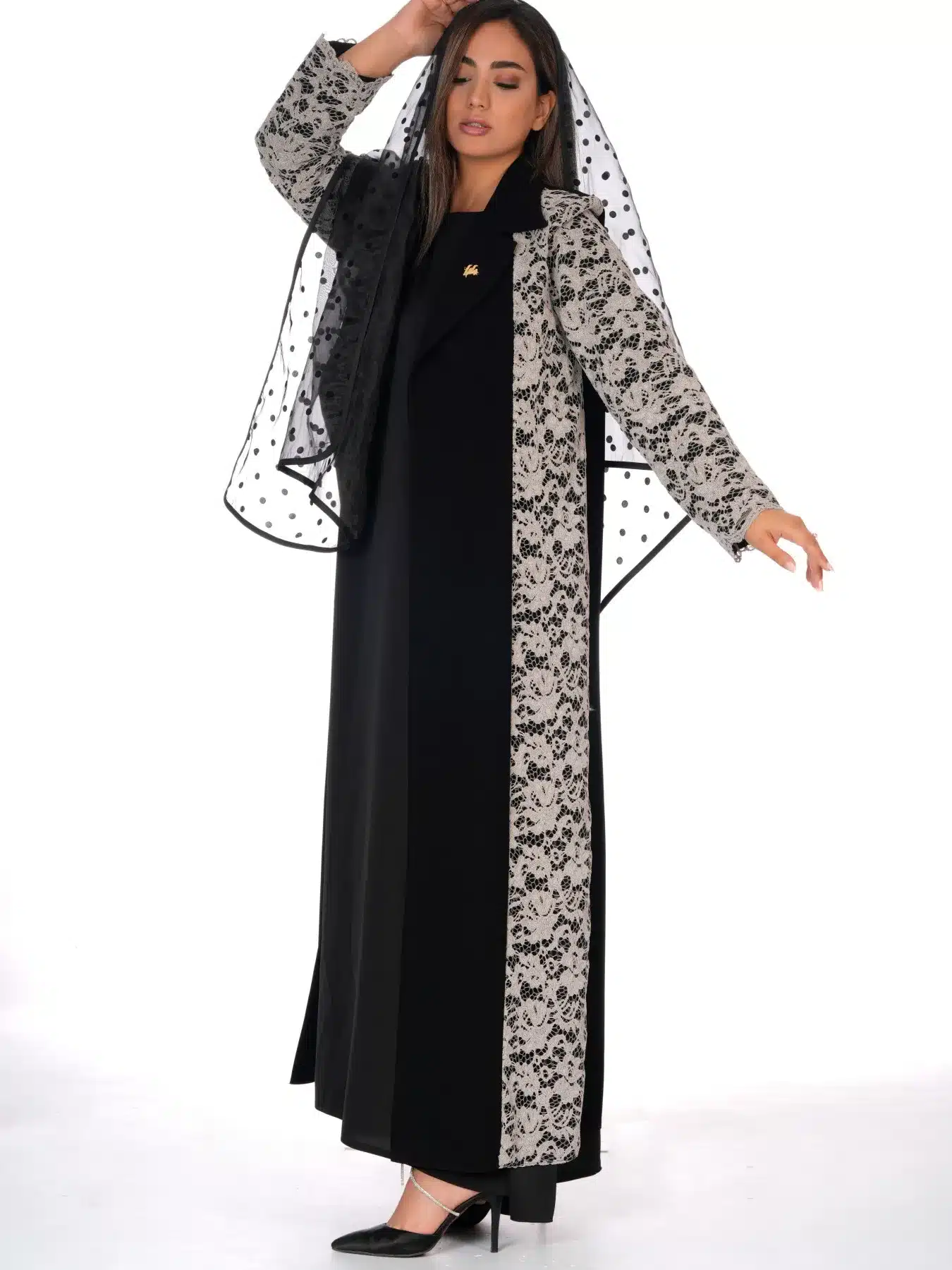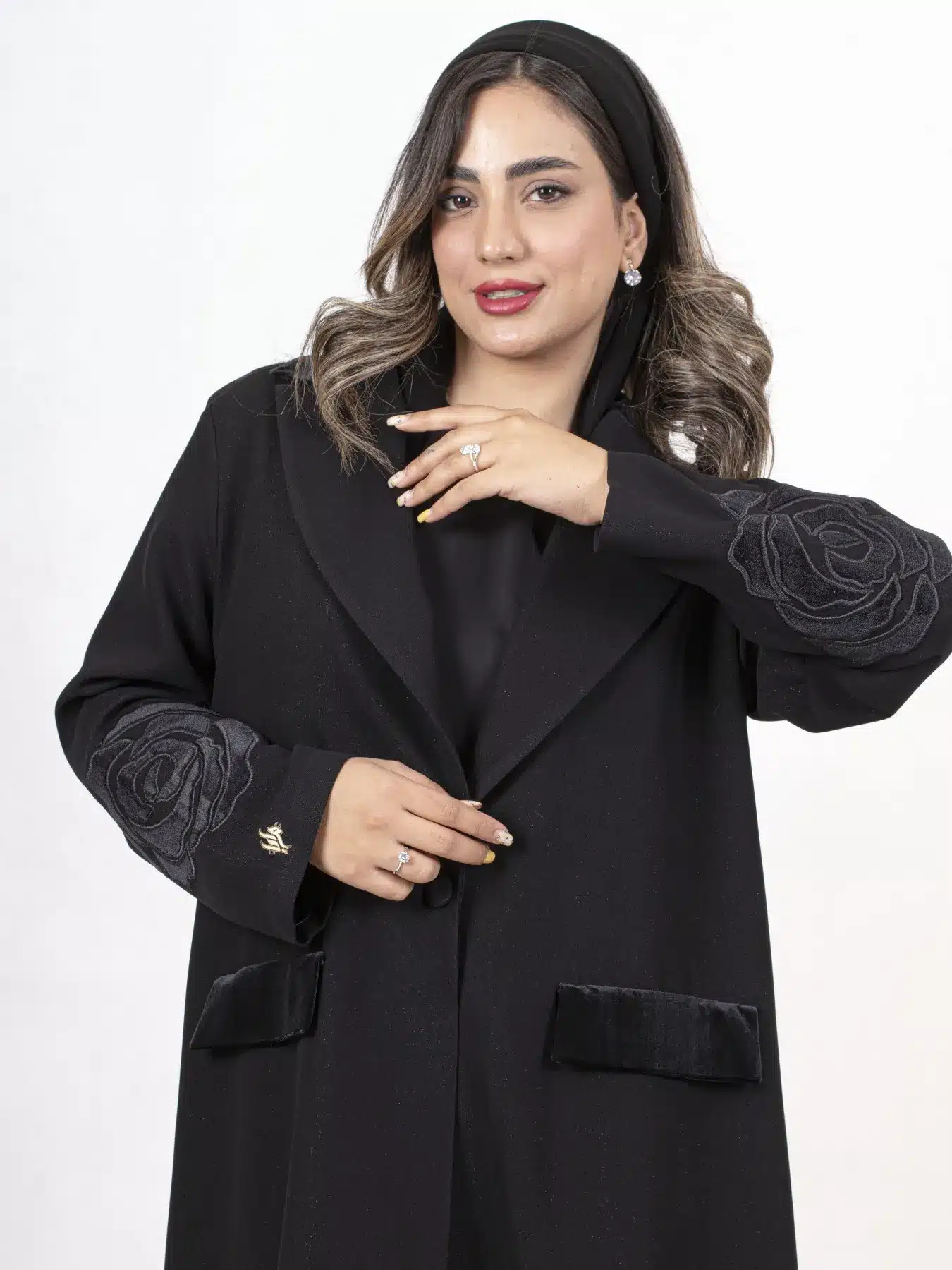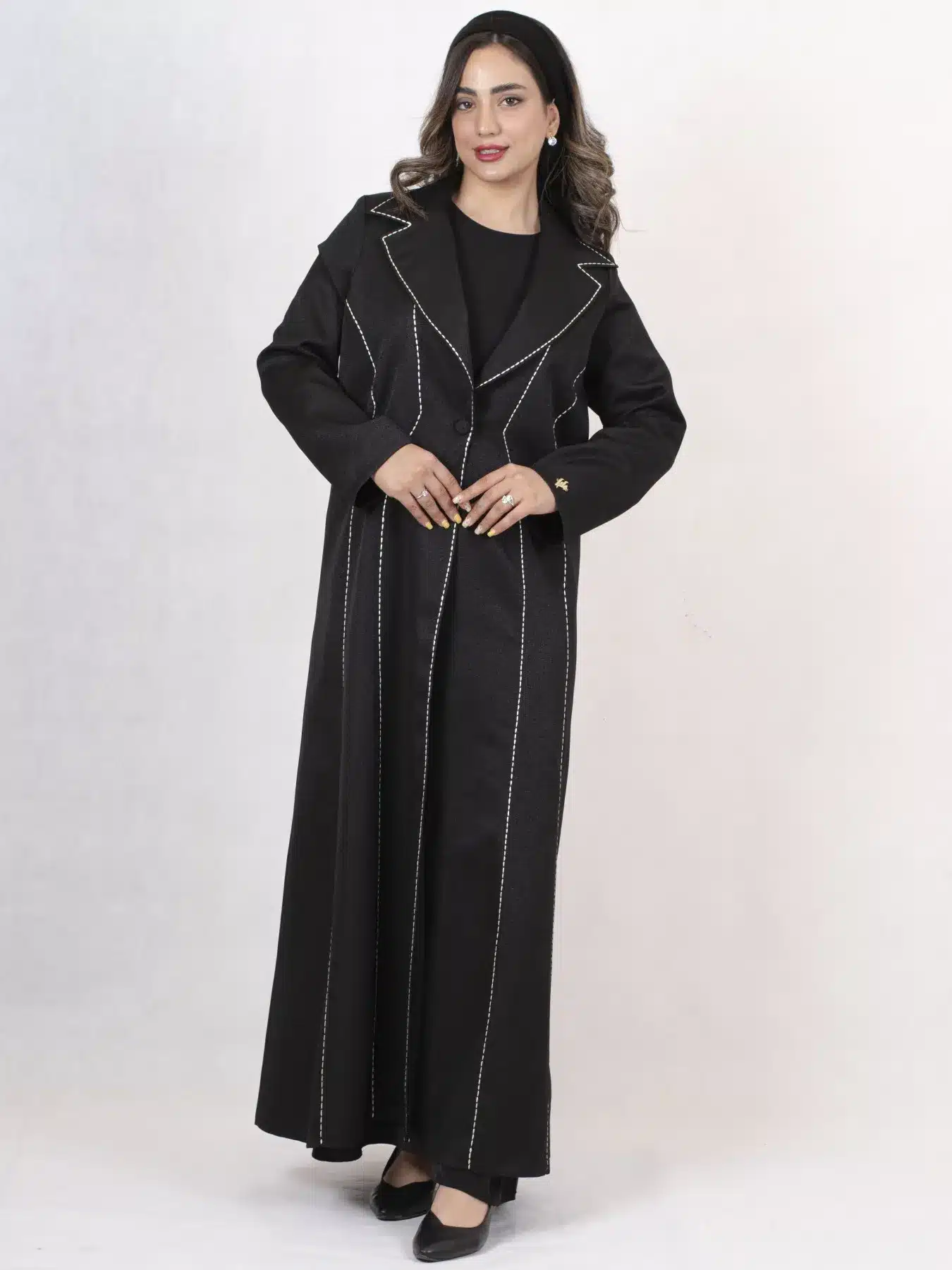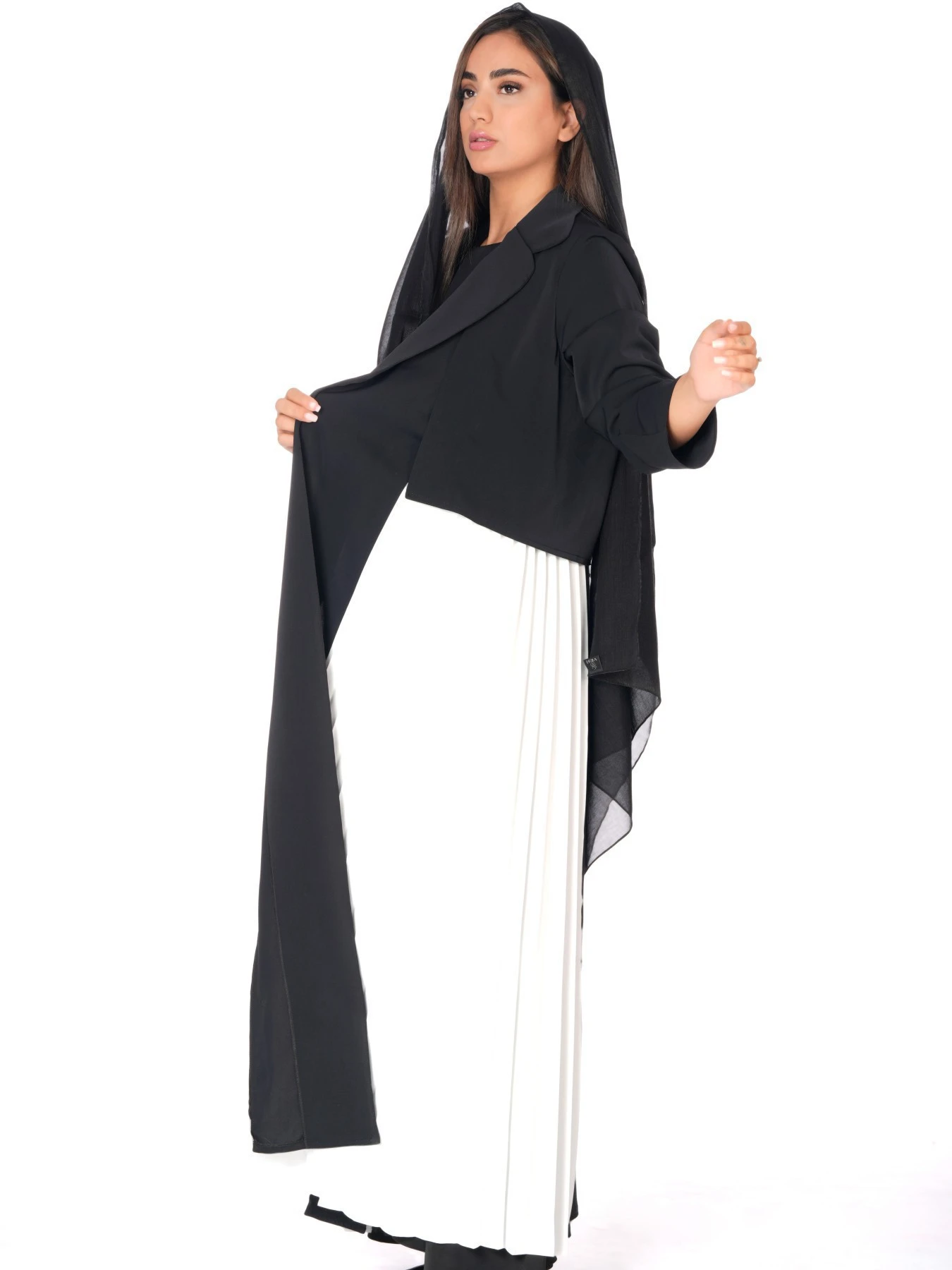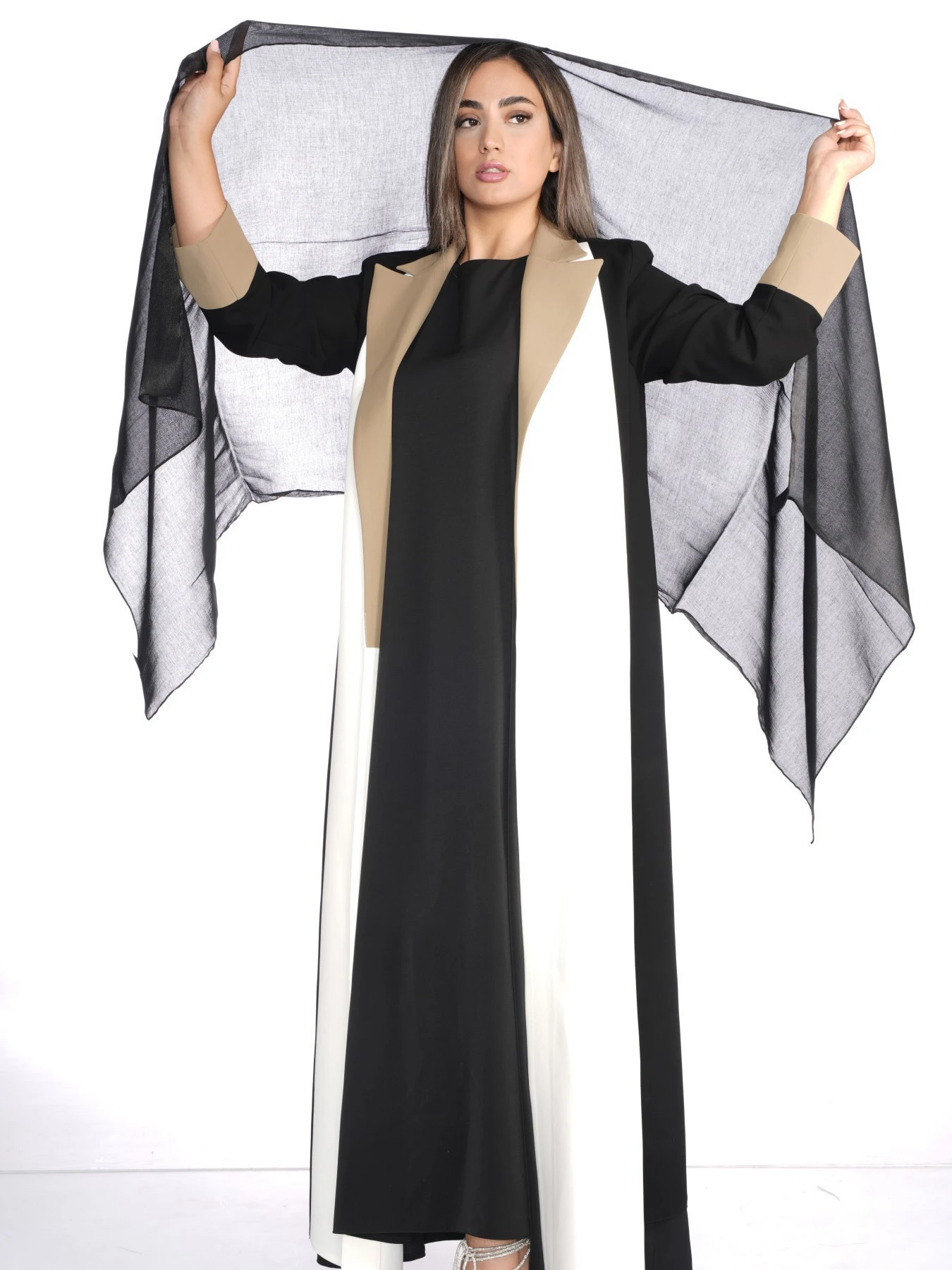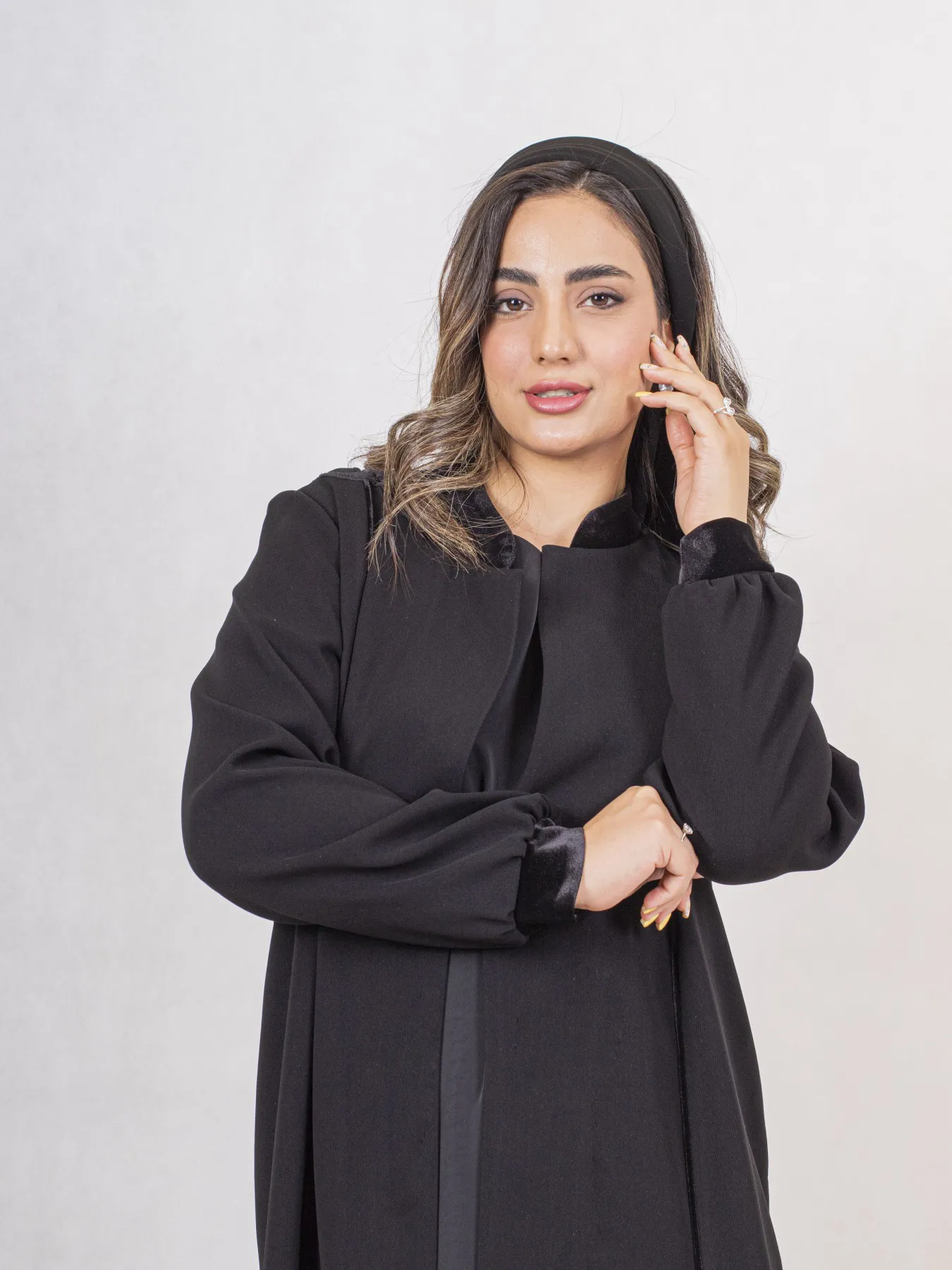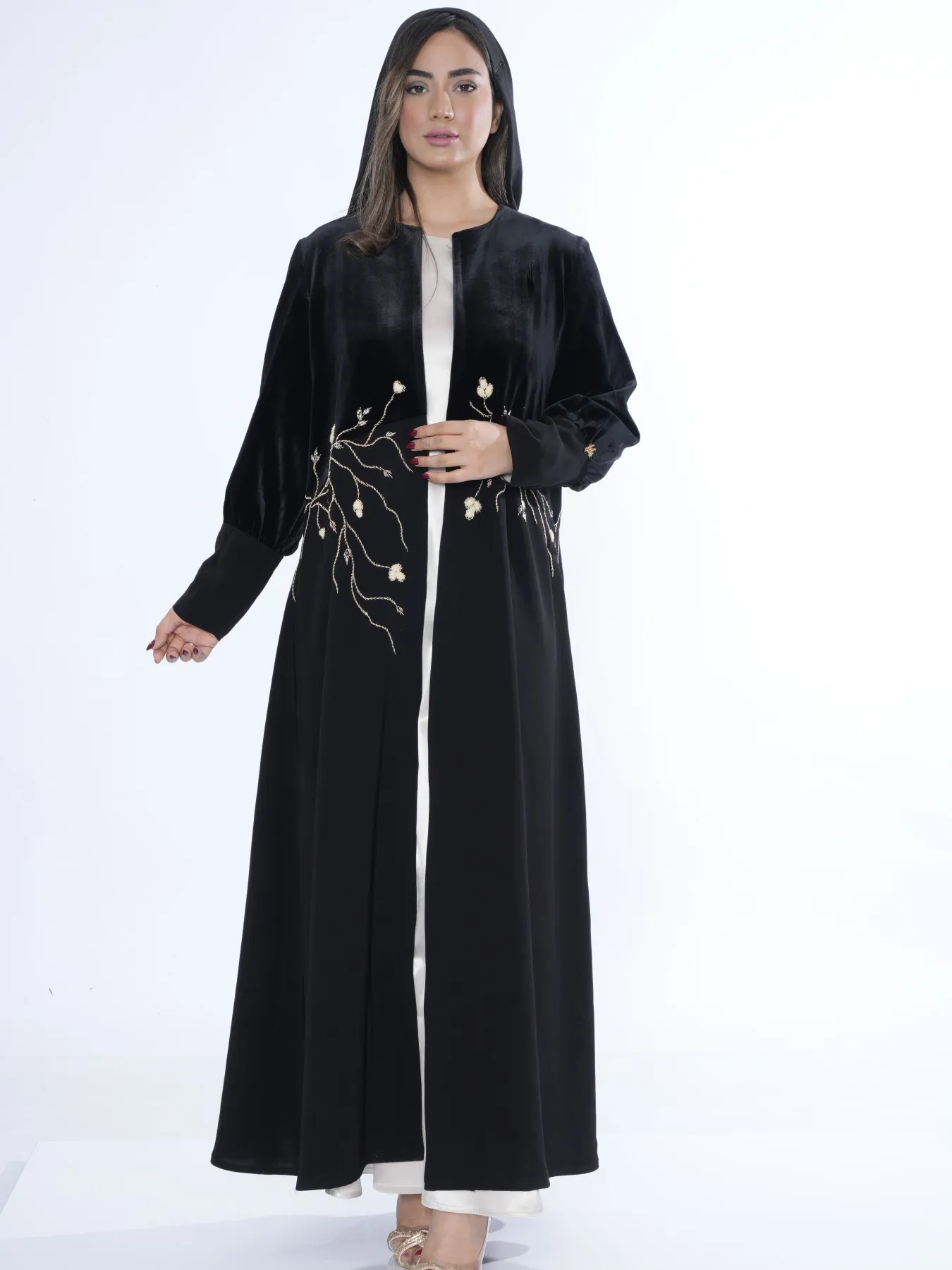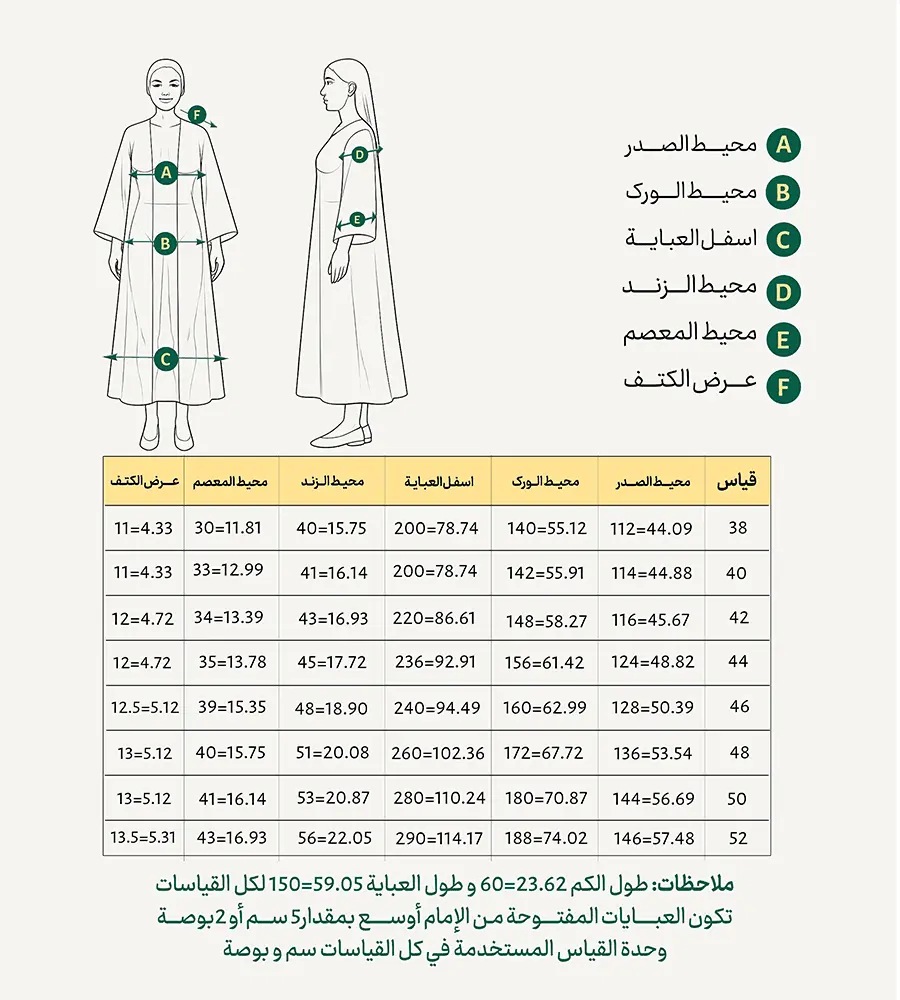
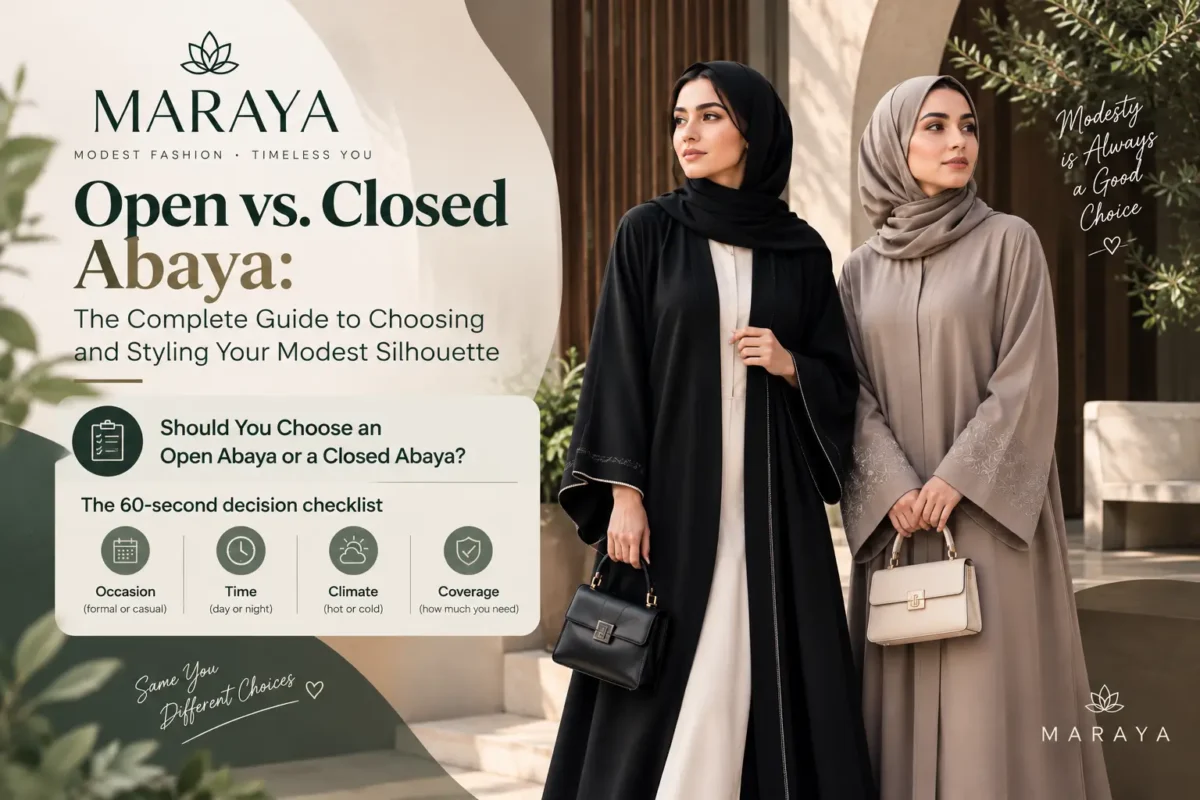
Choosing between an open abaya and a closed abaya is less about deciding which style is better and more about understanding which silhouette works for the way you actually dress. An open abaya gives you an outer layer that can be styled over dresses, trousers, skirts, or other modest separates, while a closed abaya works more like a complete one-piece outfit. There is also a third option worth considering: the hybrid abaya, which combines the visual ease of an open design with a discreet way to close the front.
The right choice can change depending on your destination, schedule, climate, level of coverage, and how much effort you want to put into getting dressed. Someone commuting to work may prioritize flexibility, while someone attending a formal event may prefer a composed silhouette that needs little additional styling.
This guide breaks down the differences between open and closed abayas, explains when each style works best, and gives practical outfit formulas you can use immediately.
Should You Choose an Open Abaya or a Closed Abaya?
If you enjoy creating outfits and changing your look through layering, an open abaya can offer more versatility. If you prefer to put on one garment and have the main silhouette already resolved, a closed abaya can make getting dressed much faster. Neither approach is universally better; the useful question is which one fits your routine.
An open abaya behaves more like a sophisticated outer layer. A closed abaya behaves more like a complete dress. Your choice should therefore reflect whether you want the abaya to frame the outfit underneath or define the entire outfit itself.
The 60-Second Decision Checklist: Occasion, Time, Climate, Coverage
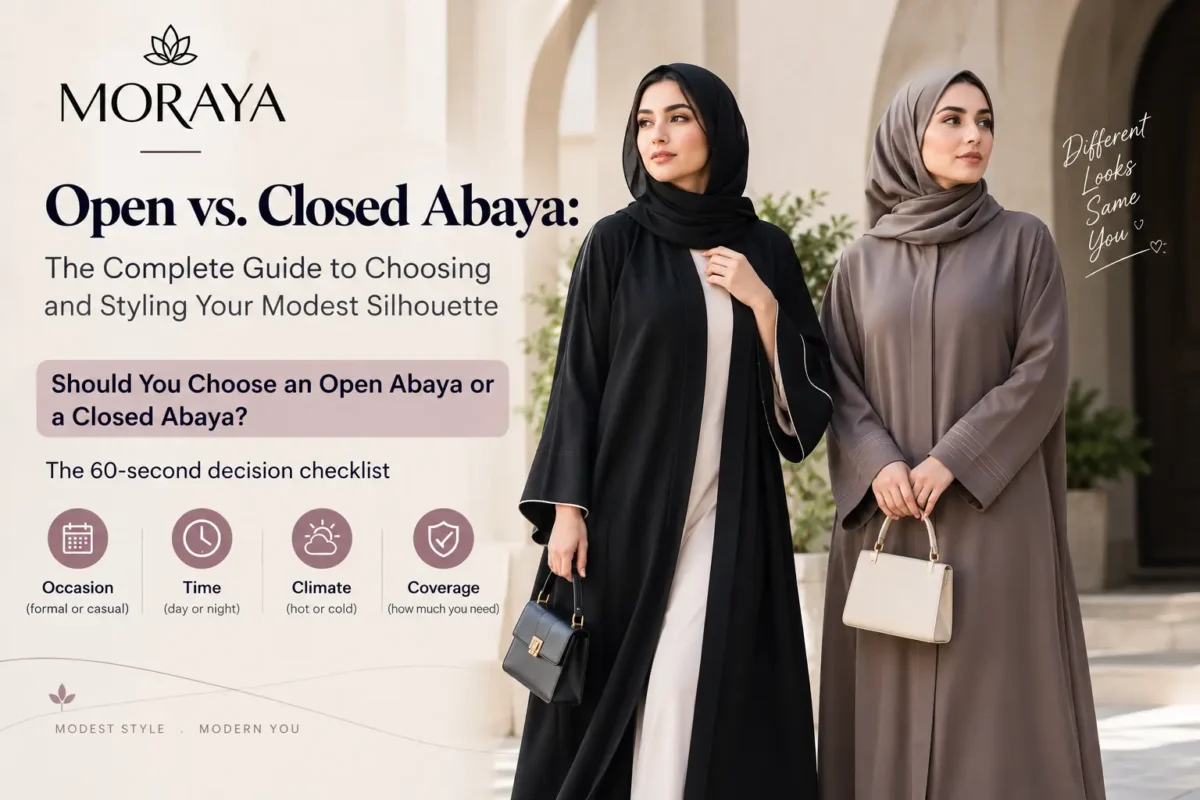
Before choosing between the two, ask four quick questions. What are you wearing it for? How long will you be wearing it? What will the weather and indoor climate be like? And how much coverage do you want from the abaya itself?
If the occasion is casual or flexible, an open design may give you more styling options. If the event is formal or you need to get dressed quickly, a closed design may simplify the process. For hot weather, an open layer can offer airflow, while a closed style can feel more contained in cooler conditions.
Quick rule: choose the style that solves the most important problem you have that day.
If You Want One Abaya That Does “Everything”: The Hybrid Option
A hybrid or semi-open abaya is worth considering if you want flexibility without completely committing to either category. These designs can look open when worn loosely but include buttons, snaps, ties, hidden closures, or overlapping panels that allow the front to be secured.
The advantage is practical rather than purely aesthetic. You can wear the piece open over an inner outfit when you want movement and layering, then close it when you need a more unified silhouette.
For someone building a small wardrobe, this can be particularly useful because one hybrid piece can perform two styling roles.
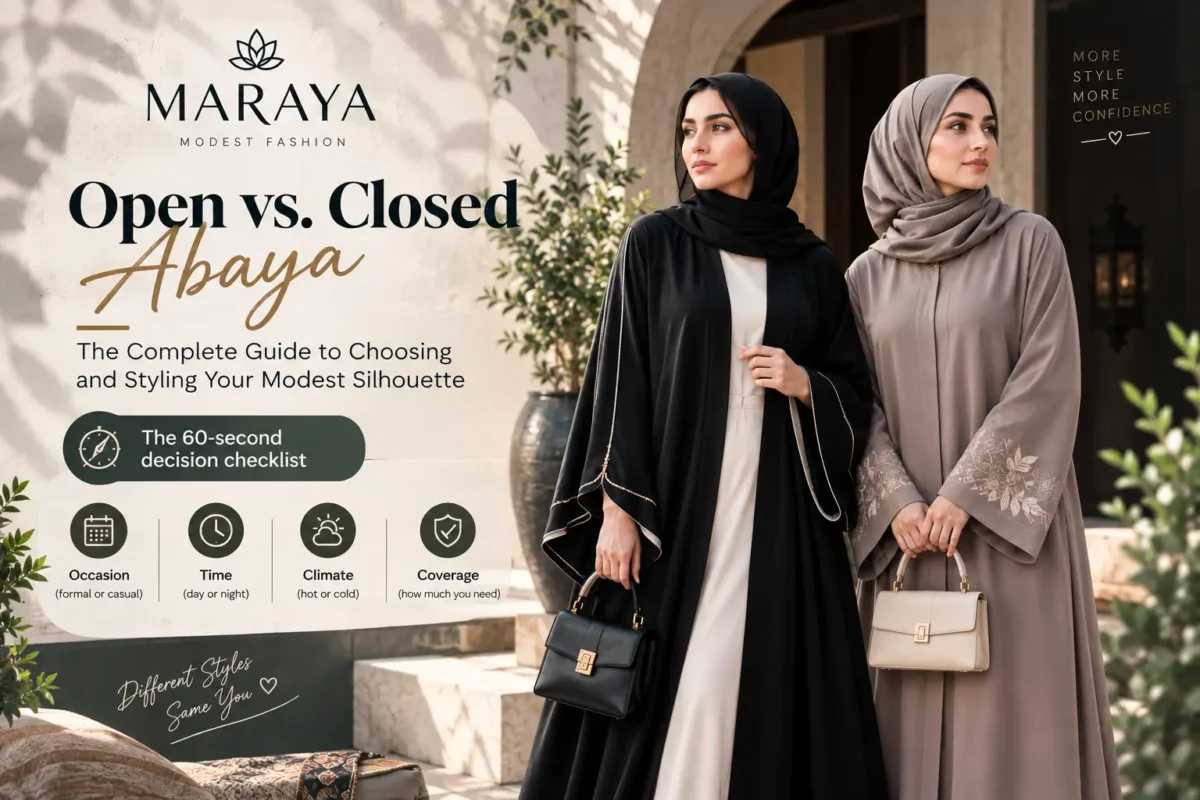
Definitions First: What Counts as an Open Abaya, Closed Abaya, and Hybrid Abaya?
The easiest way to understand the categories is to think about how the front of the garment functions. An open abaya leaves the inner outfit visible, while a closed abaya creates a more continuous outer silhouette. A hybrid sits between these two structures.
These definitions are useful because product descriptions can sometimes use different terminology. Looking at the actual front opening and closure mechanism is more reliable than relying only on labels.
Open Abaya = Outer Layer: Cardigan/Kimono Logic
An open abaya is designed to be worn over another outfit. Its front remains open or is designed to fall naturally apart, although some styles may include optional ties, belts, or discreet closures.
Think of it like a long modest outer layer. The outfit underneath becomes part of the final appearance, which is why open abayas usually offer more styling possibilities.
A simple black open abaya, for example, can look completely different when worn over cream trousers and a blouse compared with a monochromatic inner dress. If you are interested in exploring this silhouette, Maraya’s open abaya collection offers a useful reference point for this category.
Closed Abaya = One-Piece Outfit: Dress Logic
A closed abaya covers the front and creates a more continuous silhouette. Depending on its construction, it may use buttons, snaps, a zip, ties, or another closure system.
The easiest way to think about it is dress logic: you can put on the abaya and have the foundation of the outfit already established. You can still personalize it with a hijab, shoes, bag, jewelry, or outerwear, but the inner outfit does not have to carry the visual structure. This makes closed abayas particularly convenient for people who prefer a streamlined morning routine.
Hybrid/Semi-Open = Looks Open but Can Close Discreetly
A hybrid abaya combines characteristics of both categories. It may have an open-front appearance but include a concealed fastening system that allows the front to close when needed.
This can be useful for travel, changing environments, or situations where you want the freedom of an open layer without having to carry a separate outer garment. Versatility is the main advantage, especially for a compact wardrobe.
Key Differences Between Open and Closed Abayas: What Actually Changes in Real Life
The visual difference between these styles is obvious, but the practical differences become much clearer after wearing them for a full day. Open abayas usually require more thought because the inner outfit is visible. Closed abayas simplify the outfit but give you less opportunity to change the appearance through layering.
| Feature | Open Abaya | Closed Abaya |
| Styling flexibility | High | Moderate |
| Inner outfit | Becomes part of the look | Less visually important |
| Getting dressed | More decisions | Faster |
| Layering | Excellent | More limited |
| Formal appearance | Depends heavily on styling | Often naturally streamlined |
| Climate adaptability | Easy to open for airflow | More contained |
| Travel versatility | High | High, especially for simple designs |
Coverage and “Outfit Effort”: Underlayer Dependence vs One-Piece Certainty
An open abaya gives you control over the amount of visual layering, but that also means the outfit underneath matters. A poorly coordinated inner layer can make an otherwise beautiful abaya look unfinished.
A closed abaya reduces that dependency. The garment itself provides the main silhouette, so you can spend less time coordinating multiple pieces. This is one reason closed designs are often appealing to people who prefer a grab-and-go wardrobe.
Comfort and Movement Across a Full Day: Airy Adaptability vs Contained Security
Open abayas can be particularly comfortable when temperatures change throughout the day. You can allow more airflow while walking outdoors and adjust the layers underneath when moving into a cooler indoor environment.
Closed abayas can provide a more contained feeling and may work especially well when the temperature is cooler or when you want the outfit to remain visually consistent throughout the day. Fabric weight matters just as much as the front construction, so the category alone should not determine comfort.
Formality Signals: Layered Presence vs Composed Silhouette
An open abaya can look highly formal when paired with tailored separates, a structured handbag, polished shoes, and a coordinated hijab. The sophistication comes from the execution of the complete outfit rather than the open construction itself.
Closed abayas often create a composed silhouette with less styling effort. A clean neckline, controlled shape, quality-looking fabric, and restrained accessories can make the outfit feel formal without requiring multiple layers.
When to Wear an Open Abaya: Best Use Cases
An open abaya is particularly useful when versatility is a priority. Because the inner outfit remains visible, the same outer layer can produce several distinct looks without buying multiple abayas.
Daily Wear and Flexible Styling: The Layered Aesthetic
For everyday dressing, an open abaya can work over trousers, dresses, skirts, or coordinated separates. This makes it useful for errands, casual gatherings, university, work environments that allow relaxed modest wear, and everyday social occasions.
A simple neutral open abaya can become a wardrobe foundation. Pair it with a structured blouse and trousers one day, then wear it over a simple dress the next. For a more casual rotation, everyday abayas can help illustrate how an abaya can function as a regular wardrobe piece rather than an occasional garment.
Hot Climate and AC Transitions: Why Airflow Matters
Open designs can be useful in climates where outdoor heat and indoor air conditioning create very different conditions. You can maintain coverage while allowing the front to move naturally as you walk.
The inner layer becomes important here. A breathable blouse or lightweight dress underneath can prevent the combination from feeling unnecessarily heavy. The goal is layering without excess weight.
Travel: Packing and Adaptability
Open abayas can be particularly practical for travel because one outer layer can work with several outfits. Instead of packing a different outer garment for every look, you can use one neutral abaya over multiple inner combinations.
A hybrid can be even more useful when traveling because it provides both open-layer flexibility and the ability to close the front when required.
When to Wear a Closed Abaya: Best Use Cases
Closed abayas are useful when you want the abaya itself to establish the outfit. They can reduce styling decisions and create a consistent silhouette, which is particularly convenient for formal occasions and busy days.
Formal Occasions: Why Closed Often Reads More Formal
A closed abaya can create a clean, uninterrupted line that often feels naturally suited to formal dressing. This is especially effective when the fabric has a refined drape and the design avoids unnecessary volume.
For an event, you can allow the abaya to lead and keep the rest of the outfit controlled. A refined hijab, elegant shoes, and one structured bag may be enough to complete the look.
If you want a more decorative direction, an embroidered abaya can become the focal point while the accessories remain understated.
Office Environments and “Authority” Dressing: Structure and Polish
A closed abaya can work well in professional environments because it creates a resolved silhouette. Structured shoulders, clean lines, minimal decoration, and practical length can make the outfit feel particularly polished.
For meetings or client-facing settings, a closed abaya in a dark neutral paired with closed-toe shoes and a structured bag creates a straightforward professional formula.
Prayer and Conservative Settings: Coverage-First Choice
For prayer or conservative environments, the priority should be the coverage requirements of the specific setting rather than assuming that every closed abaya is automatically suitable. A closed construction can make maintaining coverage simpler, but the actual garment dimensions, opacity, neckline, sleeves, and fit still matter.
If you plan to use an abaya for prayer, check the requirements of your own religious practice or the specific place you are visiting. Coverage should be evaluated as a complete garment, not simply by whether the label says “closed.”
How to Choose an Open Abaya vs a Closed Abaya: Stylist Decision Framework
The most reliable way to choose is to start with your behavior rather than your preferred aesthetic. Ask how you normally get dressed, how many combinations you want, and whether you want the abaya to be the main visual element.
Choose Based on How You Get Dressed: Builder vs Grab-and-Go
If you enjoy building outfits piece by piece, an open abaya gives you more creative control. You can change the inner outfit, shoes, hijab, and accessories while keeping the same outer layer.
If you prefer to get dressed quickly, a closed abaya can make the process easier. Put it on, add your hijab and shoes, choose a bag, and you are generally ready.
Builder = open. Grab-and-go = closed. This is not a rule about fashion quality; it is simply a useful way to match the garment to your routine.
Choose Based on What You Want People to Notice: Inner Outfit vs Abaya Itself
With an open abaya, the inner outfit can become an important part of the visual story. This works well if you enjoy coordinated trousers, dresses, skirts, or statement blouses.
With a closed abaya, the outer garment usually carries more of the visual identity. That makes silhouette, fabric, neckline, sleeve design, and detailing more important.
“If/Then” Decision Rules
Use these five rules when you are undecided:
- If you want maximum layering options, then choose an open abaya.
- If you want the fastest complete outfit, then choose a closed abaya.
- If you frequently move between hot outdoor spaces and cold indoor spaces, then consider an open or hybrid design.
- If the occasion is formal and you want a composed silhouette with minimal styling, then consider a closed abaya.
- If you can buy only one versatile outer layer, then a neutral open or hybrid design may provide more combinations.
How to Style an Open Abaya: Outfit Formulas That Don’t Fail
The key to styling an open abaya is treating the visible inner layer as an intentional part of the outfit. The easiest way to avoid a cluttered look is to establish one dominant color family and one clear silhouette.
Underlayer Formulas: Dress, Trousers, Jeans, Skirt
Formula 1 — Open abaya + inner dress: Choose a simple midi or maxi dress underneath and let the abaya create the outer frame. This is one of the easiest combinations because the dress already provides a continuous base.
Formula 2 — Open abaya + wide-leg trousers + blouse: Use a structured blouse to balance the volume of wide-leg trousers and a flowing abaya. This works particularly well for modern professional styling.
Formula 3 — Open abaya + straight trousers + fitted modest top: A more controlled inner silhouette works when the abaya itself is voluminous.
Formula 4 — Open abaya + modest skirt + blouse: Keep the skirt and blouse in related tones so that the visible layers do not compete with one another.
Formula 5 — Open abaya + jeans + clean top: In relaxed environments, jeans can make an open abaya feel contemporary and effortless. Choose a clean, straight or wide-leg jean rather than overly distressed styles when you want a polished finish.
Belt and Closure Strategies: Shape and Modesty Control
A belt can change the entire character of an open abaya. Worn loosely, it maintains the flowing outer-layer effect. Tied at the waist, it creates a more defined silhouette.
A belt is also useful when you want temporary front control without permanently closing the abaya. Keep the belt proportional to the garment; a very wide belt can overpower a delicate abaya, while a narrow belt may disappear on a heavily structured piece.
Open-Abaya Mistakes and Fixes: Gaping, Clutter, Unbalanced Volume
Problem: The front keeps moving apart.
Fix it with a discreet closure, inner layer, or soft belt.
Problem: Too many visible layers.
Fix it by simplifying the inner outfit to one dominant color family.
Problem: Everything is oversized.
Fix it by adding structure somewhere: a straighter trouser, defined shoulder, structured bag, or cleaner shoe.
How to Style a Closed Abaya: Elevated, Not “Plain”
A closed abaya does not need excessive decoration to look sophisticated. In fact, its strength often lies in the fact that the silhouette is already resolved.
Let the Abaya Lead: Accessories and Shoes That Matter
When the abaya is the main piece, choose accessories that reinforce rather than compete with it. A structured bag, polished loafers, low heels, or elegant flats can add definition without overwhelming the garment.
The same principle applies to the hijab. If the abaya has an interesting neckline or sleeve, a clean hijab wrap can allow those details to remain visible.
Embellished Closed Abayas: When to Reduce Accessories
If the abaya already includes embroidery, beads, crystals, contrast trims, or another decorative element, additional statement accessories may create unnecessary visual competition.
Let the abaya be the focal point. Choose simple shoes, a refined bag, and restrained jewelry so the outfit feels intentional rather than overloaded.
Closed-Abaya Mistakes and Fixes: Wrong Shoe Tone, Wrong Weight for Season
A common issue is choosing shoes that feel disconnected from the visual weight of the abaya. A substantial dark abaya can look more balanced with structured footwear, while a light summer abaya may work better with a visually lighter shoe.
Season matters too. A heavy fabric in a hot climate can feel uncomfortable even if the silhouette is beautiful. Similarly, an extremely lightweight abaya may not provide enough warmth during colder months.
Build a Smart Wardrobe: What to Own If You Can Only Buy 3 Abayas
A three-abaya wardrobe can be surprisingly versatile if each piece has a distinct job. Rather than buying three similar styles, create a small system where each abaya solves a different dressing need.
One Closed Neutral
Start with one closed abaya in a versatile neutral such as black, navy, charcoal, taupe, or another color that works with your existing wardrobe.
This is your grab-and-go piece for work, formal days, travel, or occasions when you do not want to build an outfit underneath.
One Open Layer Piece
Your second piece should be an open abaya that can work with several inner outfits. A neutral open layer can transform trousers, dresses, skirts, and other separates.
This is the piece that creates wardrobe variety. It is also the best option for people who enjoy changing their styling without buying another outer garment.
One Event or Hybrid Piece
The third piece can serve one of two purposes. Choose a more distinctive event abaya if you regularly attend formal occasions, or choose a hybrid if flexibility is more important to you.
A classic silhouette can also be a strong long-term choice because it is easier to restyle as trends change. Maraya’s classic abaya collection can provide inspiration for building this part of a wardrobe.
Frequently Asked Questions: Open vs Closed Abaya
Is an open abaya more versatile than a closed abaya?
Often, yes, because an open abaya can be layered over several different outfits. However, a closed abaya can be more versatile for someone who values speed and wants one garment to establish the complete silhouette.
- Choose open for styling variety.
- Choose closed for simple outfit building.
Example: One black open abaya can be worn over trousers, a dress, or a skirt.
Is a closed abaya more formal than an open abaya?
Not necessarily. A closed abaya often creates a naturally composed silhouette, but an open abaya can look equally formal when styled with tailored separates, refined footwear, and a structured bag.
- Consider the complete outfit rather than the front construction.
- Match the level of detail to the occasion.
Example: An open black abaya over tailored trousers can be highly polished for a professional event.
What should I wear under an open abaya?
You can wear a dress, trousers and blouse, skirt and top, or jeans and a modest top depending on the occasion.
- Keep the inner outfit intentional because it remains visible.
- Use coordinated colors to avoid visual clutter.
Example: A neutral open abaya over cream wide-leg trousers and a structured blouse.
Is a hybrid abaya worth buying?
A hybrid abaya can be particularly useful if you want the flexibility of an open style and the option to create a closed silhouette.
- Look for a practical, discreet closure.
- Consider it for travel and capsule wardrobes.
Example: Wear it open during the day and close it for a formal setting.
Can an open abaya be worn for formal occasions?
Yes. Formality depends heavily on fabric, silhouette, styling, and accessories rather than simply whether the abaya is open.
- Use refined inner layers.
- Choose polished shoes and a structured bag.
Example: An open abaya over a monochromatic inner dress with low heels and minimal jewelry.
Which abaya is easier for everyday dressing?
A closed abaya is typically faster because the main outfit is already established. An open abaya may take more thought but gives you greater styling variety.
- Choose closed when convenience is your priority.
- Choose open when outfit variety matters more.
Which abaya is better for hot weather?
An open abaya can offer more airflow and layering flexibility, but fabric weight and breathability matter just as much as the construction.
- Choose breathable fabrics.
- Avoid unnecessary layers in hot conditions.
Example: A lightweight open abaya over a simple breathable inner dress.
Open vs Closed Abaya: The Final Choice
The best way to think about Open vs Closed Abaya is not as a competition between two styles. They solve different wardrobe problems.
Choose an open abaya when you want layering freedom, outfit variety, climate adaptability, and creative styling. Choose a closed abaya when you want a resolved silhouette, faster dressing, straightforward coverage, and a clean formal appearance. Choose a hybrid when you want to move between those two modes without owning separate garments.
If you are buying your first abaya, start with your actual lifestyle. Think about where you go, how you commute, how much time you spend getting dressed, what fabrics suit your climate, and whether you prefer building outfits or simplifying them.
For more modest-fashion inspiration, styling guidance, and wardrobe ideas, explore the Maraya magazine. The strongest abaya wardrobe is not necessarily the largest one; it is the one where every piece has a clear purpose and can be worn with confidence in real life.
Author perspective: This guide is written from a modest-fashion styling and wardrobe-planning perspective, focusing on practical abaya silhouettes, layering, fabric behavior, occasion dressing, and everyday wear. Product references are provided for navigation and inspiration; they should not be interpreted as claims that one specific product is universally superior to another.