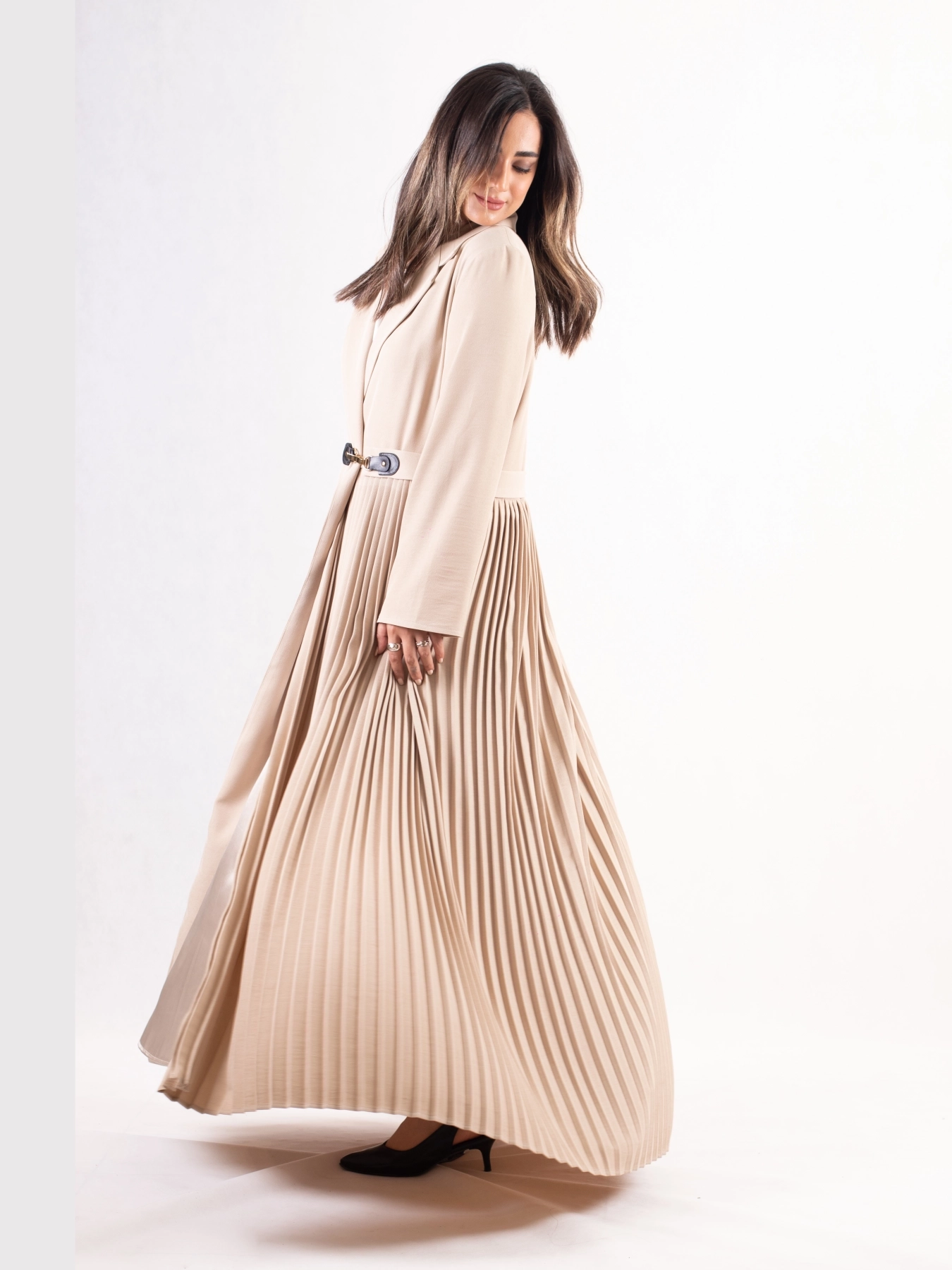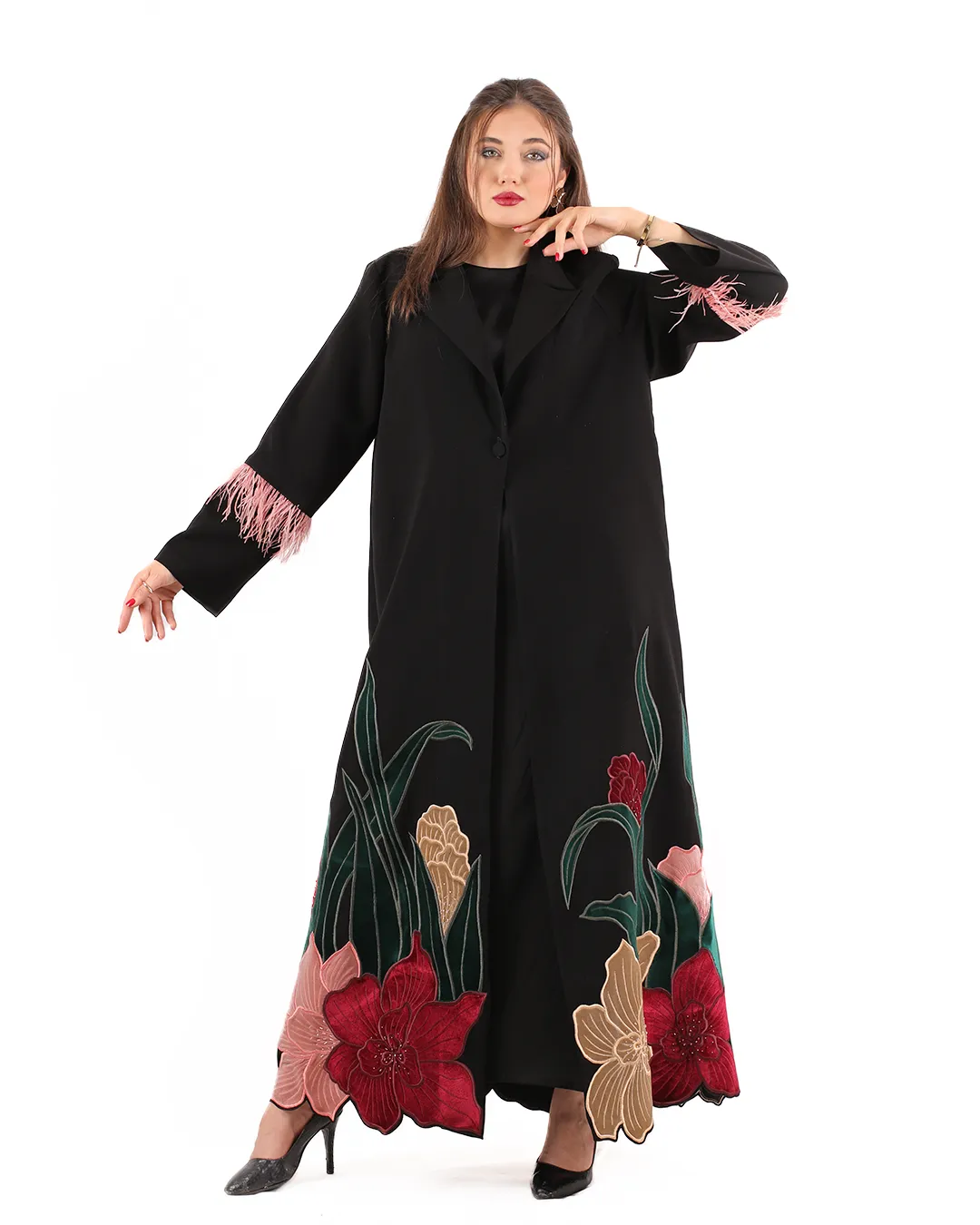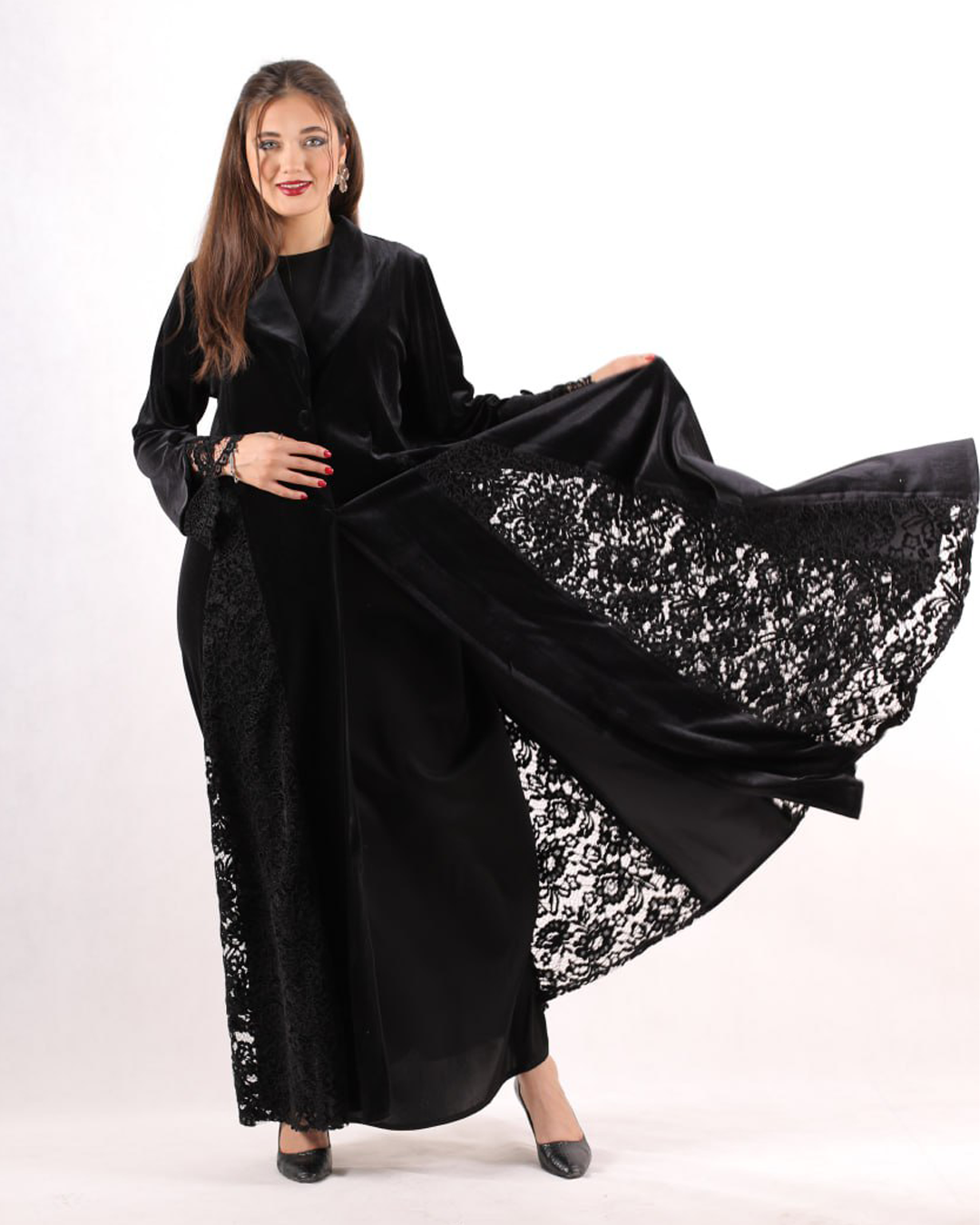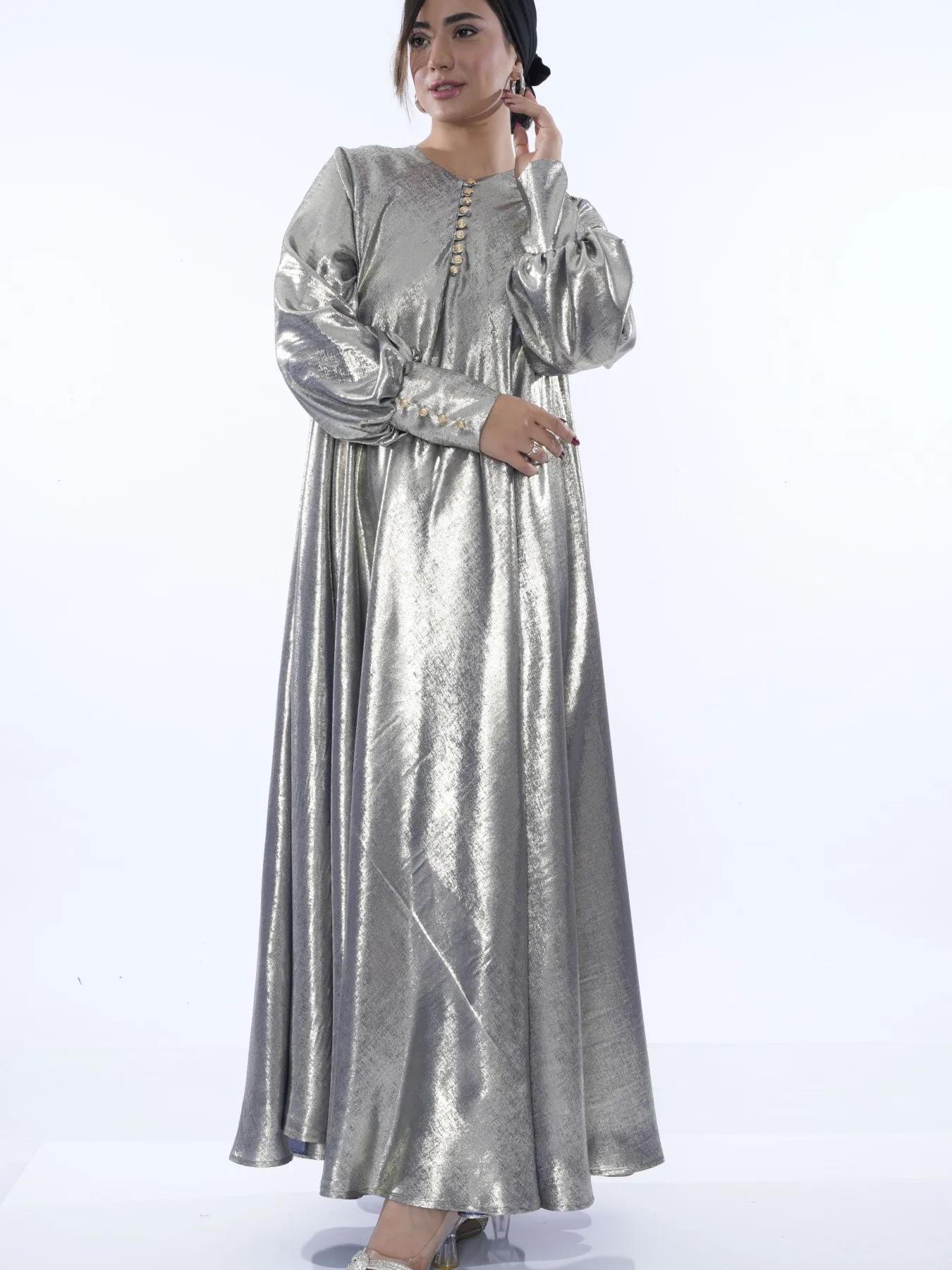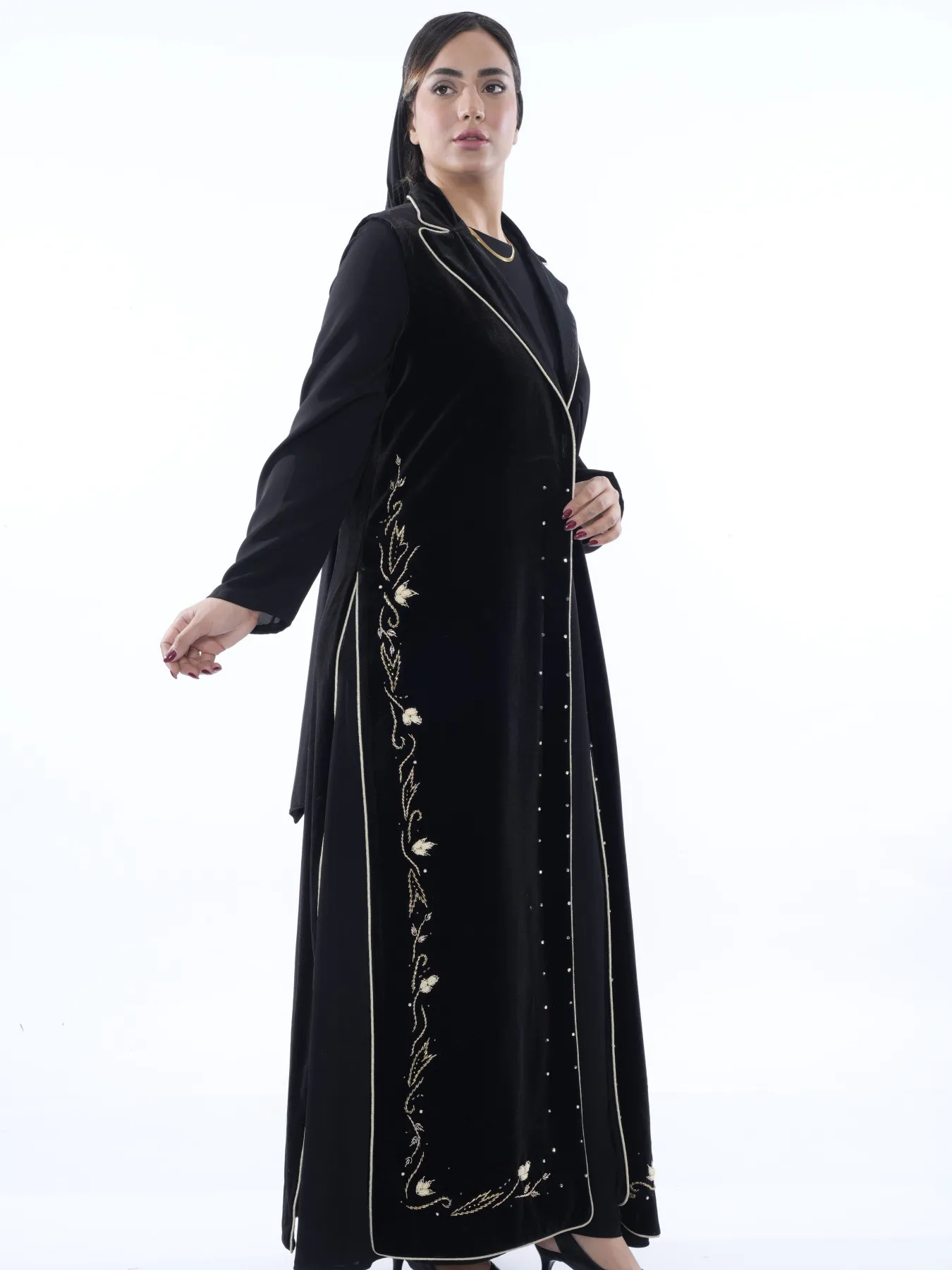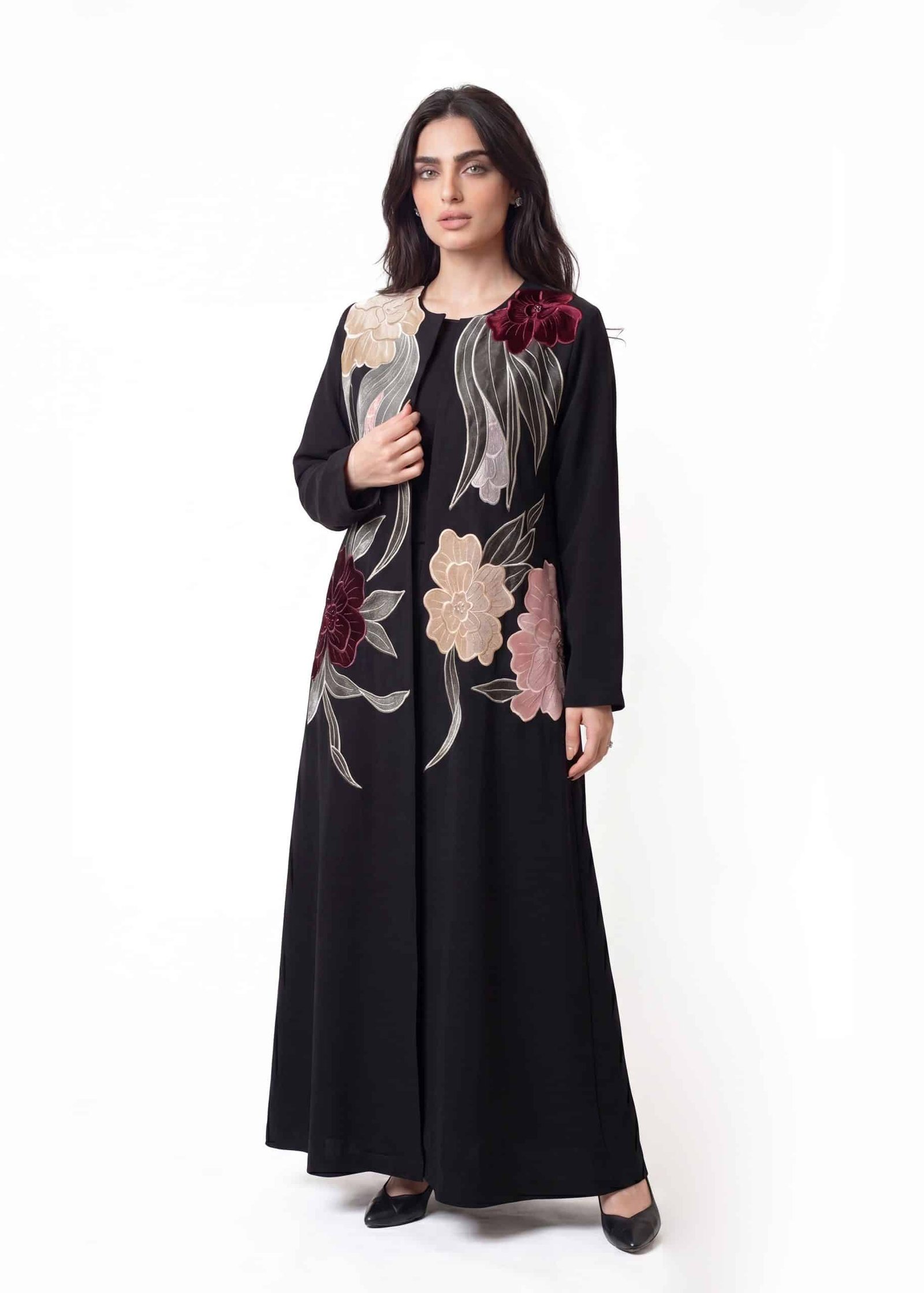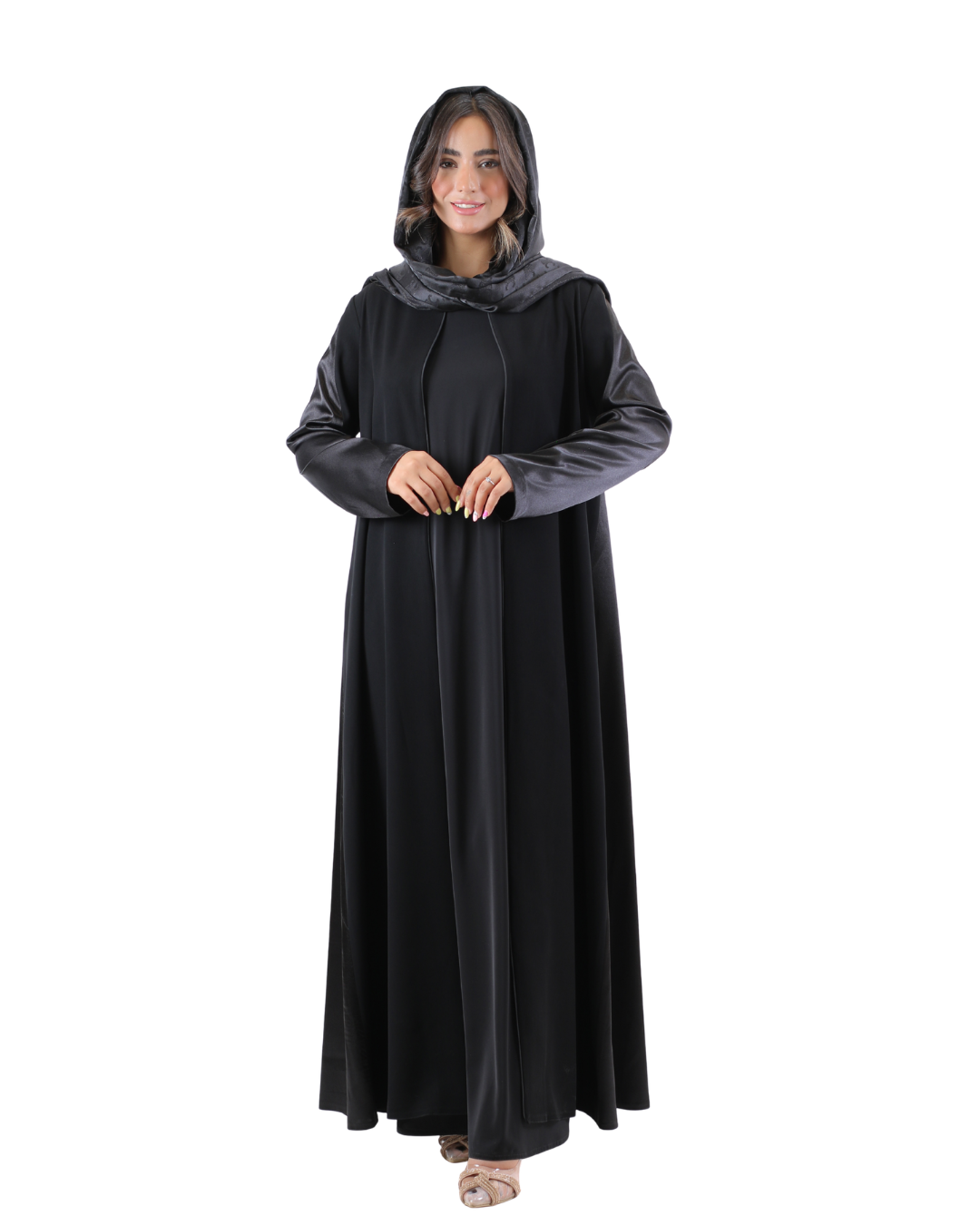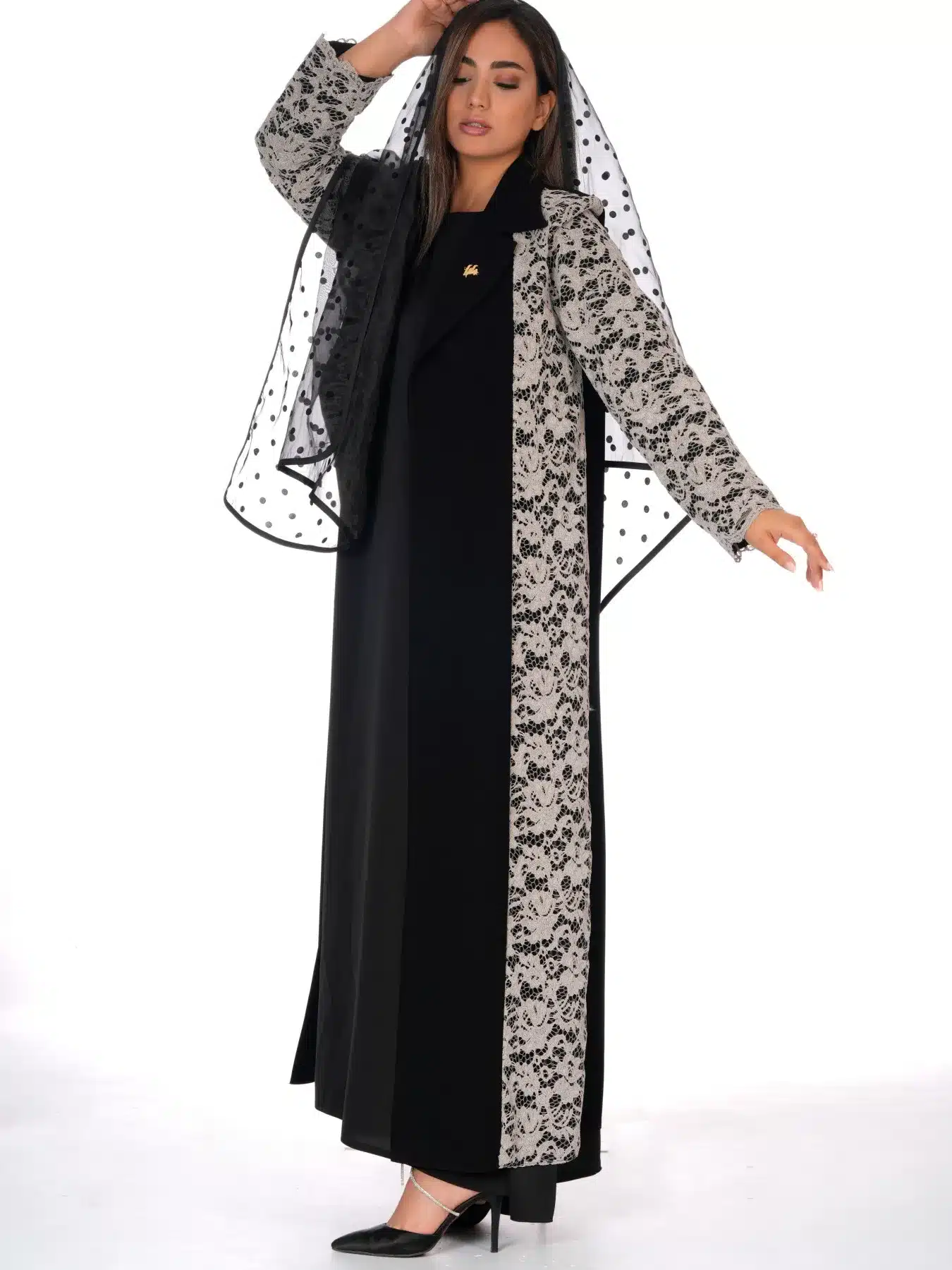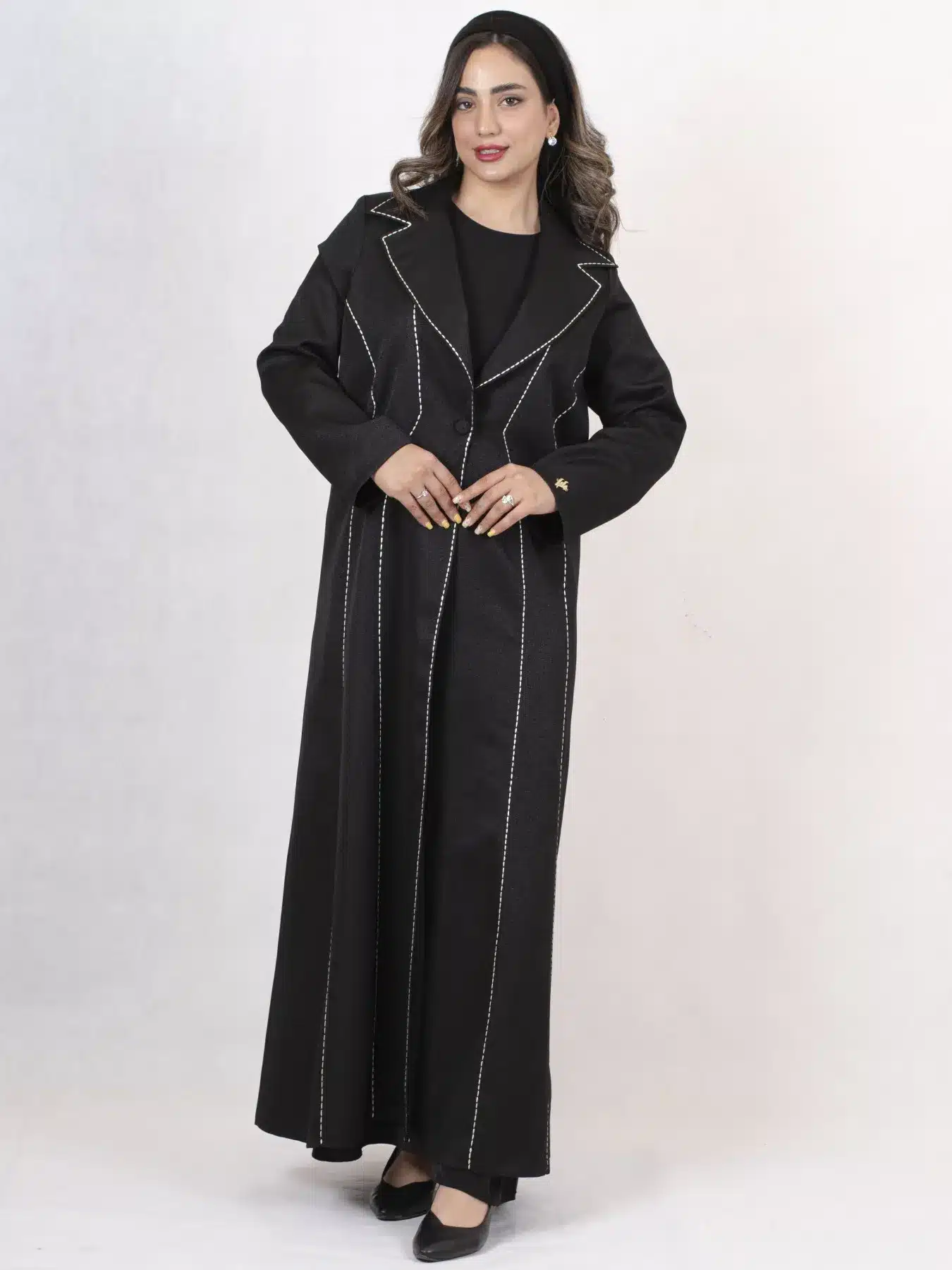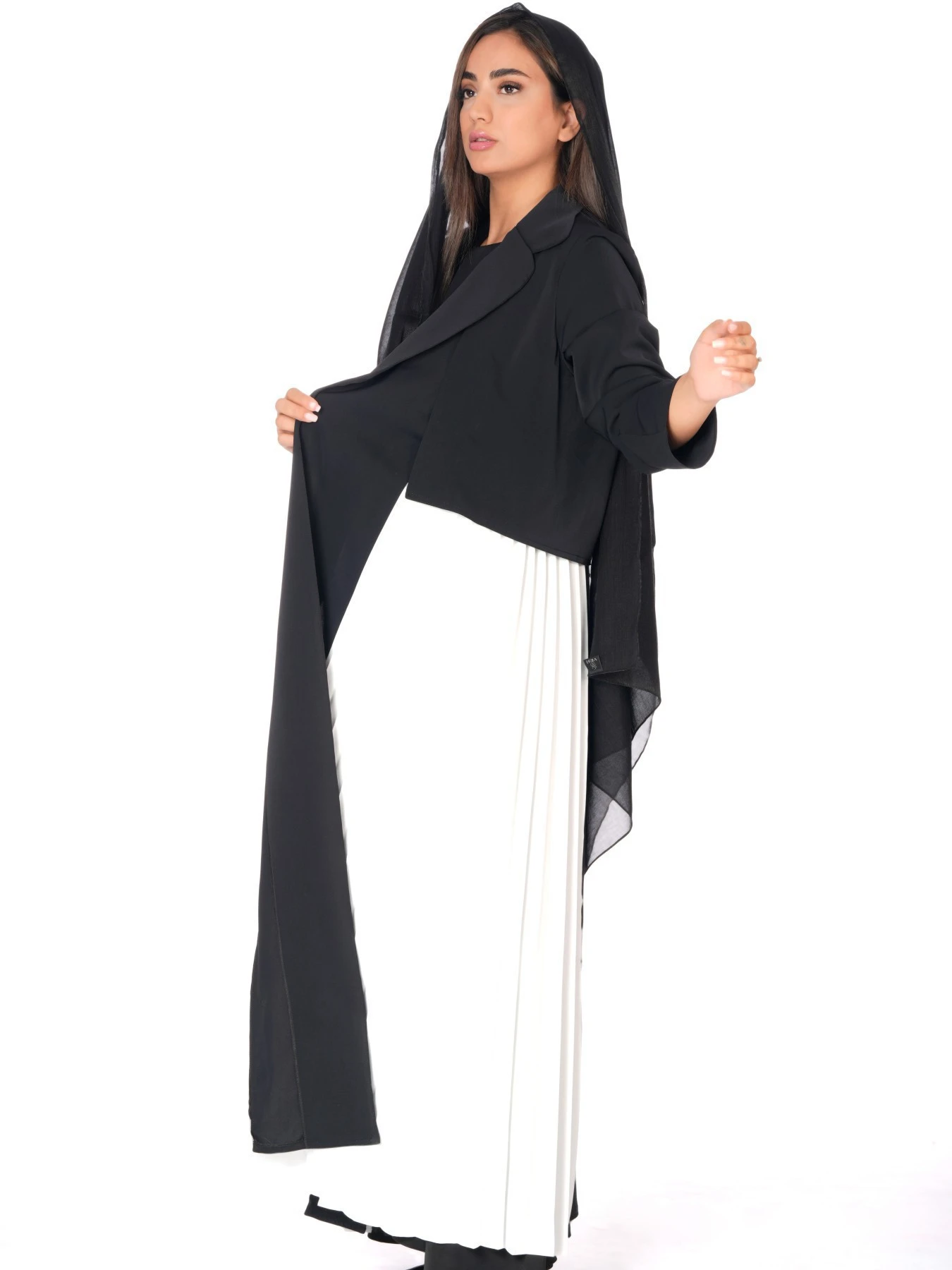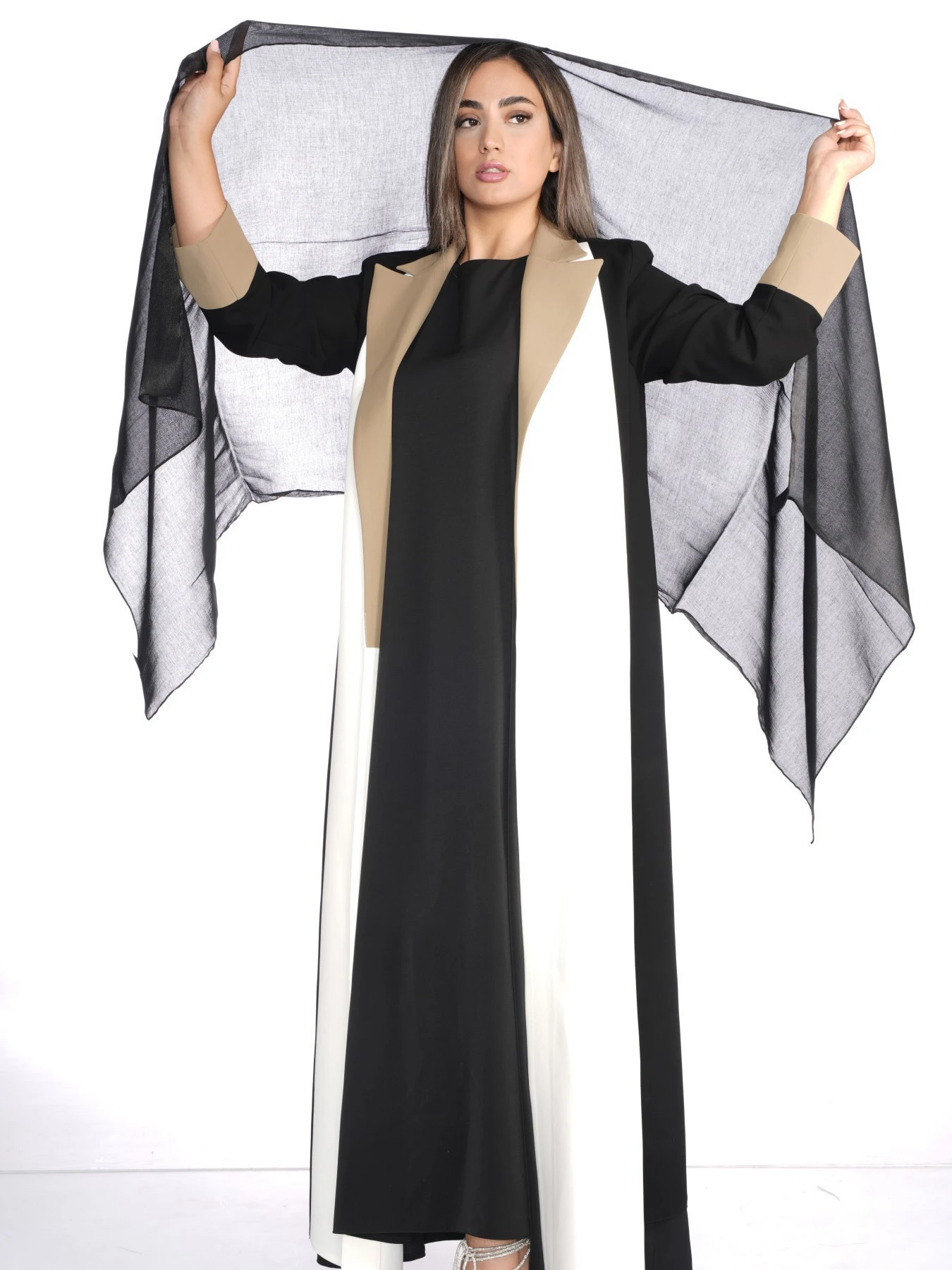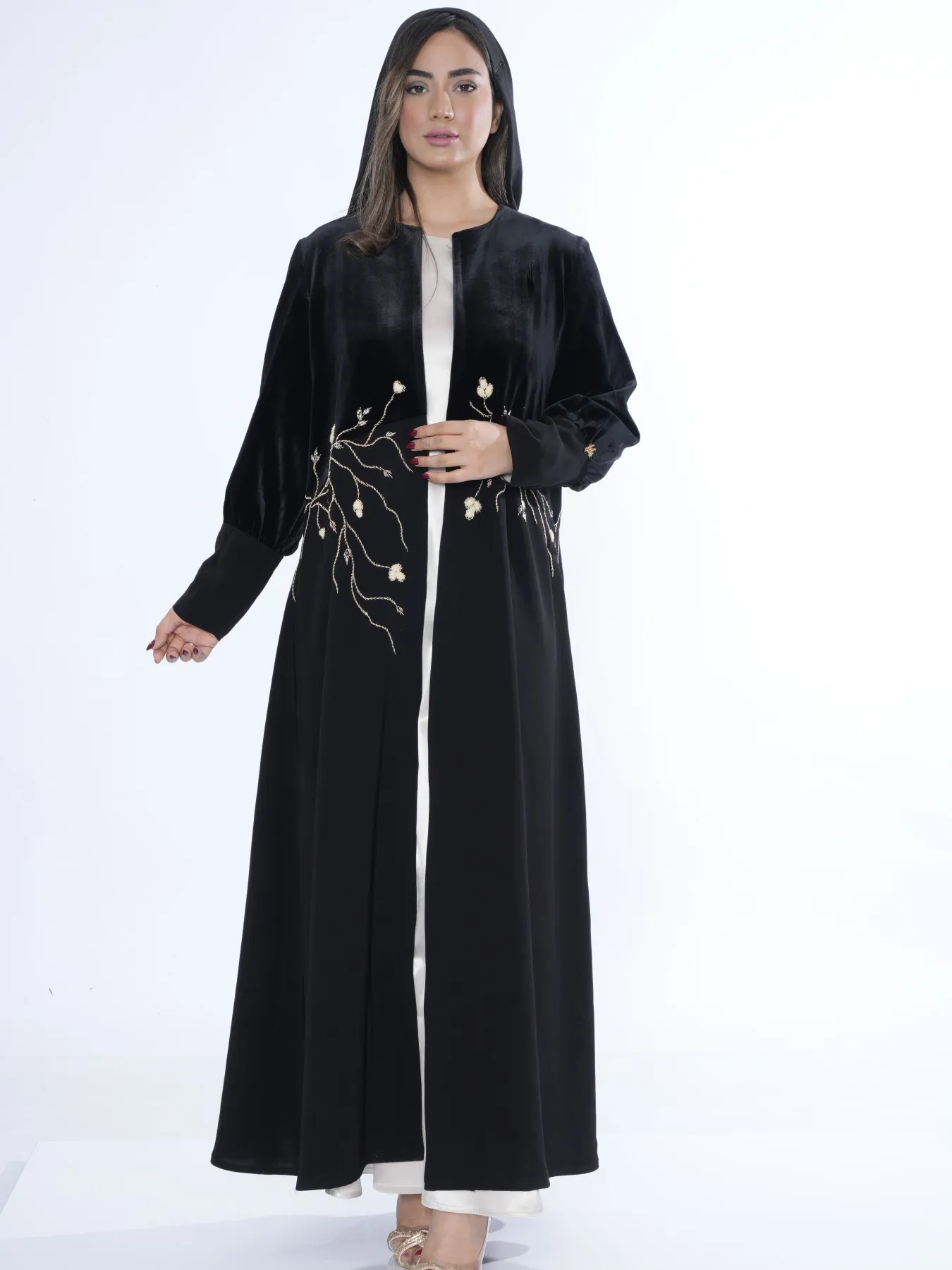
An abaya is more than an everyday garment. For many women, it is an essential part of a modest wardrobe, and proper care plays an important role in keeping its fabric, colour, shape and overall appearance in good condition. Knowing how to wash abaya correctly can help prevent fading, shrinkage, fabric distortion and unnecessary wear.
The right washing method depends on the abaya’s fabric, construction, embellishments and care label. A lightweight everyday style may be easy to wash at home, while a delicate embroidered or embellished design may require more careful handling.
Whether you own a simple everyday abaya or a more structured occasion style, this guide explains how to wash, dry, iron and store your abaya while reducing the risk of damage.
Why Proper Abaya Care Matters
Abaya fabrics can respond differently to water, detergent, heat and friction. Repeated exposure to unsuitable washing conditions may gradually affect the softness, colour, drape and finish of the fabric. Black abayas, in particular, require attention because frequent washing, high temperatures and strong detergents can contribute to colour fading. Delicate fabrics such as chiffon and georgette can also become damaged when exposed to excessive friction.
Good abaya care is therefore not about washing as aggressively as possible. The goal is to remove dirt and odours while keeping mechanical stress, heat and chemical exposure as low as practical.
Understanding Your Abaya’s Fabric
Before deciding how to wash an abaya, identify the fabric and check whether the garment contains embroidery, decorative trims, beads, crystals or other details.
Different materials require different approaches. Crepe is commonly chosen for its structured yet comfortable drape, while chiffon and georgette are lighter and more delicate. Jersey tends to be flexible and comfortable, whereas velvet has a different surface structure and may require specialised care.
A classic abaya with a relatively simple construction may be easier to maintain than a heavily embellished occasion garment. However, the care label should always take priority over general fabric recommendations.
- Fabric Considerations at a GlanceDelicate & Sheer Fabrics: For materials like Chiffon, it is vital to minimize friction to protect their delicate construction. Similarly, Georgette requires gentle washing to preserve its unique texture and elegant drape.
- Textured & Structured Fabrics: Crepe generally benefits from a gentle wash and moderate handling to maintain its quality. For Velvet, you must follow the manufacturer’s specific instructions strictly, as the pile is highly sensitive to moisture and pressure.
- Elastic & Decorative Elements: When handling Jersey, avoid exposure to excessive heat to prevent loss of shape or elasticity. Finally, any Embroidered or Embellished fabrics require extra attention and care to ensure that decorative elements remain intact and undamaged.
Preparation Before Washing
Good preparation can make the washing process safer and more effective. Before placing your abaya in water or inside a washing machine, inspect the garment carefully. Empty all pockets and remove detachable accessories. Close zippers, buttons or other fastenings where appropriate, and turn the garment inside out if the care instructions allow it.
If the abaya has embroidery, decorative stitching or delicate trims, inspect these areas for loose threads or damaged details. Washing a garment with an existing loose thread can sometimes make the problem worse.
Checking the Care Label
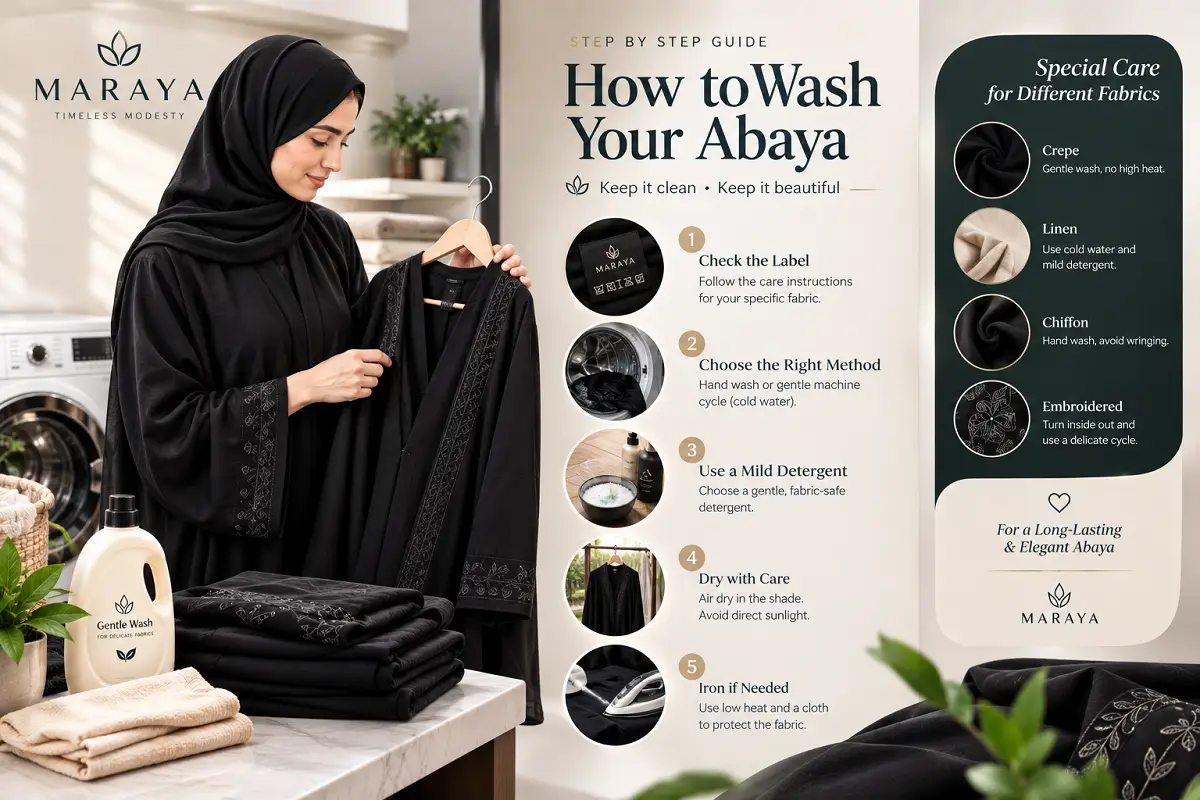
The care label is the most important reference when deciding how to wash abaya at home. It may specify whether the garment is suitable for machine washing, hand washing or professional cleaning.
- Washing Protocols: Always verify the recommended method—whether it requires gentle hand washing or is safe for a machine. Pay close attention to the maximum water temperature to prevent shrinkage and strictly observe instructions regarding bleaching to avoid color loss.
- Drying & Finishing: Before processing, check if tumble drying is permitted and note the specific ironing temperature required to protect the fabric’s integrity.
- Specialized Requirements: Some garments require professional dry cleaning or have unique fabric needs. Always review these specific requirements to ensure the longevity of your garment.
If the label specifically recommends dry cleaning, avoid experimenting with home washing simply because the garment looks washable.
Sorting by Colour and Fabric
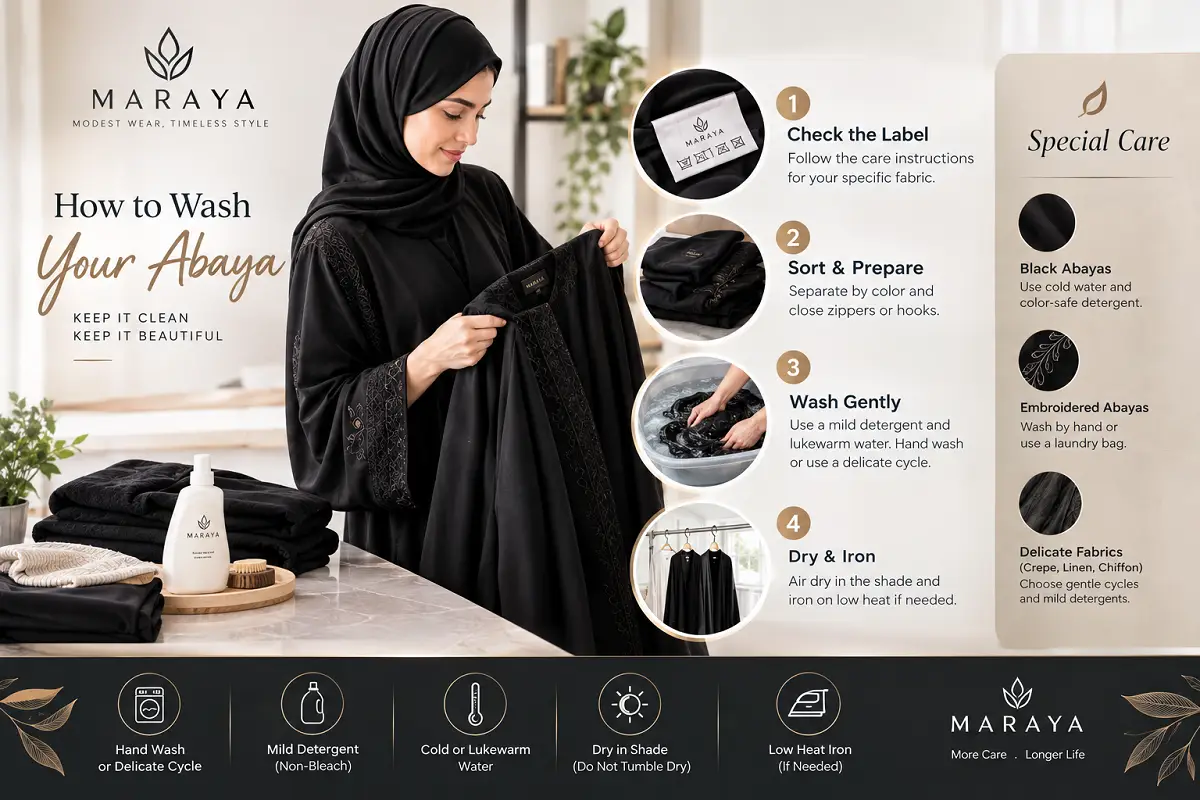
Wash dark garments separately from light-coloured clothing whenever possible. This is particularly important for black abayas, which can transfer dye during washing. It is also better to avoid washing delicate abayas together with heavy garments such as denim, towels or clothing with rough zippers. Friction between different materials can place unnecessary stress on the abaya.
Pre-Treating Stains
Treat visible stains before the main wash rather than repeatedly washing the entire garment at high intensity. Apply a small amount of suitable mild detergent to the affected area and gently work it into the fabric. Avoid aggressive rubbing, especially on chiffon, embroidery and other delicate surfaces. For an unfamiliar fabric, test the cleaning method on a small, inconspicuous area first.
Hand Washing an Abaya – Step-by-Step
Hand washing is often a practical option for delicate abayas when the care label permits it. It gives you greater control over water temperature, movement and washing time.
Step 1: Prepare the Water
Fill a clean basin with cool or lukewarm water, depending on the care instructions. Avoid hot water unless the manufacturer specifically allows it. Add a small amount of mild liquid detergent and mix it thoroughly before placing the abaya in the water.
Step 2: Submerge the Abaya
Place the abaya gently into the water and allow the fabric to become fully saturated. Do not immediately scrub or twist it. Leave it to soak for a short period if the care instructions allow soaking. Long soaking is not automatically better and may be unnecessary for lightly soiled garments.
Step 3: Wash Gently
Move the garment through the water using gentle pressing and lifting motions. Concentrate on areas that commonly collect body oils or dirt, such as cuffs, underarms and the neckline. Avoid vigorous rubbing and twisting. These actions can stretch the fabric and may damage delicate surfaces.
Step 4: Rinse Thoroughly
Drain the soapy water and rinse the abaya with clean water until the detergent has been removed. Residual detergent can affect the fabric’s feel and may leave visible marks after drying, especially on dark garments.
Step 5: Remove Excess Water Carefully
Do not wring the abaya aggressively. Instead, press the garment gently to release excess water. For delicate fabrics, you can place the garment between clean towels and press lightly to absorb moisture without applying excessive force.
How to Wash Abaya in Washing Machine
Many abayas can be machine washed if their care labels permit it. The safest approach is generally to use a gentle or delicate cycle with cool water and reduced mechanical stress. Before washing, turn the abaya inside out and place it in a mesh laundry bag if the fabric or construction is delicate.
Choose a gentle cycle rather than a heavy-duty program. Avoid mixing the abaya with rough or heavy garments. A lower spin speed can also help reduce stretching and excessive creasing. Once the cycle ends, remove the abaya promptly rather than leaving it compressed inside the machine.
Using a Mesh Laundry Bag
A mesh laundry bag provides an additional layer of protection between the abaya and the washing machine drum. It can help reduce direct friction and prevent straps, hooks or other garments from becoming caught around delicate parts of the abaya.
A mesh bag is particularly useful for garments with embroidery, decorative details or lightweight fabrics. However, it does not replace the need to select the correct washing cycle. If an abaya is labelled for hand washing or professional cleaning only, placing it inside a mesh bag does not make machine washing appropriate.
Water Temperature and Detergent
For many washable abayas, cool or lukewarm water is a sensible choice unless the care label specifies otherwise. High temperatures can affect certain fibres, dyes and finishes. They may also increase the risk of shrinkage or colour change.
Choose a mild detergent suitable for the garment. You generally do not need a large amount of detergent to clean an abaya effectively. Avoid assuming that more detergent means better cleaning. Excess product can be difficult to rinse completely and may leave residue on the fabric.
Special Cases and Fabrics
Some abayas need additional attention because of their colour, fabric or decorative construction.
How to Wash Black Abaya
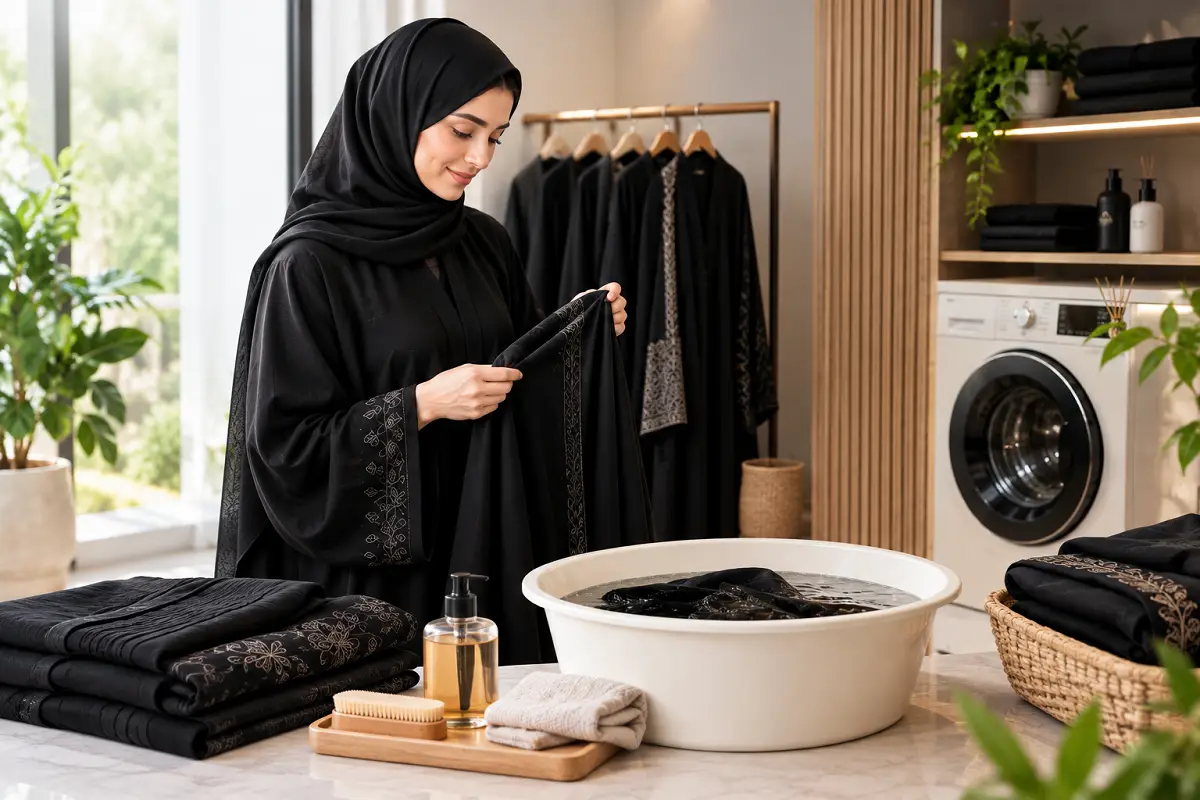
Black abayas benefit from gentle washing because preserving the depth of the colour is often a priority. Turn the garment inside out before washing and use cool water where permitted. Choose a mild detergent and avoid unnecessary exposure to direct sunlight during drying.
Do not overload the washing machine. Excessive friction between garments can contribute to surface wear and may make dark clothing look dull over time. A simple classic abaya can often be maintained with this gentle routine when its care label allows home washing.
Caring for Embroidered Abayas
Embroidered abayas require more careful handling because decorative stitching can be more vulnerable to friction and snagging. If the garment is machine washable, turn it inside out and consider using a mesh laundry bag. Select a delicate cycle and avoid washing it alongside rough fabrics.
For heavily embellished designs, always follow the specific care instructions. Some garments may be better suited to professional cleaning. A carefully maintained embroidered abaya can retain its decorative details for longer when unnecessary friction, heat and harsh chemicals are avoided.
Chiffon, Georgette and Jersey
Chiffon and georgette should generally be handled gently because their lightweight construction can be more susceptible to stretching and snagging. Jersey has more flexibility, but excessive heat can affect its shape depending on the fibre composition.
Do not assume that two garments made from visually similar fabrics have identical care requirements. Fibre content, finishing treatments and garment construction can all influence the appropriate washing method.
Choosing the Right Detergent
A mild liquid detergent is often a practical choice for washable abayas. The detergent should be appropriate for the fabric and colour of the garment. Avoid harsh bleaching products unless the care label specifically permits them. Chlorine bleach, in particular, can damage many coloured and synthetic fabrics.
Fabric softener should also be used carefully. It is not necessary for every abaya and may affect the feel or finish of some fabrics. If you are unsure, a simpler washing routine with a small amount of mild detergent is preferable to using multiple cleaning products.
How to Refresh Your Abaya Without Washing It
Not every abaya needs a full wash after every wear. If the garment has been worn briefly and there is no visible dirt or stain, a few simple care steps may be enough to refresh it while reducing unnecessary washing.
Start by hanging the abaya in a well-ventilated area and allowing it to air out naturally. Avoid placing it immediately inside a crowded wardrobe, especially if the garment has absorbed perfume, cooking smells or body odour.
Removing Light Odours
For mild odours, ventilation is usually the first step to try. Hang the abaya on a suitable hanger in a shaded, airy location and allow enough time for the fabric to release trapped smells. Avoid spraying large amounts of perfume directly onto the fabric to mask an odour. Fragrance ingredients can interact differently with various textiles and may leave marks, particularly on delicate or dark fabrics.
If the odour remains after ventilation, check the care label before attempting any additional treatment. Some fabrics and decorative finishes are more sensitive to moisture and cleaning products than others.
Dealing With Small Fresh Stains
A small stain does not always mean the entire abaya needs to be washed immediately. If the care instructions permit spot cleaning, gently blot the affected area with a clean, damp cloth rather than rubbing it aggressively.
For a fresh liquid stain, absorb as much of the substance as possible without spreading it across the surrounding fabric. Avoid using very hot water or strong household cleaners unless the garment’s care instructions specifically allow them.
For oil-based, makeup or food stains, the correct treatment depends on the substance and fabric. If the stain is persistent or the garment is valuable or delicate, professional cleaning may be safer than repeated home treatment.
Removing Wrinkles Between Washes
Light wrinkles can often be reduced without washing the entire garment. Hang the abaya properly and allow the fabric to relax naturally. A garment steamer may be suitable for some fabrics, but always check the care label and keep the appropriate distance between the steam source and the fabric.
For delicate materials or embellished areas, avoid applying heat directly without confirming that it is safe. This approach can help maintain the garment’s appearance while avoiding unnecessary washing cycles that may gradually increase fabric wear.
When a Full Wash Is Necessary
Refreshment methods are useful for light wear, but they should not replace proper washing when the abaya has visible dirt, sweat, significant odour or a noticeable stain. A simple rule is to consider the condition of the garment rather than washing it automatically after every use. This can help balance cleanliness with long-term fabric care.
If an abaya has been exposed to heavy perspiration, rain, food stains or another source of substantial contamination, follow the garment’s care instructions and wash or professionally clean it as soon as appropriate.
Common Mistakes That Reduce the Lifespan of Your Abaya
Improper Washing Techniques: Avoid washing with hot water, as it increases the risk of shrinkage and fabric damage. Using excessive detergent can leave harmful residues in the fibers, while aggressive scrubbing or overloading the washing machine can damage delicate details and increase friction.
Damaging Drying Habits: To maintain the garment’s shape, avoid wringing or twisting the fabric when wet, as this causes stretching and distortion. Additionally, steer clear of high heat in dryers and prolonged exposure to direct sunlight, both of which can lead to significant fading and damage to synthetic materials.
The Golden Rule: Never ignore the care label. While general tips are helpful, the specific instructions provided by the manufacturer are the only way to ensure your abaya stays in perfect condition.
Drying, Ironing and Storage
Washing is only one part of proper abaya care. How you dry and store the garment can have a major effect on its appearance.
Proper Drying
After washing, gently remove excess water and reshape the abaya while it is still damp. Use a suitable hanger if the garment can be safely hung. For heavier wet fabrics, take care that the garment does not become stretched under its own weight.
Whenever possible, allow the abaya to dry naturally in a well-ventilated area away from prolonged direct sunlight. Do not automatically use a tumble dryer. Check the care label first because some fabrics can shrink, distort or lose their finish when exposed to high heat.
Ironing or Steaming
Check the recommended ironing temperature before applying heat. For delicate materials, placing a clean pressing cloth between the iron and fabric can provide an additional layer of protection.
Steaming may be a convenient alternative for some abayas because it can help relax creases without placing the iron directly against the surface. However, steaming is not suitable for every fabric or decorative finish, so the care label remains the main reference.
Long-Term Storage
Store the abaya in a clean, dry and well-ventilated wardrobe. Use suitable hangers that support the garment without creating sharp pressure points. Avoid overcrowding your wardrobe because constant compression can create unnecessary creases.
For delicate or occasion abayas that are not worn frequently, a breathable garment cover can provide protection from dust while allowing airflow.
Hand Wash vs Machine Wash
| Method | Main Advantage | Best For |
| Hand washing | Greater control over movement and friction | Delicate and lightweight washable abayas |
| Gentle machine washing | Convenient and consistent | Everyday washable abayas |
| Professional cleaning | Specialised handling | Garments labelled for professional cleaning or complex embellishments |
The important question is not simply whether hand washing is better than machine washing. The correct choice depends on the fabric, garment construction and manufacturer’s instructions.
Home Washing vs Professional Cleaning
Home washing can be convenient for many everyday abayas, especially when the care label clearly permits it. Professional cleaning may be more appropriate when an abaya contains complex embellishments, delicate construction or materials that should not be exposed to conventional washing.
If you are uncertain about a valuable occasion abaya, check the care label and ask a professional cleaner whether the garment requires specialised treatment.
Trying to remove a difficult stain with an aggressive household product can sometimes cause more permanent damage than the original stain.
Frequently Asked Questions
Can I wash an abaya in the washing machine?
If the care label allows machine washing, use a gentle cycle, cool or suitable-temperature water and a mild detergent. Turning the garment inside out and using a mesh laundry bag can provide additional protection.
How often should I wash an abaya?
There is no single washing schedule for every abaya. Frequency depends on how often it is worn, the weather, activity level and whether it has visible dirt or odour. Washing only when necessary can reduce unnecessary fabric wear.
How do I wash a black abaya without fading it?
Use cool water where permitted, a mild detergent and a gentle cycle. Turn the abaya inside out and avoid prolonged direct sunlight during drying.
Can I use fabric softener on an abaya?
It depends on the fabric and manufacturer’s instructions. Fabric softener is not essential for every abaya and may affect the finish of some materials.
Should I wash an embroidered abaya at home?
Only if the care label permits it. If the garment has delicate embroidery, beads, crystals or other embellishments, professional cleaning may be more appropriate.
Can I put my abaya in the dryer?
Only if the care label permits tumble drying. If you are unsure, air drying is generally the safer approach for many delicate garments.
Why does my abaya look wrinkled after washing?
Wrinkling can occur because of washing movement, spinning, drying position or fabric type. Removing the garment promptly, reshaping it while damp and following the correct ironing or steaming instructions can help.
Choosing an Abaya That Fits Your Lifestyle
The best care routine starts with understanding how you actually use your abaya. If you need a garment for frequent wear, a practical fabric and simple construction may make maintenance easier. If you mainly wear an abaya for formal occasions, decorative details and delicate fabrics may require more specialised care.
For women who prefer flexible styling, an open abaya can be layered over different outfits, but the same principle applies: check the specific fabric and construction before choosing a washing method.
When buying a new abaya, care requirements can be a useful part of the purchasing decision. A garment that fits your lifestyle, wardrobe and available care routine is more likely to remain a practical part of your collection.
Final Abaya Care Checklist
Step 1: Preparation & Assessment Before beginning the cleaning process, always start by reading the care label to understand the specific needs of your garment. Identify the fabric type and any delicate decorative details. To prevent color bleeding, ensure you separate dark garments from light ones, and treat any visible stains gently before the main wash.
Step 2: The Washing Process When washing, use cool or temperature-appropriate water paired with a mild detergent. If machine washing is permitted, select a gentle cycle and place delicate items inside a mesh laundry bag for added protection. Throughout the process, avoid aggressive actions such as rubbing, twisting, or wringing the fabric.
Step 3: Drying, Finishing & Storage For drying, allow the garment to air-dry naturally whenever possible, avoiding high heat which can damage the fibers. When it comes to removing wrinkles, use an iron or steamer strictly according to the fabric’s temperature requirements. Finally, always store your abaya in a clean, dry, and well-ventilated space to maintain its freshness.
Proper abaya care does not require a complicated routine. The most important habits are choosing the correct washing method, reducing unnecessary friction and heat, and following the garment’s care label. For more guidance on modest fashion, fabrics, styling and wardrobe care, you can also explore the Maraya Mag for additional practical content.
A careful washing routine can help your abayas maintain their colour, shape, texture and overall appearance for longer, allowing you to enjoy your favourite pieces with greater confidence and less unnecessary wear.