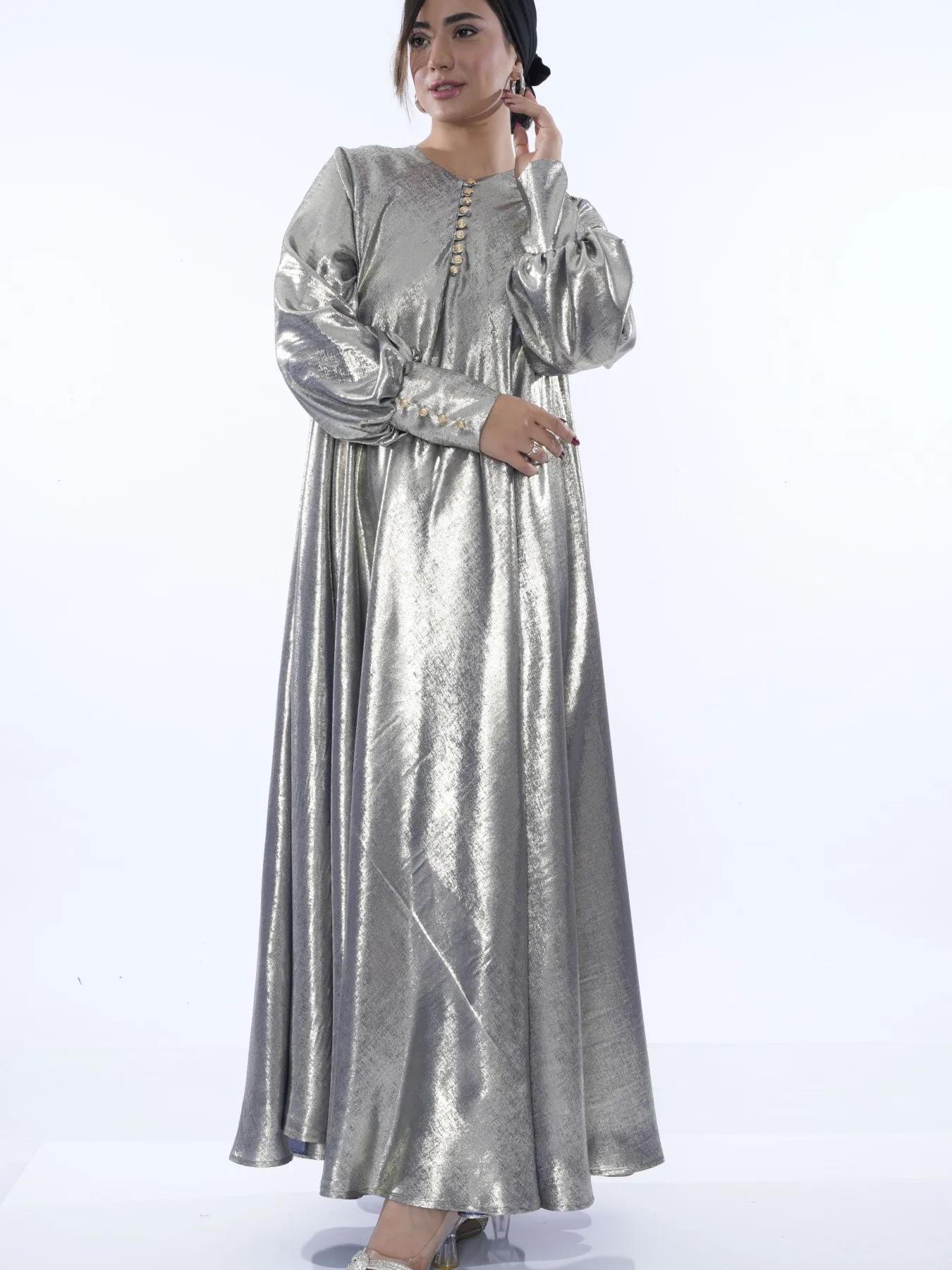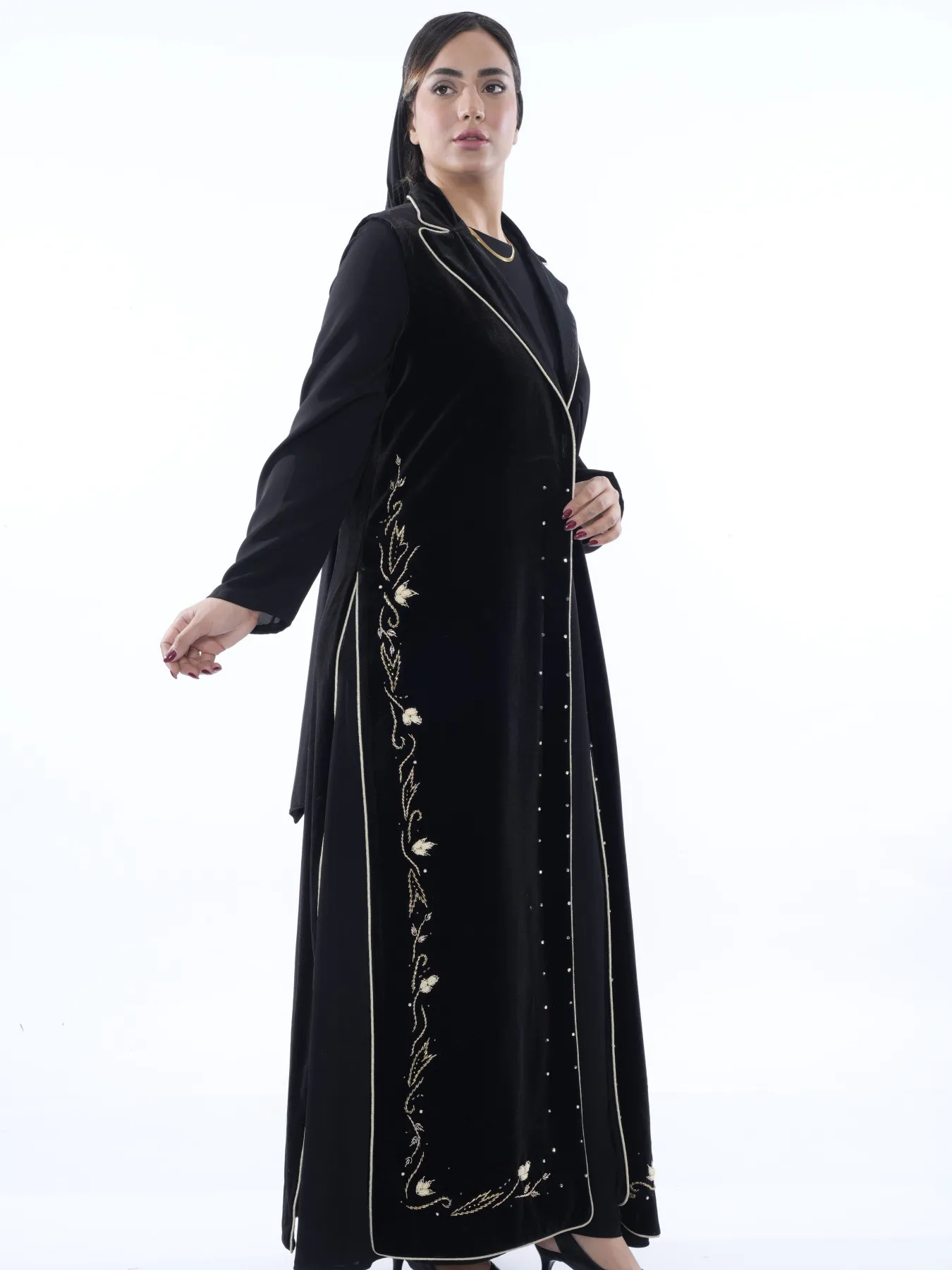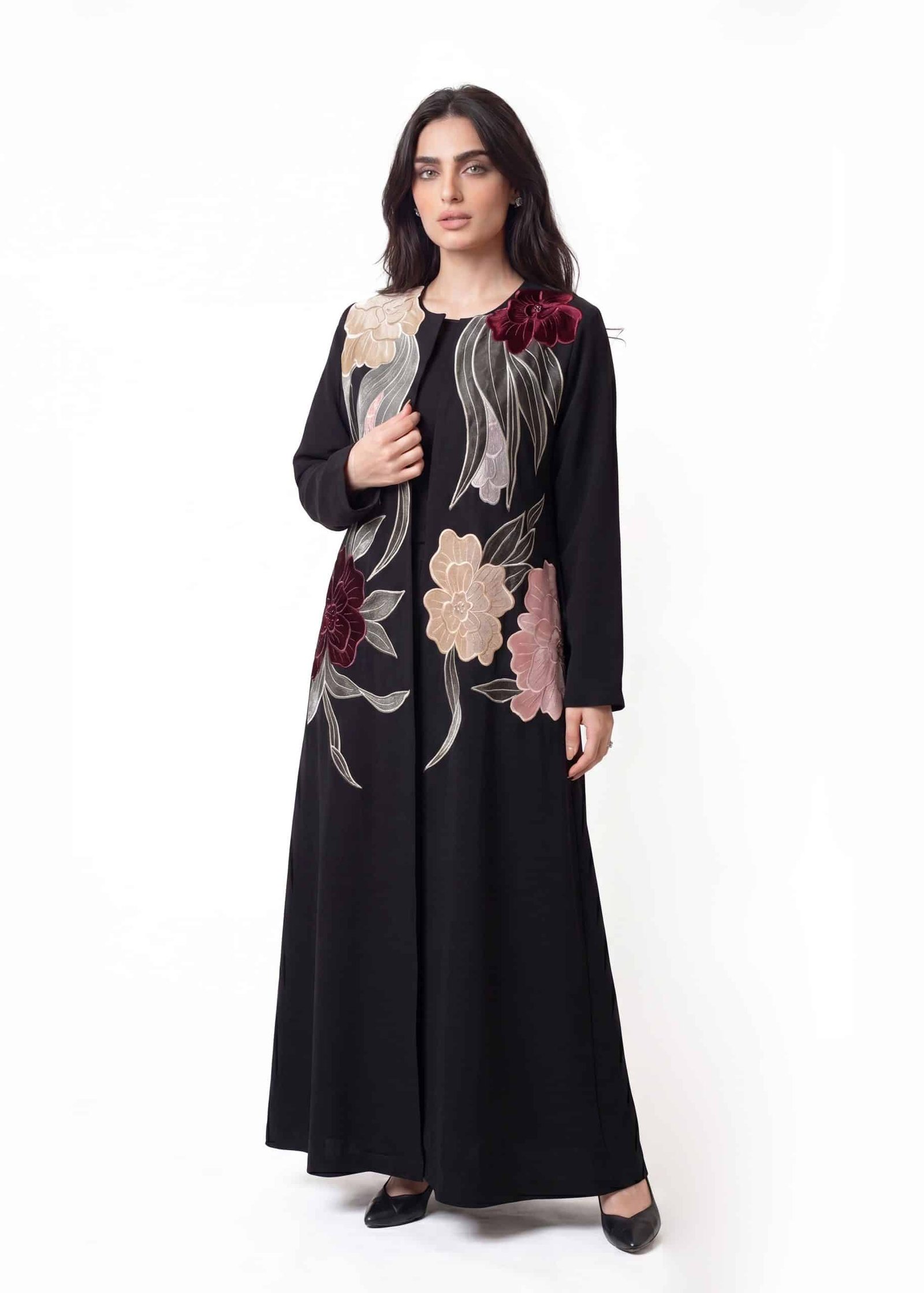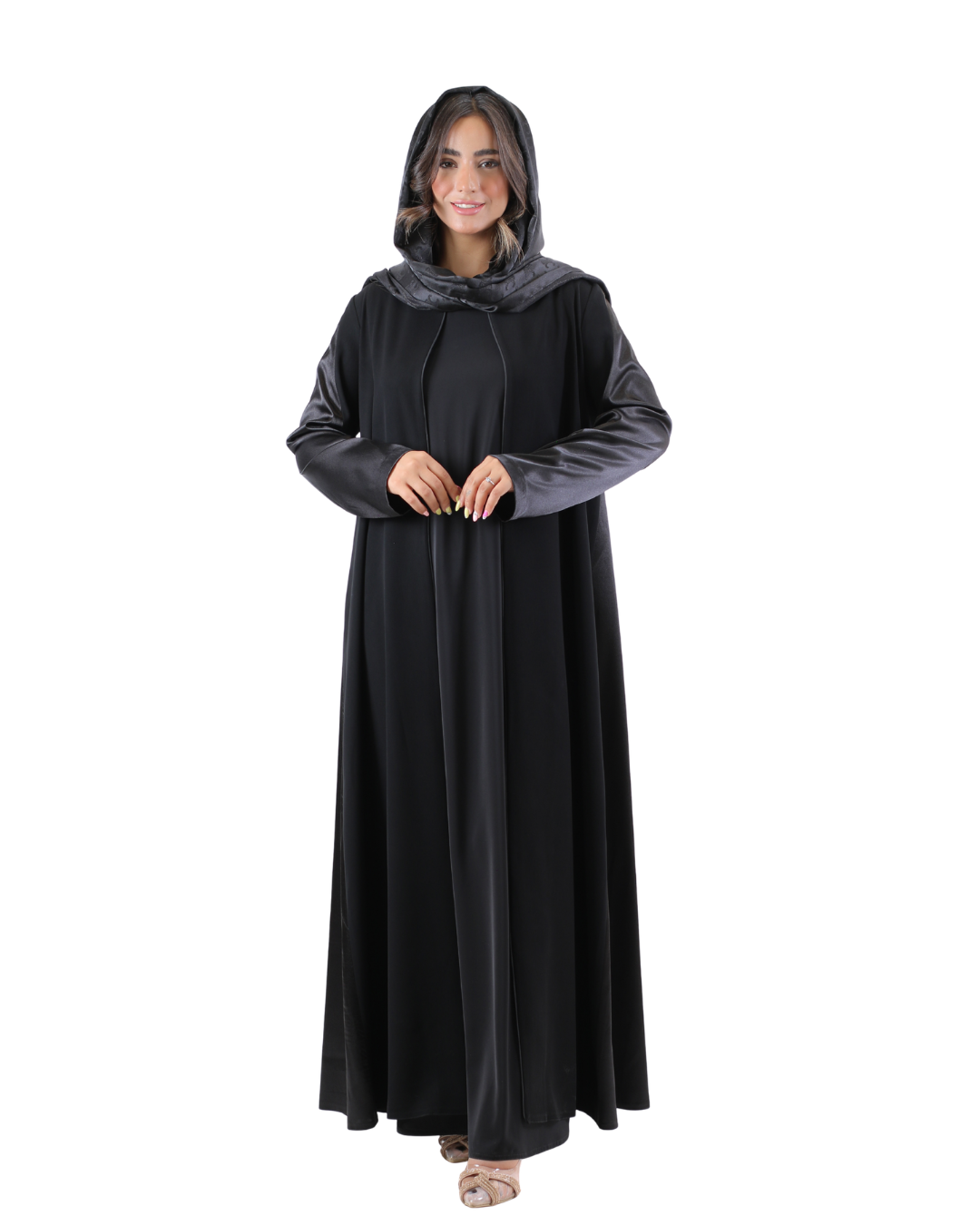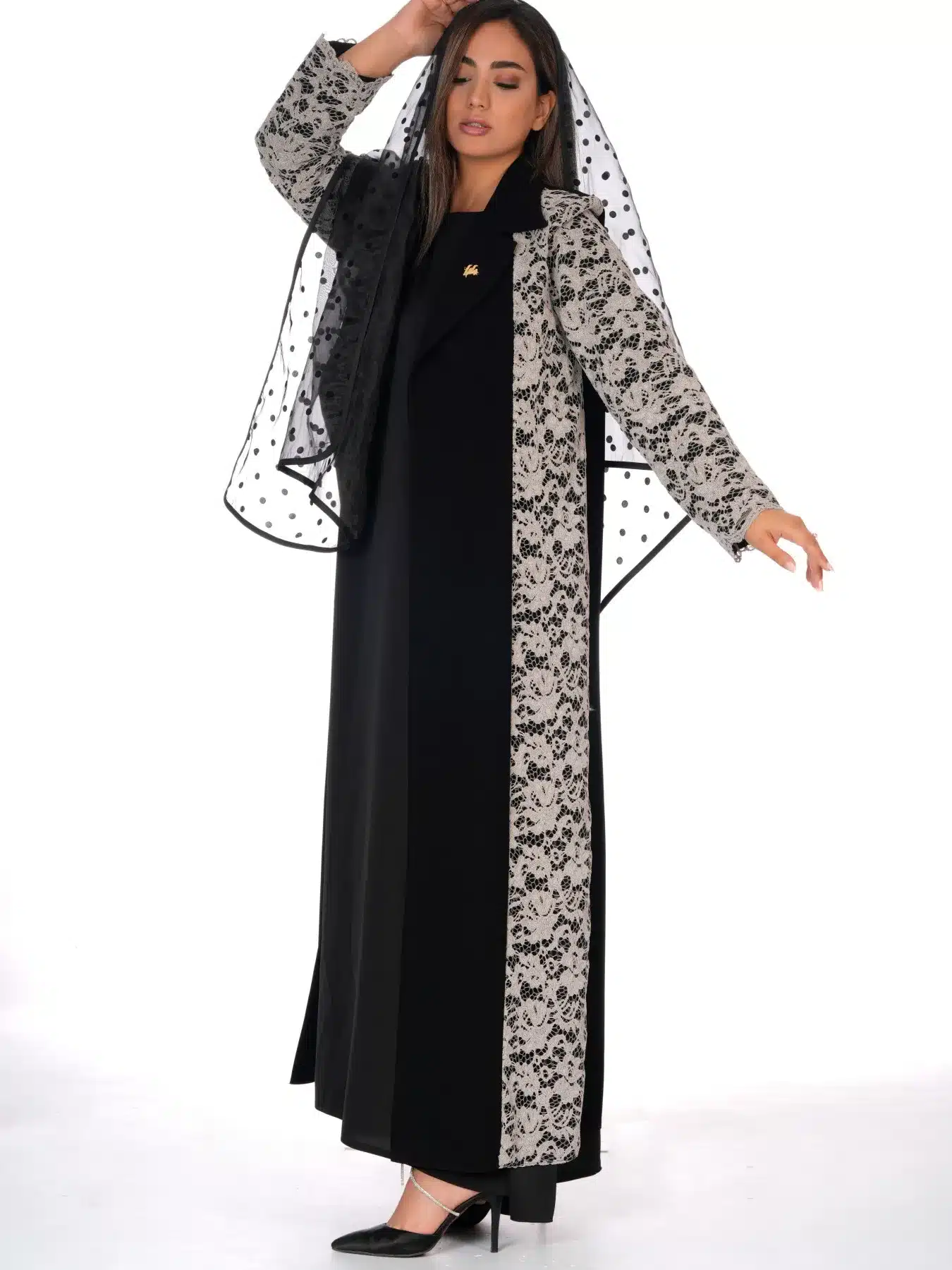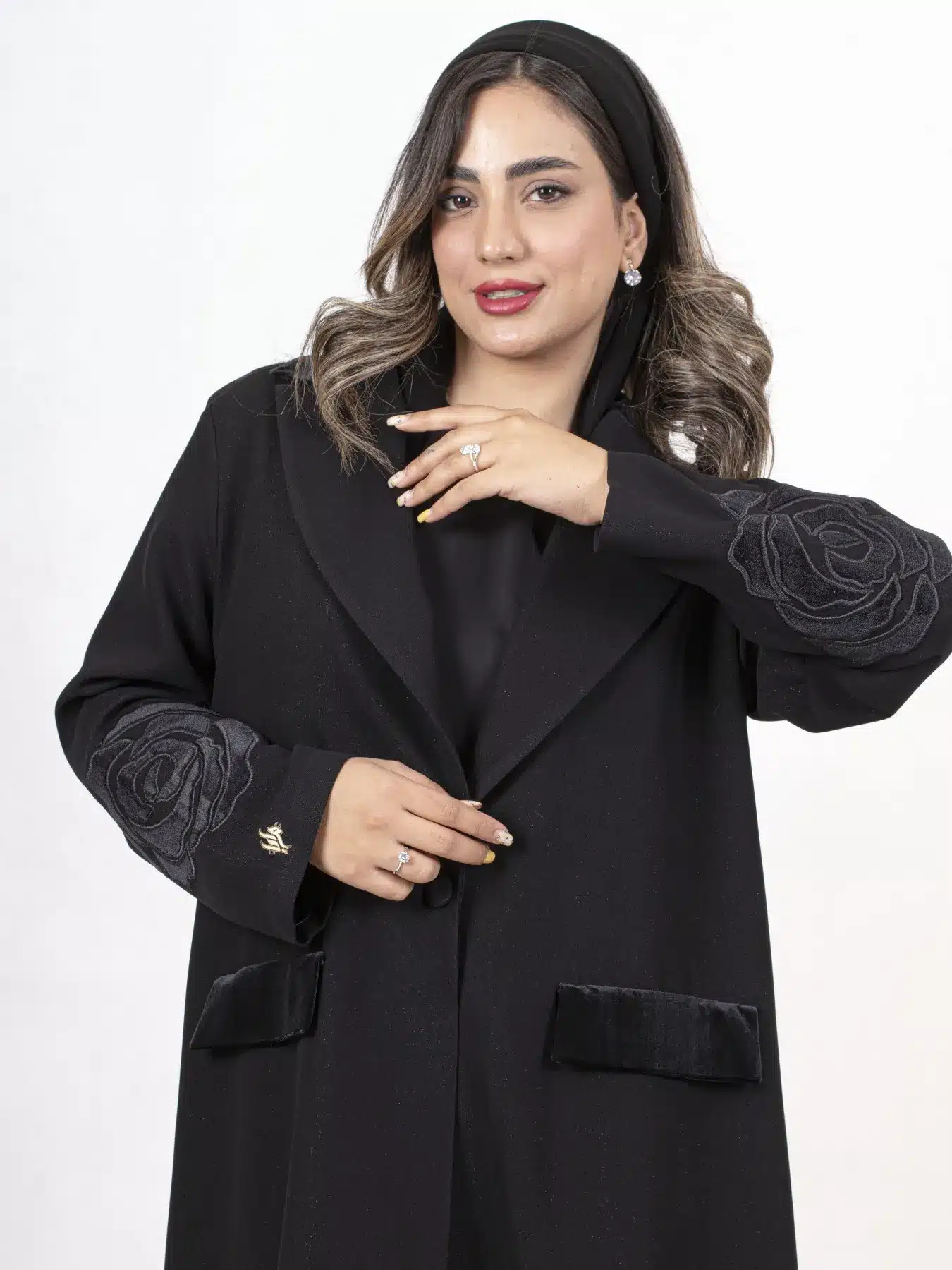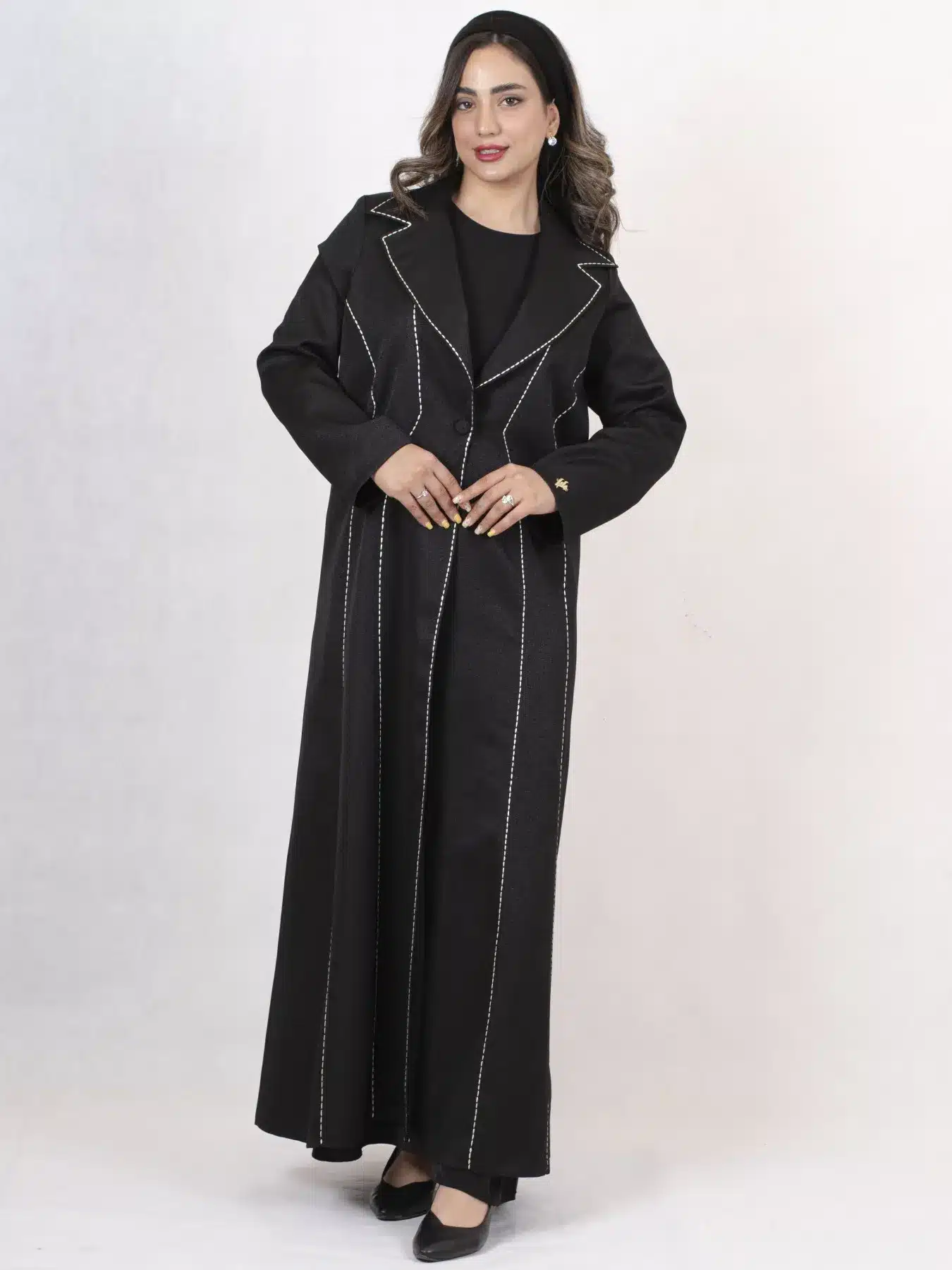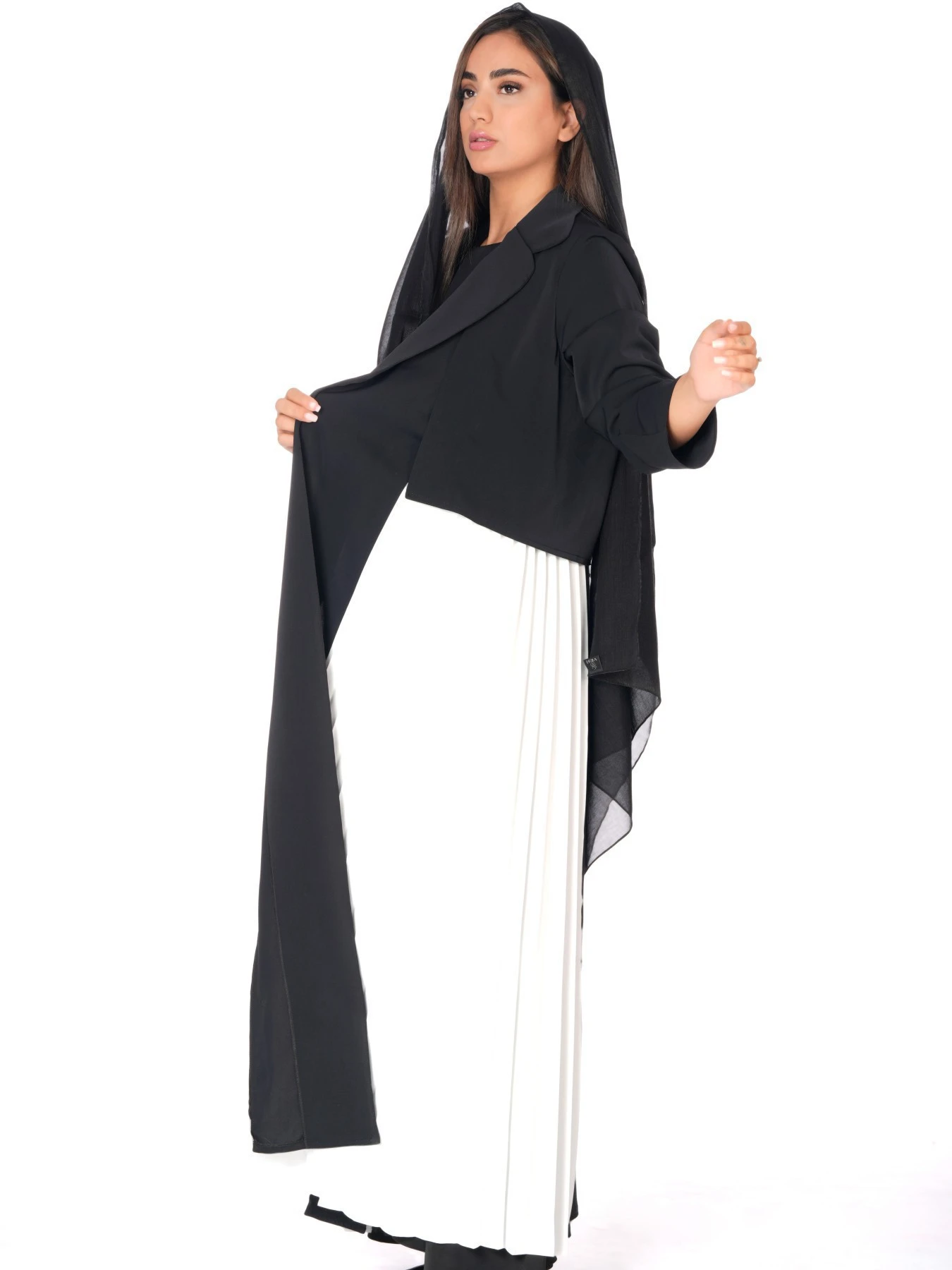
When exploring the types of abaya, it can be difficult to know where to start. Abayas come in many silhouettes, cuts, fabrics, and construction styles, from the familiar closed abaya and open-front kimono to butterfly, coat, kaftan, kloosh, bisht, A-line, flared, and reversible designs. Although many of these garments share the same purpose of providing modest coverage, their structure and styling can be very different.
The best abaya style depends on more than appearance. Your preferred level of coverage, climate, occasion, body proportions, fabric choice, and how you plan to layer the garment all influence which design will work best. This guide explains the different types of abaya with names, compares their main characteristics, and provides practical advice for choosing an abaya for everyday wear, work, travel, weddings, Eid, prayer, and other occasions.
Popular Abaya Styles for Women
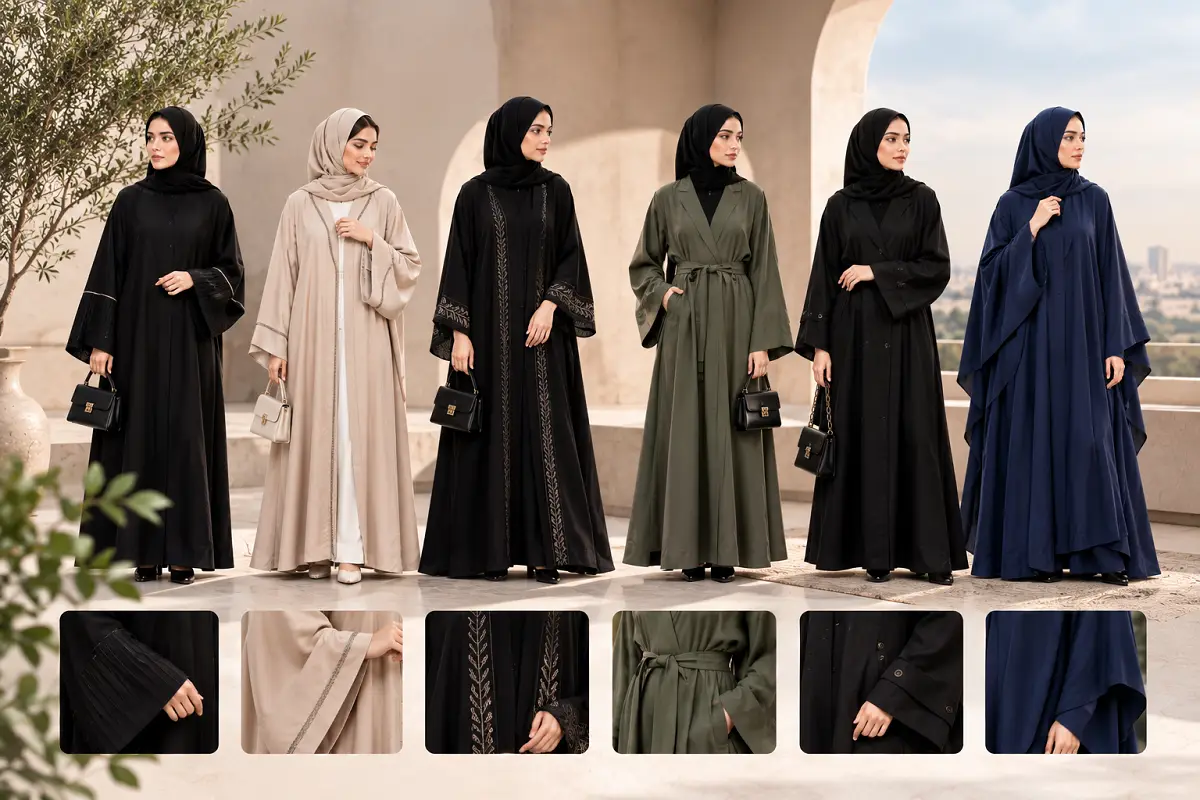
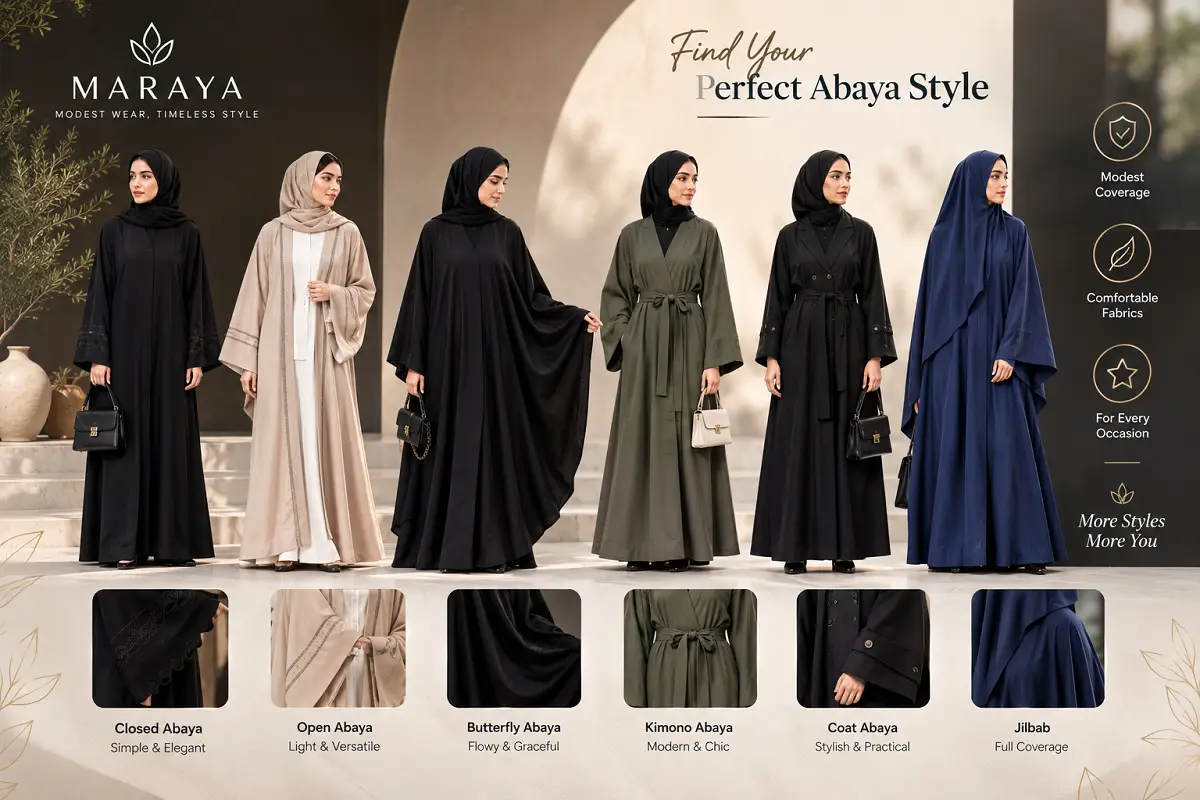
The most recognizable abaya styles can generally be divided into open and closed designs, followed by more distinctive silhouettes such as butterfly, coat, kimono, and reversible abayas. Knowing the basic differences between these styles makes online shopping much easier because the same fabric can create a completely different look depending on the cut.
When comparing different types of abaya styles, it is useful to look at how the garment opens, how much structure it has, how it falls from the shoulders, and whether it is designed primarily for layering or complete coverage. The following styles represent some of the most useful and recognizable categories in modern modest fashion.
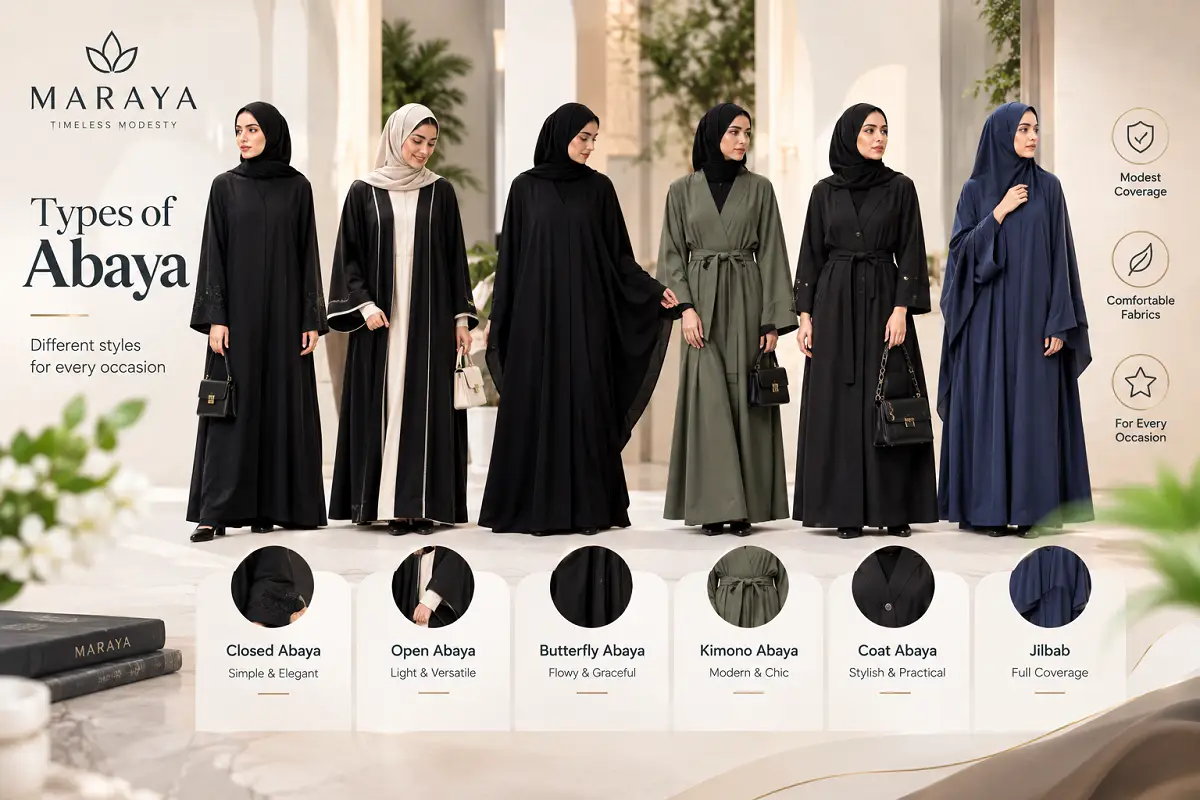
Kimono-Style (Open) Abaya
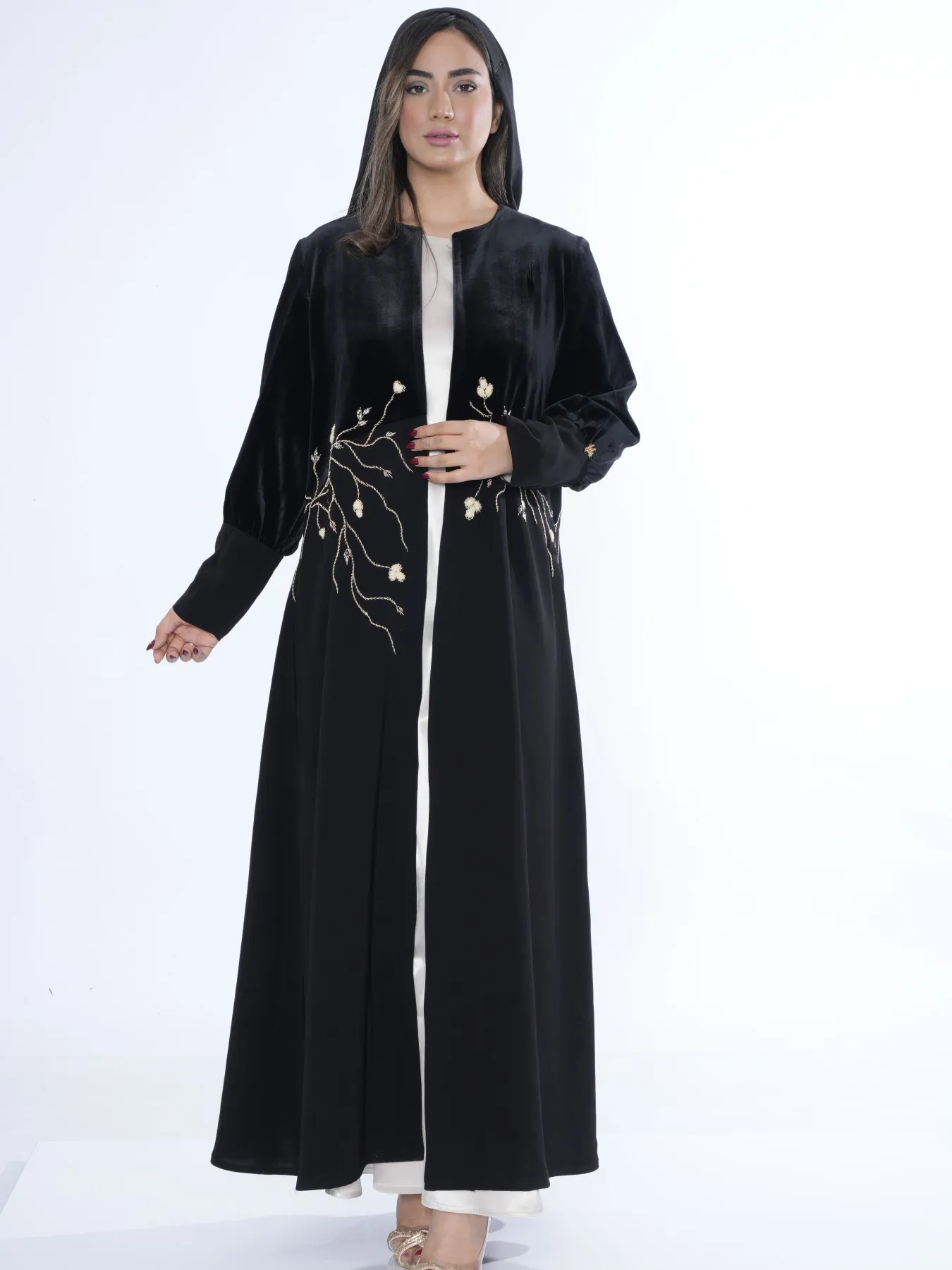
A kimono-style abaya is an open-front design inspired by the broad, flowing construction associated with kimono silhouettes. It usually falls loosely from the shoulders and creates a relaxed outer layer that can be worn over a dress, tunic, trousers, or another modest outfit.
The major advantage of an open abaya is styling flexibility. You can change the inner outfit while keeping the same outer layer, making it particularly practical for wardrobes that need versatility. Depending on the fabric and sleeve design, a kimono abaya can look casual, minimalist, formal, or highly decorative.
An open-front design can also be useful when you want to control how much of the inner outfit is visible. A simple crepe or Nida version can work for everyday wear, while an embroidered or embellished version can become an elegant occasion piece.
For women looking for this type of versatile silhouette, Maraya’s open abaya collection provides examples of open-front designs that can be styled as flexible modest outer layers.
Closed (Overhead) Abaya
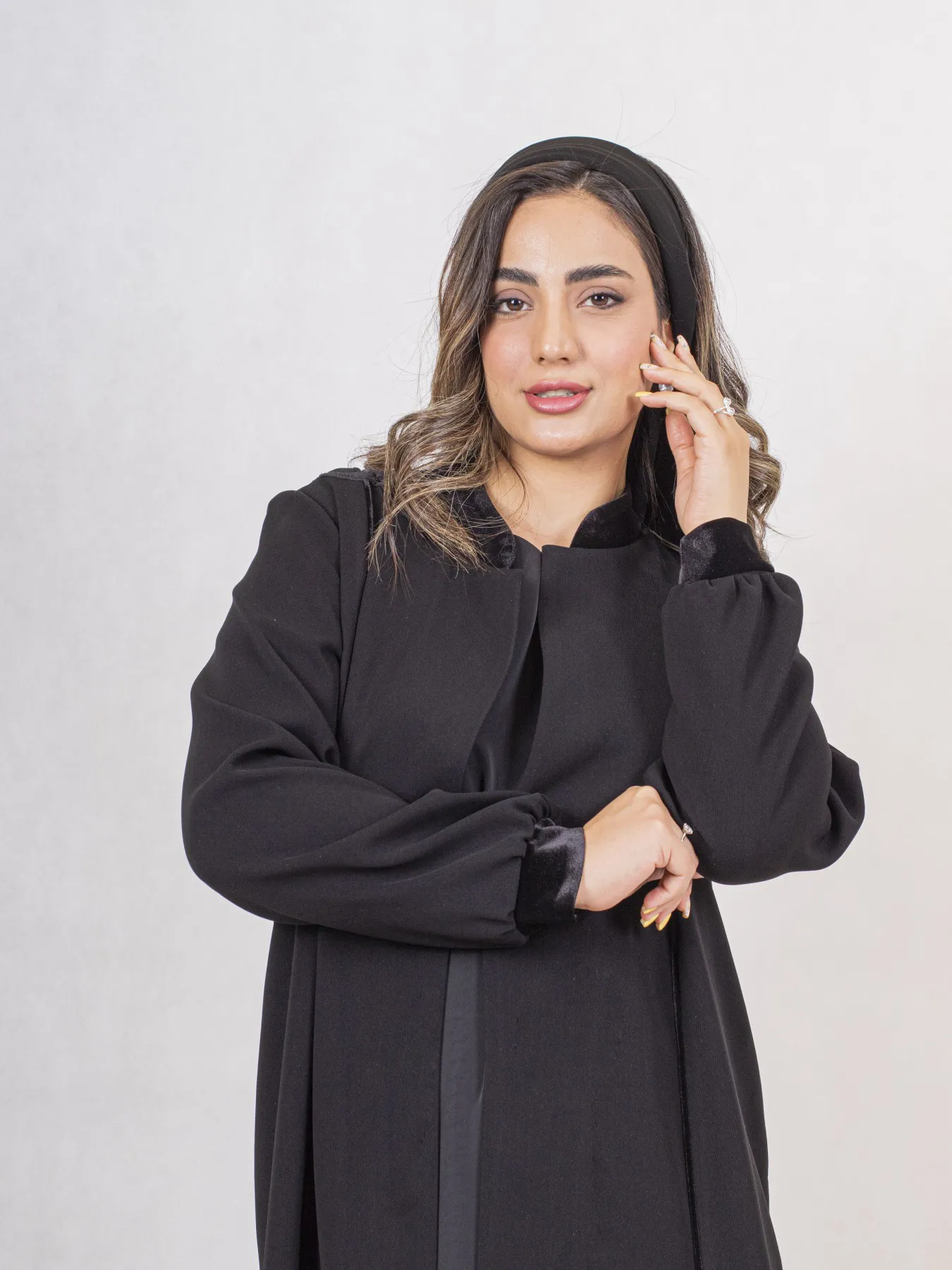
A closed abaya, also called an overhead or pullover abaya, is designed to be worn without a fully opening front. Instead of functioning primarily as an outer layer, it creates a more continuous silhouette around the body.
This design can appeal to women who prefer straightforward coverage and a clean, uninterrupted appearance. A closed abaya can also be practical when you want fewer visible layers or do not want to adjust an open front throughout the day.
Closed abayas are available in many cuts, including straight, A-line, flared, butterfly, and kaftan-inspired silhouettes. Therefore, “closed” describes the construction of the front rather than one specific shape. Two closed abayas can look completely different depending on the cut, sleeve, fabric, and detailing.
Butterfly/Farasha Abaya
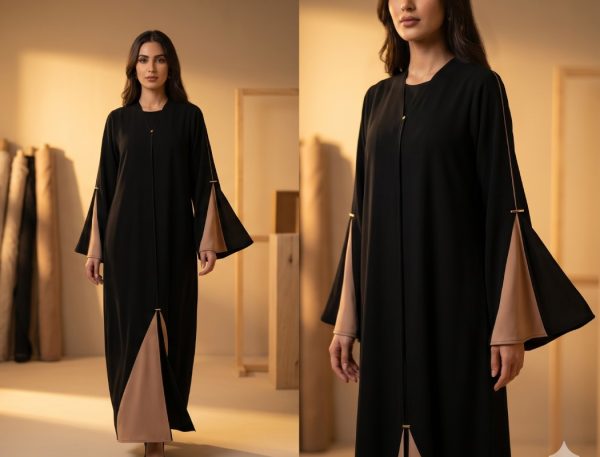
The Butterfly or Farasha abaya is recognized by its wide, flowing silhouette. Instead of closely following the body’s natural shape, the fabric extends outward from the shoulders and creates a soft, wing-like effect as the wearer moves.
The Farasha style is especially associated with fluidity and generous coverage. It can be comfortable for women who prefer loose garments and can work well for casual, formal, and festive styling depending on the fabric.
Because of its volume, fabric choice matters. Lightweight Nida, chiffon layers, georgette, or flowing crepe can create movement without making the garment unnecessarily heavy. Embroidery, beadwork, and contrasting trims can also transform a simple butterfly abaya into a formal design.
Coat-Style Abaya
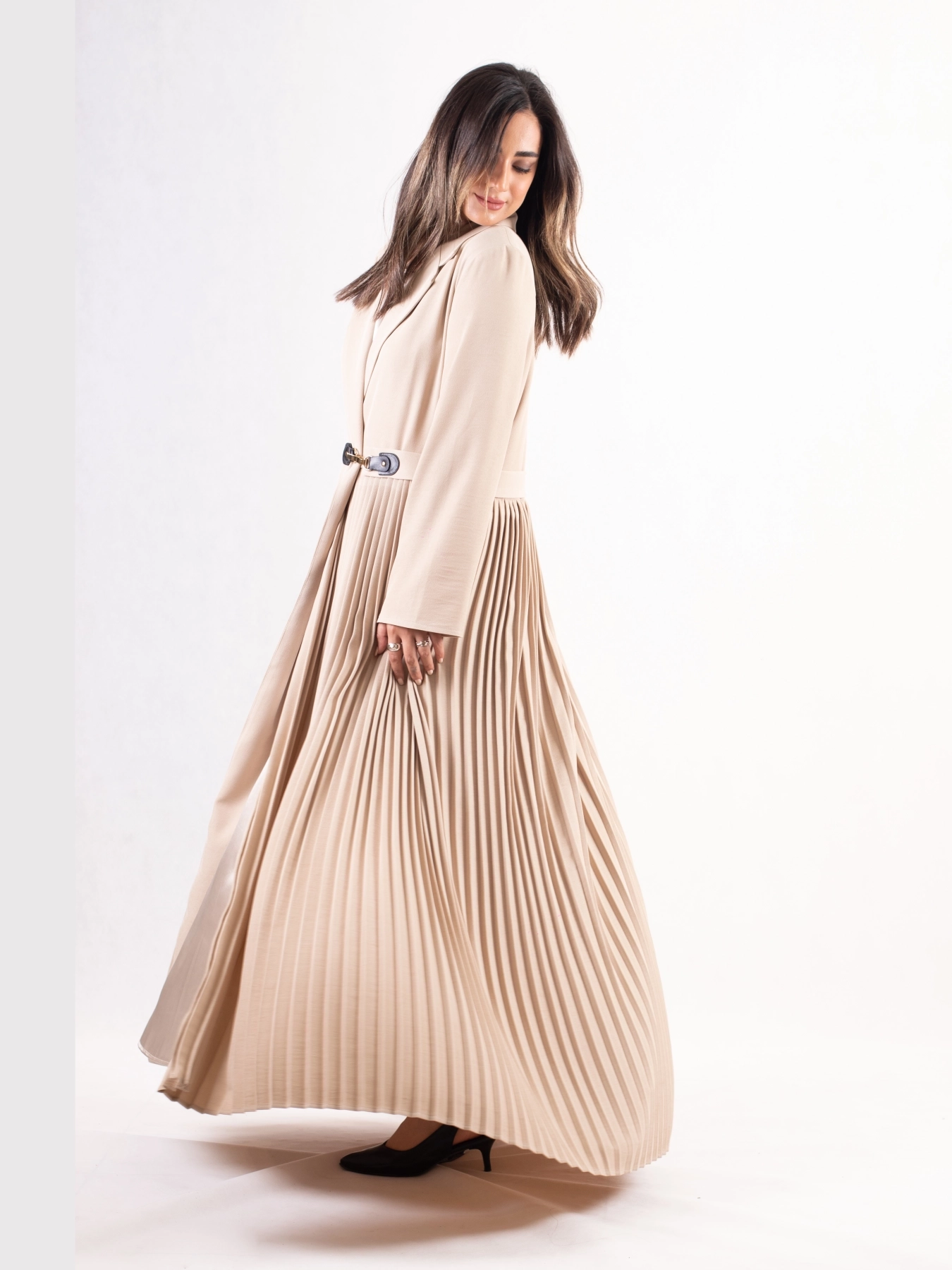
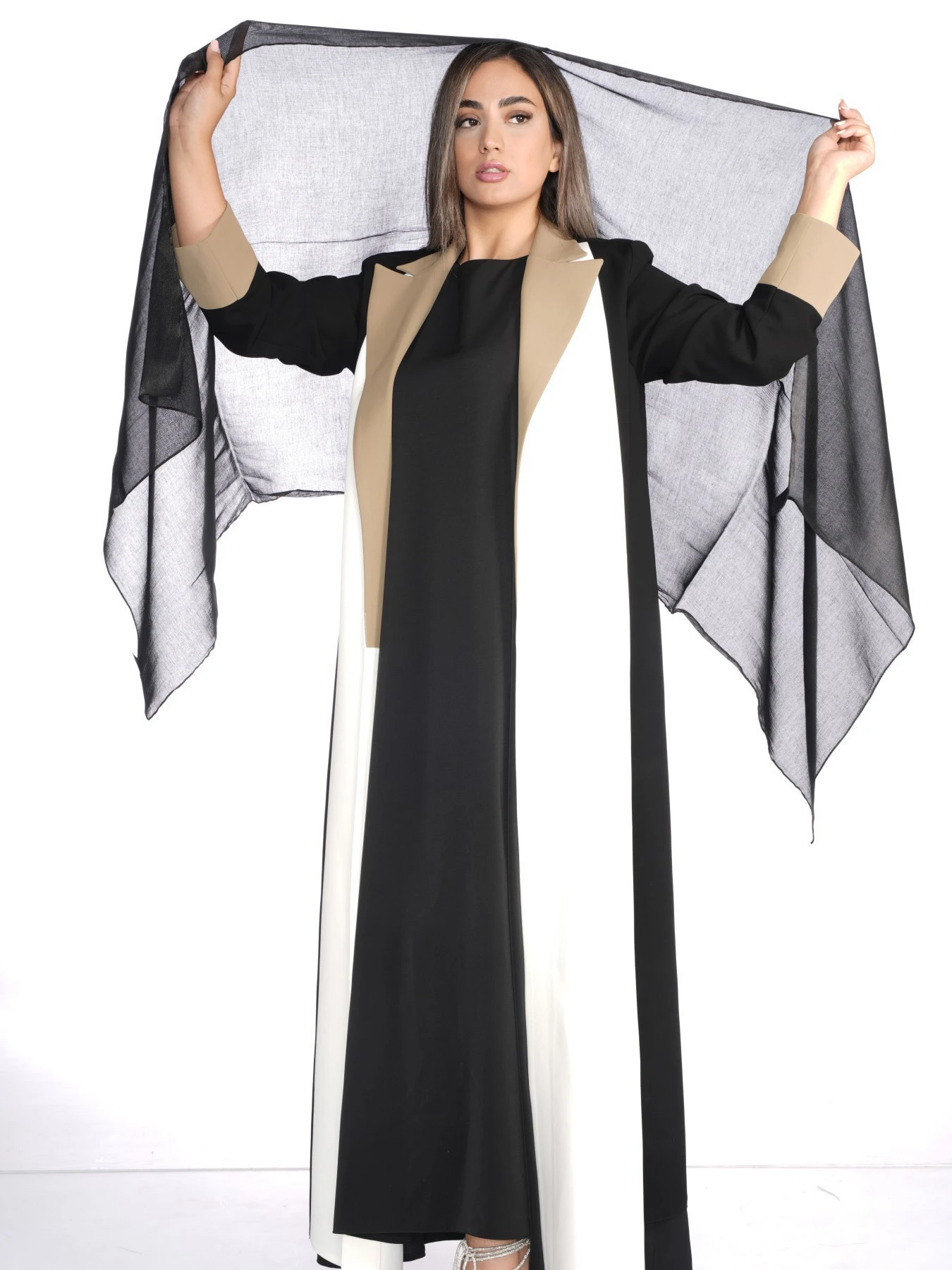
A coat-style abaya combines the modest coverage of an abaya with some of the visual structure associated with a long coat. It may feature a defined front opening, lapel-inspired details, buttons, a belt, structured shoulders, or tailored seams.
This style is particularly useful for work, travel, and cooler climates because it can create a more structured silhouette. A coat abaya can also be easier to coordinate with professional clothing when compared with very wide or heavily flowing silhouettes.
Neutral colors such as black, charcoal, beige, taupe, navy, and brown can make coat-style abayas particularly versatile. The final appearance depends heavily on fabric weight and tailoring.
Reversible Abaya (Two-in-One)
A reversible abaya is designed to be worn on both sides, effectively creating two styling options in one garment. The two sides may use contrasting colors, different prints, or subtle variations in finish.
This can be useful for travel and capsule wardrobes because one garment can create multiple looks. It is also an interesting choice for women who prefer practical fashion without sacrificing variety.
When purchasing a reversible abaya, pay attention to the finishing on both sides. Seams, labels, closures, pockets, and decorative details should be designed to work with the garment’s two-way construction.
Traditional Abaya Cuts and Designs
Not all types of abaya are defined by how the garment opens. Some names describe the shape of the garment from the shoulders to the hem. These traditional cuts can significantly influence how an abaya moves and how much volume it creates.
Understanding these cuts is particularly helpful when shopping online because a product may be described using a silhouette name rather than simply “open” or “closed.”
Straight and A-Line Abayas
A straight-cut abaya follows a relatively consistent vertical line from the upper body toward the hem. It usually creates a clean and understated silhouette and can be particularly suitable for work, everyday wear, and minimalist wardrobes.
An A-line abaya gradually widens toward the bottom, creating the shape of the letter A. This provides more movement around the legs while maintaining a relatively controlled upper silhouette.
A-line designs can work across different body proportions because they provide additional room around the lower body without requiring excessive volume throughout the garment. For petite women, a moderate A-line can provide movement without overwhelming the frame, while a longer, wider version can also work well for taller wearers.
Flared (Cloche) and Mermaid Abayas
A flared or cloche abaya becomes wider toward the lower part of the garment, creating more dramatic movement than a traditional straight cut. The amount of flare can range from subtle to very generous.
A mermaid abaya is more fitted through part of the silhouette before widening closer to the hem. This creates a distinctive shape and is generally more fashion-focused than a simple straight abaya.
These styles are particularly suitable when movement and silhouette are central to the design. However, the degree of flare should be considered in relation to height, footwear, fabric weight, and the level of volume you prefer.
Umbrella/Circle Cut Abaya
An umbrella-cut or circle-cut abaya is constructed from a generous circular or semi-circular shape, creating substantial volume as the fabric falls from the upper body. The result is a highly flowing silhouette that moves noticeably while walking.
This style can provide generous coverage and a dramatic appearance without relying on body-hugging construction. It can be particularly effective in lightweight fabrics because the fabric can move freely rather than appearing overly heavy.
For formal or festive occasions, an umbrella cut can be paired with embroidery, pleats, embellished cuffs, or statement sleeves. For everyday use, a simpler fabric and minimal detailing can make the silhouette more practical.
Kaftan-Style Abaya
A kaftan-style abaya takes inspiration from the loose, flowing construction of traditional kaftans. It generally emphasizes comfort, generous movement, and a relaxed silhouette rather than tailoring close to the body.
Kaftan abayas can feature wide sleeves, decorative necklines, embroidery, belts, or embellished panels. They are often suitable for relaxed gatherings and festive occasions, although a minimalist version can also be worn casually.
The kaftan silhouette also demonstrates how modest fashion can incorporate design influences from different cultural traditions while maintaining the essential characteristics of an abaya.
Comparing Abaya Styles
Understanding the different types of abaya styles is easier when you compare them according to practical needs rather than simply appearance. The two most useful comparisons are open versus closed construction and modern structured designs versus more traditional flowing silhouettes.
Open vs Closed Abayas: Layering vs Coverage
The main difference between an open and closed abaya is how the front of the garment is constructed. An open abaya works primarily as an outer layer, allowing the wearer to coordinate different inner garments. A closed abaya provides a more continuous outer silhouette and can offer a straightforward approach to coverage.
Choose an open style when layering flexibility is important. It can be worn over a long dress, modest trousers and a tunic, or another coordinated outfit. Choose a closed design when you prefer a simpler appearance with fewer visible layers.
Neither construction is automatically better. The right option depends on your wardrobe, styling preferences, climate, and the level of coverage you want.
Modern (Coat/Kimono) vs Classic (Kloosh/Bisht) Designs
Modern abaya designs often borrow elements from contemporary tailoring. Coat abayas can feature structured seams and closures, while kimono styles emphasize wide sleeves and relaxed movement.
Classic silhouettes such as kloosh and bisht abayas are associated with more traditional flowing forms. A kloosh abaya generally uses a wide, circular or flared construction, while a bisht-inspired design is known for a loose outer silhouette and traditional visual character.
These categories are not completely fixed. Contemporary designers often combine traditional silhouettes with modern fabrics, embroidery, belts, cuffs, and minimalist details. This creates styles that respect the visual language of classic modest clothing while fitting modern wardrobes.
For readers interested in timeless silhouettes and more classic interpretations, Maraya’s classic abaya collection offers another useful reference point when comparing traditional and contemporary designs.
Choosing an Abaya for Different Occasions
The best way to choose among the many types of abaya names is to begin with the occasion. An abaya for commuting to work does not need the same construction as one selected for a wedding or Eid celebration.
The following categories can help narrow your options without limiting your personal style.
Casual & Everyday Abayas (Jersey, Cotton Blends)
Everyday abayas should prioritize comfort, movement, easy care, and versatility. Jersey can provide flexibility and a soft feel, while cotton blends may work well when breathability and casual comfort are priorities.
For regular use, simple straight, A-line, kimono, or practical closed abayas are often easier to style repeatedly. Neutral colors can increase versatility, while subtle embroidery or texture can prevent the garment from looking overly basic.
For everyday wardrobe inspiration, you can explore Maraya’s everyday abaya collection to see how practical silhouettes can be incorporated into regular modest dressing.
Work & Office Abayas (Structured, Neutral Tones)
Work and office abayas usually benefit from controlled silhouettes and fabrics that maintain a polished appearance. Straight cuts, A-line styles, and structured coat abayas can work particularly well in professional settings.
Neutral tones such as black, navy, beige, taupe, grey, and brown are easy to coordinate with modest workwear. Details should generally support the overall appearance rather than overpower it.
A coat-style abaya can be especially practical for professional environments because it combines modest coverage with a structured appearance. A simple classic abaya can also work well when paired with understated accessories.
Formal & Wedding Abayas (Embellished, Rich Fabrics)
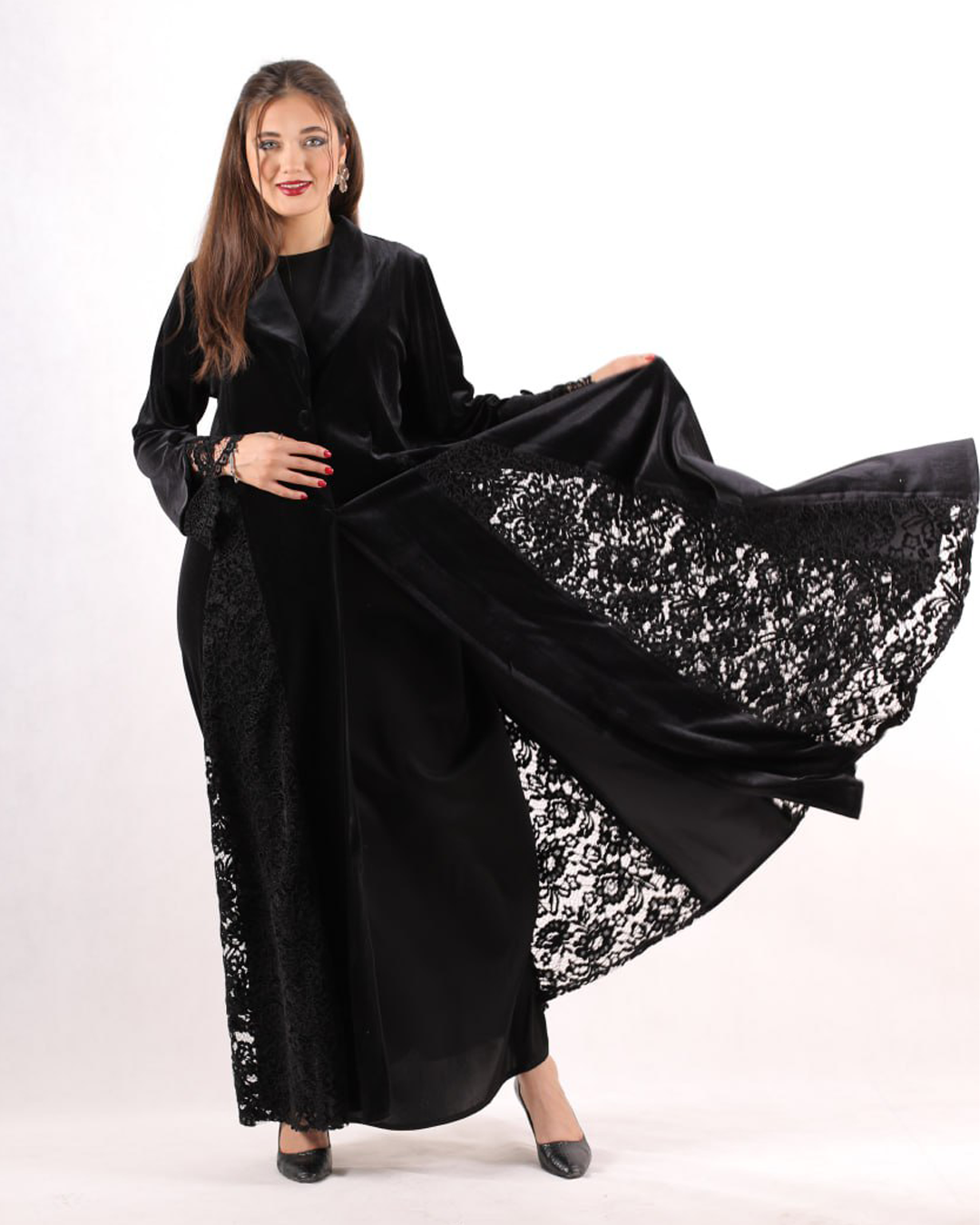
Formal and wedding abayas provide more freedom to experiment with luxurious fabrics and decorative details. Satin, silk, velvet, rich crepe, jacquard, chiffon overlays, embroidery, beads, sequins, and embellished sleeves can all contribute to an occasion-focused appearance.
The key is to balance the fabric and decoration. If the abaya has heavy embroidery, a simple silhouette can keep the overall look elegant. Conversely, a dramatic butterfly, cloche, or kaftan silhouette can be paired with more restrained decoration.
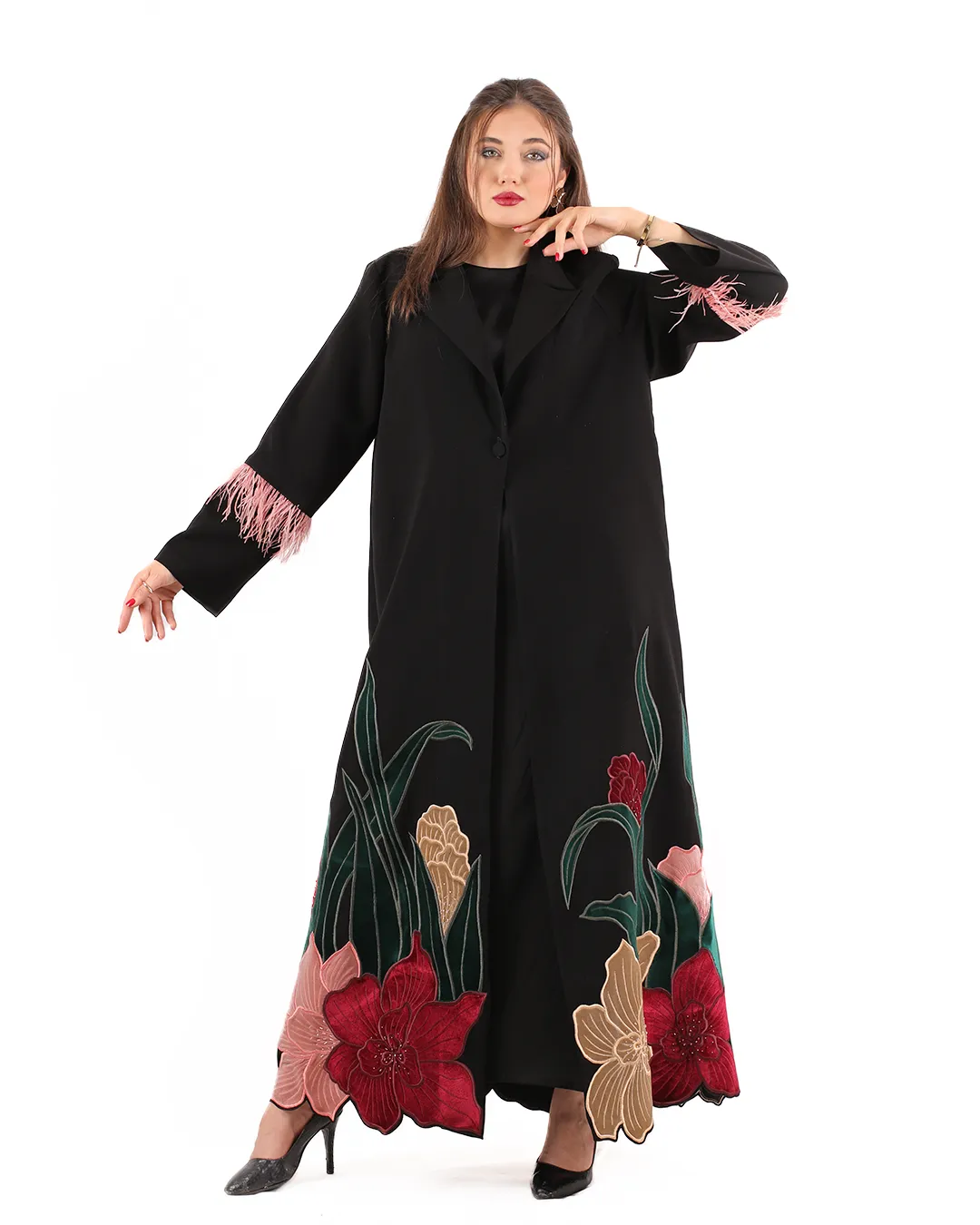
For occasion dressing, Maraya’s embroidered abaya collection provides examples of how embroidery and silhouette can work together in a more decorative wardrobe.
Eid and Festive Abayas (Flowing Silhouettes)
Eid and festive occasions are particularly suitable for flowing silhouettes such as Farasha, umbrella, kaftan, kloosh, and embellished A-line abayas. These styles can create movement and visual interest without requiring a fitted construction.
Festive styling can also incorporate embroidery, textured fabrics, decorative cuffs, statement sleeves, or carefully selected accessories. The final result should still feel comfortable enough for extended family gatherings, visits, meals, and movement throughout the day.
Shopping Guide: Features, Fabrics & Price Points
Once you understand the major abaya styles, the next step is to examine the details that affect comfort and practicality. Two abayas with the same basic cut can feel completely different because of sleeve design, fabric, pockets, closures, lining, and finishing.
Key Design Features: Sleeves, Embroidery, Pockets
Sleeves can significantly change the character of an abaya. Straight sleeves create a clean appearance, while bell and flared sleeves introduce more movement. Wide sleeves can complement butterfly and kaftan silhouettes, whereas structured sleeves can support coat-style designs.
Embroidery and embellishments such as beads, sequins, appliqué, and decorative stitching can turn a simple silhouette into an occasion garment. When choosing heavily decorated styles, check how the embellishment affects weight and comfort.
Pockets are another practical feature that should not be overlooked. Well-positioned pockets can make an abaya more convenient for everyday use, especially when carrying a phone, keys, or small personal items.
Hidden Pockets & Easy-Adjust Sleeves
Hidden pockets can preserve the clean appearance of an abaya while adding useful storage. They are particularly practical in everyday and travel garments where functionality matters.
Easy-adjust sleeves can also improve versatility. Cuffs, buttons, ties, or adjustable constructions can make sleeves easier to manage during daily activities without changing the overall silhouette.
Abaya Fabric Guide: Nida, Chiffon, Crepe, etc.
Fabric affects almost every aspect of an abaya, including drape, opacity, weight, movement, breathability, and maintenance. Nida is often selected for its smooth surface and flowing drape, while crepe can offer a controlled, polished appearance.
Chiffon is lightweight and visually delicate but may require layering because of its transparency. Georgette can provide texture and movement, while jersey offers flexibility. Cotton and linen can be useful in warm-weather wardrobes, while satin and velvet can create a more luxurious appearance for formal occasions.
The most useful approach is to choose the fabric according to the garment’s intended purpose rather than selecting a material solely because it is popular.
Lightweight vs Heavyweight Fabrics
Lightweight fabrics can be particularly useful for warm weather, layering, and flowing silhouettes. They can create beautiful movement but may require more attention to opacity and durability.
Heavyweight fabrics can provide more structure, warmth, and a substantial appearance. They can work well for cooler climates, coat-style abayas, and formal designs, but may feel less comfortable in hot weather.
The ideal weight depends on both climate and construction. A loose lightweight abaya may feel very different from a fitted lightweight garment, just as a structured heavyweight coat abaya will perform differently from a flowing heavyweight design.
Budget vs Designer Abayas (Price, Quality Indicators)
The price of an abaya can reflect many factors, including fabric, construction, embroidery, finishing, craftsmanship, brand positioning, and design complexity. A higher price does not automatically mean that a garment is more suitable for your needs.
When evaluating quality, inspect the stitching, seams, fabric consistency, closures, sleeve construction, embroidery, lining, and finishing. For embellished garments, check that decorative elements are securely attached.
A practical wardrobe may benefit from investing in well-made everyday pieces while reserving more elaborate purchases for occasions where the design will receive regular use. The most valuable abaya is one that performs well for the way you actually live and dress.
Body Shape and Abaya Silhouette
Although modest fashion does not require dressing according to rigid body-shape rules, silhouette can influence how an abaya feels and looks. Women with pear-shaped proportions may prefer A-line or flowing designs that provide balanced movement, while straight cuts can create a clean vertical appearance.
For apple-shaped proportions, relaxed straight, A-line, butterfly, and kaftan silhouettes can provide comfortable room through the midsection. Hourglass figures can choose either flowing or gently structured designs depending on whether they want to emphasize or soften their natural proportions.
Rectangular body shapes can experiment with belts, layered details, pleats, embroidery, and wider silhouettes to introduce visual dimension. Petite women may prefer controlled volume, while taller women can often carry longer or more dramatic silhouettes comfortably.
These are styling options rather than strict rules. The most important consideration is whether the abaya provides the comfort, coverage, and visual balance you personally prefer.
Traditional Modest Clothing and Related Terms
An abaya is part of a broader vocabulary of modest clothing. A hijab generally refers to the head covering worn by many Muslim women, while a jilbab can describe a loose outer garment and may have different forms across cultures and regions.
A niqab refers specifically to a face covering that leaves the eyes visible. A prayer dress is designed to provide convenient coverage during prayer, while a jalabiya is a loose, flowing garment with strong regional and cultural associations.
These garments should not be treated as interchangeable terms. Their construction, cultural use, and styling traditions can differ significantly across the Gulf, Middle East, South Asia, Europe, the UK, the USA, and other modest-fashion markets.
Frequently Asked Questions About Types of Abaya
What are the different types of abaya?
Common types include open-front, closed, kimono, butterfly or Farasha, coat-style, reversible, straight-cut, A-line, flared or cloche, mermaid, umbrella-cut, kaftan, kloosh, bisht, pleated, and embroidered abayas. The names can describe either the construction of the garment or its silhouette.
What is the most popular type of abaya?
Popularity varies by region, season, and personal preference. Open, closed, straight, A-line, butterfly, and coat-style abayas are among the most recognizable categories in modern modest fashion.
What is an open abaya?
An open abaya has a front opening and is generally worn as an outer layer over another modest outfit. It provides flexibility because the same abaya can be styled with different inner garments.
Which abaya style is best for everyday wear?
Straight, A-line, simple closed, practical kimono, and selected coat-style abayas can all work well for everyday wear. The best choice depends on climate, fabric, movement, and how much maintenance you prefer.
Which abaya style is best for weddings?
Formal butterfly, kaftan, cloche, embellished A-line, embroidered, satin, velvet, silk, and richly detailed abayas can work well for weddings. The appropriate choice depends on the formality of the event and personal styling preferences.
Which abaya style is best for work?
Straight, A-line, and structured coat abayas are often practical for professional settings because they can create a polished silhouette without excessive volume. Neutral colors and refined fabrics can make styling easier.
Can abayas be worn for travel?
Yes. Travel-friendly abayas should ideally combine comfort, practical fabric, useful pockets, manageable weight, and relatively simple care requirements. Reversible, coat, straight, and selected open abayas can be especially versatile for travel wardrobes.
Final Thoughts on the Different Types of Abaya
Understanding the types of abaya is ultimately about understanding the relationship between silhouette, coverage, fabric, occasion, and personal style. An open kimono abaya offers layering flexibility, a closed abaya provides a continuous silhouette, a butterfly creates generous movement, and a coat abaya introduces structure. Meanwhile, A-line, kloosh, cloche, umbrella, mermaid, kaftan, and bisht-inspired designs offer different approaches to volume and shape.
There is no universal “best” abaya style. The most suitable choice depends on how you dress, where you live, how you move through your day, and what you expect from the garment. By learning the names and characteristics of different abaya styles, you can shop with greater confidence and choose pieces that are genuinely useful rather than simply attractive.
For more modest-fashion inspiration, styling ideas, and discussions around abaya trends, you can also explore Maraya Mag as a related resource while researching different styles and wardrobe ideas.