Wearing an abaya to work can be both polished and practical when the garment is treated as part of a complete professional wardrobe rather than as a standalone piece. The key is not simply choosing a modest abaya, but selecting the right silhouette, fabric, color, length, and functional details for your workplace and then pairing it with shoes, a hijab, and accessories that create a cohesive look.
A work abaya or office-friendly abaya is an abaya designed or styled for professional environments. It usually has a clean silhouette, restrained detailing, practical movement, and a fabric that can handle a full working day. The exact standard varies between workplaces, industries, and countries, so the goal is not to define one universal version of professional modesty, but to build a system that works within your own dress code.
Whether you work in a corporate office, a creative agency, education, customer-facing services, or another professional setting, the same principle helps: start with the workplace, then build the outfit around it.
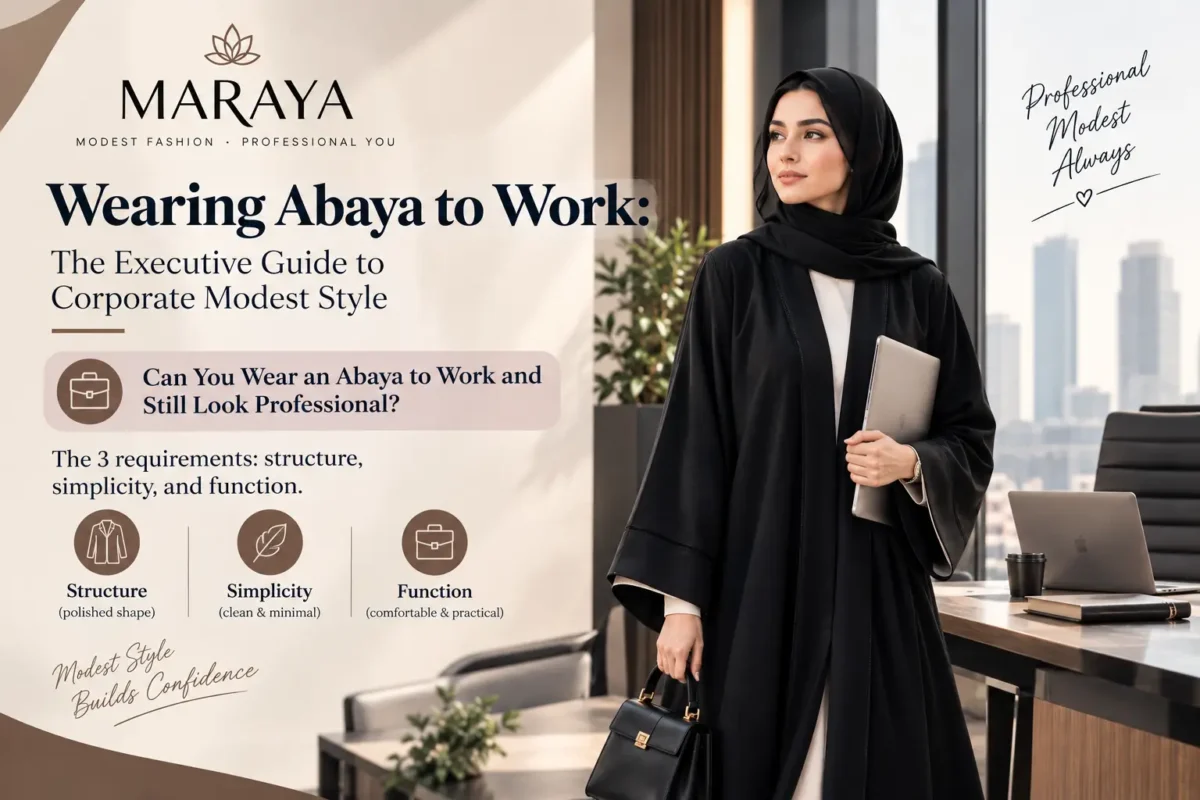
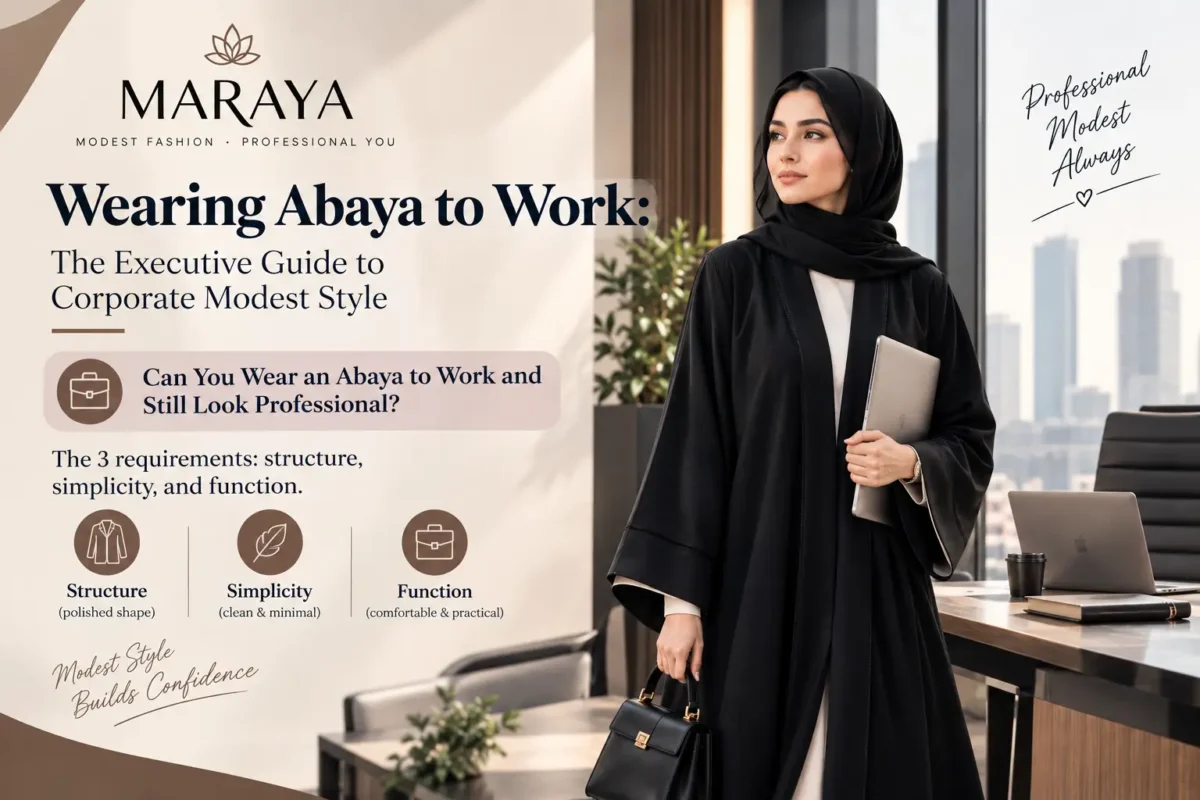
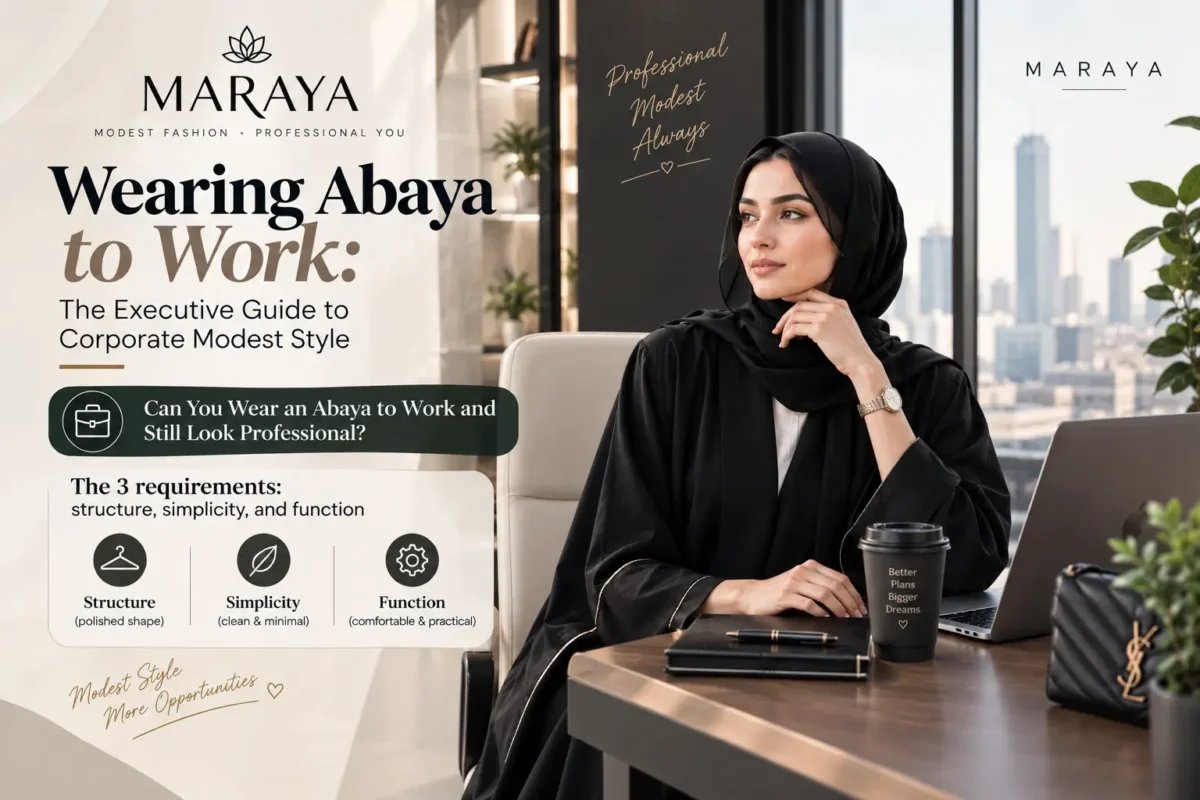
Can You Wear an Abaya to Work and Still Look Professional?
Yes. An abaya can function as professional workwear when its proportions, fabric, styling, and level of detail align with the environment. In a conservative corporate office, that may mean a closed abaya in a dark neutral with minimal embellishment; in a creative workplace, an open abaya layered over tailored separates may offer more flexibility.
Professional appearance usually comes from visual consistency rather than from wearing a particular type of garment. A clean shoulder line, controlled volume, wrinkle-resistant fabric, simple accessories, and polished footwear can make an abaya feel intentional and office-ready.
The 3 Requirements: Structure, Simplicity, and Function
Think of professional abaya styling through three filters: structure, simplicity, and function. Structure gives the outfit definition, simplicity prevents it from looking overly occasion-focused, and function ensures that you can actually work, commute, sit, walk, and carry what you need comfortably.
A structured silhouette does not have to mean a stiff abaya. It can come from a defined shoulder, straight fall, controlled A-line shape, tailored front, or substantial fabric. Simplicity usually means restrained embellishment and a coordinated color palette. Function includes practical sleeves, usable pockets, appropriate length, and closures that make sense for your working day.
The 1-Minute Checklist Before You Leave the House
Before leaving for work, take one minute to look at the outfit as a complete system rather than checking individual pieces separately. This quick test catches most styling problems before you leave home.
- Is the abaya clean, wrinkle-free, and appropriate for your workplace?
- Can you walk, sit, reach, and commute comfortably?
- Are your shoes and bag polished enough for the setting?
- Is your hijab secure and neat without requiring constant adjustment?
- Is there one accessory too many?
If the answer to these questions is yes, you are usually dealing with a functional professional outfit, not simply a modest outfit.
What Makes an Abaya “Office-Friendly” (Not Just Modest)?
Modesty and professionalism overlap, but they are not identical concepts. An abaya can provide full coverage while still looking too casual, too embellished, too relaxed, or impractical for a particular office. An office-friendly abaya considers the visual language of workwear as well as coverage.
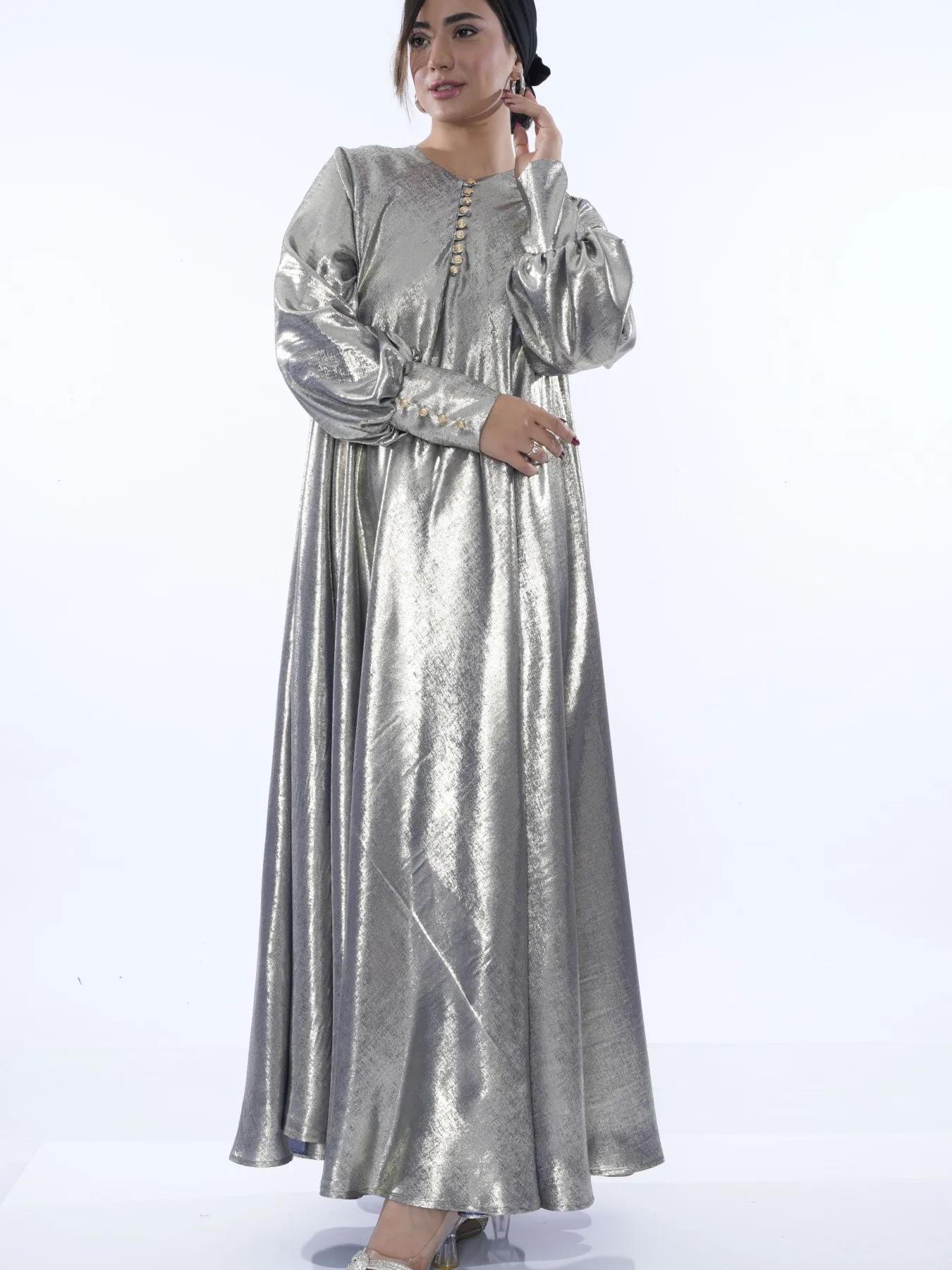
For example, a minimalist black abaya with a defined silhouette can read as corporate, while an equally modest abaya with heavy crystal detailing and dramatic sleeves may feel more appropriate for an evening event. Neither is inherently better; they simply communicate different purposes.
Workwear Signals: Clean Silhouette, Neutral Palette, Minimal Detailing
Three visual signals consistently help an abaya transition into professional styling: a clean silhouette, a controlled color palette, and minimal detailing. Straight and softly A-line cuts tend to be easy to integrate into work wardrobes because they create a predictable shape without excessive volume.
Neutral colors such as black, charcoal, navy, taupe, stone, beige, cream, and muted brown can also make outfit planning easier. This does not mean workwear has to be colorless. Deep green, muted burgundy, dusty blue, and other understated shades can work when they fit the office environment.
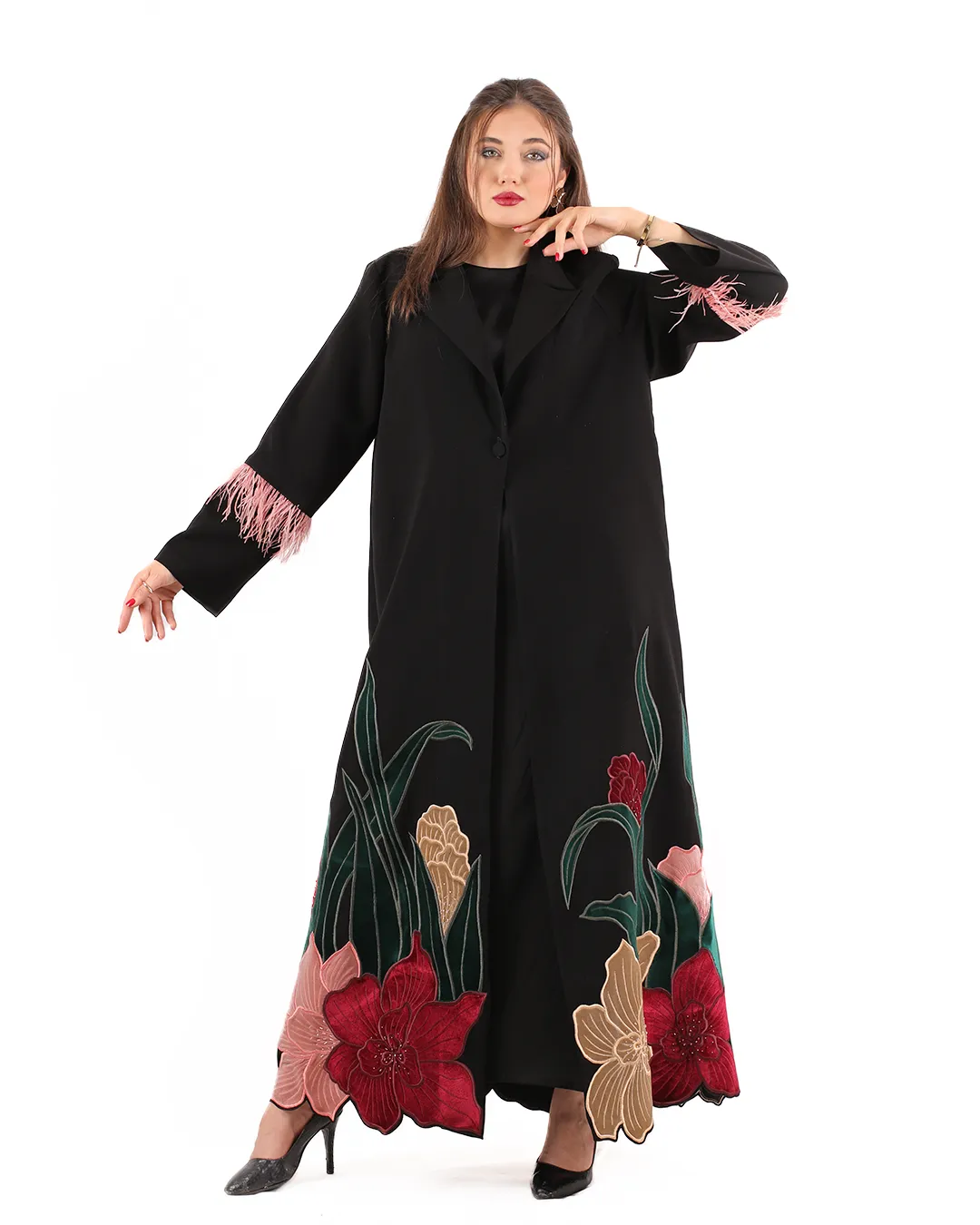
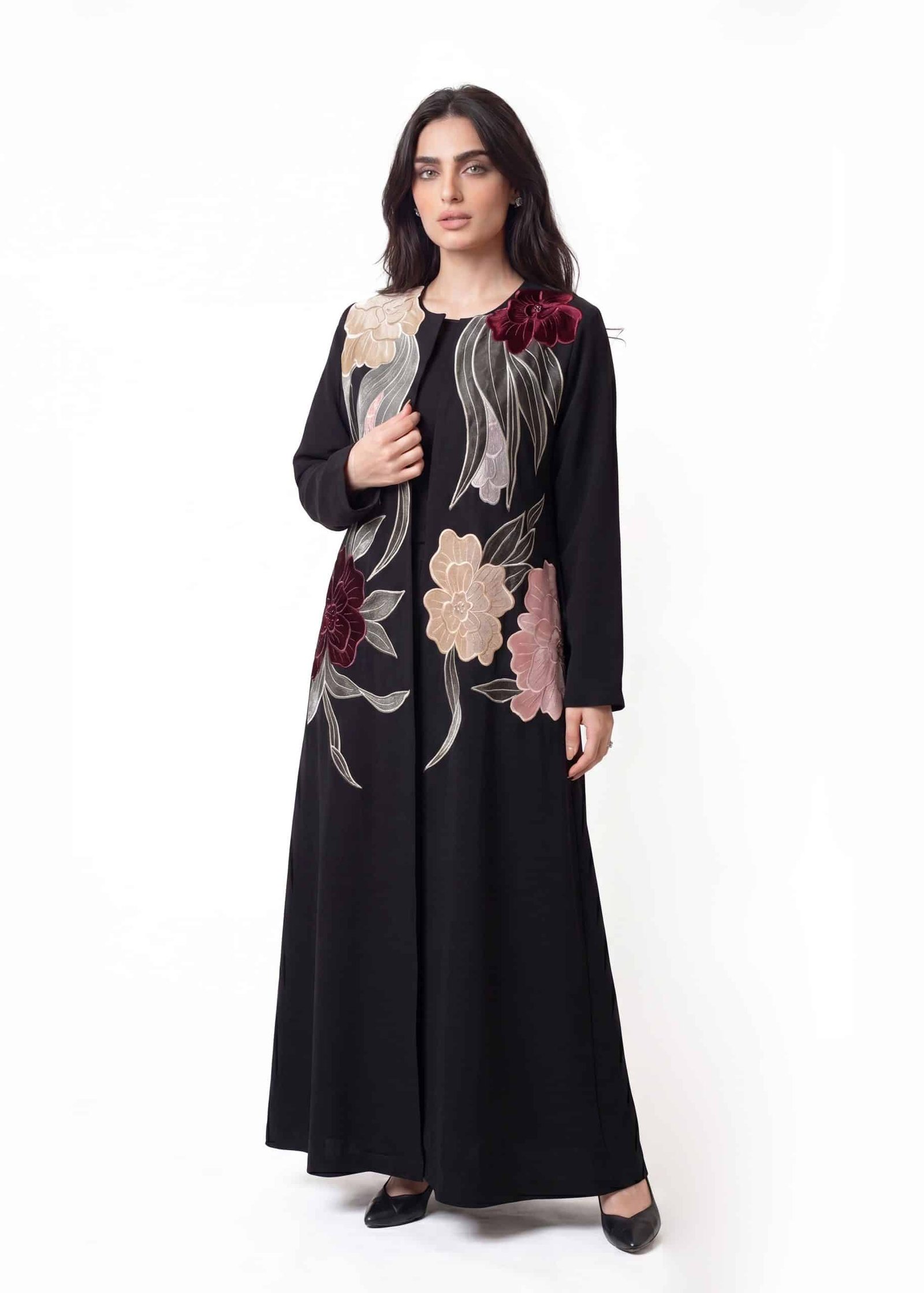
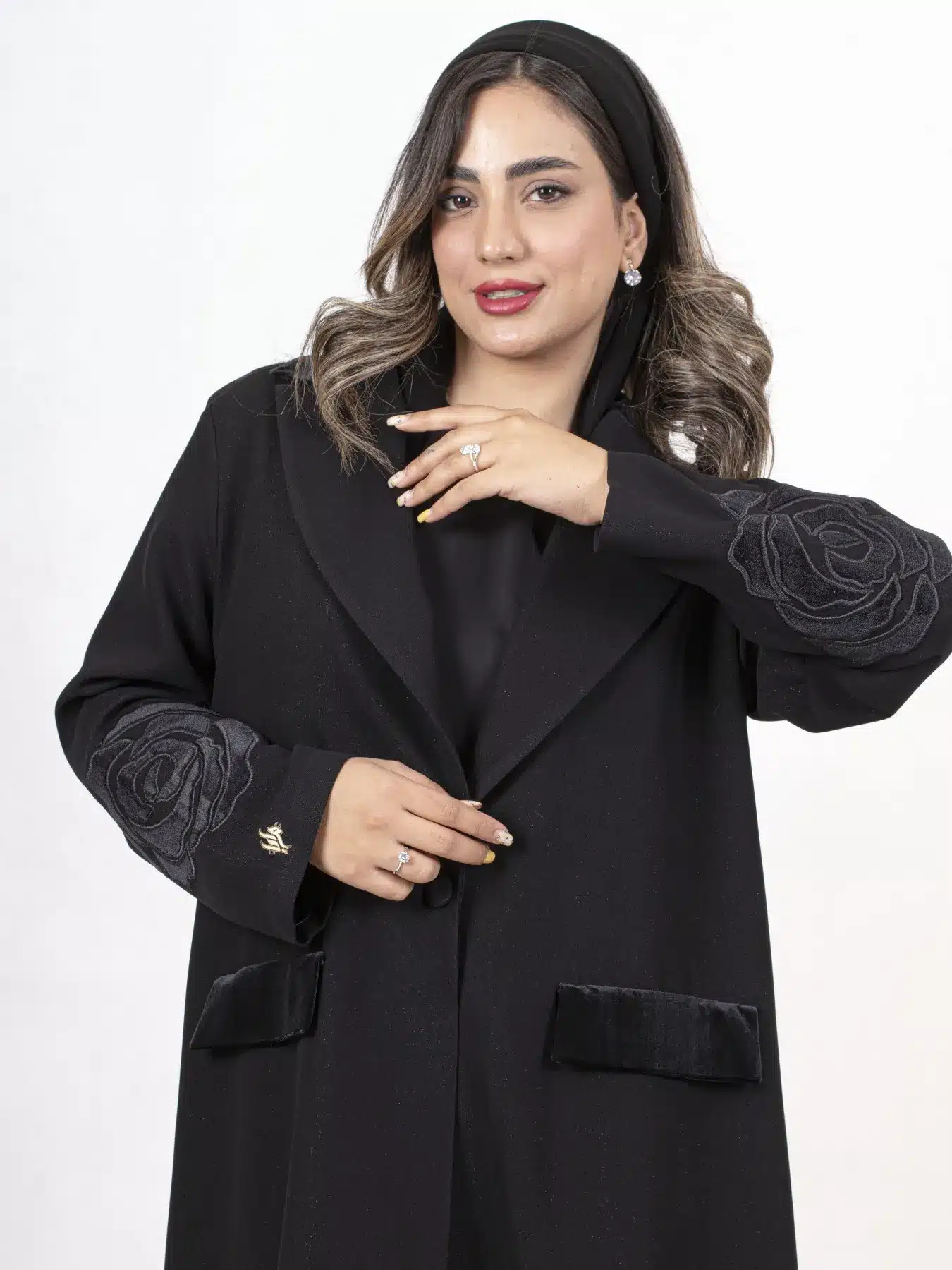
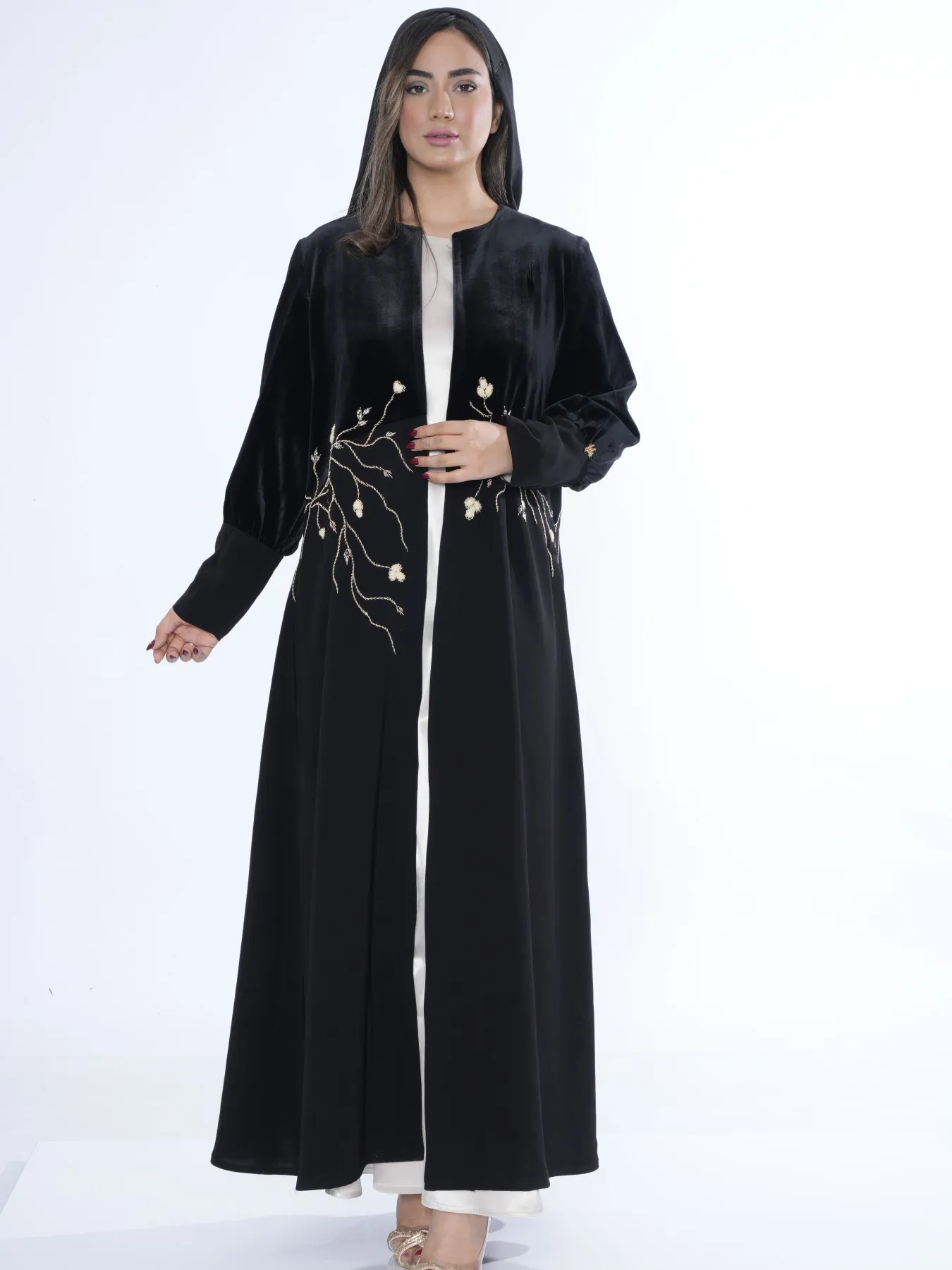
Minimal detailing is especially useful when you want one abaya to work across multiple situations. If the garment has embroidery, contrast panels, or decorative trims, let that feature remain the focal point rather than competing with it through equally dramatic accessories. For days when you want something more decorative, you can reserve an embroidered abaya for workplaces where that level of detail feels appropriate.
Function Signals: Pockets, Closures, Sleeves You Can Work In
An abaya may look perfect in a photograph and become frustrating after two hours at a desk. Functional details matter, especially when the garment is part of your everyday work wardrobe.
Pockets are useful for small essentials, while practical closures can make an open or closed design easier to manage throughout the day. Sleeves should allow natural movement without constantly catching on a desk, keyboard, handbag, or coat.
The same principle applies to length. A floor-skimming abaya may look elegant but can become inconvenient during a commute, on stairs, or when moving between meetings. Professional style works best when elegance does not interfere with movement.
Open vs Closed Abaya for Work: Which One Fits Your Office Better?
The choice between an open and closed abaya often comes down to dress code, layering preferences, and the amount of structure you want. An open abaya provides more opportunities to build an outfit underneath, while a closed abaya creates a more unified silhouette with fewer styling decisions.
| Workplace situation | Open abaya | Closed abaya |
| Strict corporate office | Usually requires careful layering | Often easier to keep conservative |
| Creative office | Highly versatile | Works with minimalist styling |
| Client meetings | Polished with tailored layers | Clean and streamlined |
| Everyday desk work | Easy to vary with inner pieces | Simple and efficient |
| Formal conservative setting | Depends on workplace policy | Often the simpler option |
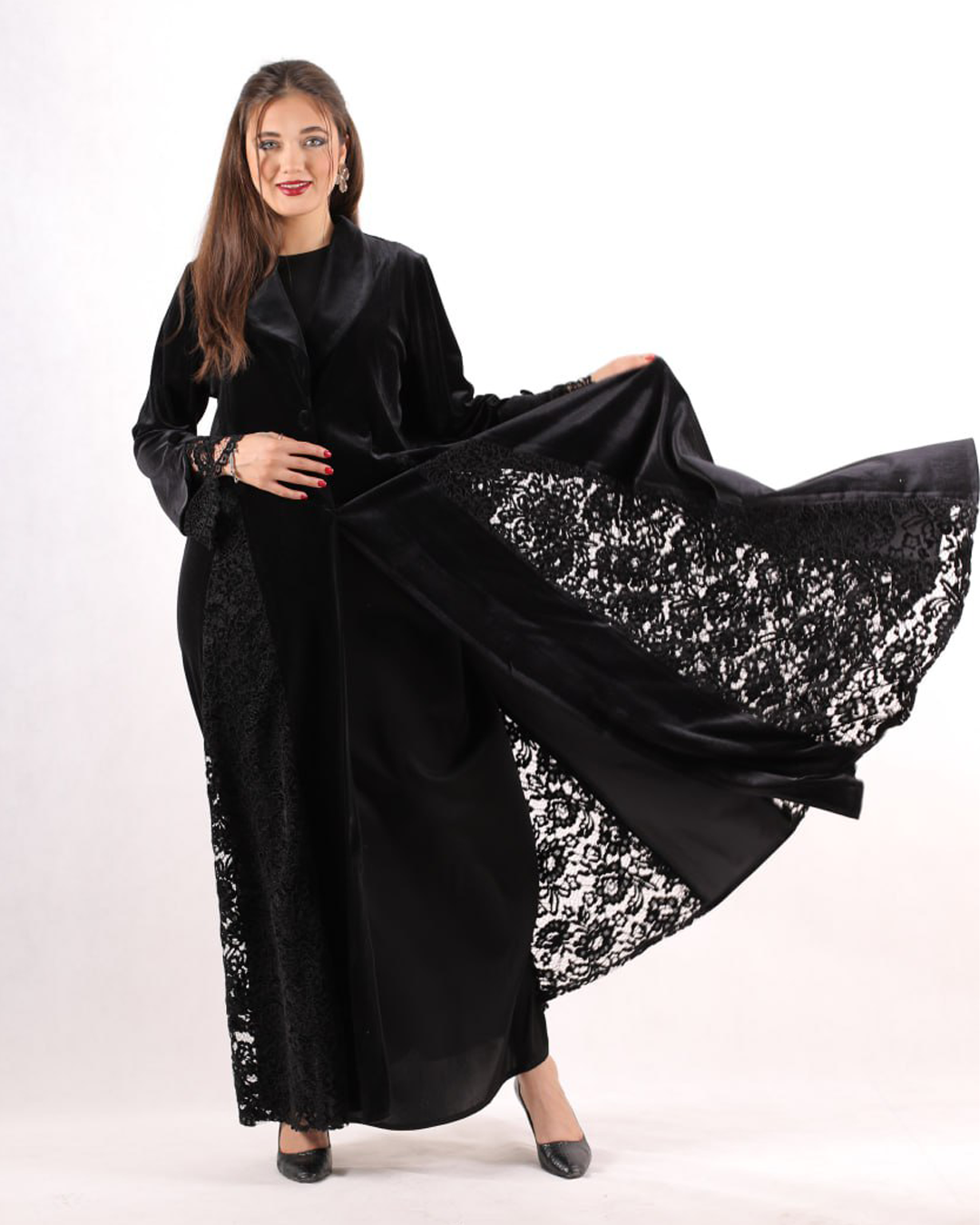
When Open Abayas Look Polished: Layering With Tailored Separates
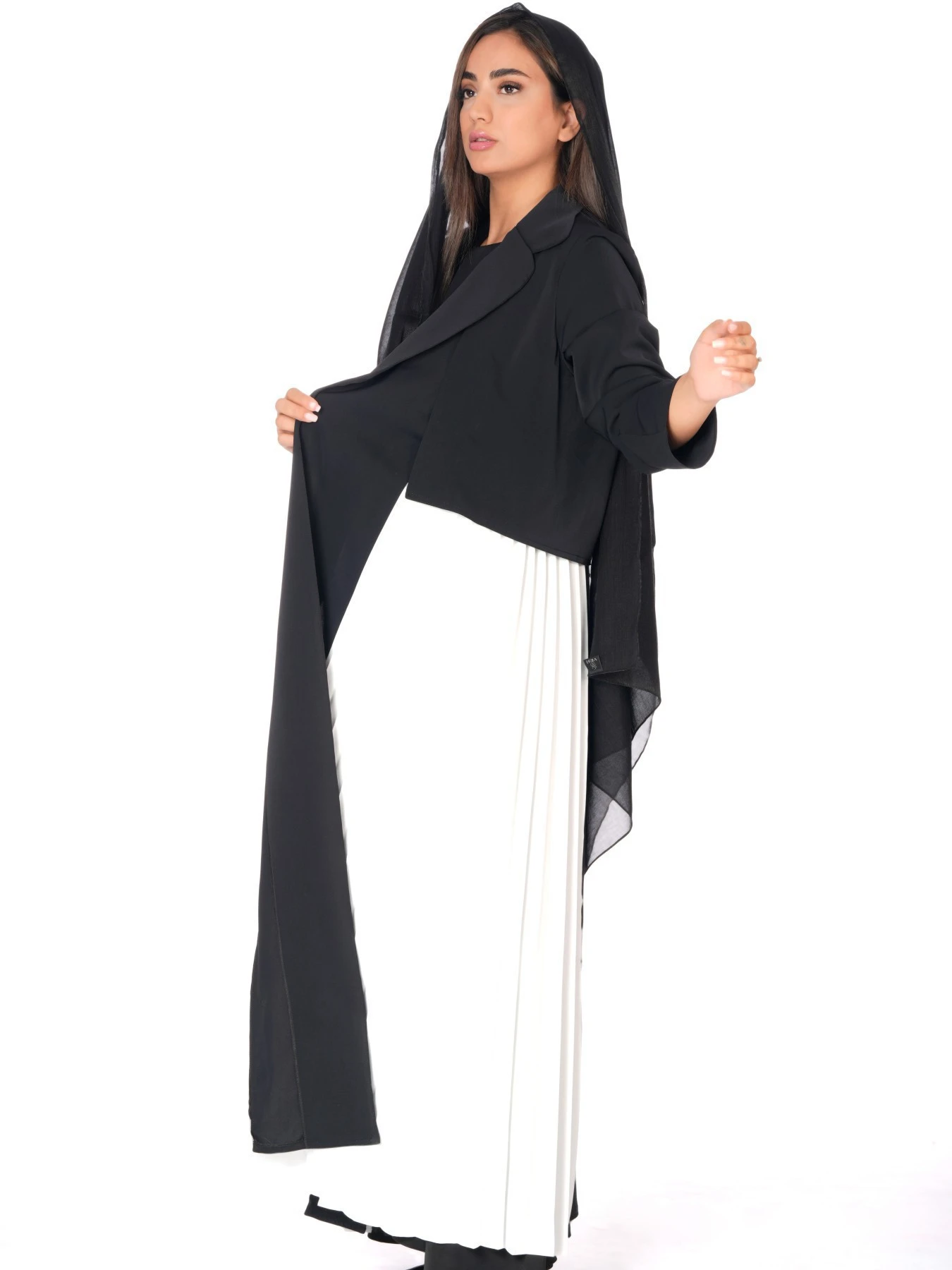
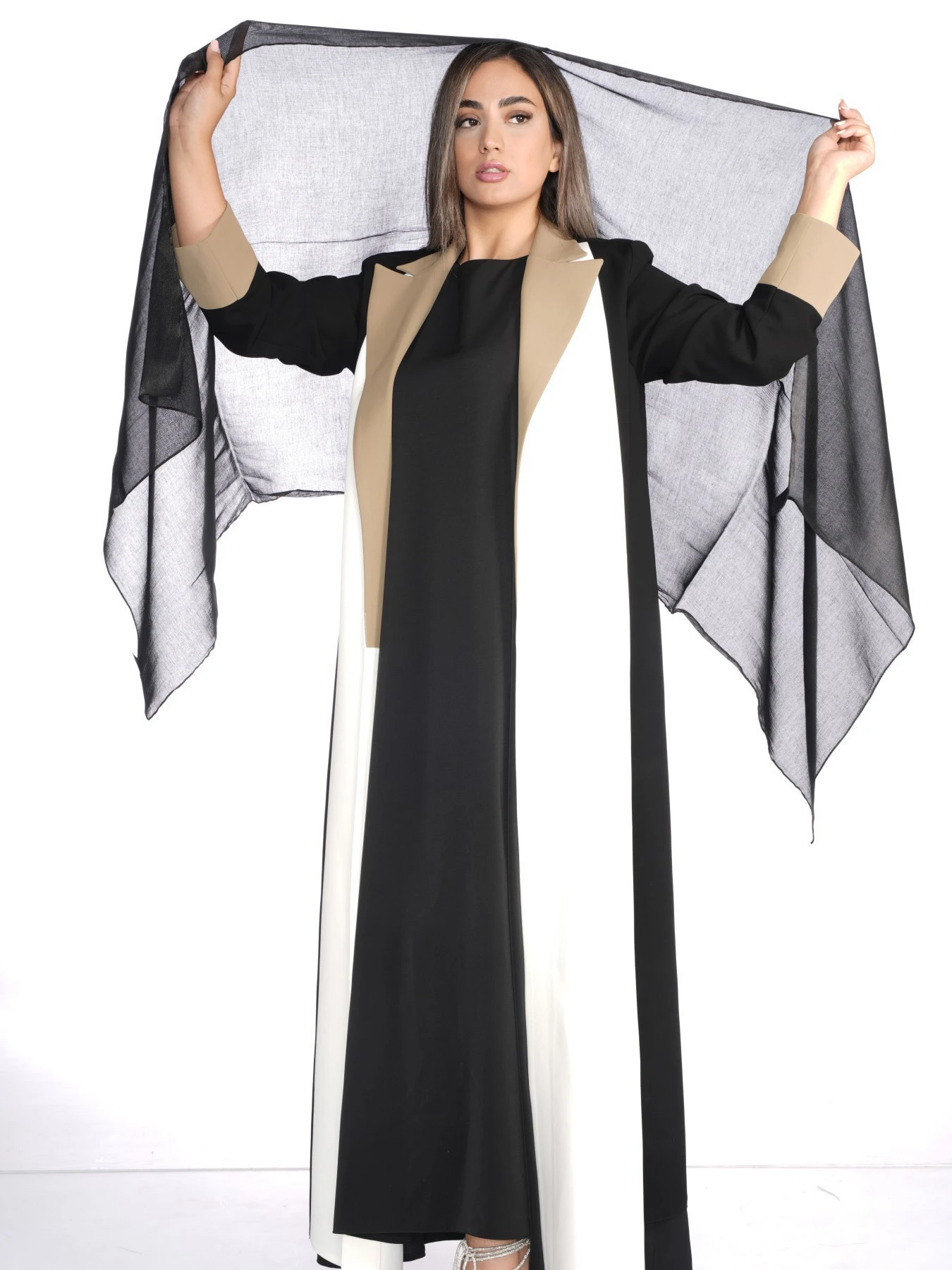
An open abaya works particularly well when the layers underneath are structured and intentional. Instead of treating it as a loose outer layer, combine it with wide-leg trousers, a tailored blouse, a clean inner dress, or a structured top.
The easiest way to make an open abaya look professional is to control the pieces underneath. If the abaya is flowing, the inner outfit can provide definition. If the inner outfit is loose, choose an abaya with more structure to prevent the overall silhouette from becoming visually overwhelming.
For a modern office, a simple open abaya can also become the most versatile piece in your wardrobe. Maraya’s open abaya collection can be a useful starting point when exploring this style of layering.
When Closed Abayas Look More Corporate: Minimal, Clean Neckline
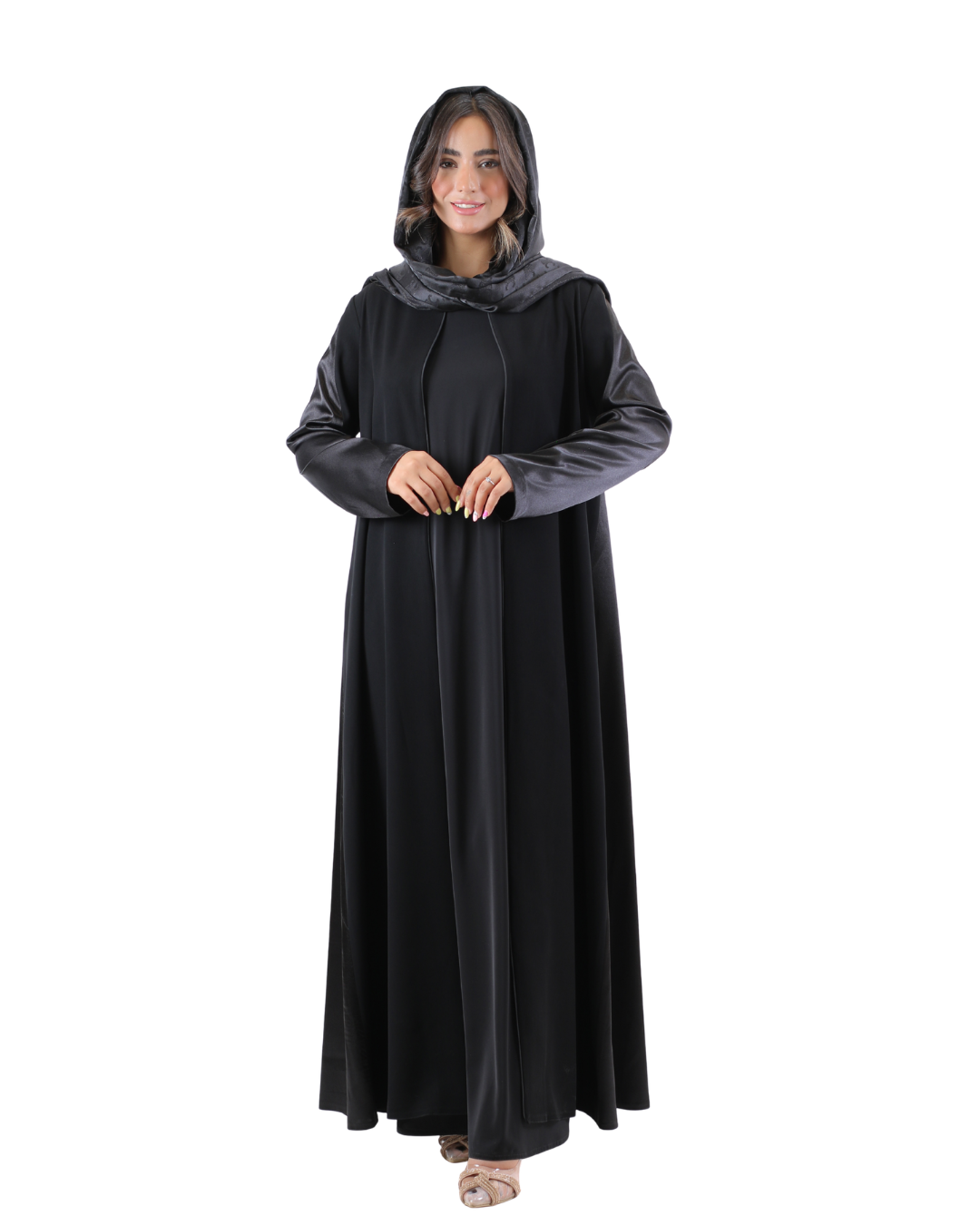
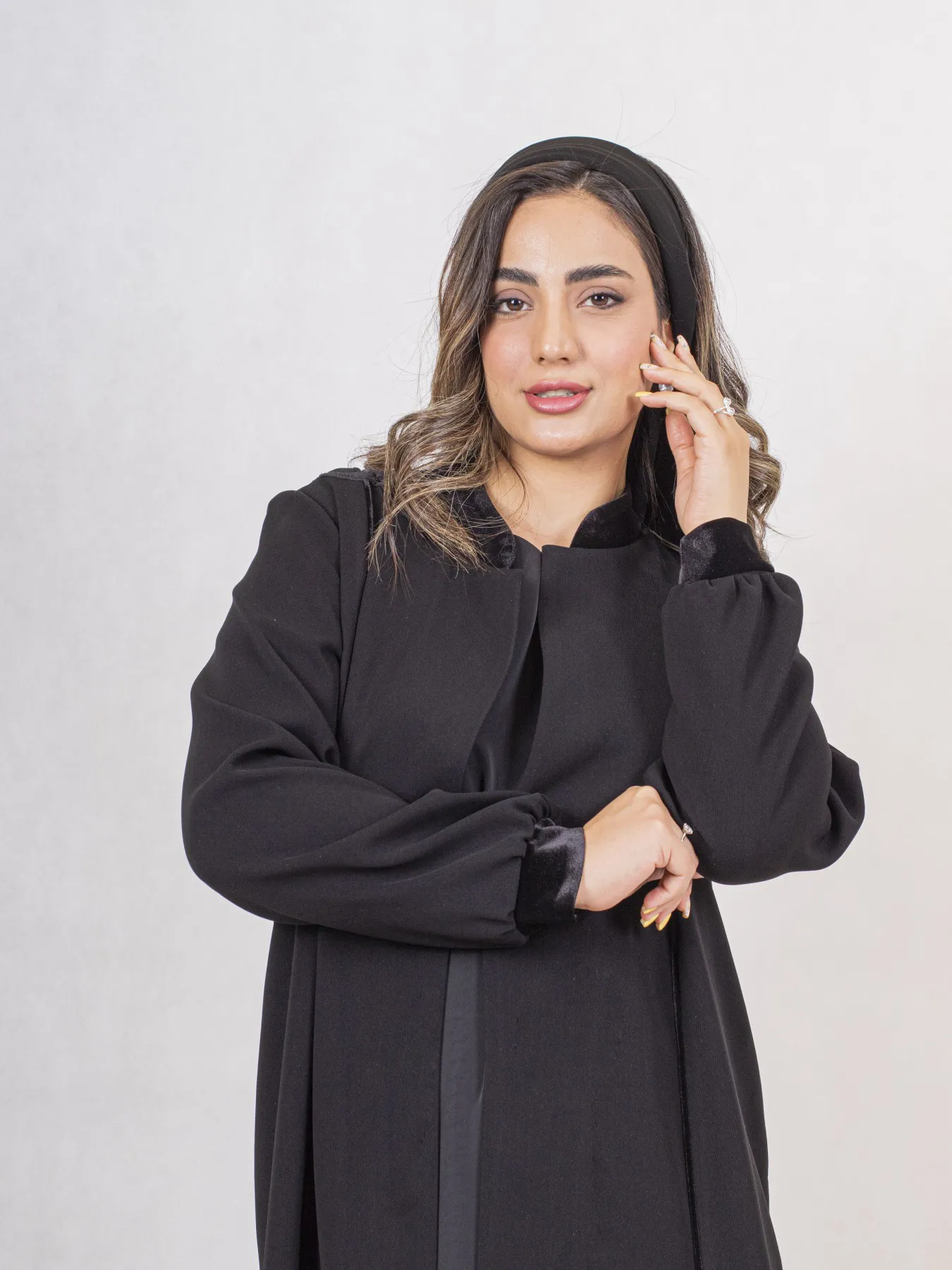
Closed abayas can create a particularly streamlined appearance because there are fewer visible layers and fewer competing elements. A clean neckline, controlled sleeve, simple front, and dark or muted color can create an understated professional work abaya look.
This is especially useful when your workplace has a conservative dress code or when you have a day filled with meetings. You can keep the abaya simple and introduce personality through a watch, structured bag, subtle jewelry, or a refined hijab color.
If Your Office Is Strict: The “No-Drama” Option
If your workplace is particularly formal, start with the least complicated version of the outfit. Choose a closed abaya with a clean neckline, restrained detailing, practical length, closed-toe shoes, and a structured bag.
The objective is not to make the outfit boring. It is to eliminate elements that might distract from the professional context. Once you understand your workplace’s expectations, you can gradually introduce different colors, textures, or layering options.
Choose the Perfect Abaya for Work: The Stylist’s Decision Framework
Choosing an abaya for work becomes much easier when you stop asking, “Which abaya is prettiest?” and instead ask, “Which abaya solves my workwear needs?” Consider your dress code, climate, schedule, commute, workplace activities, and the number of outfits you want the garment to create.
Match Abaya Cut to Your Dress Code: Corporate vs Creative
Corporate workplaces generally benefit from controlled silhouettes. Straight-cut, softly tailored, and understated A-line abayas tend to fit naturally into formal environments. If your role involves frequent client meetings, a slightly structured design can communicate the same visual order associated with traditional tailoring.
Creative environments allow more room for shape, texture, layering, and muted color variation. An open-front abaya, architectural sleeve, or interesting fabric can become part of your personal style without sacrificing professionalism, provided it remains practical for the workplace.
A simple rule is useful: the stricter the dress code, the quieter the silhouette should become. The more flexible the workplace, the more freedom you generally have to introduce controlled variation.
Pick the Right Fabric for Your Climate and Schedule
Fabric can determine whether an abaya feels comfortable after eight hours or becomes something you cannot wait to take off. For hot climates, breathable and lighter fabrics are usually easier to wear, particularly when commuting outdoors.
For cooler months or heavily air-conditioned offices, a slightly more substantial fabric can provide structure and comfort. Crepe, linen blends, structured woven fabrics, and other materials can behave differently depending on weave, weight, lining, and finish, so the fabric name alone should not be the only consideration.
Think about your entire day. If you spend 20 minutes commuting outdoors and seven hours inside an air-conditioned office, you need a fabric that can handle both environments.
Choose Color Depth: Dark Neutrals vs Soft Neutrals
Dark neutrals such as black, charcoal, navy, and deep brown are easy to style and naturally suited to many formal environments. They also make it simple to coordinate shoes and bags across several outfits.
Soft neutrals such as beige, taupe, stone, cream, and muted grey can create a lighter appearance while remaining polished. They are particularly useful in warmer climates and can make an office wardrobe feel less repetitive.
The best strategy is not choosing one color family exclusively. Instead, build a small neutral foundation and then add one or two colors that reflect your personal style.
Step 4 — Confirm Practical Details: Length, Sleeves, Pockets, Closures
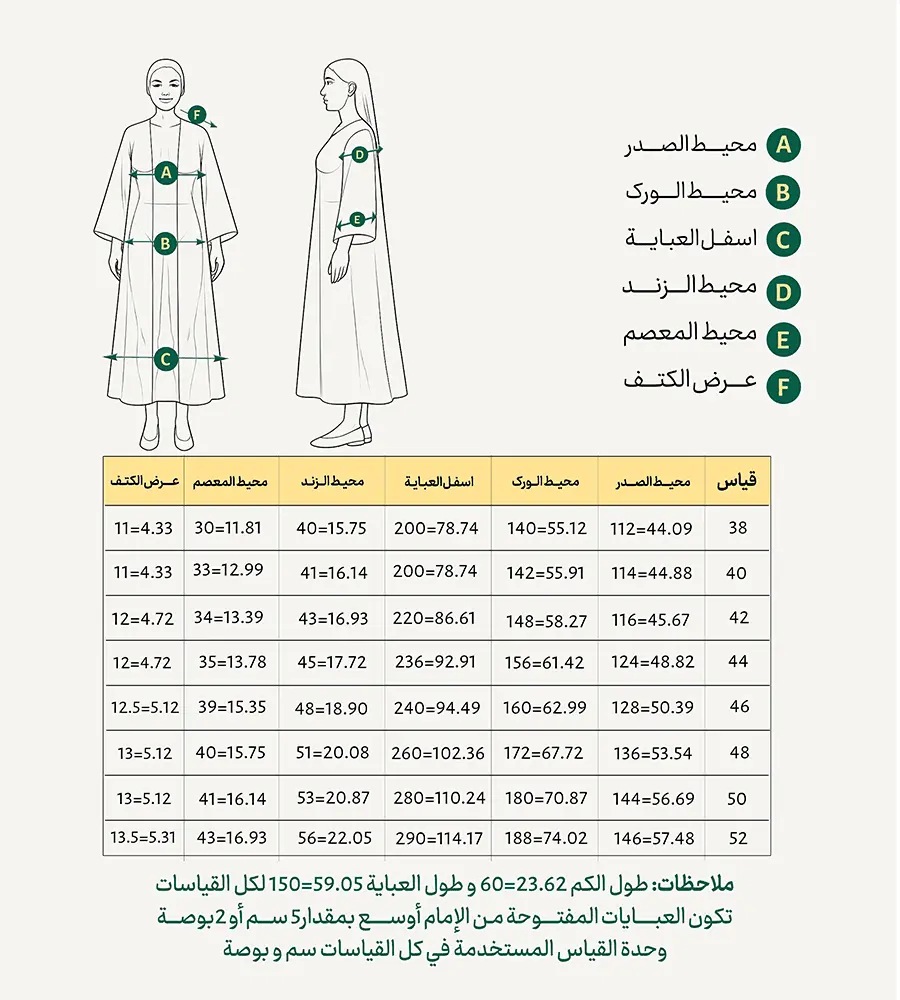
Before buying a work abaya, check the details you notice only after wearing it. Is the length practical for your commute? Can you sit comfortably? Are the sleeves easy to manage at a desk? Does the garment have pockets? If it has buttons, snaps, or a zip, are they functional?
These details may seem minor when shopping, but they determine whether an abaya becomes a genuine workwear staple or remains an occasional piece.
Best Formal Abaya Styles for the Office by Silhouette
The most useful formal abaya styles for office wear are generally those that create a controlled visual line without requiring excessive styling. The right silhouette should complement your body movement, workplace expectations, and daily routine.
Straight Cut and A-Line: The Most Universally Office-Friendly
Straight-cut abayas create a clean vertical line and are among the easiest silhouettes to style for work. A-line designs offer slightly more movement while maintaining a defined overall shape.
These cuts work particularly well when you want one abaya to move between desk work, meetings, commuting, and after-work activities. They also pair easily with loafers, flats, low heels, and structured handbags.
For a broader selection of understated pieces, an everyday abaya can be useful as the foundation of a practical work rotation.
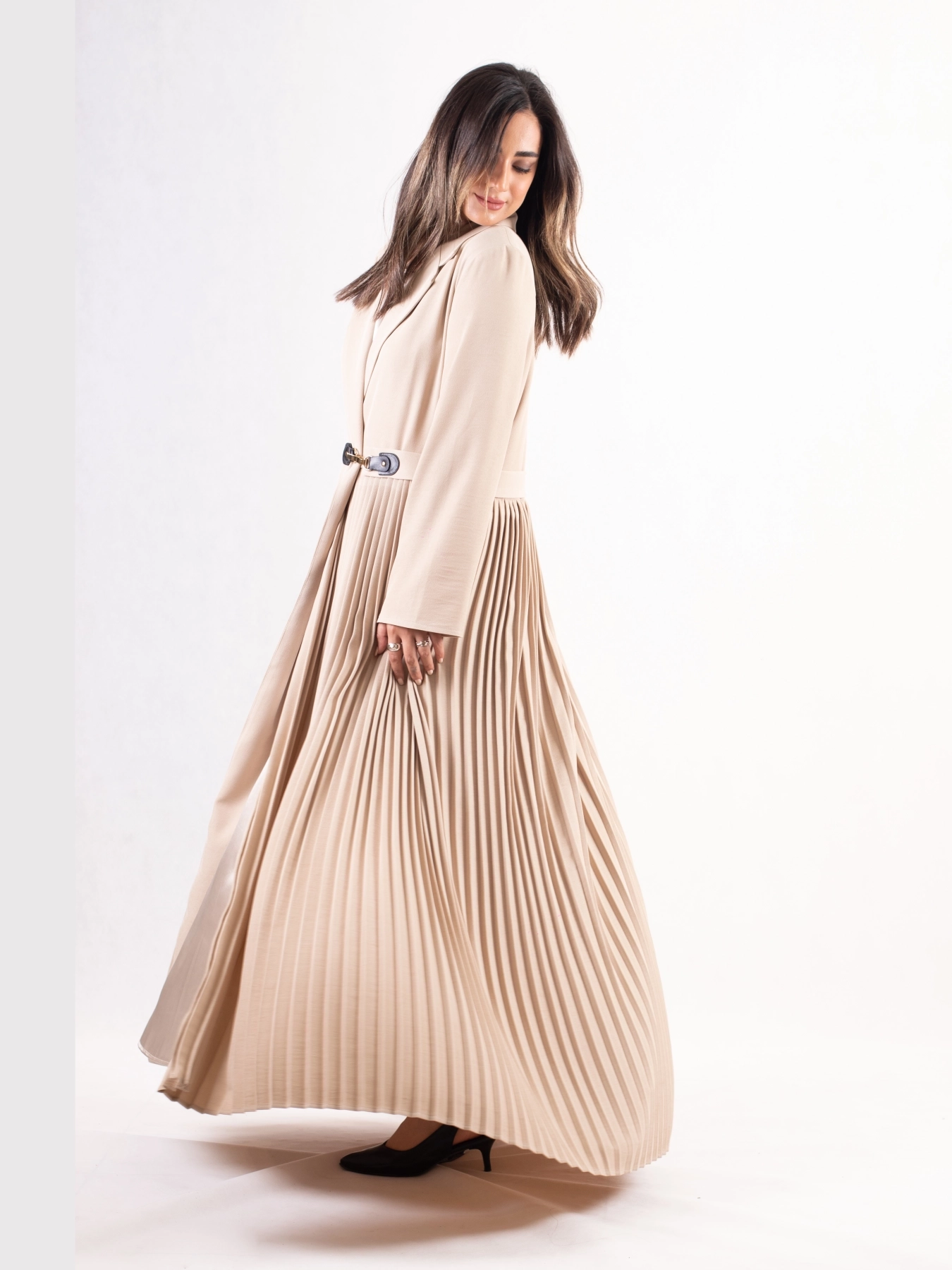
Blazer-Style and Tailored Abayas: Authority Through Structure
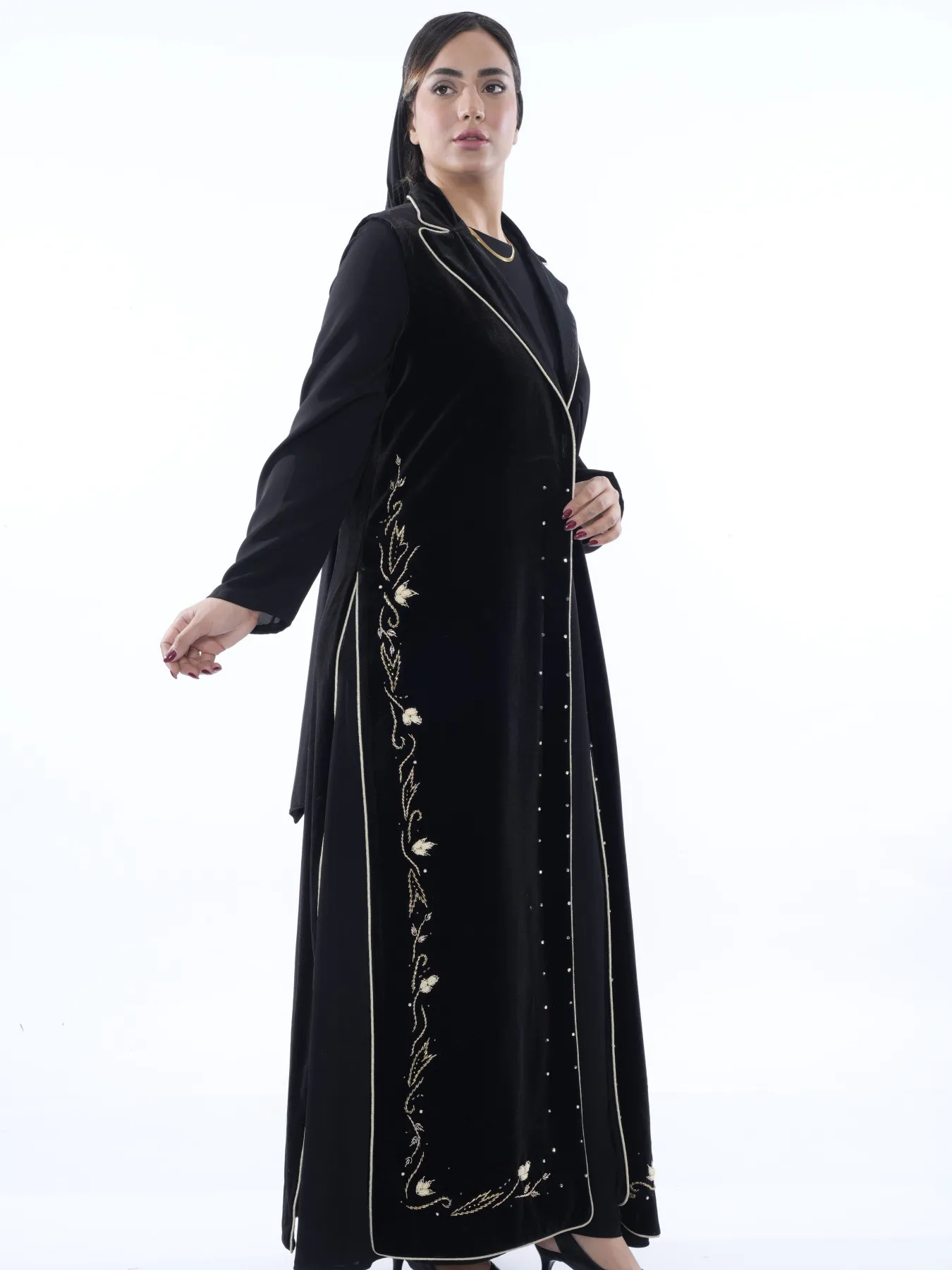
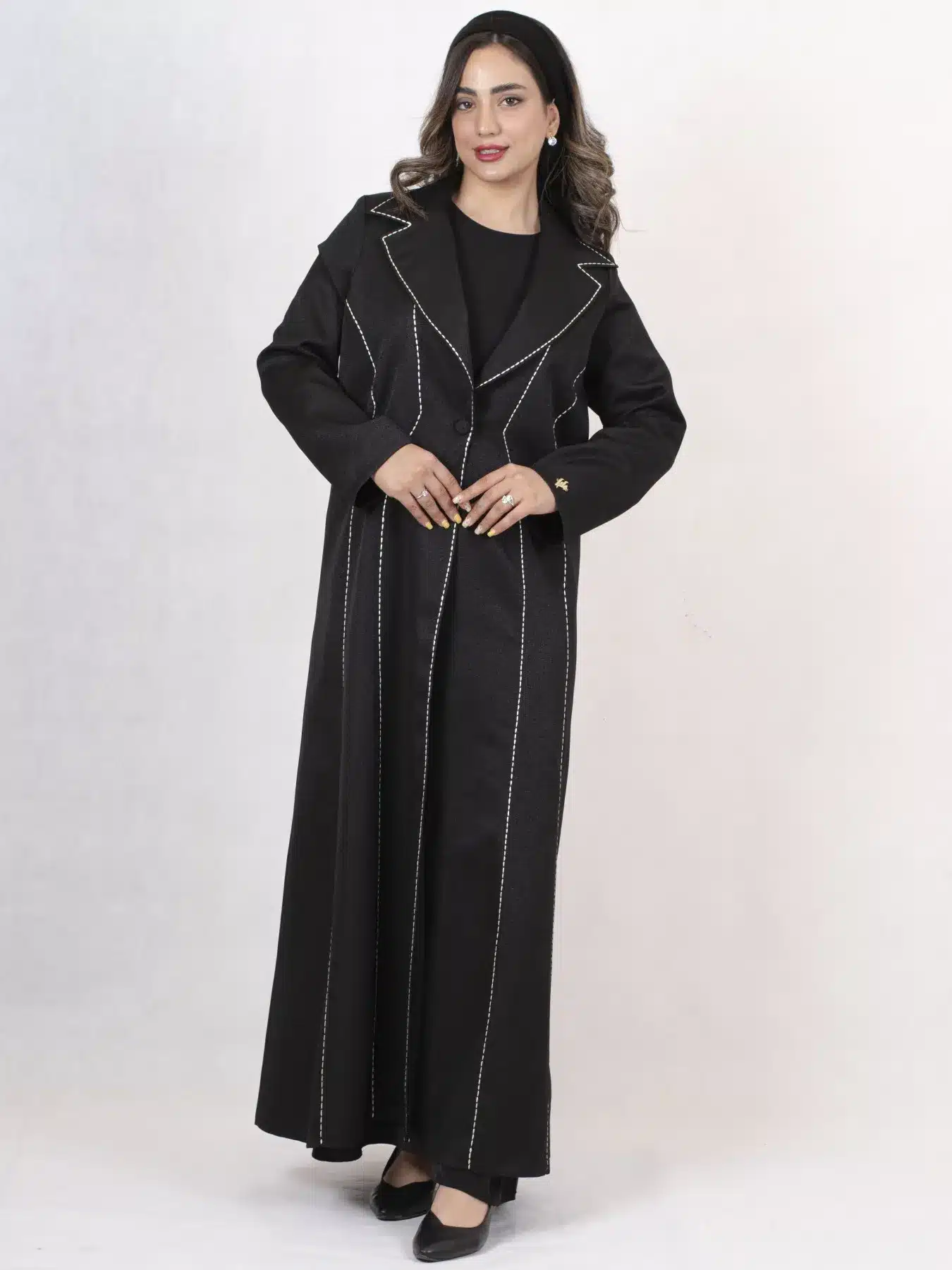
Blazer-style abayas borrow visual elements from traditional tailoring: defined shoulders, lapel-inspired lines, controlled shaping, and structured fabrics. These details can make an abaya particularly effective for presentations, client meetings, and formal office environments.
The key is balance. A blazer-inspired abaya already contains strong visual structure, so the rest of the outfit can remain simple. A plain hijab, minimal jewelry, closed-toe shoes, and a clean handbag are usually enough.
Minimal Open-Front Styles: Layering for Modern Offices
A minimal open-front abaya offers flexibility because the same outer layer can create several outfits depending on what you wear underneath. This makes it particularly useful for professionals who want a smaller wardrobe with more combinations.
Try an open abaya over tailored trousers and a blouse for a creative office, or layer it over a simple inner dress for a more streamlined look. Keep the colors coordinated and avoid combining too many competing textures.
Office Outfit Formulas: How to Wear Abayas to Work
A formula removes the need to reinvent your outfit every morning. Once you have a few reliable combinations, you can change colors, fabrics, and accessories while keeping the underlying structure consistent.
Closed Abaya + Loafers + Structured Tote
This is one of the easiest formulas for everyday office wear. Start with a minimalist closed abaya in black, navy, charcoal, taupe, or another office-appropriate neutral. Add polished loafers and a structured tote to create a practical outfit that works from commute to desk.
For the hijab, choose a complementary neutral rather than automatically matching the abaya. A tonal combination often looks more intentional than an exact color match.
Open Abaya + Wide-Leg Trousers + Structured Blouse
For a creative or semi-formal office, combine an open abaya with wide-leg trousers and a structured blouse. The trousers provide a defined foundation while the flowing abaya adds movement.
Keep the palette controlled. For example, pair a beige abaya with cream trousers and a muted brown blouse, or a black open abaya with charcoal trousers and a white or stone blouse.
Blazer Over Abaya for Meetings
A blazer can add an additional layer of structure when you need a stronger professional appearance. Rather than adding several statement pieces, let the blazer become the main tailoring element and keep the abaya underneath relatively simple.
This formula works particularly well for presentations, interviews, conferences, and client-facing meetings where you want the outfit to feel more formal without abandoning your preferred modest styling.
Meeting Day vs Desk Day Swaps
You do not necessarily need a completely different wardrobe for formal days. Small swaps can change the level of polish.
For a desk day, choose loafers, a practical tote, and a softer hijab fabric. For a meeting day, change to structured footwear, a more defined handbag, and a neatly draped chiffon or georgette hijab. This approach makes a small capsule wardrobe work harder without requiring more clothing.
Accessories, Hijab, and Shoes: The Office Polish Layer
Accessories should support the abaya rather than compete with it. If the garment already has embroidery, contrast details, or a strong silhouette, keep the accessories restrained.
Hijab Fabrics That Look Clean on Long Days
Chiffon, georgette, and jersey can all work for professional styling, depending on the drape and your preference. The practical question is whether the hijab stays neat throughout the day without requiring constant adjustment.
For long office days, choose a fabric and wrapping style that remains comfortable while maintaining a clean outline around the face and shoulders. A well-controlled hijab silhouette often makes as much difference to the finished look as the abaya itself.
Minimal Accessories Rule: Watch + Studs + One Ring
A simple accessory formula can keep office styling polished: one watch, small earrings or studs where appropriate, and one ring. You can vary these pieces by color and material without changing the basic formula.
If the abaya has visible embroidery or decorative details, consider reducing the jewelry further. The goal is visual balance rather than adding something to every available space.
Shoe Rules: Closed-Toe, Comfort, and Professionalism
Shoes need to work for both appearance and movement. Closed-toe loafers, flats, low heels, and polished professional shoes are versatile options for many office environments.
The most important consideration is comfort. If your commute involves significant walking, a beautiful but uncomfortable shoe can undermine an otherwise practical outfit. Choose footwear based on your actual day, not just the appearance of the outfit in a mirror.
Work Abayas by Season: Hot Weather Offices vs Cooler Months
Seasonal dressing requires more than changing colors. The fabric weight, layering, sleeve structure, and footwear all influence how comfortable an abaya feels throughout the working day.
Hot Climate Fabrics and Breathable Picks
In hot climates, prioritize fabrics that allow comfortable movement and avoid unnecessary layering. Lighter abayas can be particularly useful when commuting outdoors, especially if the office itself is warm.
A breathable inner layer can also make an open abaya easier to wear. Avoid automatically choosing the thinnest fabric, however; workplace appearance and opacity still matter. The goal is breathability without sacrificing professional presentation.
Cooler Months: Structured Fabrics and Layering
Cooler weather creates more opportunities for layering. You can add a tailored coat, structured blazer, lightweight knit, or coordinated scarf depending on your environment.
This is also the season when heavier fabrics can become useful because they often hold a structured silhouette more effectively. If you want a timeless foundation, a piece from a classic abaya collection can work well as part of a long-term professional wardrobe.
Capsule Wardrobe: How Many Abayas Do You Need for Work?
You do not need a wardrobe full of abayas to create variety. A carefully selected 3–5 abaya rotation can cover most professional situations when the inner pieces and accessories are chosen strategically.
The 3–5 Abaya Rotation Plan
A practical five-piece rotation might include one dark neutral for formal days, one everyday neutral, one softer neutral, one open-front layering piece, and one slightly more distinctive option for meetings or professional events.
If you prefer a smaller wardrobe, start with three: a dark closed abaya, a versatile everyday style, and an open-front layer. The important factor is not the exact number but whether each piece serves a different purpose.
Inner Pieces That Multiply Outfits
For open abayas, the inner wardrobe can dramatically increase the number of combinations. A few structured blouses, wide-leg trousers, straight trousers, simple inner dresses, and coordinated slips can create multiple outfits from the same outer layer.
This is where capsule wardrobe thinking becomes useful. Instead of buying five abayas that all require different styling, choose pieces that share a common palette and can be mixed with the same shoes, bags, and hijabs.
Common Mistakes When Wearing an Abaya to Work and Fast Fixes
Even a beautiful abaya can feel out of place if the styling does not match the workplace. Most problems are easy to fix once you identify what is creating the mismatch.
Too Much Embellishment or Too Casual a Silhouette
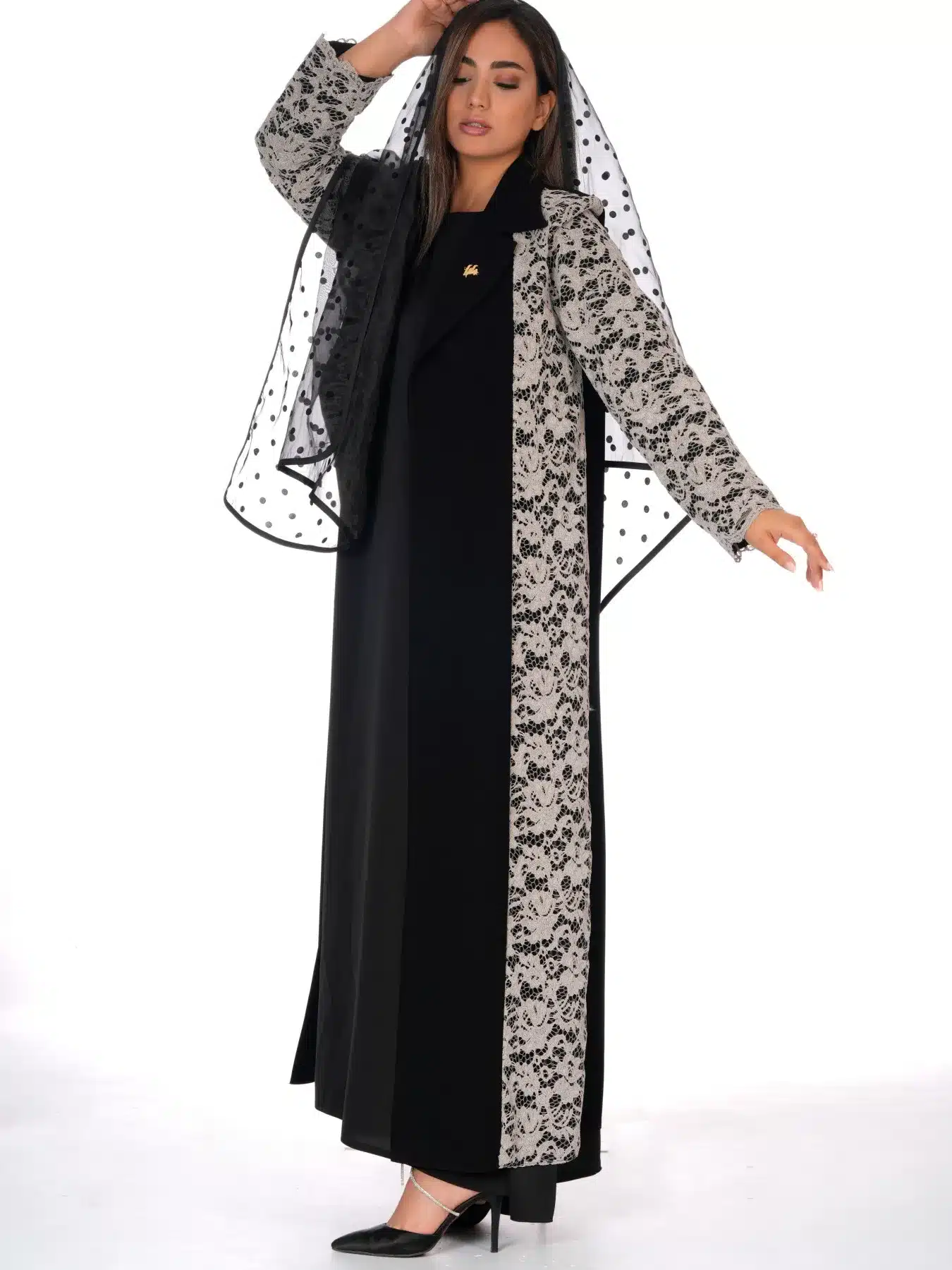
Heavy embellishment can shift an abaya visually from workwear toward occasionwear. On the other hand, an extremely relaxed silhouette can look too casual for a formal office.
Fast fix: keep the garment simple for formal workplaces and reserve highly decorative pieces for occasions where they make sense. If you want visual interest, use texture or a subtle color difference rather than multiple decorative elements.
Wrong Length for Commuting or Movement
A long abaya that constantly touches the ground, catches on stairs, or interferes with walking is not practical workwear.
Fast fix: check the length while wearing the shoes you actually use for work. Walk, sit, climb stairs, and carry your work bag before deciding that the length works.
Accessories That Overpower the Professional Look
Statement jewelry, highly decorative shoes, a dramatic handbag, and an embellished abaya can compete for attention.
Fast fix: choose one focal element and make the rest quieter. If the abaya is the statement piece, simplify the bag, jewelry, hijab, and shoes.
Frequently Asked Questions About Wearing Abayas to Work
Can I wear an abaya to a corporate office?
Yes. A minimalist closed or tailored abaya can work well in many corporate environments when it aligns with the organization’s dress code.
- Choose a clean silhouette.
- Prefer restrained detailing and a controlled palette.
- Use structured shoes and a professional bag.
Example: A charcoal closed abaya with a light grey chiffon hijab, black loafers, and a structured tote.
Is an open abaya professional enough for work?
An open abaya can be professional when the layers underneath are coordinated and appropriately tailored for the workplace.
- Pair it with tailored trousers or a simple inner dress.
- Keep the color palette controlled.
- Check whether your workplace has specific requirements around coverage.
Example: A black open abaya over wide-leg charcoal trousers and a cream structured blouse.
What color abaya is best for an office?
There is no single universally correct office color. Dark neutrals are generally easy to style for formal environments, while soft neutrals can create a lighter professional appearance.
- Use black, navy, charcoal, taupe, or brown as foundation colors.
- Add muted colors if your workplace allows them.
- Consider how easily the color works with your existing shoes and bags.
What shoes work best with office abayas?
Loafers, flats, low heels, and other polished closed-toe shoes are versatile choices for many workplaces.
- Prioritize comfort for commuting.
- Match the shoe structure to the formality of the abaya.
- Avoid footwear that makes walking or movement difficult.
A Simple System for Building Three Complete Work Outfits
The easiest way to put this guide into practice is to create three outfits for three different work scenarios: strict corporate, everyday office, and meeting or client day.
For a strict corporate environment, start with a closed dark-neutral abaya, a simple hijab, closed-toe loafers, and a structured tote. Keep jewelry minimal and avoid decorative details that could make the outfit feel more suitable for an evening event.
For an everyday office day, use a neutral straight-cut or A-line abaya with comfortable loafers, a practical tote, and a lightweight hijab. This is where your everyday pieces should do the most work.
For a meeting or client day, introduce additional structure through a tailored abaya, blazer, structured bag, or polished low heel. Keep the rest of the outfit quiet so the overall look remains professional, confident, and intentional.
The goal is not to create a rigid uniform. It is to create a repeatable system that lets you make quick decisions while keeping your clothing appropriate for the environment.
Author Note
This guide is written from a modest-fashion styling and workwear perspective, with an emphasis on practical wardrobe planning, abaya silhouettes, fabric behavior, layering, and professional outfit coordination. Workplace expectations differ by country, organization, role, and industry, so readers should always check their employer’s dress code and any relevant workplace safety requirements.
For more modest-fashion guides, styling ideas, and practical wardrobe content, you can also explore the Maraya magazine.