Abaya Styling Guide: How to Style an Abaya for Everyday Wear, Work, and Winter Occasions
Abaya styling is not simply about choosing a long black garment. The abaya design, fabric, color, underlayer, hijab, bag, and shoes all affect the final look. That is why even a simple everyday abaya can be styled in different ways for daily wear, the workplace, parties, weddings, or different seasons with just a few small changes.
The key to looking stylish is not necessarily making every element of the outfit stand out. Sometimes, a simple abaya paired with a suitable hijab, a structured bag, and coordinated shoes can create a more polished look than an overly busy combination. In this guide, we explore different abaya styling ideas, how to style an abaya for different occasions, how to choose the right color and fabric, what to wear underneath an abaya, winter abaya styling, and the features you should consider before buying.
What Is Abaya Styling?
Abaya styling means coordinating the abaya with the underlayer, hijab, bag, shoes, and accessories so that all elements of the outfit work together in balance. For example, a simple black abaya can be paired with flat shoes and a crossbody bag for a casual look. The same garment can be styled with tailored trousers, a simple hijab, and a structured bag for a more professional workplace look. Pairing it with heels, a satin hijab, and a clutch can create a more formal appearance.
Therefore, the abaya itself does not determine the final style. What you wear underneath it and how you combine different elements play a major role in the overall result.
How Can You Make a Simple Abaya Look More Stylish?
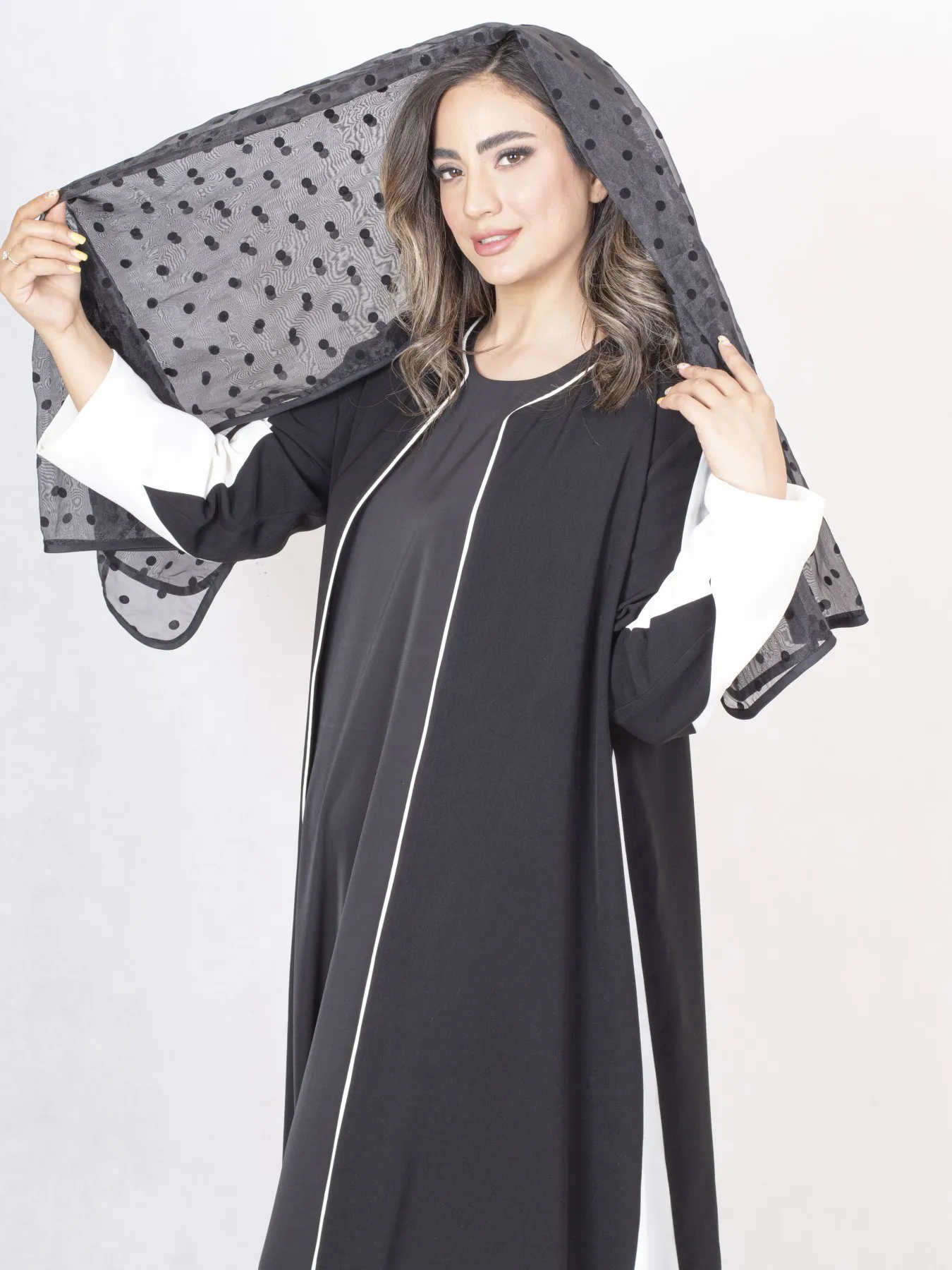
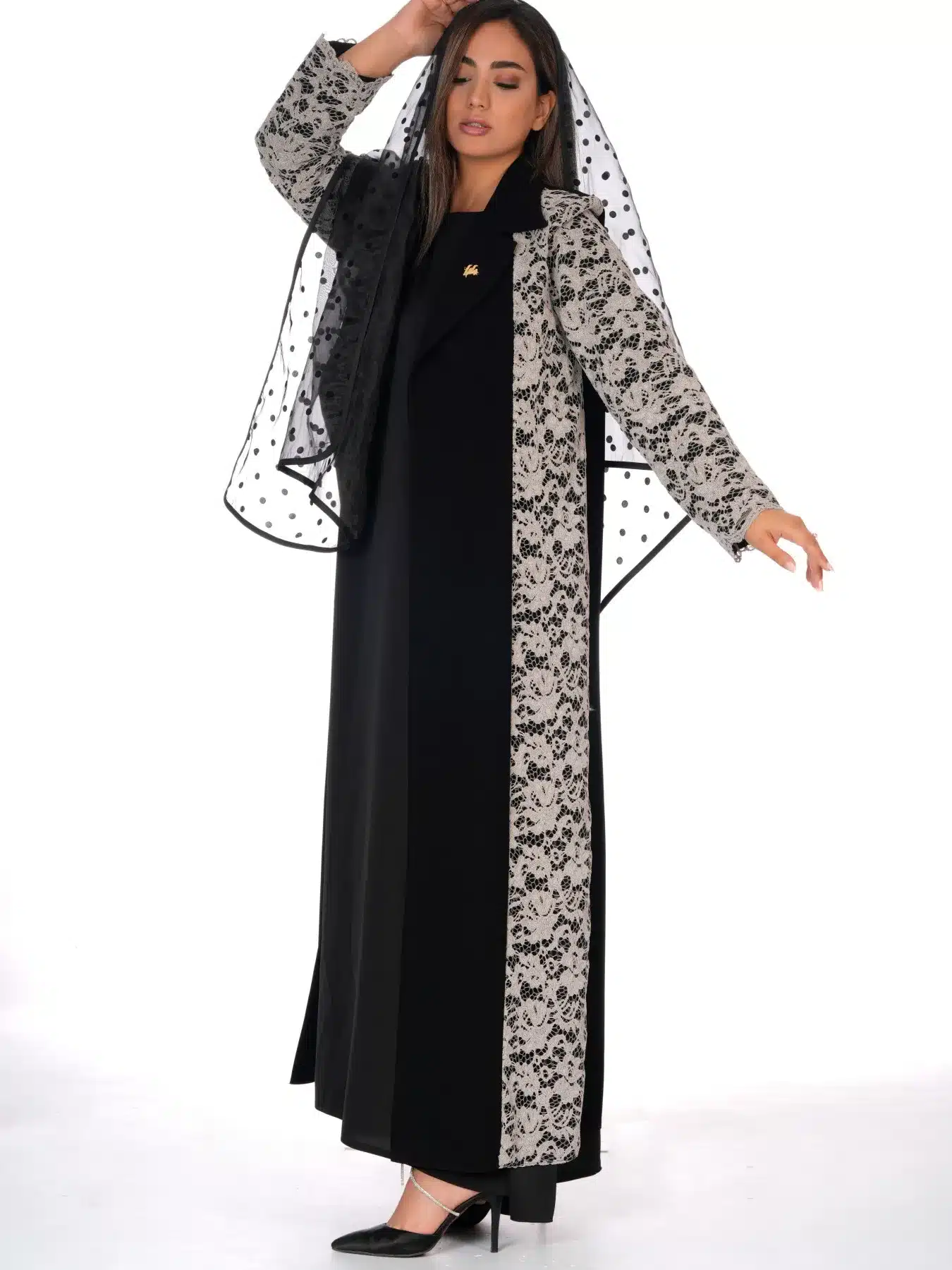
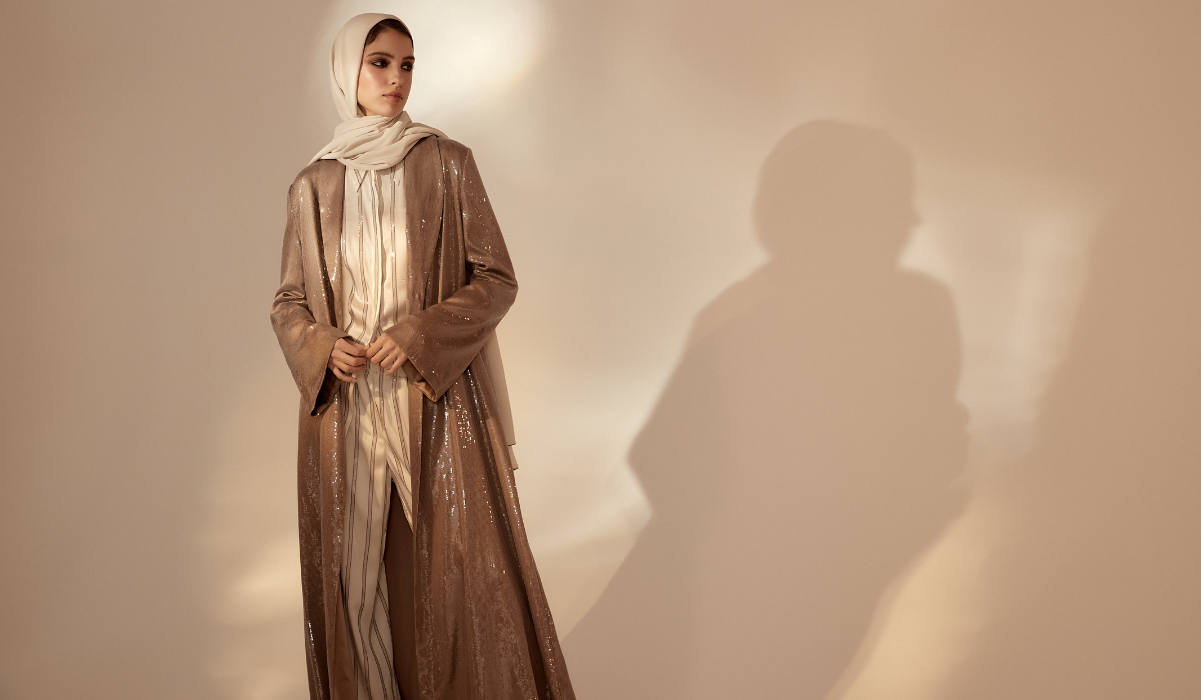
If your abaya has a simple design, you can give it more personality with a few carefully chosen elements. A hijab in a contrasting color, a distinctive bag, suitable shoes, or even a delicate belt can completely change the look.
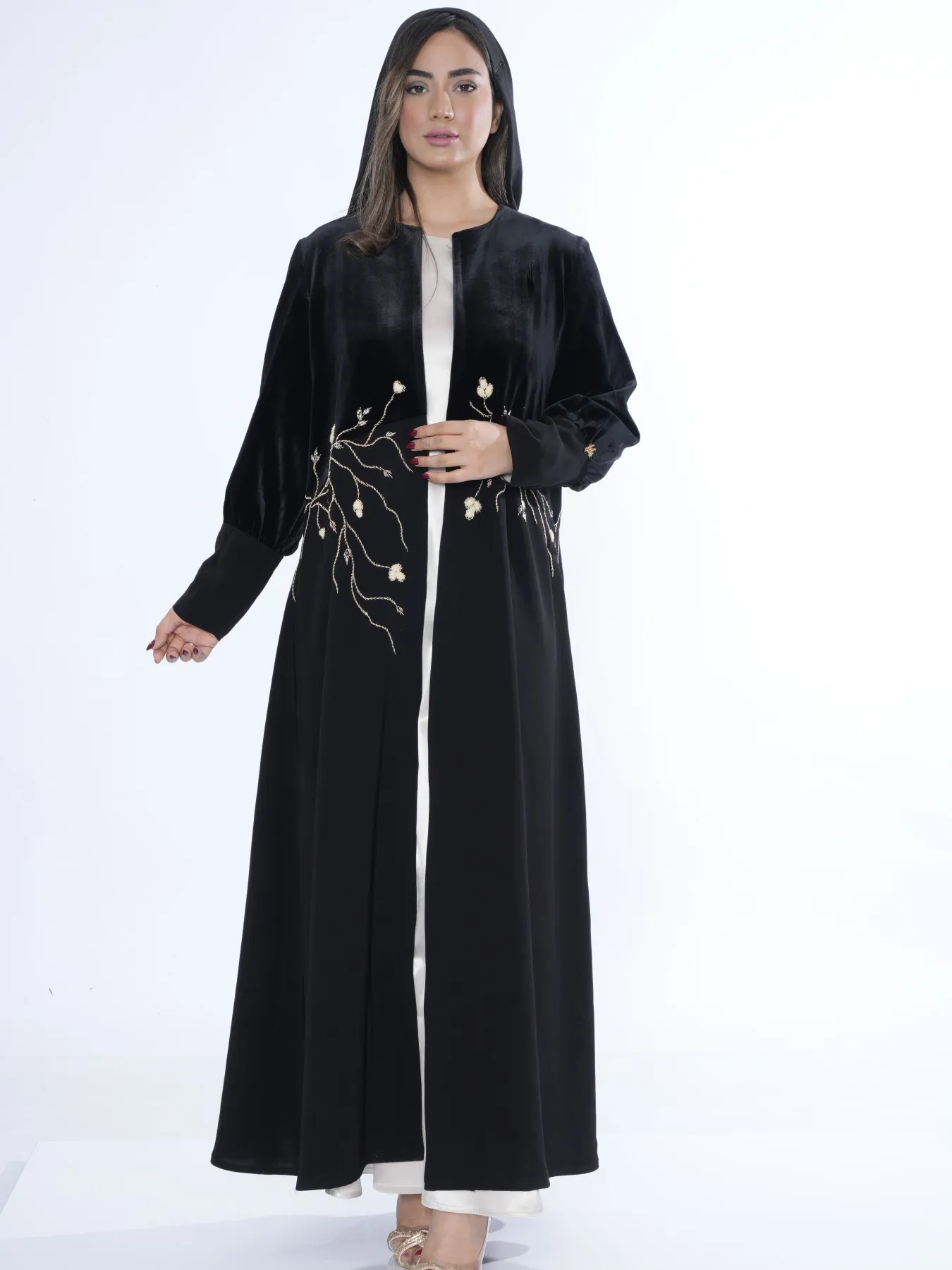
On the other hand, if the abaya already features embroidery, pleats, embellishments, or a shiny fabric, it is usually better to keep the other elements simpler. When several elements compete for attention, the overall outfit may look too busy. A useful rule is to decide which element you want to be the main focal point before completing the rest of the look.
What Is an Abaya and Why Is It Suitable for Different Styles?
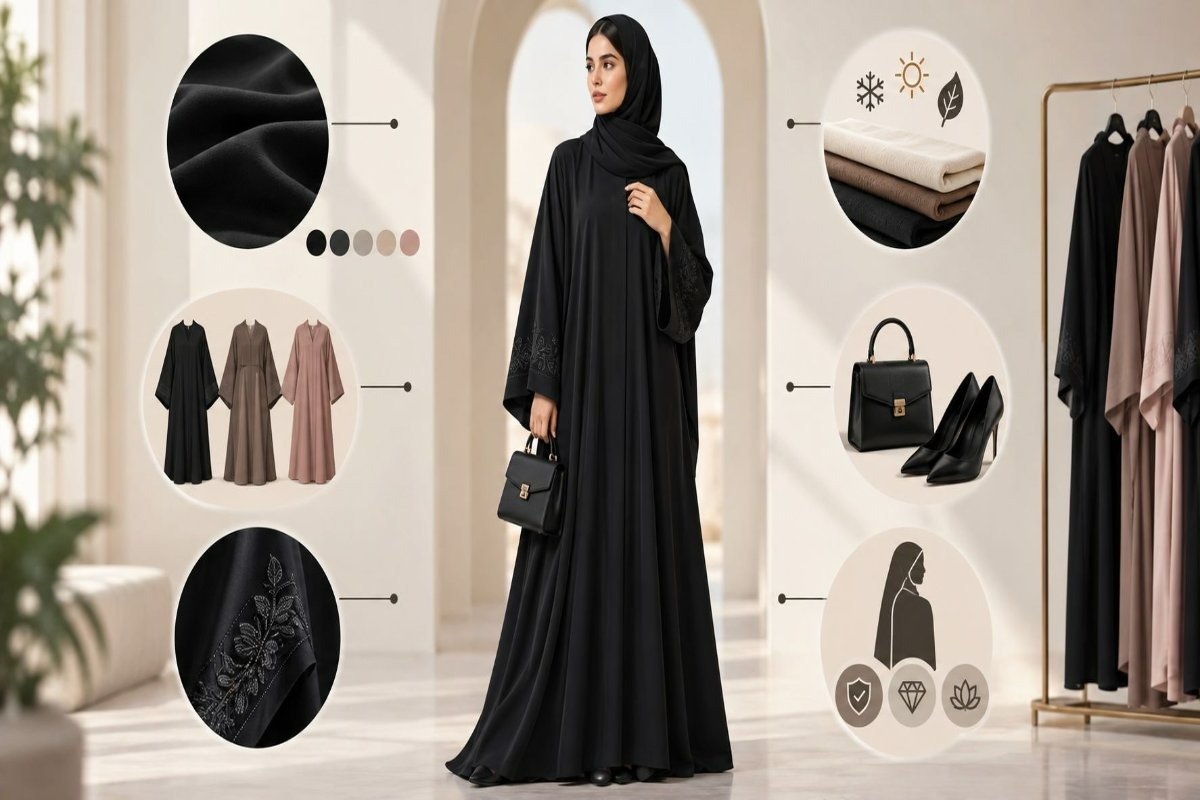
An abaya is a long, loose-fitting garment that can have a minimalist, formal, elegant, or casual appearance depending on its design, fabric, and details. Different fabrics create different looks and make abayas suitable for various occasions. Crepe Nida, linen, chiffon, georgette, satin, velvet, and certain cotton blends each have their own appearance and practical uses.
For example, linen and lightweight fabrics are more comfortable choices for warm weather, while velvet and heavier fabrics are better suited to colder seasons. However, appearance is not the only factor to consider when choosing a fabric. Opacity, drape, wrinkle resistance, and ease of movement should also be taken into account. A garment that looks beautiful in photographs but feels heavy or hot after several hours of wear may not be the best choice for everyday use.
What Is the Difference Between Open and Closed Abayas?
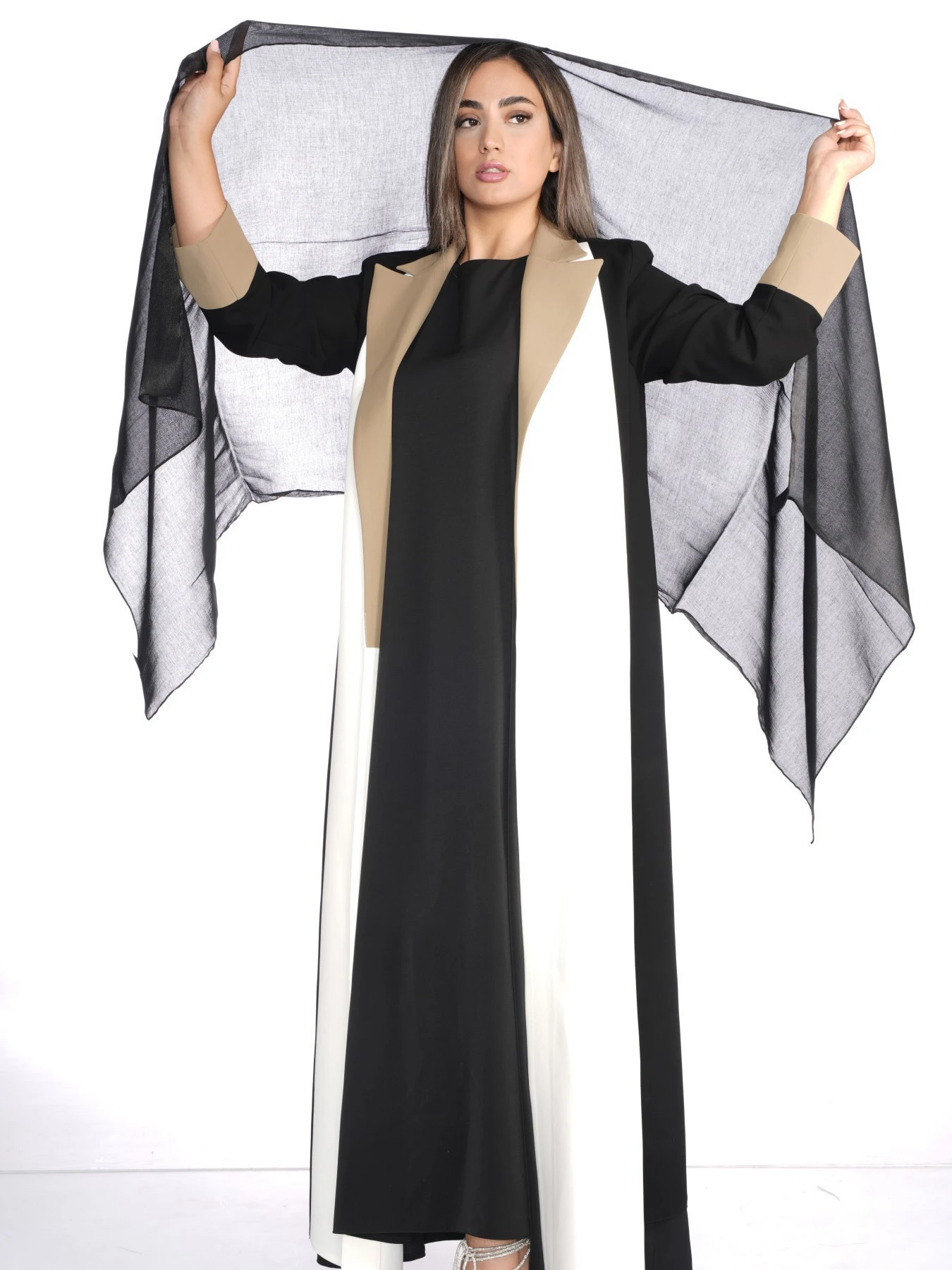
The main difference between open and closed abayas is how they are worn and layered. Open abayas are not closed at the front, so the clothing underneath becomes part of the overall outfit. This allows for more styling combinations.
Closed abayas create a more uniform appearance, and the underlayer is less important because it is less visible. This makes them a practical choice for those who prefer a simpler style or do not want to spend much time creating layered outfits.
| Feature | Open Abayas | Closed Abayas |
| Layering | More freedom | More limited |
| Under layering | An important part of the outfit | Less visible |
| Styling versatility | High | Moderate |
| Suitable for | Everyday wear,travel,parties | Every day wear,work,occasion |
When Is an Open Abaya a Better Choice?
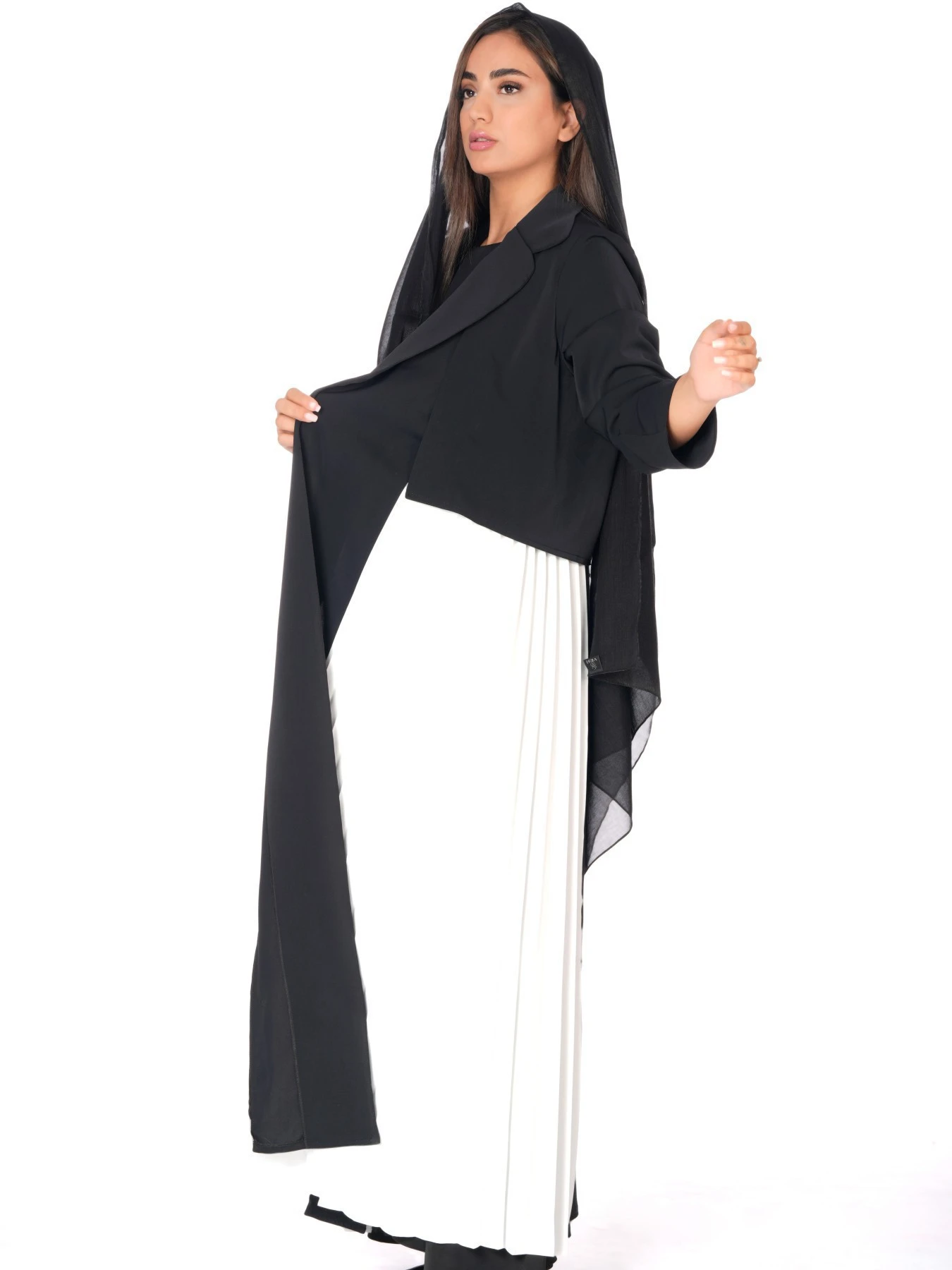
If you enjoy layering and changing the appearance of your outfit, an open abaya is a more flexible option. You can wear it over a long dress, a one-piece outfit, wide-leg trousers, or even jeans and create a different look simply by changing the underlayer.
For warm days, an open linen abaya worn over a light-colored dress with a lightweight hijab and sandals can create a comfortable combination. In cooler weather, the same style can be layered over a thin turtleneck or warm clothing.
When Is a Closed Abaya More Suitable?
Closed abayas are suitable for those who prefer a simple, streamlined appearance. They are practical for the workplace, everyday wear, and situations where you do not want to spend much time choosing an underlayer.
For example, a navy closed abaya with a cream hijab, pointed-toe flats, and a structured bag can create a neat and professional workwear look.
Abaya Styles You Should Know
Knowing the different abaya styles can help you make a more informed choice when shopping. Each style differs in terms of its shape, level of volume, fabric drape, and intended use. Well-known styles include classic abayas, butterfly abayas, Farasha abayas, flared abayas, coat-style abayas, pleated abayas, Bisht abayas, and Bahraini abayas.
Classic Abayas
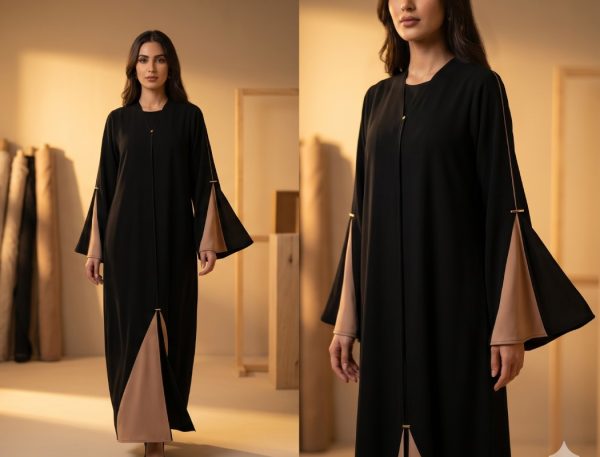
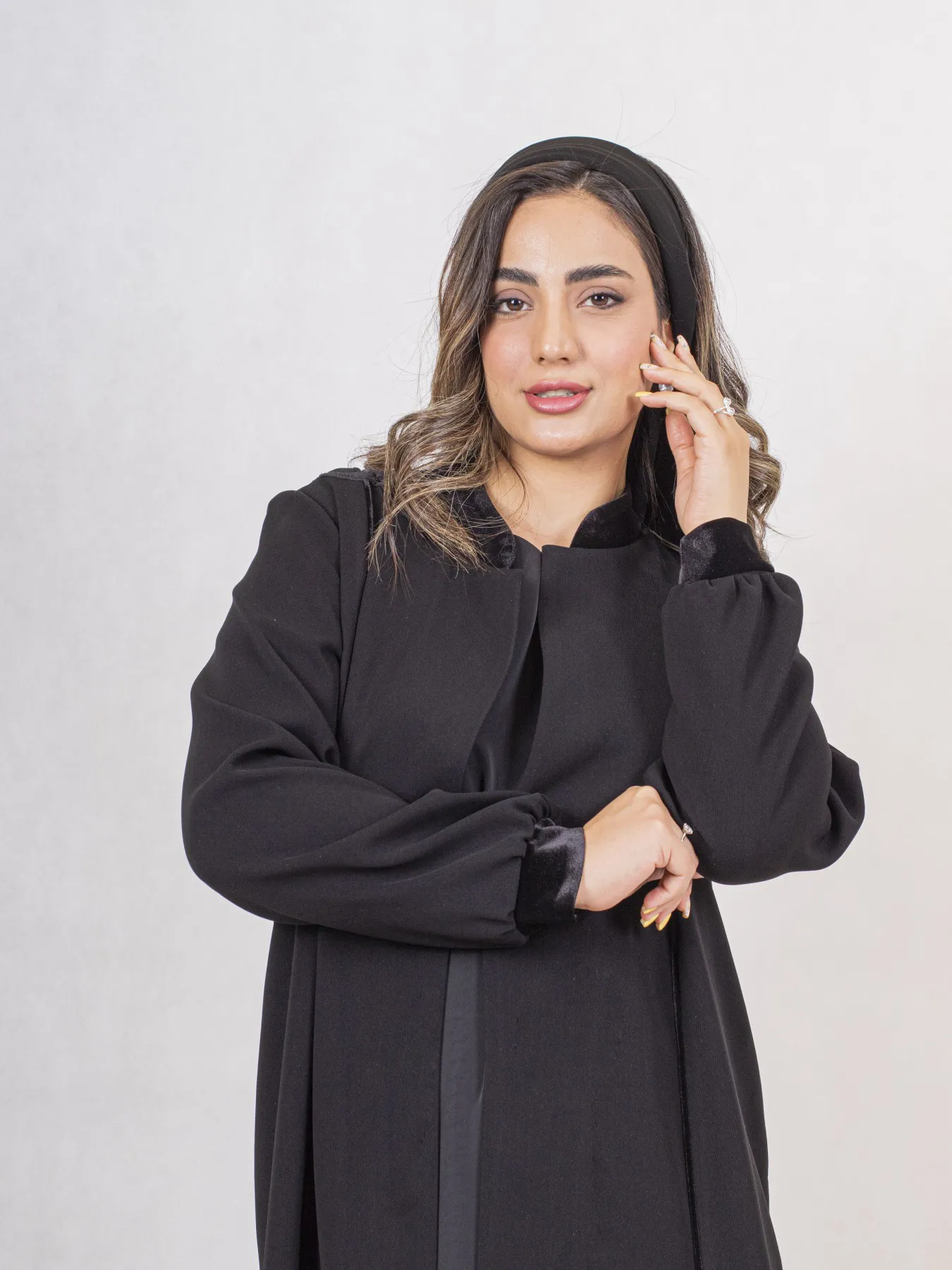
Classic abayas generally feature simpler designs, making them suitable for a wide range of uses. If you are buying your first abaya and want to get the most use out of it, a classic abaya in a neutral color can be a practical choice.
Black, navy, cream, and other neutral shades are generally easier to coordinate with different clothing and accessories.
Butterfly Abayas
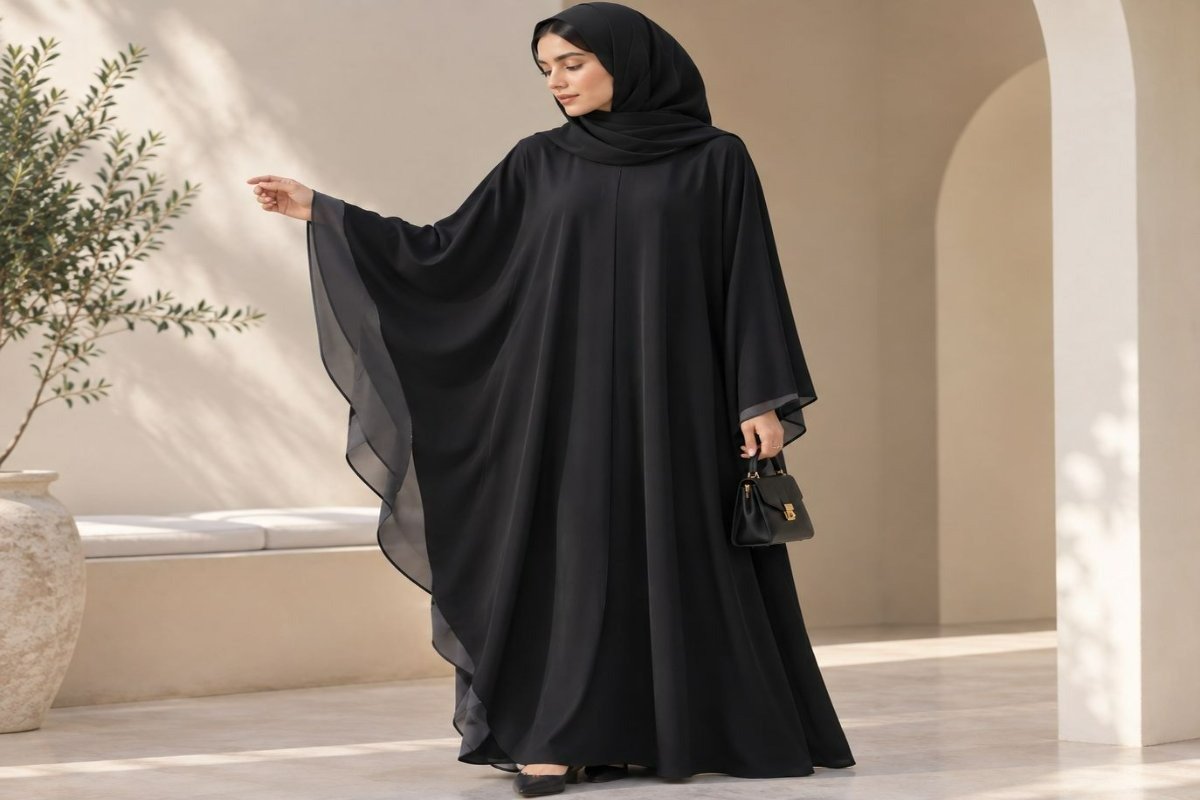
Butterfly abayas feature generous volume through the body and sleeves, creating a flowing and eye-catching silhouette as you move. This style is appealing to those who prefer loose-fitting clothing. However, if you are petite, it is better to choose styles with controlled volume.
Too much fabric can overwhelm your overall silhouette and make the garment appear more prominent than your height and body shape.
Farasha Abayas
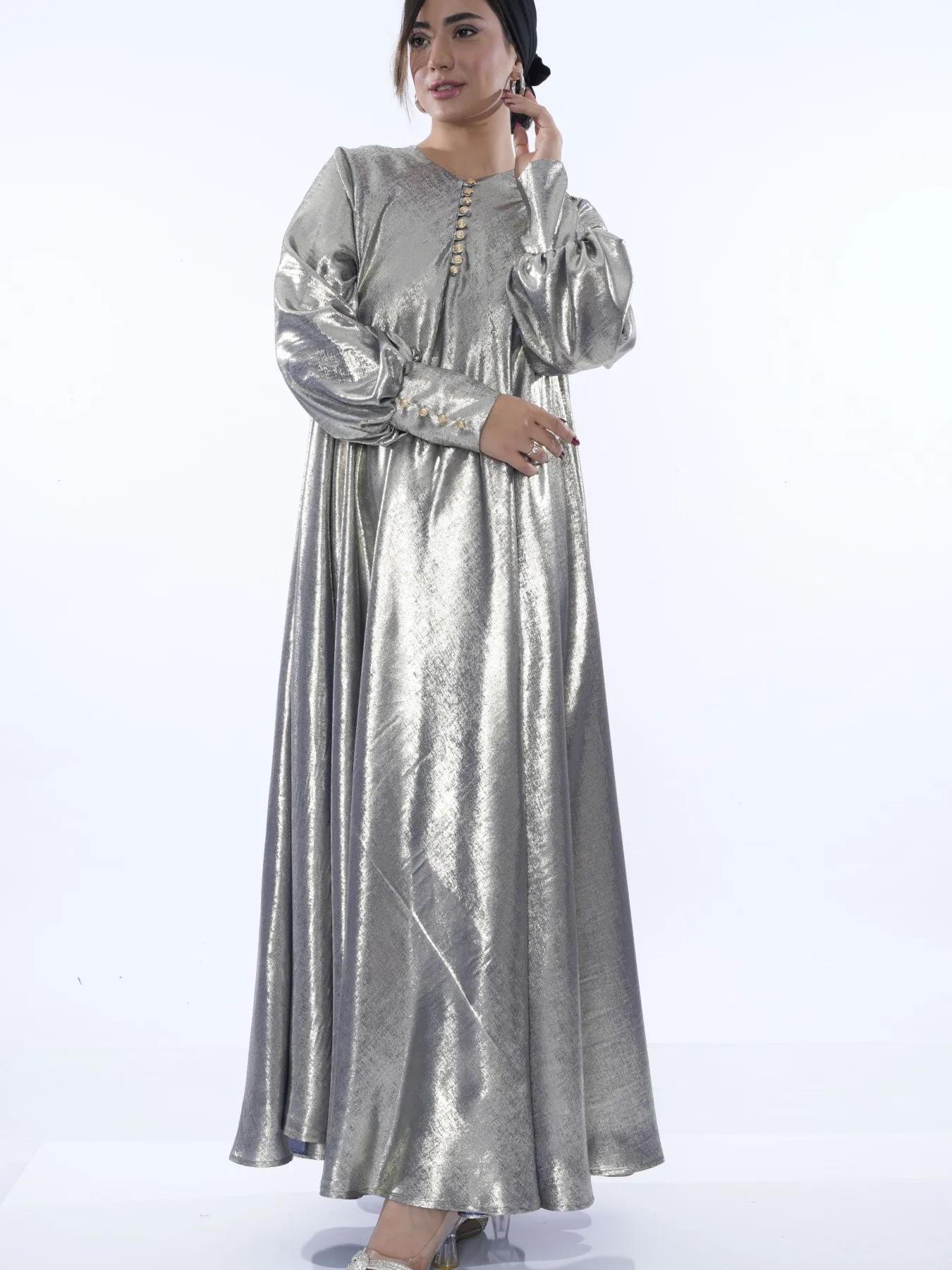
Farasha abayas also have a loose, flowing silhouette, and the choice of fabric has a significant effect on the final appearance. Lightweight fabrics create smoother movement, while heavier fabrics can give the same silhouette a more formal appearance.
If you want a Farasha abaya for everyday wear, pay close attention to the fabric’s weight and comfort.
Flared Abayas
Flared abayas offer more room toward the bottom, creating a wider silhouette while walking. Wearing this style with shoes that provide a little height can help maintain a balanced relationship between your height and the volume of the garment.
Of course, the shoes should also complement the overall style.
Bisht Abayas
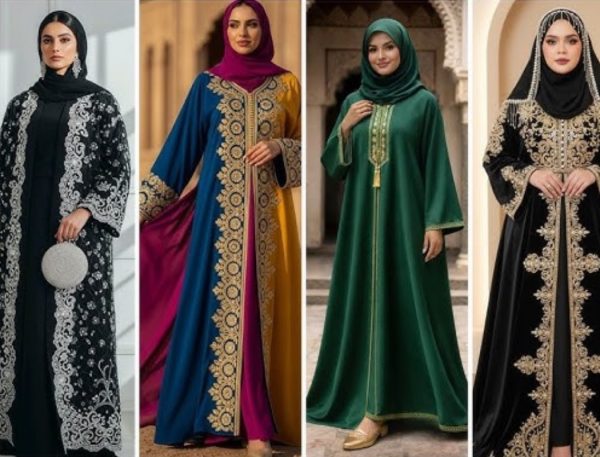
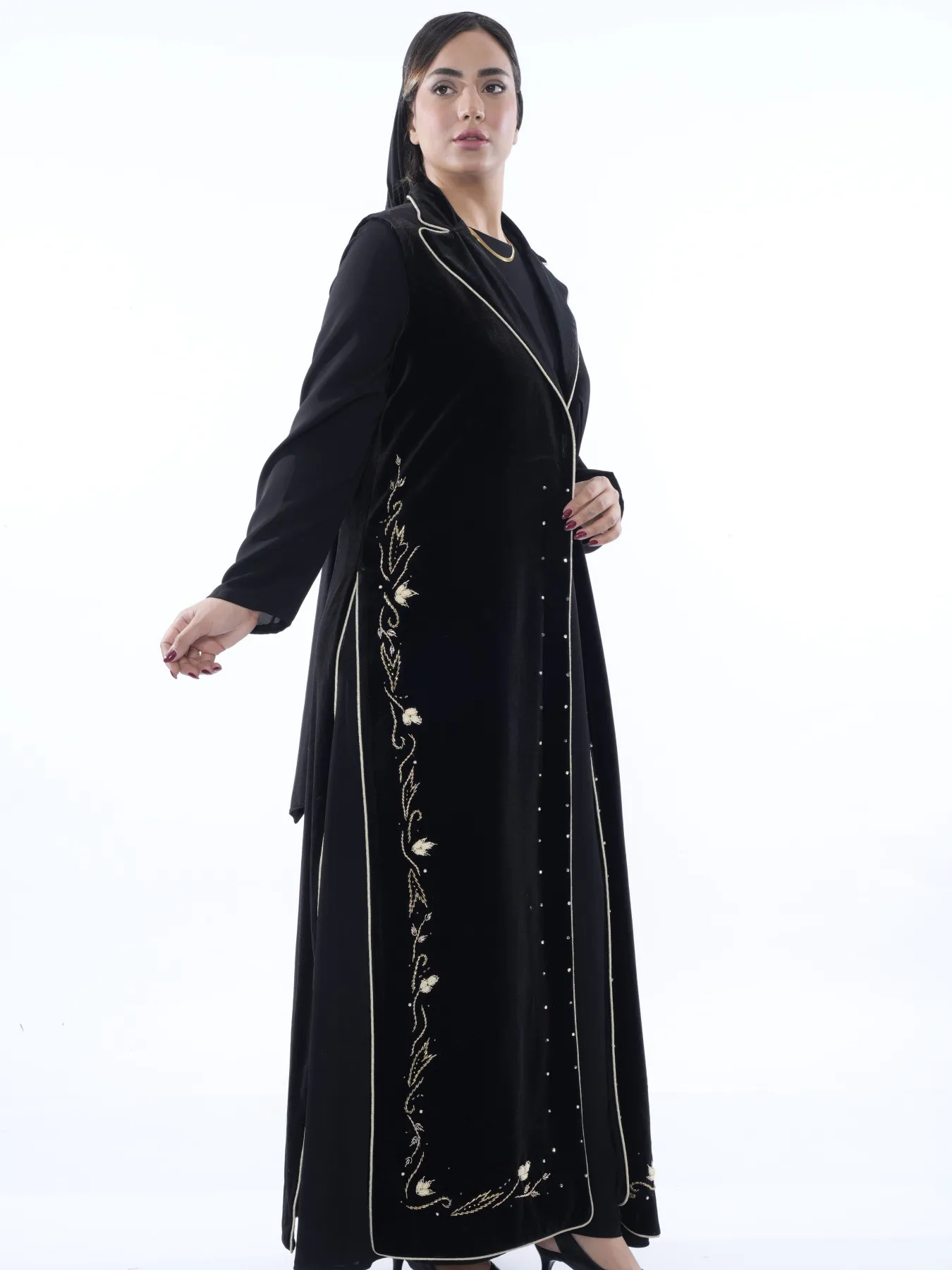
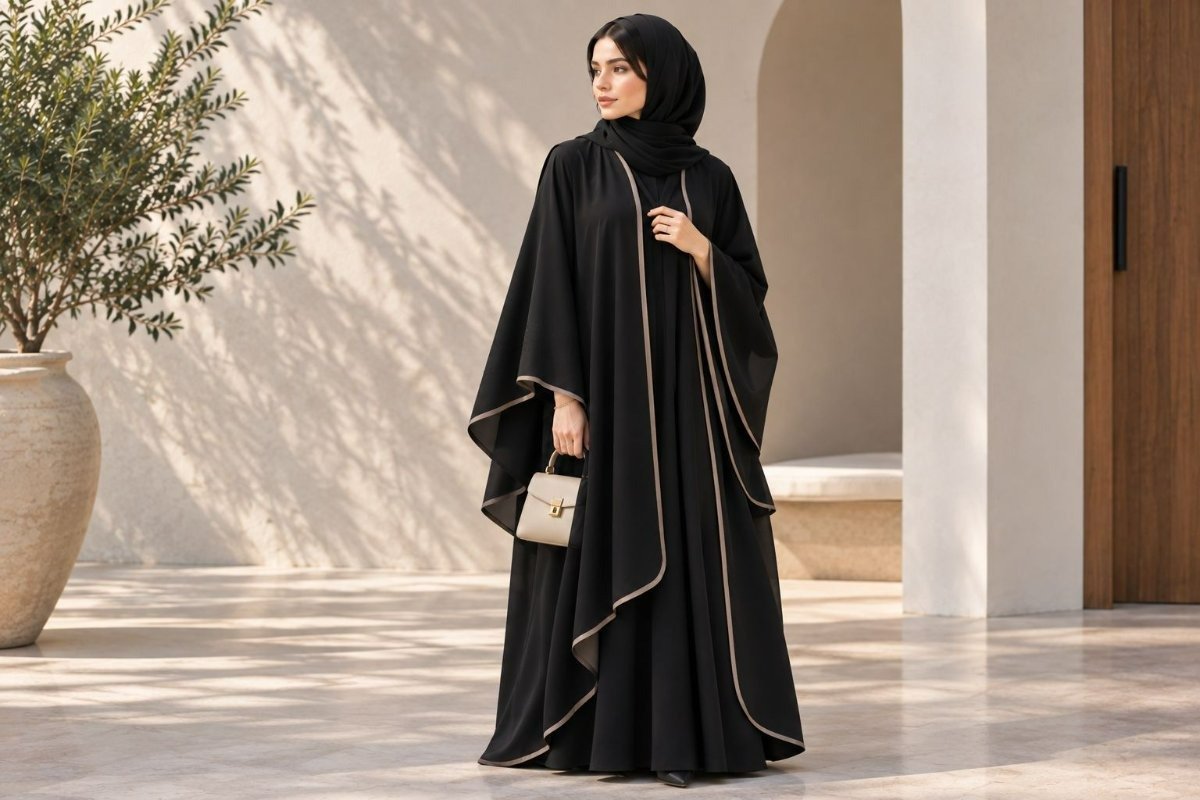
Bisht abayas generally have a more formal appearance, with the edge details, fabric, and embellishments playing an important role in their overall look. This style is particularly suitable for formal occasions where an elegant and luxurious appearance is desired.
Coat-Style Abayas
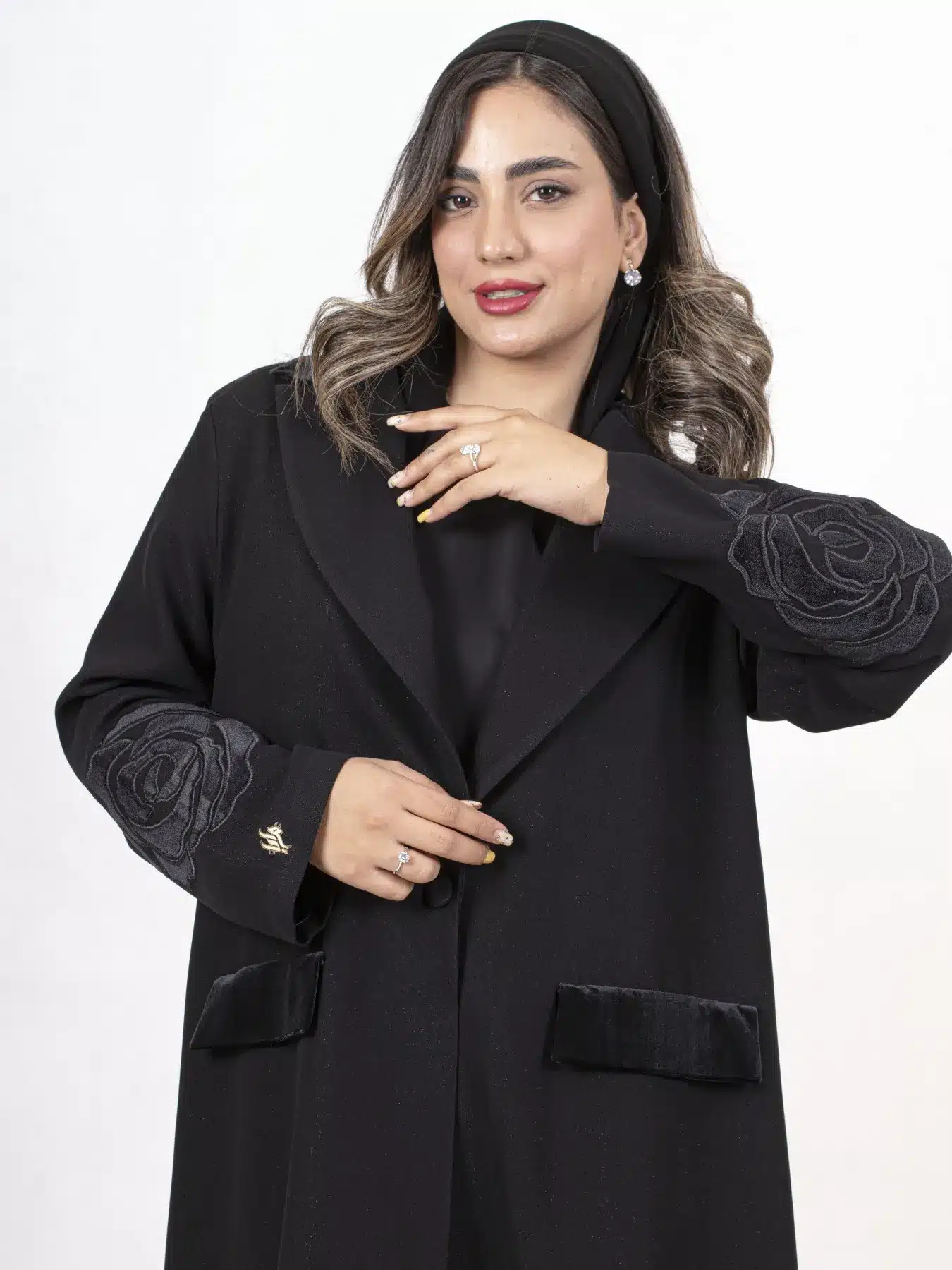
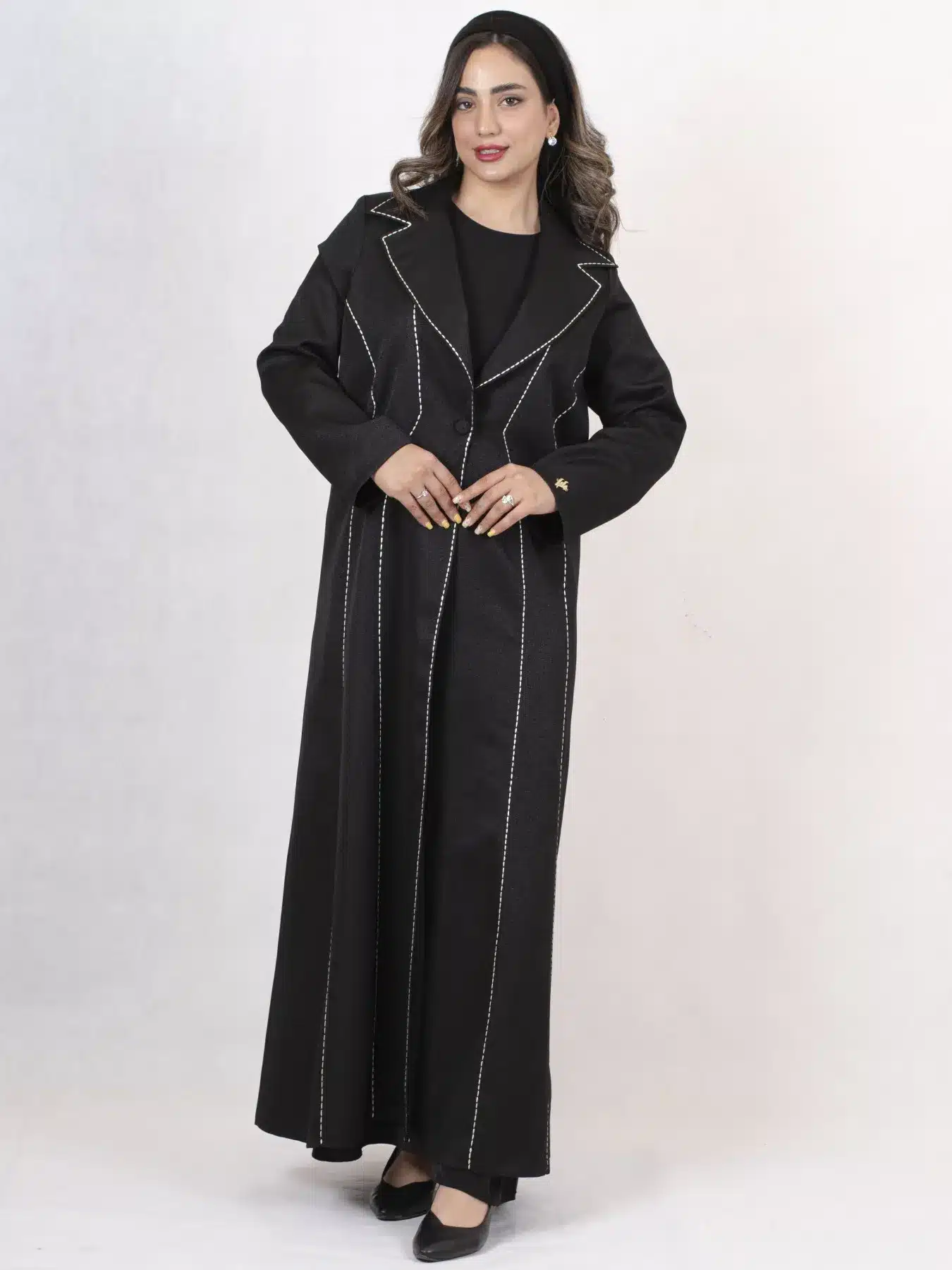
Coat-style abayas have a more defined structure and are a suitable choice for workwear. Colors such as navy, black, and cream can be easily paired with formal shoes and bags.
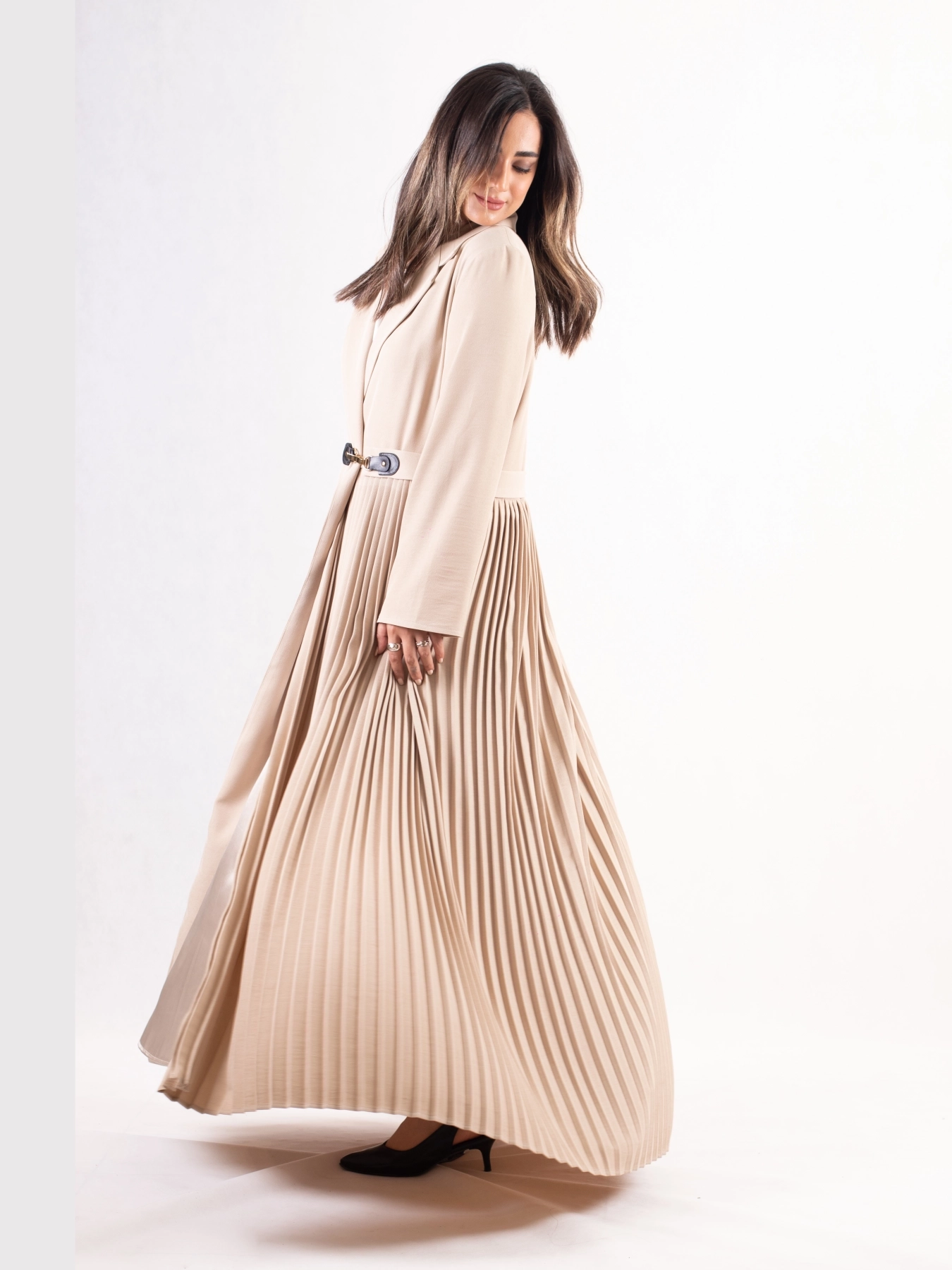
Pleated Abayas
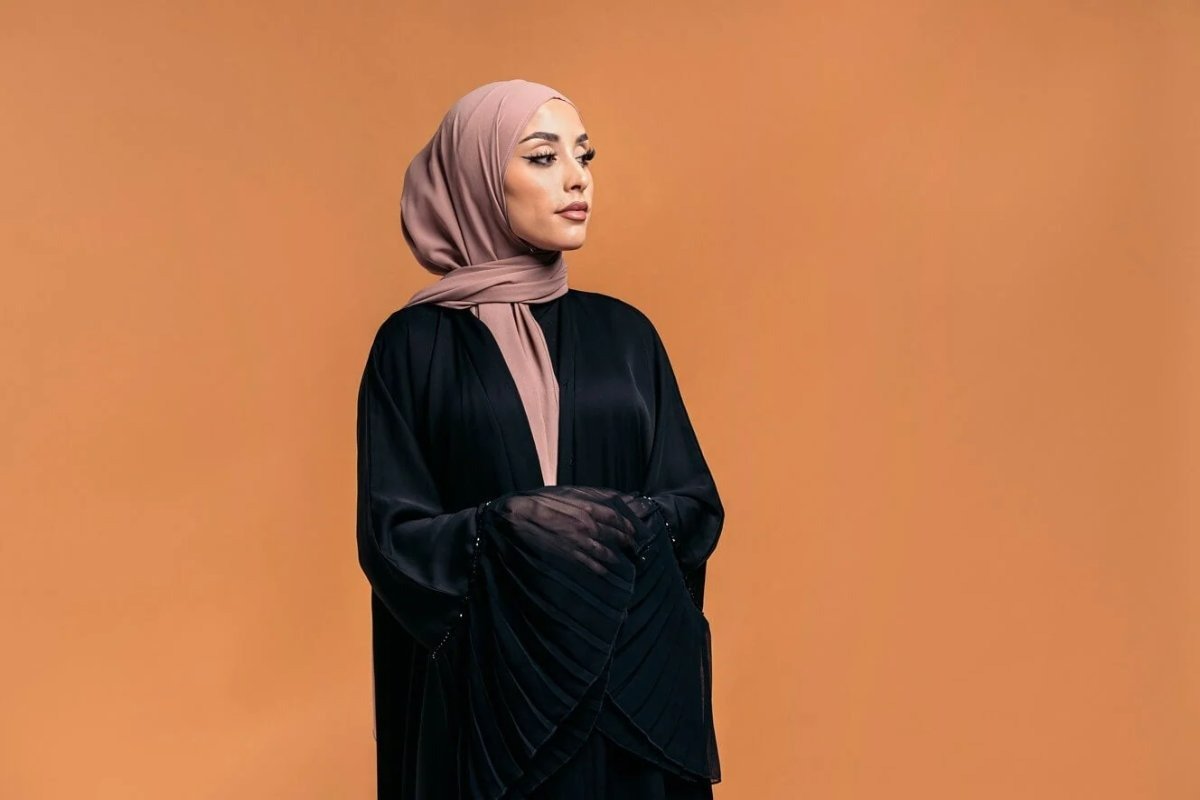
The regular pleats in pleated abayas create visual detail on their own. Therefore, if you are wearing a pleated abaya, it is usually better to keep the hijab and accessories simple so the overall look does not become too busy.
Bahraini Abayas
Bahraini abayas are available in a wide range of designs and styles. Some are simpler and suitable for everyday wear, while more heavily embellished designs can be worn for formal occasions.
Which Abaya Style Is Suitable for Weddings and Formal Occasions?
For special occasions, Bisht styles, certain Farasha designs, pleated abayas, and embellished styles can all be suitable choices. However, the name of the style is not the only determining factor.
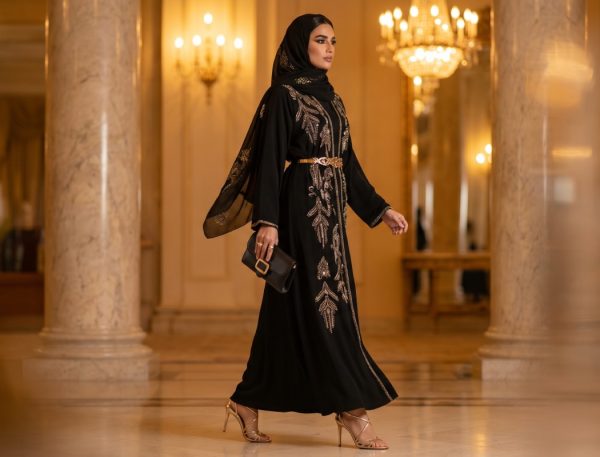
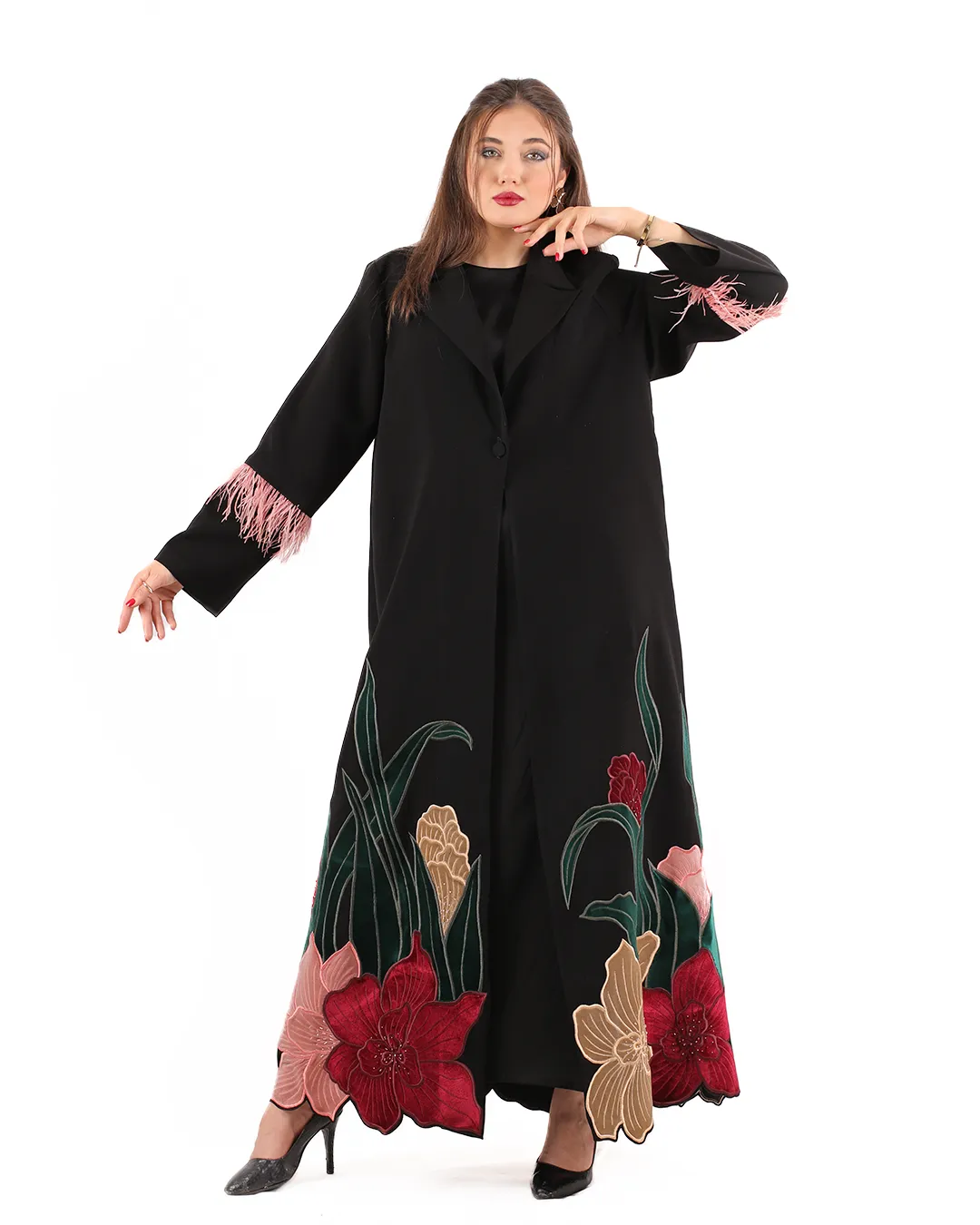
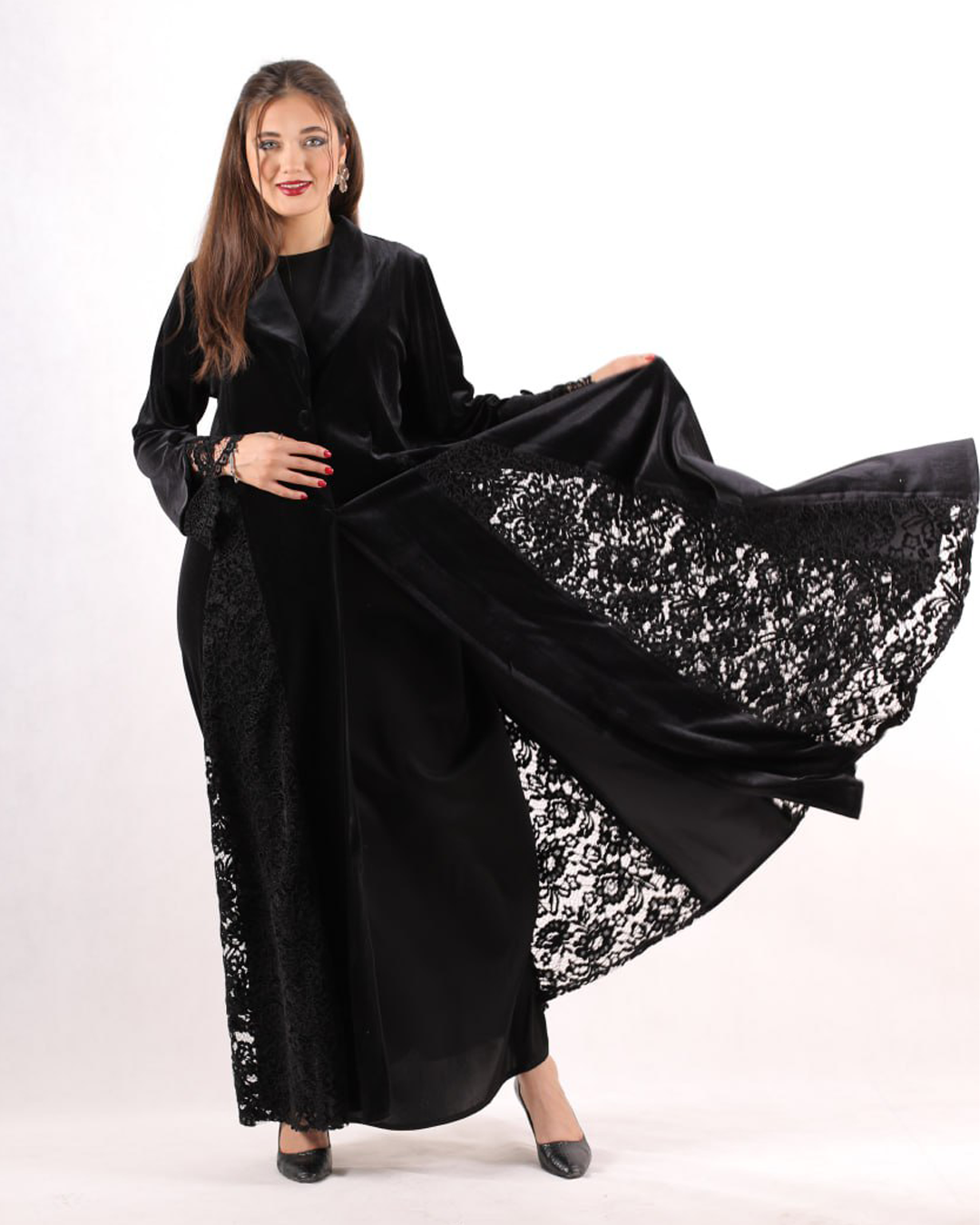
Satin, velvet, embroidery, beadwork, and delicate embellishments can make even a simple abaya suitable for a formal occasion. If the abaya itself has many details, a simple underlayer, coordinated hijab, and small handbag are usually a more balanced choice.
Which Abaya Style Is Best for Everyday Wear?
For everyday use, classic, simple, cardigan-style, and less voluminous butterfly abayas are generally more practical. Instead of focusing on excessive decoration, pay attention to the fabric weight, ease of movement, pockets, and overall comfort.
If you are going to wear an abaya for several hours, comfort is more important than decorative details.
How Should You Style an Abaya for Different Occasions?
The best abaya styling begins by determining how and where you will wear the garment. Then, you can choose the appropriate style, fabric, underlayer, and accessories.
A combination that works well for everyday shopping is not necessarily the best choice for the workplace or a formal event.
Abaya Styling for Everyday Wear
For everyday styling, comfort and ease of movement should be the priorities. Simple abayas can be paired with sneakers, flat shoes, sandals, or a crossbody bag for a comfortable look.
If your abaya is black or navy, a cream, beige, or light-gray hijab can soften the overall look and prevent it from appearing completely dark. If the abaya itself is colorful or patterned, it is better to keep the bag and hijab simpler.
Abaya Styling for Work
For a professional environment, simple and structured abayas are generally a reliable choice. Black, navy, cream, olive, and other neutral colors can be easily coordinated with formal bags and shoes.
A navy coat-style abaya with a cream hijab, pointed-toe flats, and a structured bag is a simple example of a professional workwear look.
At work, you should also consider the opacity and length of the garment. The abaya should not only look polished but also remain comfortable when sitting, walking, and wearing it for several hours.
Abaya Styling for Eid, Weddings, and Evening Events
For Eid and formal occasions, fabrics such as satin, velvet, and dressy crepe can be excellent choices. Embroidered, embellished, or beaded abayas are also suitable for these occasions.
If the abaya itself is heavily detailed, choose a simpler underlayer. A long dress, heels, a coordinated hijab, and a clutch can be enough to complete the look.
For Eid, you can also choose lighter shades such as ivory, cream, soft pink, sage green, or powder blue.
What Is the Best Abaya Fabric for Different Seasons?
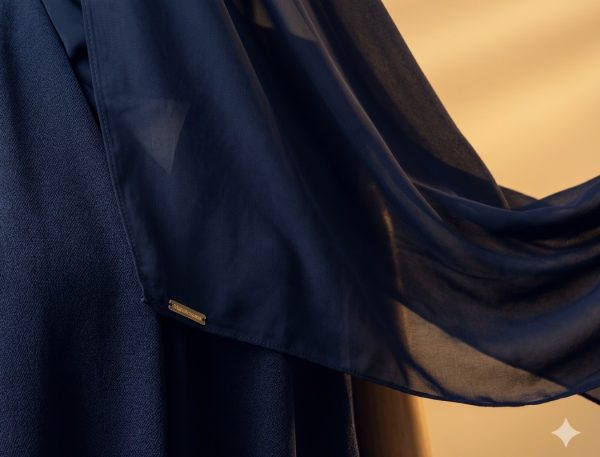
For warm weather, linen and certain cotton blends are comfortable choices because of their breathability. Chiffon and georgette are lightweight, but with thinner versions, you should check the level of coverage and whether an underlayer is required.
Crepe Nida is suitable for everyday wear and many year-round occasions. Satin is particularly suited to evening and formal styling. Velvet and heavier crepes are generally more appropriate for colder weather.
How Should You Choose the Color of an Abaya?
If you want an abaya that can be coordinated with many outfits, black, navy, cream, ivory, and other neutral shades are reliable choices.
For more variety, you can opt for olive green, dusty pink, burgundy, or emerald green.
In minimalist styling, combining several similar shades can also create an elegant result. For example, a cream abaya paired with a milky-white underlayer and a beige hijab creates a calm and harmonious appearance.
What Features Should You Check Before Buying an Abaya?
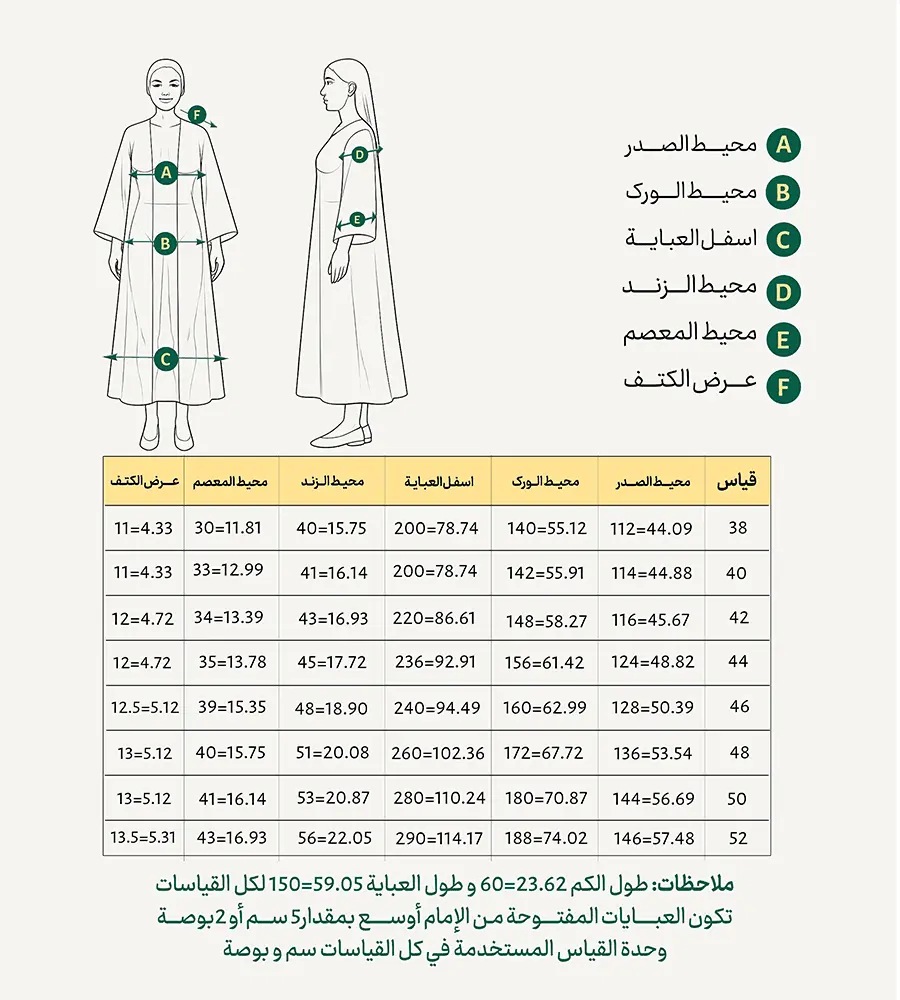
When shopping online, the product photo is not the only thing you should examine. The size chart, fabric composition, opacity, garment length, drape, weight, closure type, and care instructions are all important when making a decision.
Pockets are a practical advantage for everyday wear and travel. The lining should also be appropriate for the season. A thick lining may make the garment unnecessarily warm and heavy in summer.
Winter Abaya Styling Guide
Winter abaya styling should strike a balance between warmth and the shape of the garment. Wearing several thick layers is not always the best way to stay warm. Several thin, warm layers usually provide greater freedom of movement while maintaining a neater appearance.
Suitable options for winter abaya styling include turtlenecks, thermal clothing, and thin inner layers that can be worn underneath the abaya without creating excessive bulk.
Coat-style abayas also pair well with boots and winter scarves because of their structured shape. If the abaya has a loose silhouette, it is better to choose a relatively streamlined underlayer so that the outer fabric can maintain its natural drape.
How Should You Choose an Abaya Based on Body Shape?
Choosing an abaya based on body shape does not mean limiting your options. The goal is to understand how the cut, length, and fabric drape affect the final appearance.
The best abaya styles for different body shapes include:
Best Abaya Styles for Petite Figures
Low-volume styles that are proportionate to your height are generally easier to wear. Very oversized abayas or heavy fabrics can create too much volume and make the overall body shape less visible.
Combining similar colors can also create a vertical line. If you want to appear taller, shoes with a slight heel or added height can also help.
Best Abaya Styles for Tall Figures
Tall individuals generally have more freedom when choosing loose-fitting styles. Farasha, butterfly, and flared abayas can look particularly good on taller figures.
If you want to create a more balanced appearance, you can use a bag or hijab in a color that contrasts with the abaya to create a visual break.
Best Abaya Styles for Curvier Figures
Fabrics with a good drape are generally a good choice because they fall naturally over the body without clinging to it, allowing the garment to maintain its movement and shape.
Garments with vertical lines or balanced volume can also help create a more harmonious and proportionate appearance.
How Much Should You Spend on an Abaya?
It is better to evaluate the price of an abaya alongside its quality, how often you will wear it, and its construction features.
A higher price does not always mean a better choice. A simple abaya made from good-quality fabric, with clean stitching and a flattering shape, may offer more value for frequent wear than a very expensive and distinctive design that you will only wear a few times.
Budget-friendly styles generally have simpler designs and are suitable for everyday use. In mid-range styles, fabric quality, stitching, and design details usually become more important.
Luxury styles may feature specialty fabrics, handmade embellishments, and precise stitching with customized details.
Common Abaya Styling Mistakes
Sometimes the problem is not the abaya itself. An incorrect combination of styling elements can make the outfit look too busy or unbalanced.
Common mistakes include:
- Using several statement accessories at the same time
- Wearing a very bulky underlayer
- Ignoring the opacity of the fabric
- Choosing heavy fabrics for hot weather
- Wearing highly embellished styles in a professional workplace
- Excessive layering in winter
- Ignoring the size chart when shopping online
- Overdoing the Accessories
If your abaya features embroidery or embellishments, there is no need to combine it with a large necklace, oversized statement earrings, and a heavily decorated bag at the same time.
How Should You Care for an Abaya?
The correct way to care for an abaya depends on the fabric and the care instructions provided on its label.
There is no single care method that works for every abaya.
Read the Care Label:
The care label usually provides information about the fiber composition, washing temperature, whether the garment can be machine washed, and whether a dryer or ironing is suitable.
This information is especially important for delicate fabrics such as satin and chiffon or styles featuring beads and embroidery.
Washing, Drying, and Storage:
If the care label states that the garment can be machine washed, select a gentle cycle and the appropriate temperature.
Delicate fabrics or abayas featuring beads and embroidery may require hand washing or dry cleaning.
For storage, make sure the garment is completely dry and keep it in a place where it will not be exposed to pressure or moisture.
Hanging the abaya properly can also help prevent wrinkles and deformation around the shoulders and long sections of the garment.
Which Fabrics Are More Suitable for Machine Washing?
This depends on the fabric composition and the manufacturer’s care instructions.
Some cotton or polyester fabrics may be machine washable, but even in these cases, the care label of the specific garment should always be your main reference.
Satin, chiffon, velvet, and styles featuring embroidery, beads, or embellishments are generally more delicate. High temperatures, strong spinning, and direct ironing can damage the fabric or decorative details.
Conclusion: Is a Simple or Formal Abaya Better for Your First Purchase?
You do not always need to choose an expensive abaya to create a stylish look. Choosing the right design, fabric, and color can have a significant impact on the final appearance.
When shopping, pay attention to fabric quality, stitching, size, and comfort. Choose your abaya according to the occasion, season, and your personal style.
With the right choice, you can look stylish while still feeling comfortable.
To explore a variety of abaya designs, visit Maraya and find the style that suits you best.
Frequently Asked Questions About Abaya Styling
1. What is the difference between open-front and closed-front abayas?
Open-front abayas are more suitable for layered styling and combining with different outfits, while closed-front styles offer more uniform and simple coverage.
2. What should I wear underneath an open-front abaya?
You can wear a long dress, a skirt with a top, or simple trousers with a blouse. Neutral colors are generally an easy choice.
3. Which shoes look best with an abaya?
Depending on the occasion, flat shoes, loafers, minimalist sneakers, sandals, or heels can all be suitable choices.
4. Which accessories can make a simple abaya look more stylish?
A handbag, watch, scarf, sunglasses, or delicate jewelry can add interest to a simple abaya look.
5. Why are some abayas more expensive than others?
The type and quality of the fabric, stitching, design, embellishments, and overall finishing quality can all affect the price of an abaya.
Meta Title: Women’s Abaya Styling | Chic Abaya Outfit Ideas | Maraya
Meta Description: A complete guide to women’s abaya styling, with ideas for pairing abayas with scarves, hijabs, bags, shoes, and accessories, plus the best combinations for formal, everyday, and professional looks at Maraya.