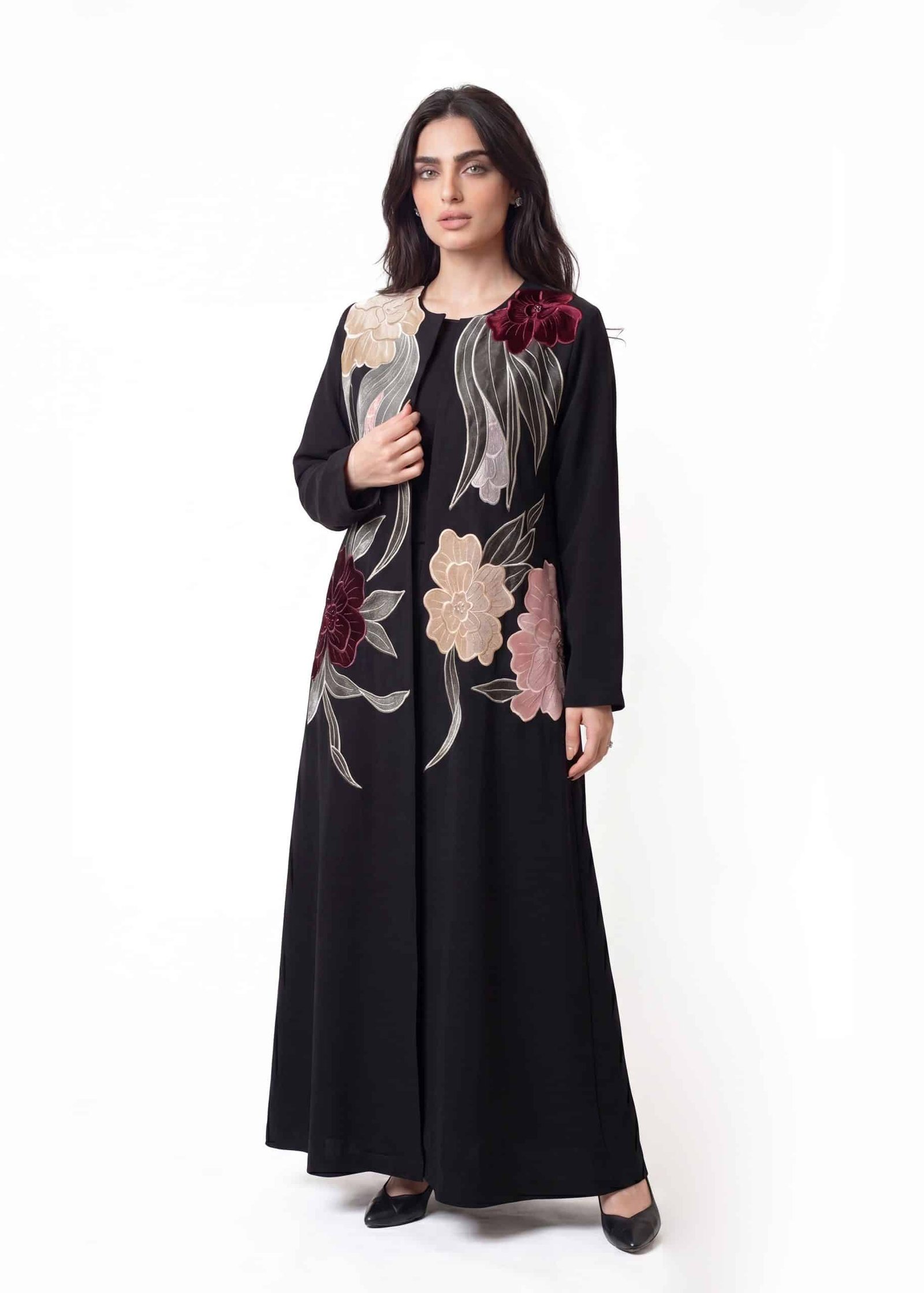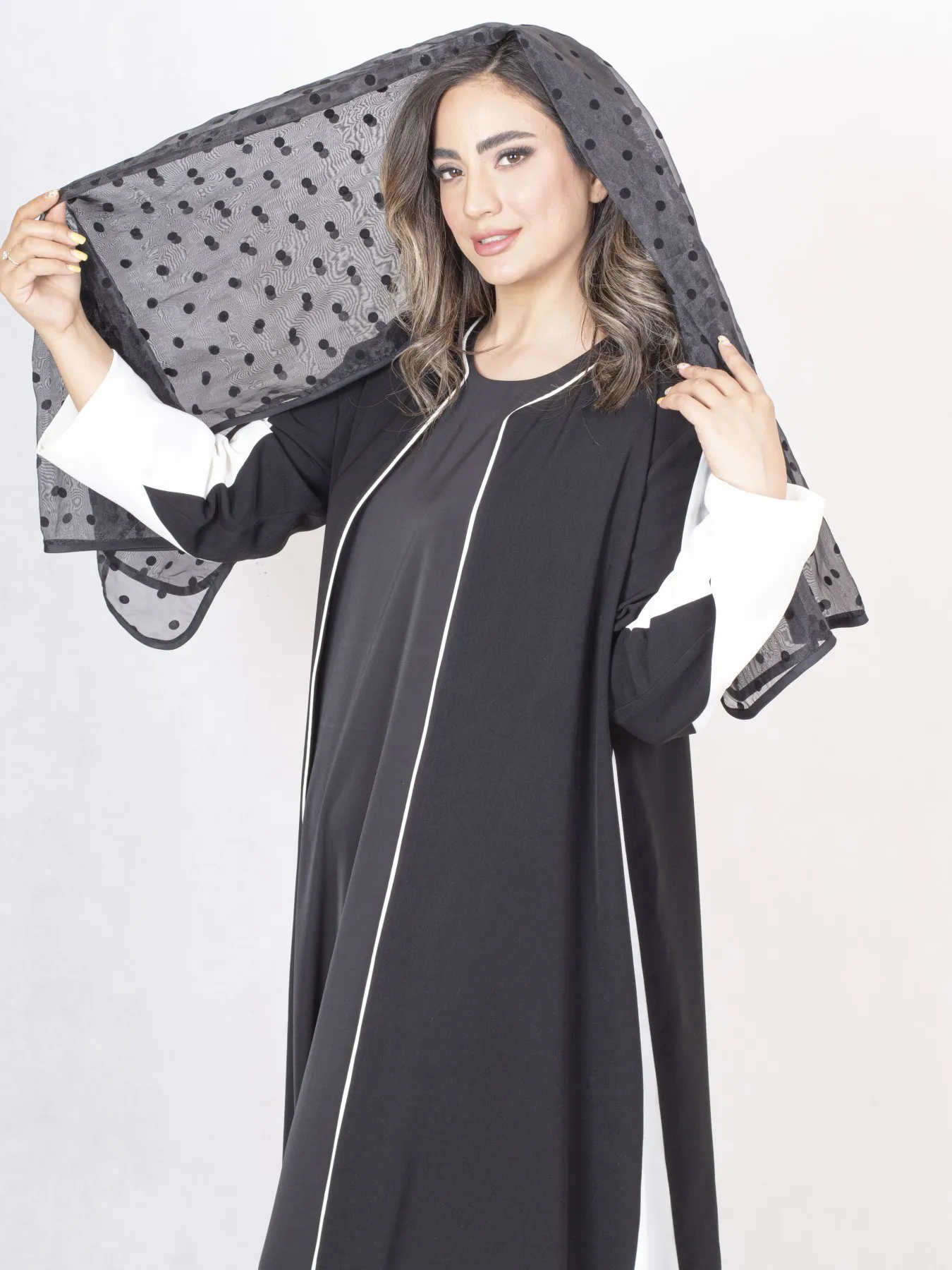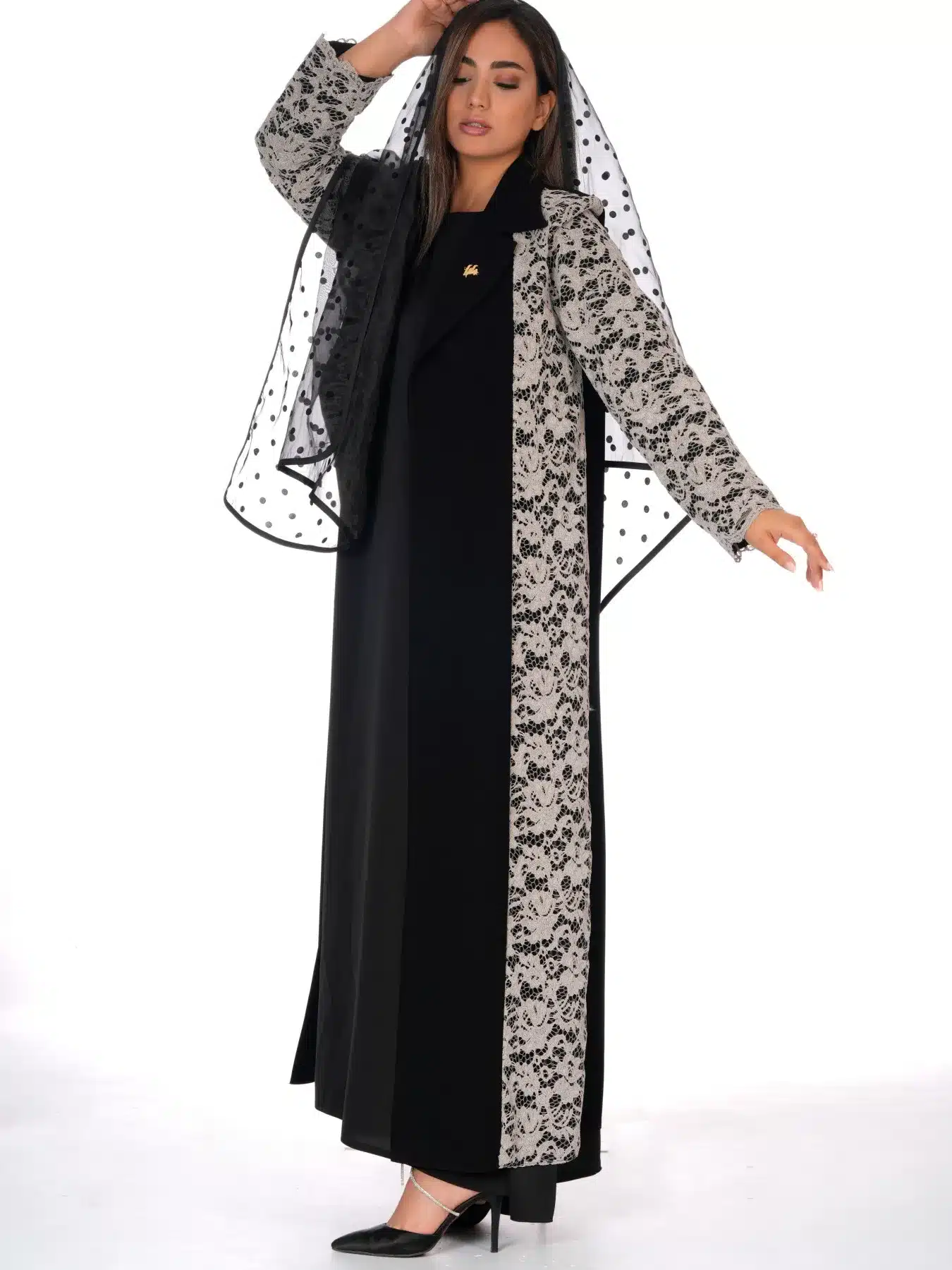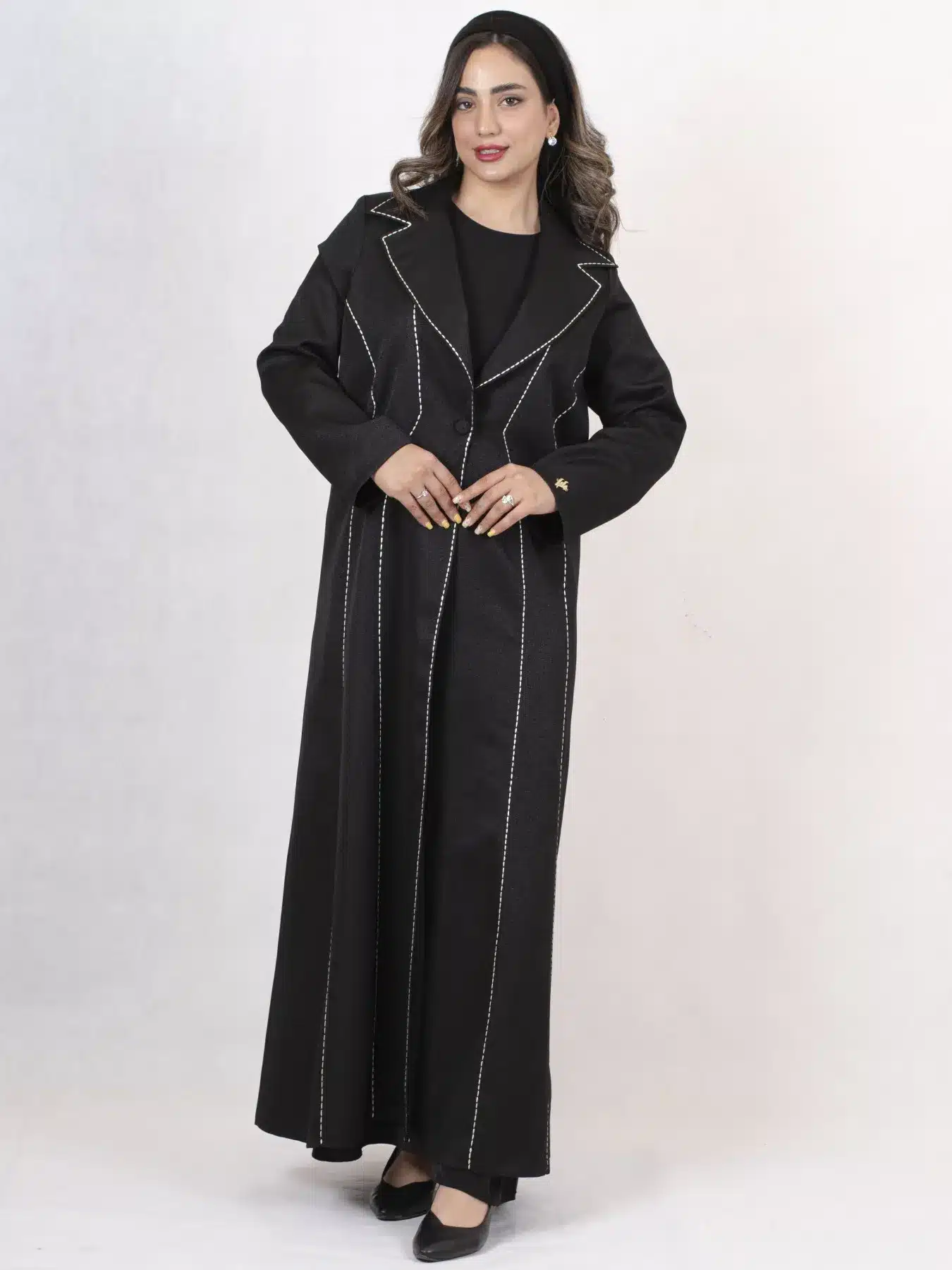
- Abba
Complete Abaya Size Guide: Size Chart and How to Measure
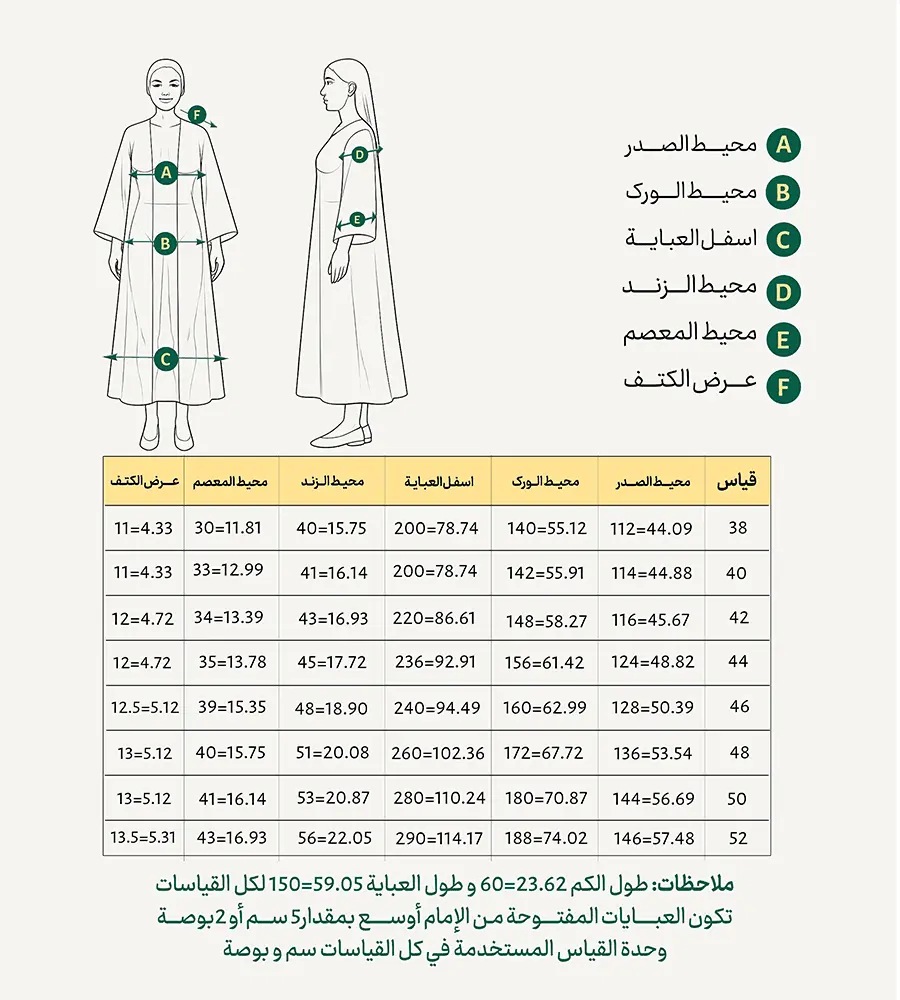
When choosing an abaya size, do not rely only on your usual clothing or coat size, such as M or L. For many abayas, numbers such as 52, 54, 56, and 58 refer more to the garment length in inches than to its width. For a more accurate fit, first measure the distance from your shoulder to the desired hemline while wearing the shoes you plan to wear with the abaya, then compare your bust and shoulder measurements with the size chart, especially for closed-front styles. If you are between two sizes, consider whether you need more length or width, as shortening the garment is often a better option than choosing a smaller size. Below, we will go through the abaya size chart and measuring method step by step.
What Abaya Size Is Right for Me?
When choosing an abaya size, you should consider three main factors: your height and desired abaya length, your body measurements—especially your bust and shoulders—and the abaya’s style and cut. In many loose-fitting abayas, the size number refers mainly to the garment length. Therefore, size 56 does not necessarily mean that the abaya is wider than size 54. The main difference between the two sizes may simply be the garment length. In contrast, for closed-front, straight-cut, or structured-shoulder styles, bust, shoulder, and sleeve width become more important.
Abaya Size Chart by Height
Abaya Size | Approx. Garment Length | Approx. Height Range |
50 | About 127 cm | About 150–157 cm |
52 | About 132 cm | About 155–162 cm |
54 | About 137 cm | About 160–167 cm |
56 | About 142 cm | About 165–172 cm |
58 | About 147 cm | About 170–177 cm |
60 | About 152 cm | About 175–182 cm |
62 | About 157 cm | About 180–187 cm |
64 | About 163 cm | Usually for taller heights |
These figures are approximate, and factors such as the abaya style, body shape, layering, and where you want the hemline to fall can affect the appropriate size.
What Do Abaya Sizes 50, 52, 54, 56, 58, and 60 Mean?
In many common abaya sizing systems, the size number is related to the garment length in inches. For example:
- Size 52 is approximately 52 inches.
- Size 54 is approximately 54 inches.
- Size 56 is approximately 56 inches.
- Size 58 is approximately 58 inches.
- Size 60 is approximately 60 inches.
One inch equals 2.54 centimeters. Therefore, size 54 is approximately 137 cm, while size 58 is about 147 cm. However, these numbers should not be treated as a universal standard for every brand. Two stores may both offer a size 56, but the actual length or width of their abayas may differ slightly. The size chart for the specific brand and style should always be your main reference.
How Should You Choose Abaya Length Based on Your Height?
Height alone is not a complete guide to choosing abaya length. Two people may have the same height but different torso and leg lengths. For this reason, one of the most useful measurements is the distance from the shoulder to the desired abaya hemline. This measurement helps determine approximately where a garment of a particular length will fall on your body. For everyday wear, it is better to keep the hem slightly above the floor so it does not get under your feet while walking. If you are buying a luxury abaya for a formal occasion, you can choose a longer style, but it should not be so long that it makes movement difficult.
How Do You Measure for an Abaya Size?
To measure yourself at home, you will need a measuring tape. It is best to wear lightweight clothing so your measurements are more accurate.
1. Shoulder-to-Hem Measurement
Place the measuring tape at the top of your shoulder, where the shoulder seam of a garment would normally sit, and measure down to your desired abaya hemline. If you plan to wear the abaya with high heels, take the measurement while wearing the same shoes.
2. Bust Measurement
Wrap the measuring tape around the fullest part of your bust. The tape should not be so tight that it puts pressure on your body. This measurement is especially important for closed-front abayas and styles with a more defined cut.
3. Shoulder Width
Measure the distance between the two shoulder points. For styles with defined shoulders, this measurement can be an important factor when choosing a size.
4. Sleeve Length
Depending on the garment pattern, sleeve length may be measured from the shoulder or neckline to the wrist. Therefore, it is best to follow the measuring method provided by the specific store.
5. Hip Measurement
For straight-cut styles or abayas with less room around the lower body, hip measurement is also important. After measuring yourself, compare all your measurements with the size chart for the specific product. Using one brand’s size chart to shop from another brand may not give you an accurate result.
How Much Ease Does an Abaya Need?
An abaya is generally not meant to fit closely to the body like a fitted garment. The amount of ease required depends on the style. Butterfly abayas and kimono styles are naturally loose and usually require less precise width measurements. In contrast, straight-cut, closed-front, or tailored styles should provide enough room around the bust, shoulders, and arms. If the shoulder or sleeve feels tight when you move your arms, the size or cut is probably not suitable.
How Does Abaya Sizing Work in Gulf Countries?
Sizes 52 to 60 are very common in the abaya markets of Gulf countries and, in many styles, refer to the garment length. However, width, sleeve shape, and overall ease can vary between brands. Therefore, even if you know the length you need, it is best to check your bust and shoulder measurements as well.
The sewing pattern, amount of ease, sleeve width, shoulder shape, and fabric type all affect the final measurements of a garment. One size 56 may be designed for a very loose fit, while another size 56 may have a closer-to-body shape. Therefore, the size number alone does not provide complete information about the fit of an everyday abaya.
How Does Abaya Style Affect Size Selection?
Two abayas with the same length can look completely different on the body. For this reason, you should consider the garment style together with its size chart.
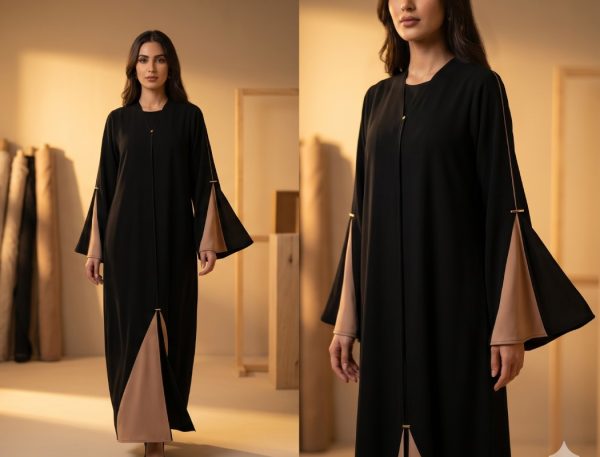
Butterfly Abayas
Butterfly styles are usually very loose. In these styles, garment length and sleeve length are more important than precise bust measurements.
Kimono Abayas
Kimono styles also have a loose shape, but their sleeve design makes sleeve length and where the sleeves sit on the arms more important.
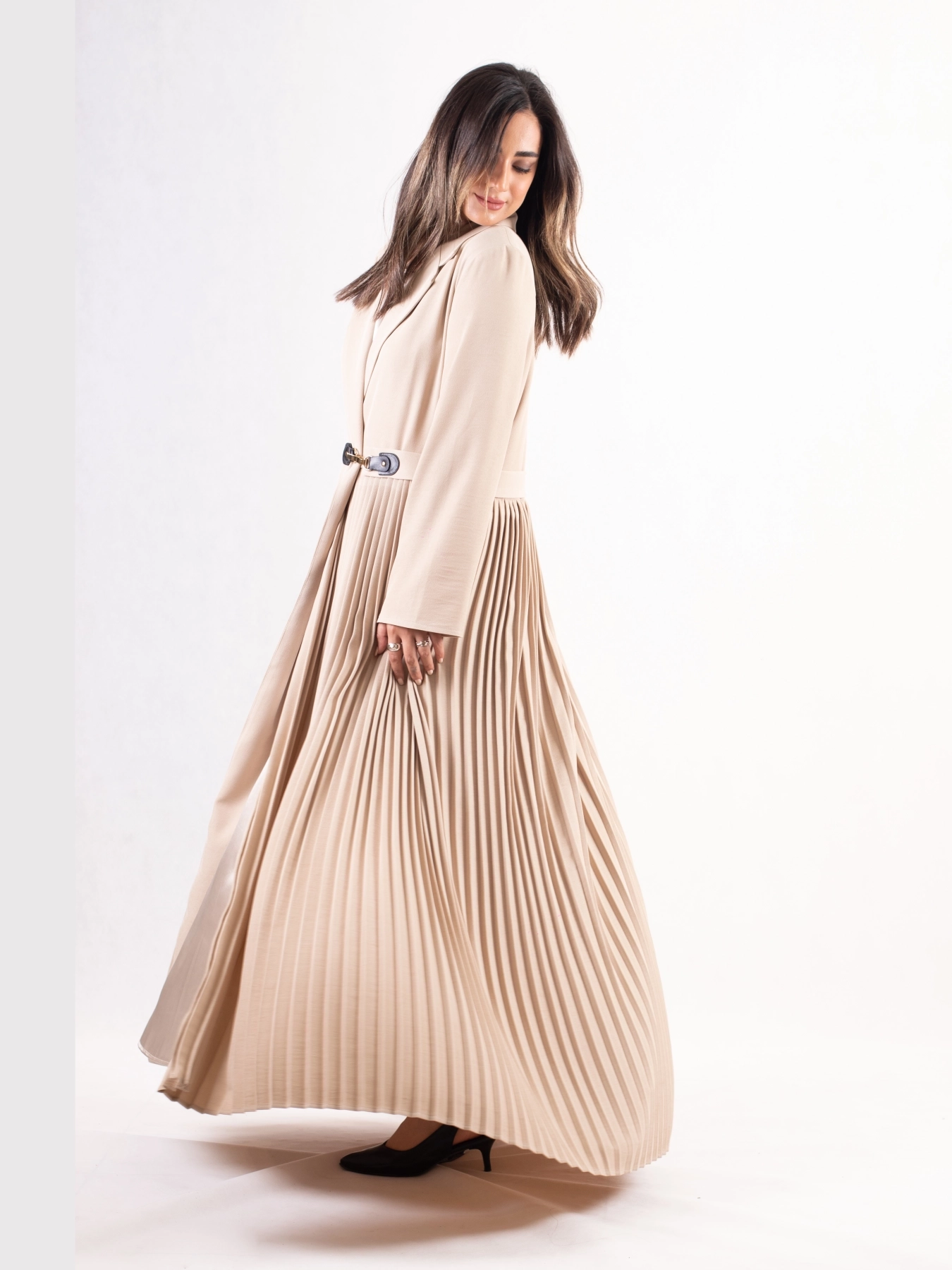
Straight-Cut Abayas
Straight-cut styles have a more defined shape. Bust and shoulder measurements—and, in some styles, hip measurements—should be checked more carefully.
Difference Between Open and Closed Abaya Sizing
An open abaya does not close at the front and usually provides more room around the bust. This can make size selection easier. For closed-front abayas, bust and shoulder measurements become more important. If the garment feels tight in these areas when you move or sit, the selected size is not suitable even if the length is correct. If you wear another garment underneath an open abaya, also consider the thickness of that layer when choosing your size.
How Does Fabric Affect the Fit of an Abaya?
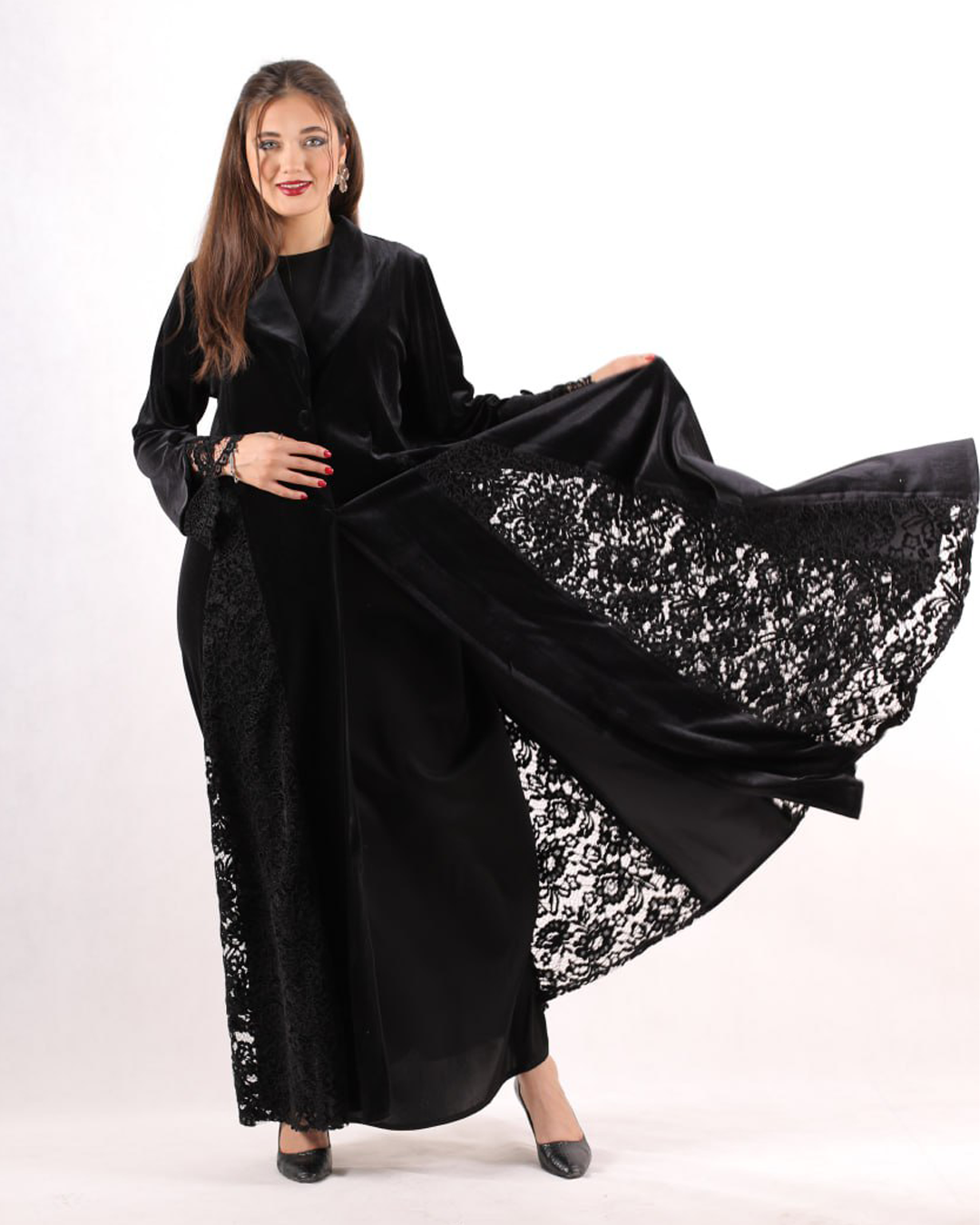
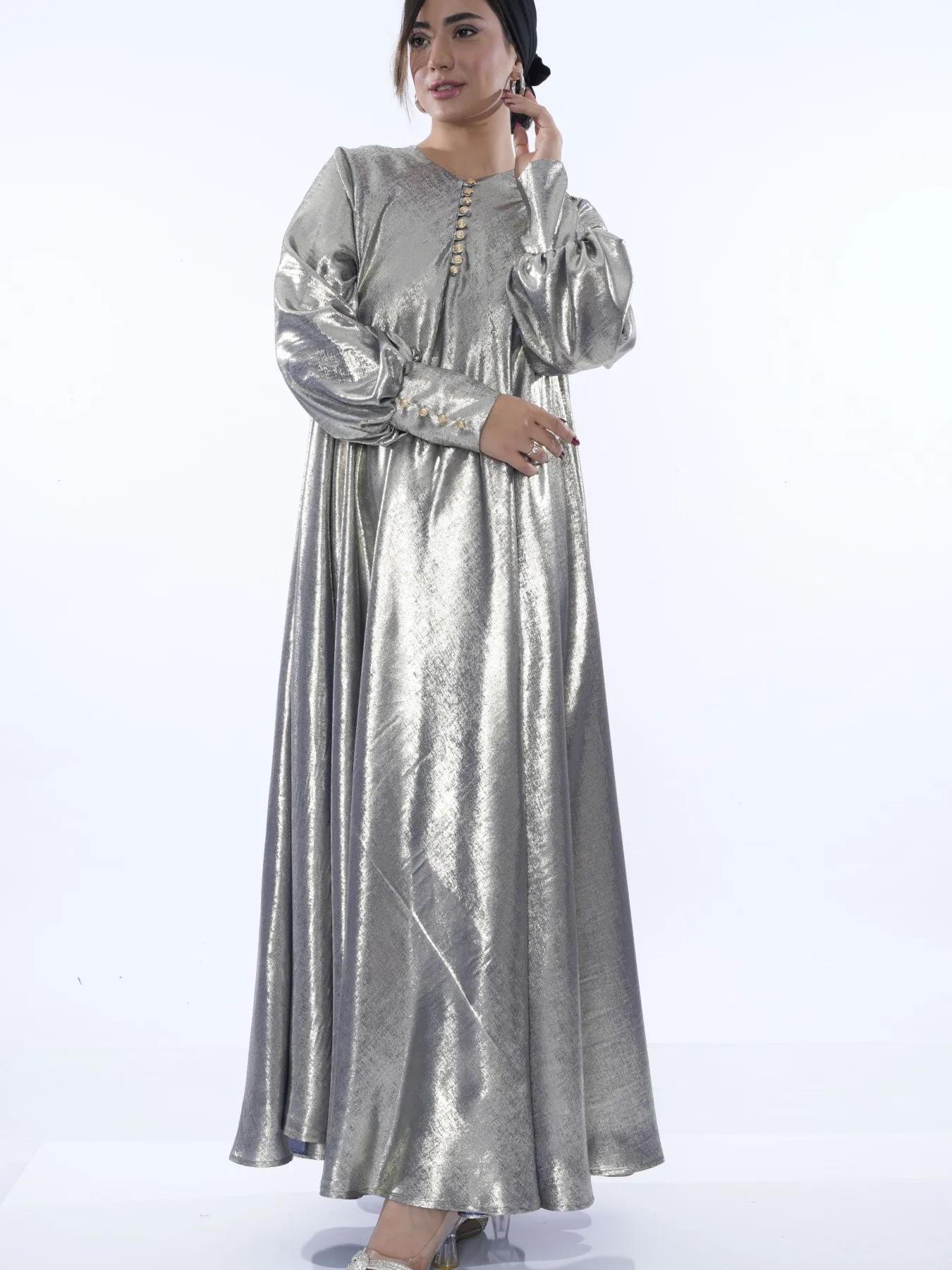
Fabric affects more than just the appearance of an abaya. Its drape, weight, and structure can also change the final shape of the garment. Lightweight, fluid fabrics usually move more freely and can enhance the loose shape of an abaya. More structured fabrics make the garment’s seams and construction more defined. Nida fabric is used in many everyday abayas because of its good drape.
Depending on its type and weave, crepe can have more structure and is often seen in formal or occasion styles. Jersey fabric usually has more stretch and can create a different fit because of its fabric characteristics. Chiffon is also lightweight and fluid and is often used in occasion styles or as an outer layer. Despite these differences, fabric type should not replace the size chart. The actual pattern and measurements of the garment remain the most important factors.
What Size Should You Choose for Everyday Wear, Work, and Occasions?
The intended use of an abaya can also affect the preferred length and amount of ease, so it is best to choose an abaya that feels comfortable when you wear it.
Abaya for Everyday Wear
For everyday use, the garment should not be so long that it gets under your feet. If you walk a lot, use stairs, or commute by public transportation, leaving a little space between the hem and the floor can be more practical. Sleeve and shoulder ease are also important; the abaya should allow you to move your arms comfortably.
Abaya for Work
For office environments, styles with a balanced fit are generally more practical. The garment should not be excessively loose, but it should not restrict movement around the shoulders and arms either. Choose the abaya length according to your work shoes, especially if you spend most of the day standing.
Abaya for Eid and Occasions
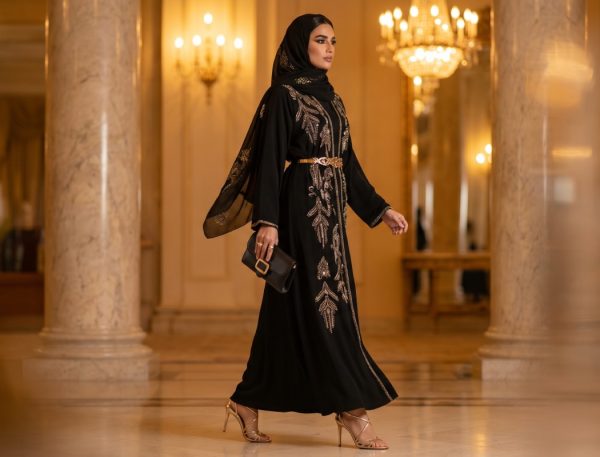
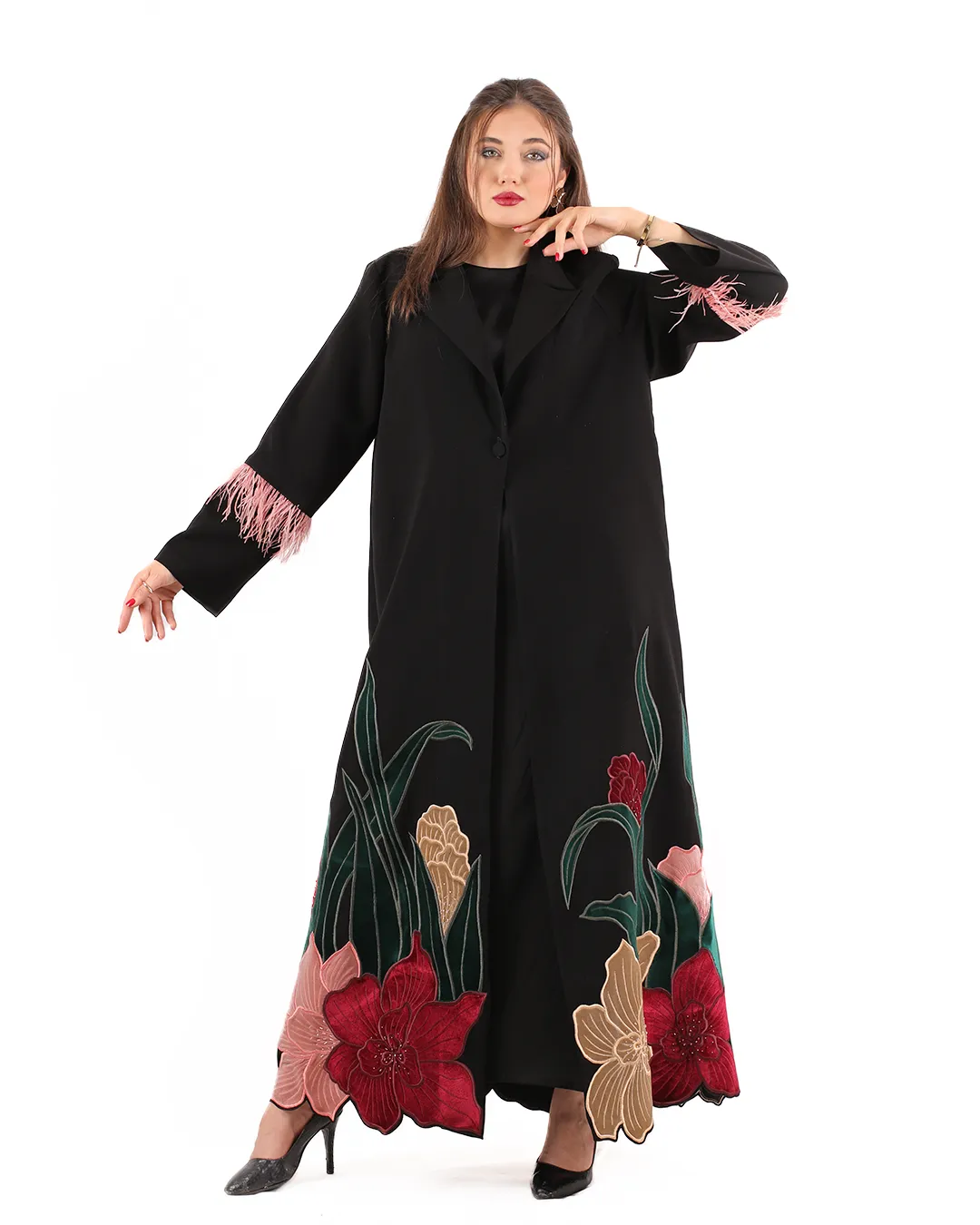
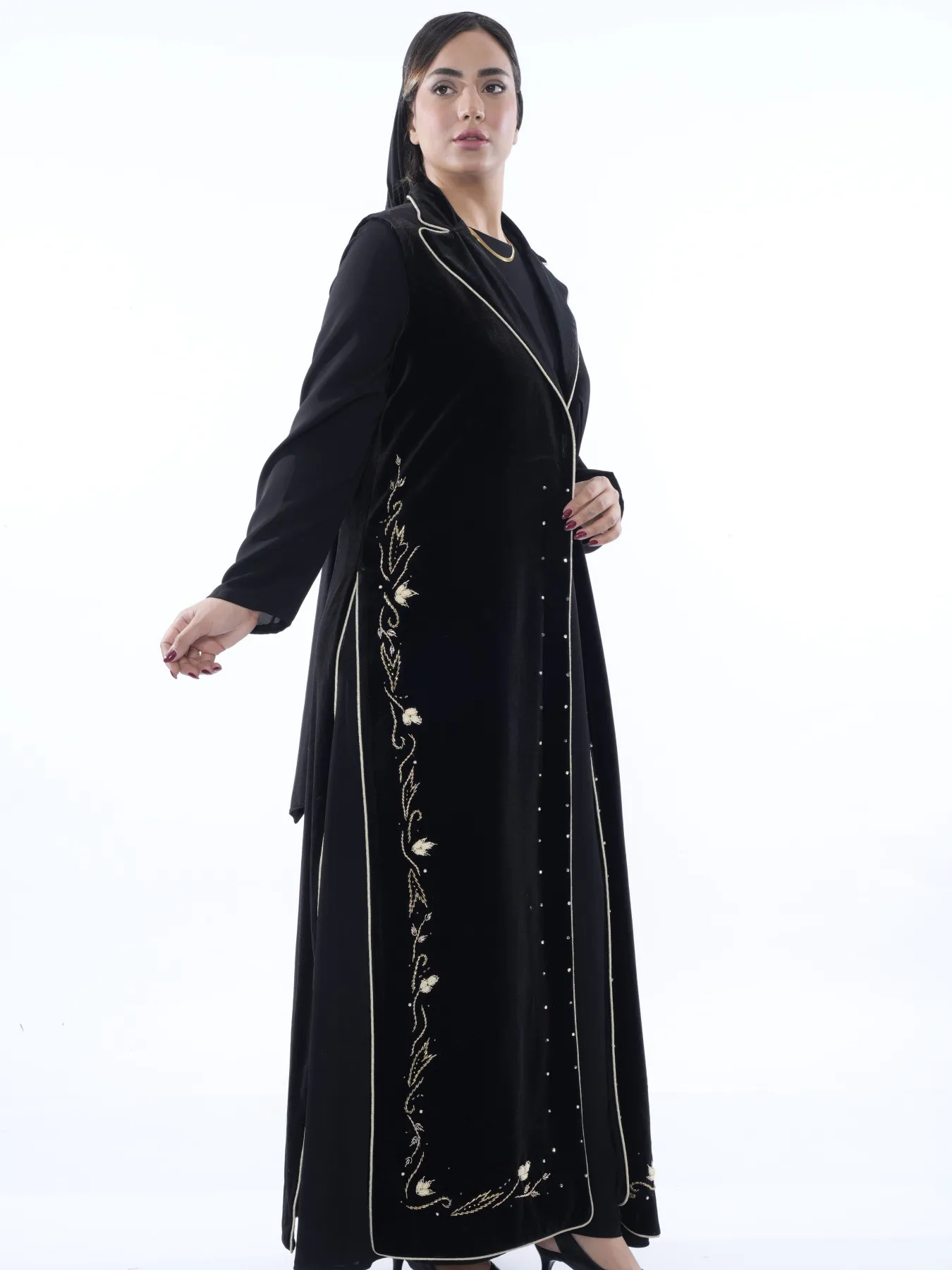
Occasion styles often feature embroidery, embellishments, distinctive cuffs, or decorative layers. These details may limit the garment’s ease and the possibility of alterations. If an embroidered abaya has extensive embellishments, check the length, shoulder, and sleeve measurements more carefully before ordering.
Abaya for Umrah and Prayer
For abayas intended for prayer or pilgrimage travel, ease of movement and adequate coverage are especially important. The garment should not get under your feet while walking and should provide enough room for sitting and moving comfortably. Loose styles are generally more comfortable for this type of use, but the appropriate length should still be chosen based on your height and footwear.
When Is Shortening an Abaya Better Than Choosing a Smaller Size?
If the upper-body fit is suitable and the only issue is that the garment is longer than you prefer, shortening the abaya may be a better solution. This is especially useful for people who fall between two sizes. A smaller size may have the right length but fit poorly around the shoulders or bust. However, for abayas with embroidery, embellishments, or decorative details near the hem, check before making alterations to ensure that shortening the garment will not damage the design.
How Can You Tell If You Chose the Wrong Abaya Size?
If the shoulder seam sits in the wrong place, you feel pulling when moving your arms, or the sleeves ride up too much, the size or garment pattern may not be suitable. If the hem drags on the floor while walking or repeatedly gets under your feet, the abaya is too long. If more of your ankles are visible than expected or the garment rides up while you move, the selected length is probably too short. The best approach is to check the garment length while wearing the same shoes you plan to wear with it.
Online Abaya Shopping: How Can You Reduce the Risk of Choosing the Wrong Size?
Before placing your order, write down your measurements on paper or on your phone:
- Shoulder-to-hem measurement
- Bust measurement
- Shoulder width
- Sleeve length
- Hip measurement, if needed
Then compare these measurements with the size chart for the specific product. If the store offers size consultation, you can send your measurements to customer support. This is particularly useful for styles with unusual or non-standard sizing. Also, before paying, check the exchange and return policy, whether length alterations are available, and any related costs.
What Factors Affect the Price of an Abaya?
The price of an abaya is not determined by size alone. Fabric type, sewing quality, design, embroidery, embellishments, and whether the garment is custom-made can all affect the final price. Two abayas in the same size may have very different prices because the amount of fabric, type of materials, and amount of work involved may not be the same.
Ready-to-wear abayas are suitable for quick purchases and are usually available in several standard sizes. A custom-made abaya is sewn according to individual measurements and can be a more precise option for people whose height or body shape falls outside the usual range. If you often have problems with abayas being too short or too long, custom tailoring may be worth the additional cost.
Conclusion: The Best Way to Choose an Abaya Size
Choosing an abaya size depends on more than a number from 50 to 64 or your usual clothing size. For a more reliable choice, measure the abaya length, bust, shoulder width, and sleeve length, then compare them with the size chart for the specific style. The abaya style, fabric type, footwear, and desired amount of ease can also affect the right size.
If you are looking to buy an abaya with a variety of styles and sizes, you can explore Maraya. By comparing each style’s specifications and checking the size chart, you can more easily choose an abaya that suits your height and preferred fit. Now it is time to choose: explore Maraya’s abaya styles, check your size, and shop with greater confidence.
Frequently Asked Questions About Choosing an Abaya Size
Should I choose an abaya size based on height or weight?
Abaya sizing is generally based more on height and body measurements than on weight. Numbers such as 52 and 54 usually refer to abaya length, but for an accurate choice, you should check the size chart for the specific product.
How do I measure abaya length from my shoulder to the floor?
Stand straight and measure from the highest point of your shoulder to where you want the abaya to end. If you wear the abaya with heels, it is best to wear the same shoes while measuring.
Should I choose one size larger for an open-front abaya?
Not necessarily. Open-front abayas usually provide more room, so before choosing a size, check your shoulder and bust measurements and the size chart for the specific style.
What abaya size is suitable if I wear high heels?
Measure the abaya length while wearing the shoes you normally plan to wear with it. This helps prevent the abaya from being too short or too long.
What should I do if I am between two abaya sizes?
If the only issue is the abaya length, you can choose the size that fits your shoulders and bust and, if possible, have the length altered. If the garment is tight around the bust or shoulders, it is better to choose the larger size.
Are open-front and closed-front abayas sized differently?
They may be. Closed-front abayas are generally more sensitive to bust and shoulder measurements, while open-front styles provide more room. In either case, the size chart for the specific product is the best reference.
- By amir soudi
Related Posts